
10 Best Wide-Angle Lenses for Portrait Photography in 2026
Filters:
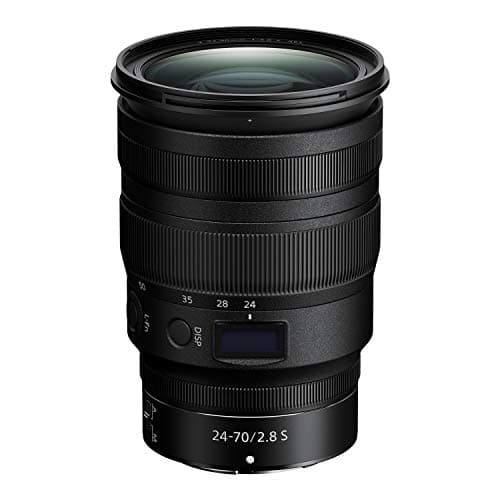
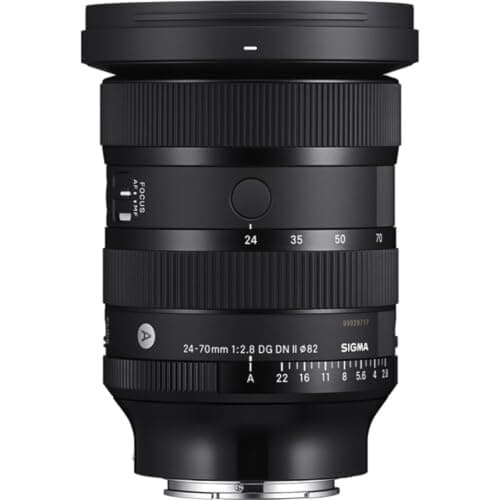
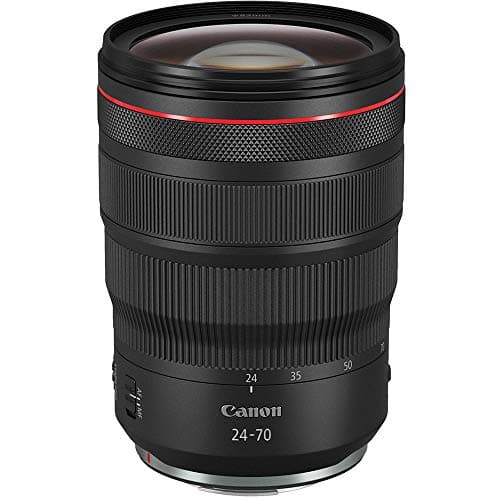
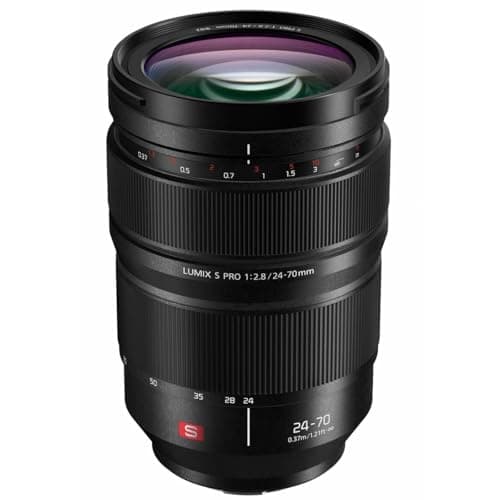
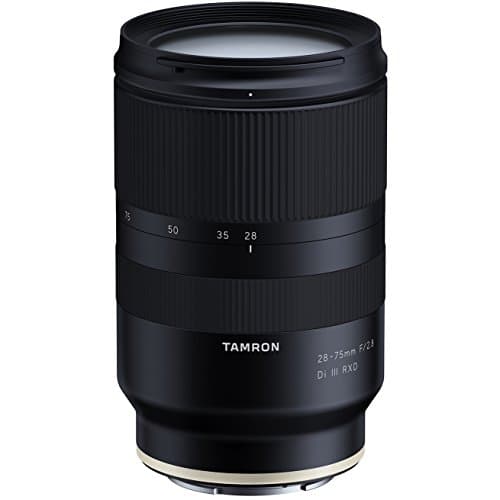
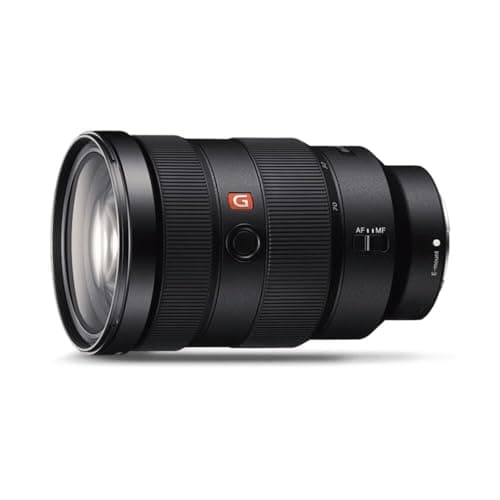
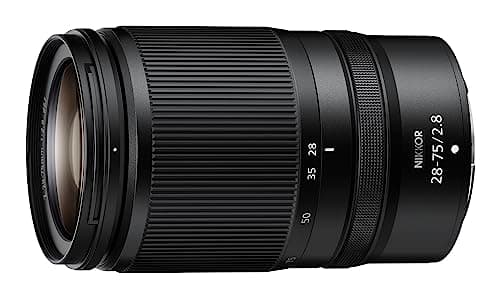
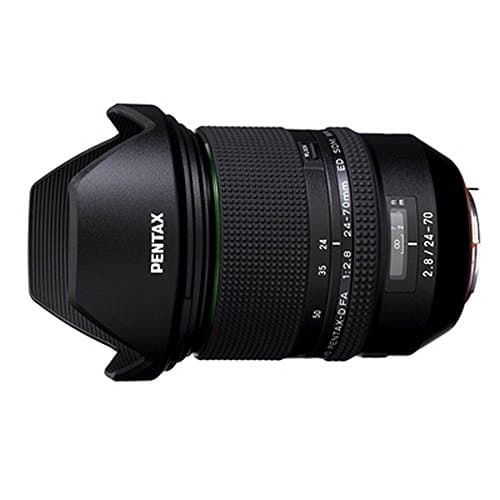
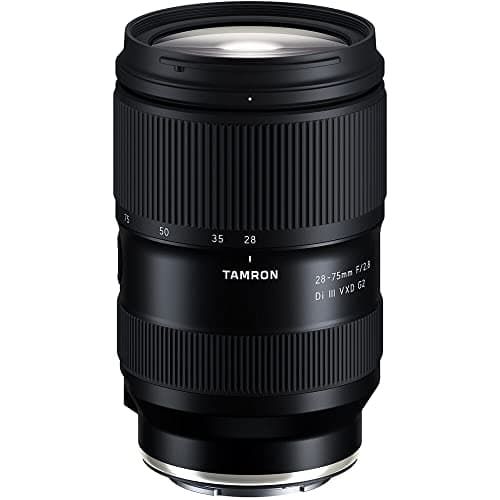
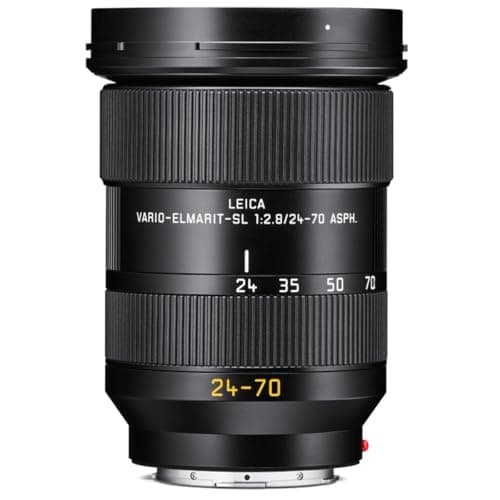
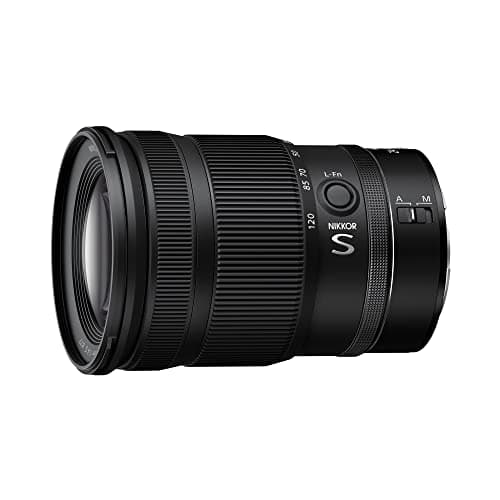
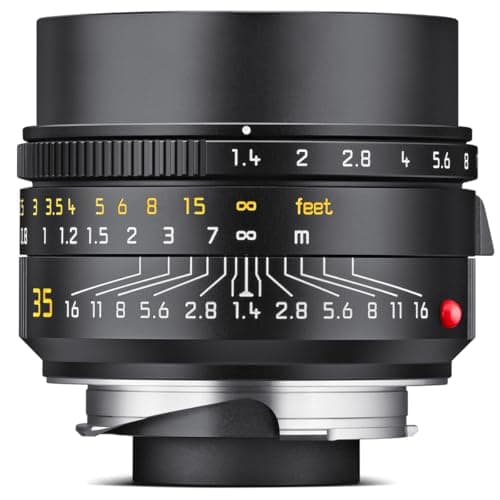
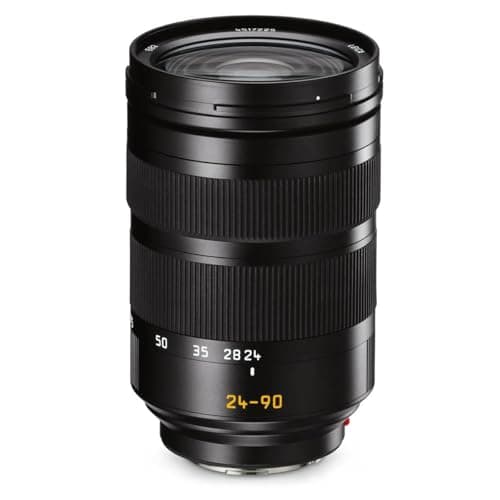
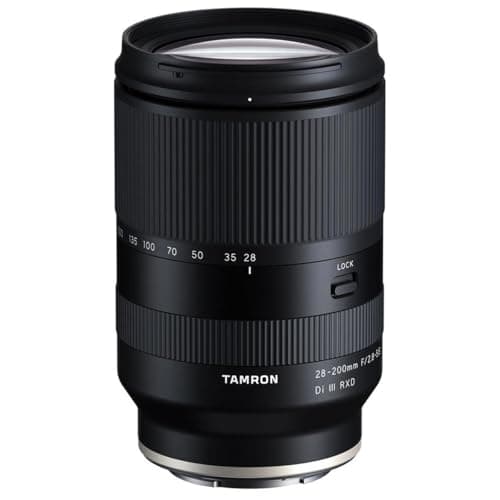
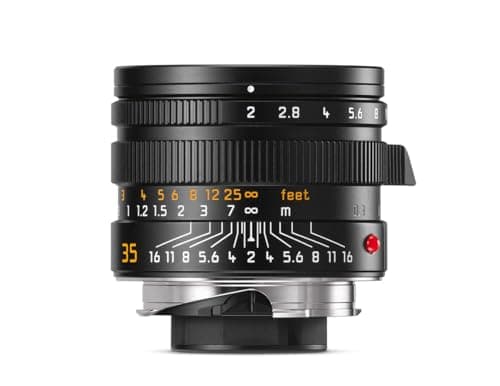
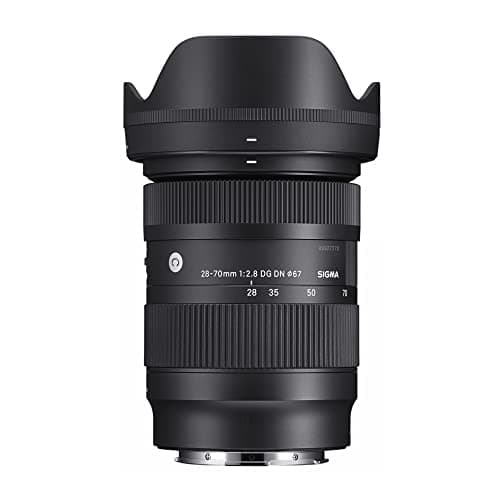
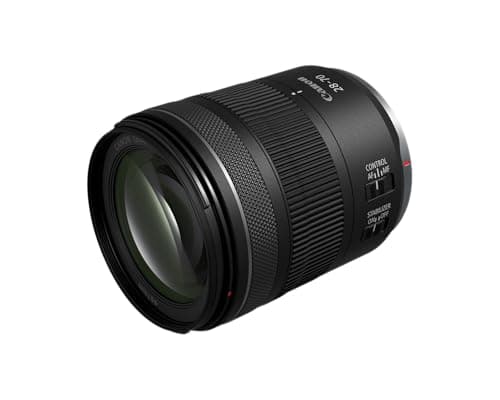
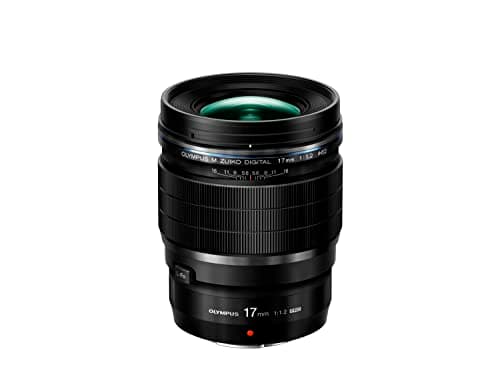
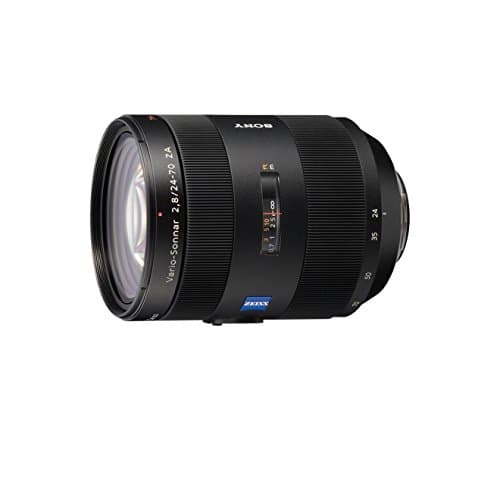
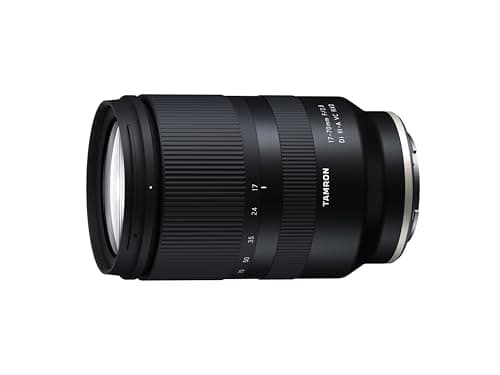
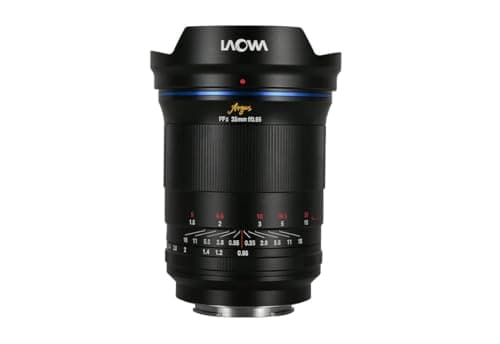
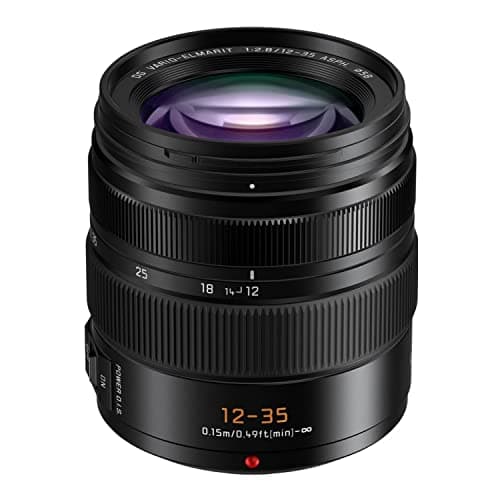
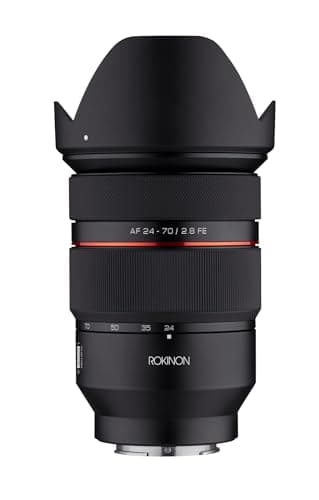
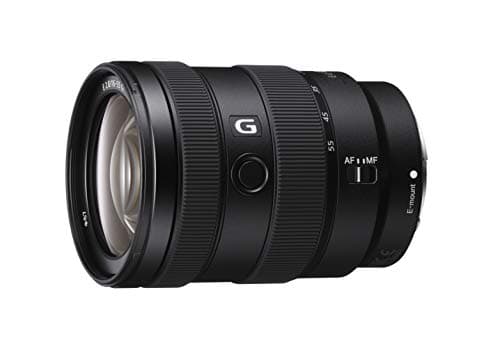
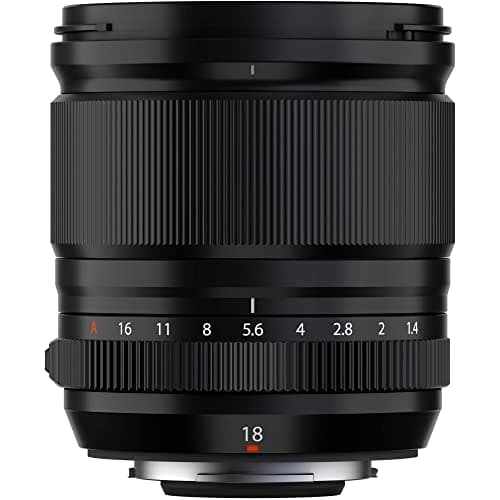
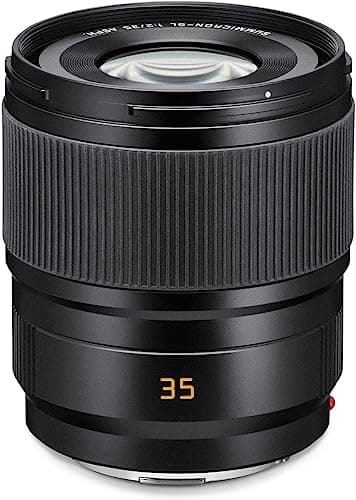
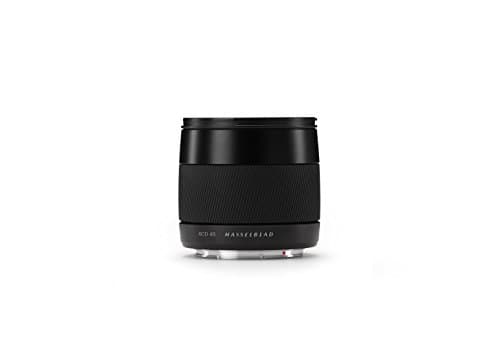
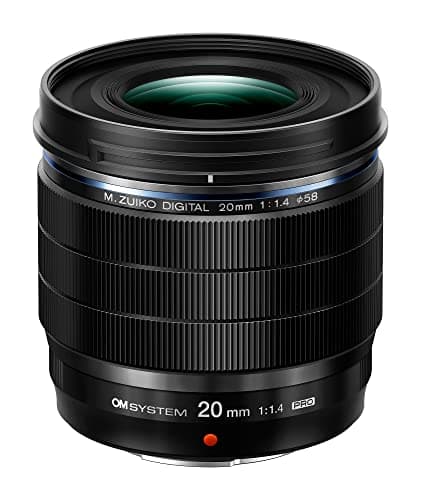
* Product prices and availability are accurate as of the date/time indicated and are subject to change. Any price and availability information displayed on Amazon.com at the time of purchase will apply to the purchase of this product.
* Imaginated.com may receive compensation for purchases made at participating retailers linked on this site. This compensation does not affect what products or prices are displayed, or the order of prices listed. Learn more here.
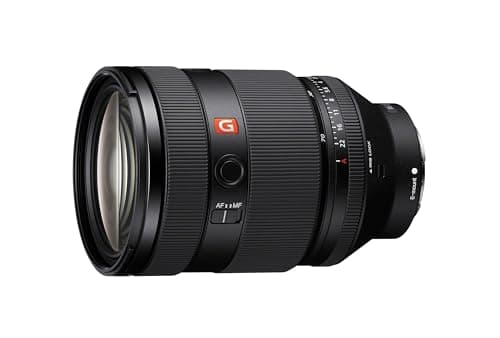
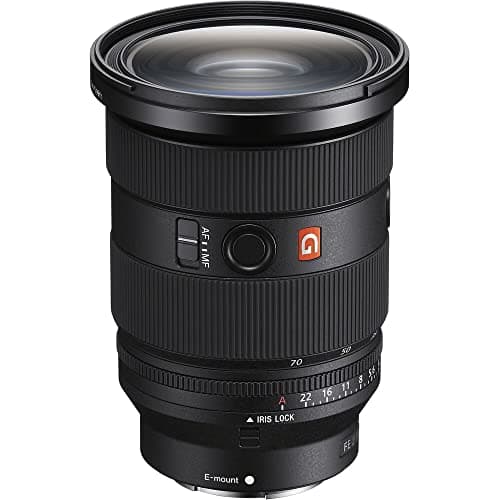
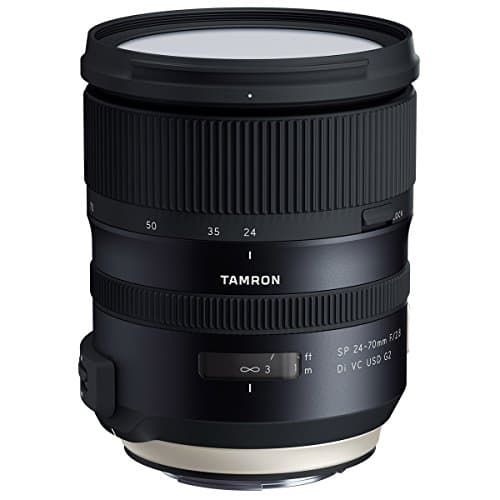
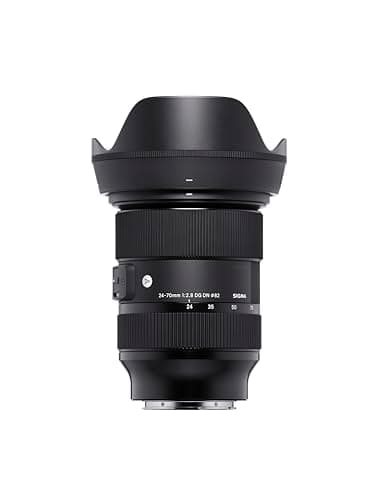
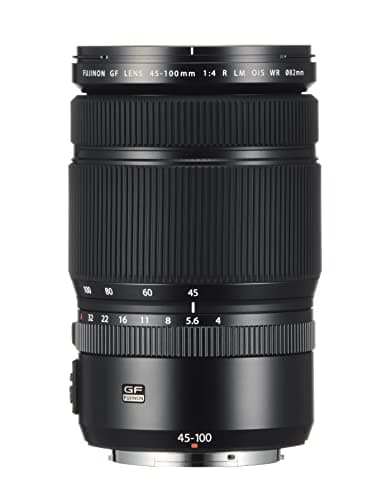
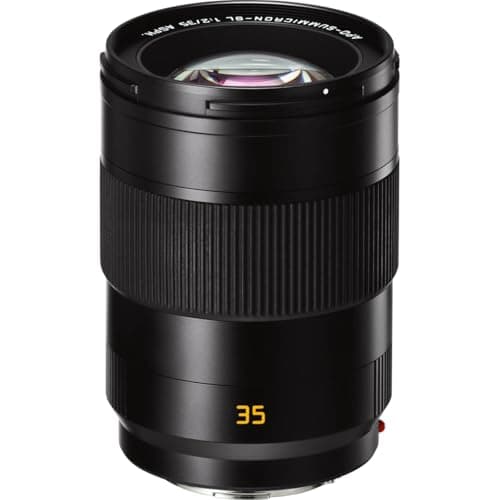
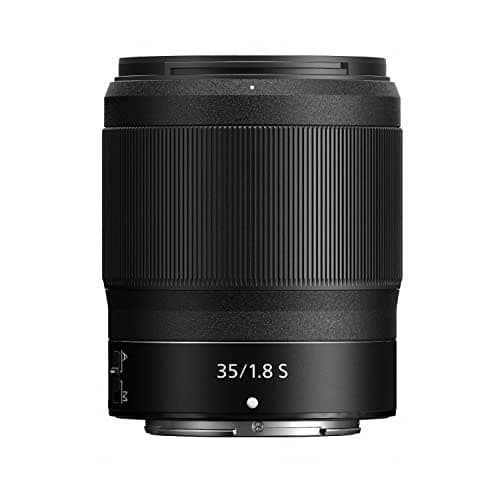
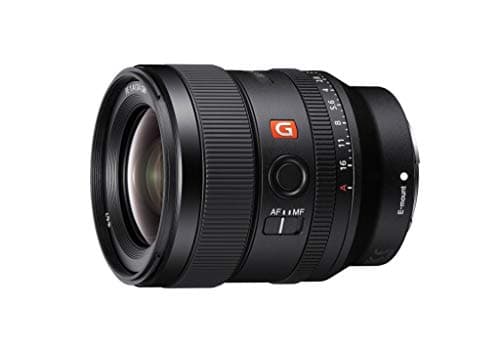
These are the best wide-angle lenses for portrait photography when you want flattering proportions, expressive environments, fast and confident AF, and clean rendering—whether you’re shooting environmental portraits, small groups, editorial street stories, or dramatic low-angle frames—and here’s what to look for as you buy: prioritize rectilinear designs with low wave/moustache distortion (faces stay true), gentle field curvature (so edge subjects don’t smear), strong wide-open performance (contrast and axial CA control on catchlights), quiet linear/STM motors for sticky Eye AF, close-focus for storytelling details, and front threads (77/82mm) for diffusion/VND; stabilization is nice for ambient interiors, but you’ll often run people-safe shutters. Full-frame zoom heroes that cover most wide portrait work: Sony FE 16–35mm ƒ2.8 GM II (razor AF, filter-friendly, elegant flare handling), Sony FE 20–70mm ƒ4 G (wide start with useful reach), Sony FE 16–35mm ƒ4 G PZ (light, video-friendly), Nikon Z 17–28mm ƒ2.8 (agile street/editorial range), Nikon Z 14–30mm ƒ4 S (filter-capable travel rig), Canon RF 15–35mm ƒ2.8L IS USM (sticky AF, IS for handheld), Canon RF 14–35mm ƒ4L IS (compact and clean), Sigma 14–24mm ƒ2.8 DG DN Art (pro value, disciplined corners), Tamron 17–28mm ƒ2.8 (featherweight), and Tamron 20–40mm ƒ2.8 (editorial-friendly span). Prime heroes for speed, character, and control of perspective: Sony FE 24mm ƒ1.4 GM (environmental staple with crisp micro-contrast), FE 20mm ƒ1.8 G (dramatic full-body, threaded), FE 35mm ƒ1.4 GM (borderline wide, people-first classic), Nikon Z 20mm ƒ1.8 S and Z 24mm ƒ1.8 S (neutral color, tidy edges), Canon RF 24mm ƒ1.8 Macro IS (close-focus for hands/props) and RF 35mm ƒ1.8 IS (walkabout storyteller), Sigma 20mm ƒ1.4 and 24mm ƒ1.4 DG DN Art (modern flare resistance, beautiful at ƒ1.8–ƒ2), Samyang 24mm ƒ1.8 and 35mm ƒ1.8 (budget-friendly, quick AF), and Laowa 15mm ƒ2 Zero-D when you want intentional, honest ultra-wide drama without bent lines. APS-C standouts for nimble portrait kits and gimbals: Sony E 11mm ƒ1.8 and E 15mm ƒ1.4 G (fast primes with threads), E 10–20mm ƒ4 PZ (tiny, internal zoom), Fujifilm XF 16mm ƒ1.4 and XF 18mm ƒ1.4 (beloved 24/27-eq storytellers), XF 10–24mm ƒ4 R OIS WR (stabilized, rectilinear), XF 8–16mm ƒ2.8 (ultra-wide when the space is tight), Canon RF-S 10–18mm (compact range), and Sigma 16mm ƒ1.4 DC DN (value low-light champ). Micro Four Thirds picks that punch above their size: OM SYSTEM 8–25mm ƒ4 Pro, 7–14mm ƒ2.8 Pro, Panasonic 8–18mm ƒ2.8–4, and Panasonic Leica 10–25mm ƒ1.7 (zoom-prime look with excellent MF feel). Practical buyer tips: standardize front diameters (77/82mm) to share one VND and a subtle diffusion/Black Mist; skip CPLs on skin unless you’re killing glare—polarization can flatten complexions; chase lenses with robust hoods and flare-savvy coatings for backlit rims; if you stitch backplates or group panos, pick optics with even illumination and minimal wave distortion and learn the entrance pupil for clean seams; for hybrid shooters, test breathing and AF smoothness (Sony 16–35 GM II and Sigma 14–24 DN behave nicely) and enable linear MF where supported. Field technique that keeps people flattering and scenes alive: keep the camera roughly level to protect proportions, keep faces near the central third, and favor 24–35mm for natural full-body frames—drop to 14–20mm only for deliberate drama or tight spaces; work near wide open and stop 1/3–2/3 stop for eyelash-sharp eyes, use Eye AF with single-point override for backlit moments, and lock motion around 1/160–1/250s (1/500s for kids/pets); shape light with open shade or feathered off-camera flash, use a large scrim to tame hotspots, and add gentle diffusion for cinematic halation; for groups, align subjects on an arc, step back to ~28–35mm, and stop to ƒ4–ƒ5.6 for edge-to-edge faces without stretch; for video, maintain a sensible shutter angle with ND, enable breathing compensation, and balance IBIS with gimbal smoothing. Whether you’re crafting editorial street portraits, brand campaigns, family groups, or environmental stories, the best wide-angle lenses for portrait photography combine low distortion, fast, quiet AF, and flare-savvy optics—so your subjects stay flattering, your backgrounds sing, and your frames feel immersive and honest.
Lenses by brand:
Lenses by price:
Lenses by type:
Lenses by sensor:
Lenses by feature:
Lenses by use case:
- Best Wide-Angle Lenses for Architectural Photography
- Best Wide-Angle Lenses for Astrophotography
- Best Wide-Angle Lenses for Automotive Photography
- Best Wide-Angle Lenses for Cityscape Photography
- Best Wide-Angle Lenses for Concert Photography
- Best Wide-Angle Lenses for Event Photography
- Best Wide-Angle Lenses for Fashion Photography
- Best Wide-Angle Lenses for Food Photography
- Best Wide-Angle Lenses for Landscape Photography
- Best Wide-Angle Lenses for Macro Photography
- Best Wide-Angle Lenses for Nature Photography
- Best Wide-Angle Lenses for Night Photography
- Best Wide-Angle Lenses for Pet Photography
- Best Wide-Angle Lenses for Photojournalism
- Best Wide-Angle Lenses for Portrait Photography
- Best Wide-Angle Lenses for Product Photography
- Best Wide-Angle Lenses for Real Estate Photography
- Best Wide-Angle Lenses for Sports Photography
- Best Wide-Angle Lenses for Street Photography
- Best Wide-Angle Lenses for Travel Photography
- Best Wide-Angle Lenses for Underwater Photography
- Best Wide-Angle Lenses for Wedding Photography
- Best Wide-Angle Lenses for Wildlife Photography
- Best Wide-Angle Lenses for Video
Lenses by experience:
Cameras: