
10 Best Wide-Angle Lenses for Photojournalism in 2026
Filters:
Name | Features | Price |
|---|---|---|
Leica Summilux-M 35mm F1.4⭐ 4.9 / 5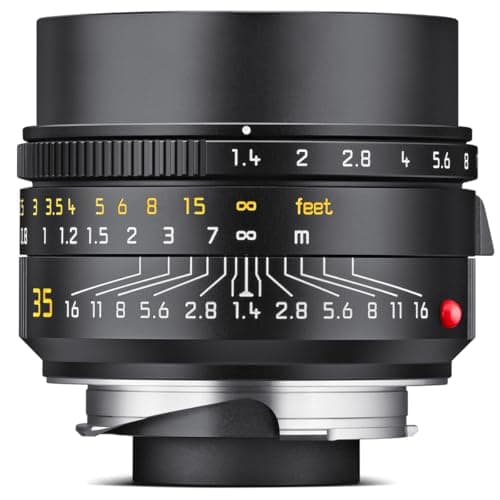 | ||
Name | Features | Price |
OM System 12-40mm F2.8 PRO II⭐ 4.9 / 5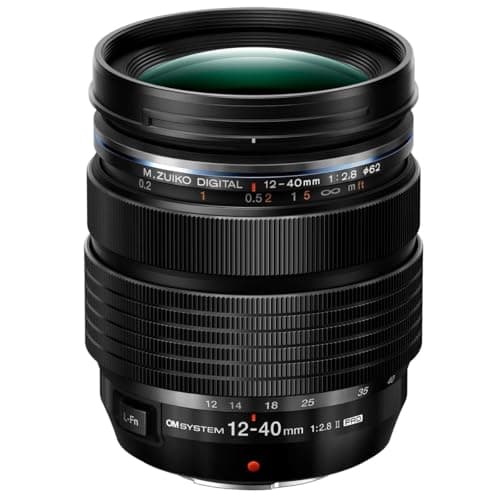 | ||
Name | Features | Price |
Fujifilm XF 18mm F1.4 R LM WR⭐ 4.9 / 5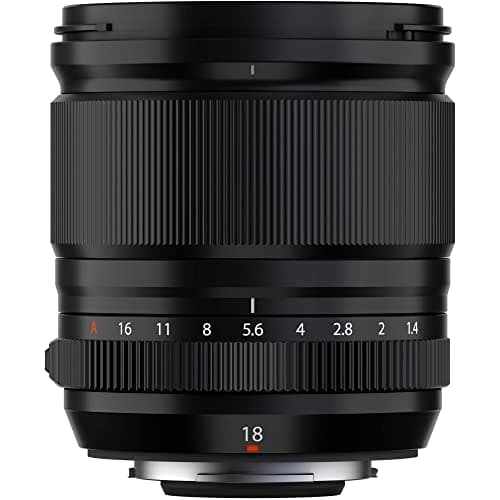 | ||
Name | Features | Price |
Leica Summicron-SL 35mm F2 ASPH⭐ 4.9 / 5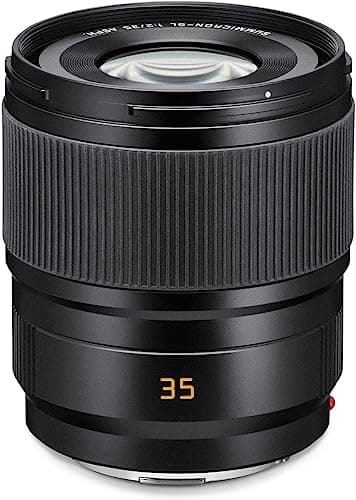 | ||
Name | Features | Price |
Canon EF 35mm F1.4L II USM⭐ 4.9 / 5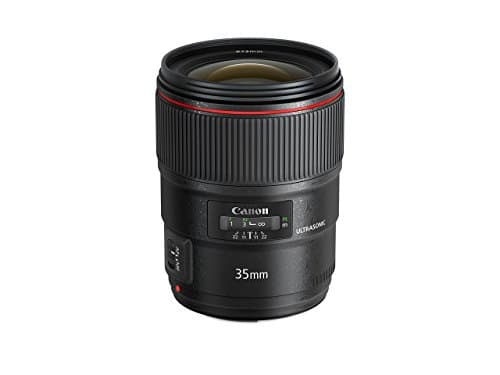 | ||
Name | Features | Price |
Fujifilm XF 23mm F1.4 R LM WR⭐ 4.9 / 5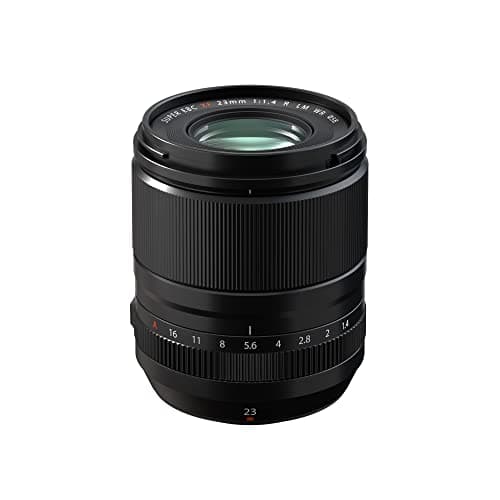 | ||
Name | Features | Price |
Sony FE 24-70mm F2.8 GM II⭐ 4.9 / 5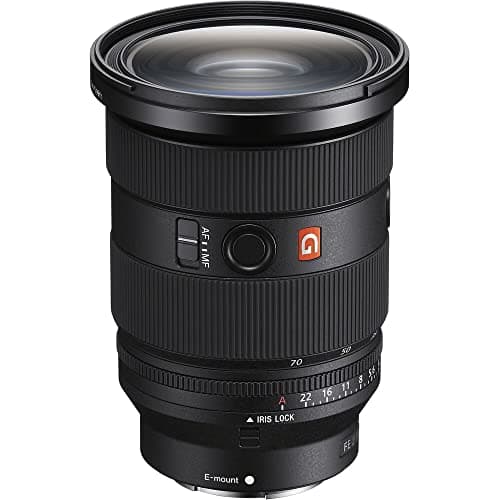 | ||
Name | Features | Price |
Leica Summicron-M 28mm F2 ASPH⭐ 4.9 / 5 | ||
Name | Features | Price |
Leica APO-Summicron-M 35mm F2 ASPH⭐ 4.9 / 5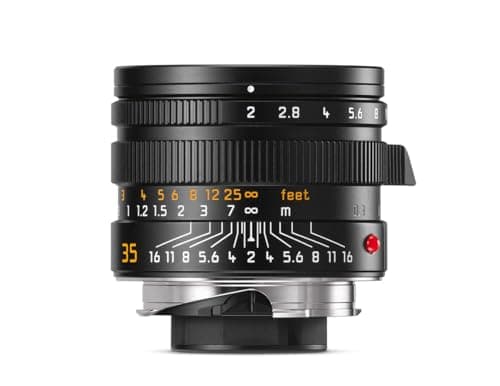 | ||
Name | Features | Price |
Nikon Nikkor Z 24-70mm F2.8 S⭐ 4.9 / 5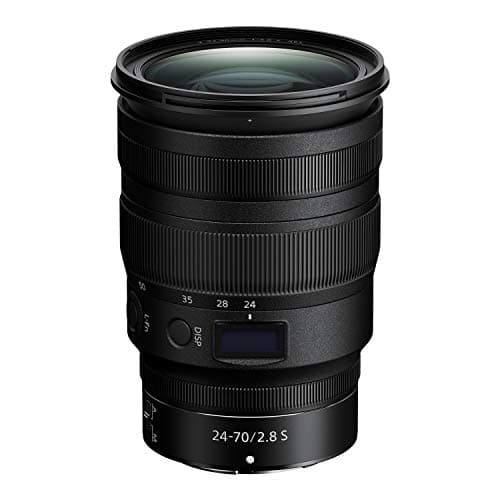 |
* Product prices and availability are accurate as of the date/time indicated and are subject to change. Any price and availability information displayed on Amazon.com at the time of purchase will apply to the purchase of this product.
* Imaginated.com may receive compensation for purchases made at participating retailers linked on this site. This compensation does not affect what products or prices are displayed, or the order of prices listed. Learn more here.
These are the best wide-angle lenses for photojournalism when you want fast, reliable autofocus, tough weather sealing, clean geometry that won’t misrepresent a scene, and flare resistance under harsh, mixed light—whether you’re covering protests, spot news, backstage politics, disasters, or quiet human moments—and here’s what to look for as you buy: prioritize speed and responsiveness (ƒ1.4–ƒ1.8 primes or constant ƒ2.8 zooms), rectilinear rendering with low wave/moustache distortion, strong wide-open performance for dawn/dusk and indoor briefs, quiet linear/STM motors that lock in low contrast, robust hoods/coatings for rain and blue lights, minimal focus breathing if you film, and front threads (77/82mm) for a single VND/clear protector; stabilization strategy matters (IS/OSS or IBIS), but you’ll often run higher shutters for motion. Full-frame zoom workhorses that live on press bodies: Sony FE 16–35mm ƒ2.8 GM II (razor AF, filter-friendly, reliable edge detail), Sony FE 12–24mm ƒ2.8 GM (when you can’t step back in a scrum), Nikon Z 14–24mm ƒ2.8 S (class-leading sharpness and ghost control with smart filter options), Nikon Z 17–28mm ƒ2.8 (lighter, all-day carry), Canon RF 15–35mm ƒ2.8L IS USM (sticky AF, IS for handheld briefs), Canon RF 14–35mm ƒ4L IS (compact range for travel desks), Sigma 14–24mm ƒ2.8 DG DN Art (pro value with consistent corners), and Tamron 17–28mm ƒ2.8 (featherweight sprint lens). Prime heroes when a small, fast lens is the difference between getting the frame and not: Sony FE 24mm ƒ1.4 GM (storytelling classic with punchy micro-contrast), FE 20mm ƒ1.8 G (tight interiors and street context), FE 35mm ƒ1.4 GM (borderline wide but indispensable for people-first news), Nikon Z 20mm ƒ1.8 S and Z 24mm ƒ1.8 S (neutral color, tidy edges), Canon RF 24mm ƒ1.8 Macro IS and RF 35mm ƒ1.8 IS (close-focus for detail cutaways; IS helps at slower shutters), Sigma 20mm ƒ1.4 and 24mm ƒ1.4 DG DN Art (modern flare resistance and crispness at ƒ1.8–ƒ2), and Laowa 15mm ƒ2 Zero-D for intentional, honest ultra-wide perspective when space vanishes. APS-C standouts for lightweight bureaus and second bodies: Sony E 10–20mm ƒ4 PZ (tiny, internal zoom, good on gimbals), Sony E 11mm ƒ1.8 and E 15mm ƒ1.4 G (fast with Animal/Human Eye AF for chaotic scenes), Fujifilm XF 10–24mm ƒ4 R OIS WR (stabilized, weather-sealed), XF 8–16mm ƒ2.8 (pro ultra-wide for arena pits), XF 16mm ƒ1.4 (beloved 24-eq prime), and Canon RF-S 10–18mm (compact travel desk option); value primes like Samyang 12mm ƒ2 and Sigma 16mm ƒ1.4 DC DN deliver in a pinch. Micro Four Thirds picks for ultralight field kits: OM SYSTEM 8–25mm ƒ4 Pro and 7–14mm ƒ2.8 Pro, Panasonic 8–18mm ƒ2.8–4, and Panasonic Leica 10–25mm ƒ1.7 (zoom-prime look with excellent manual feel). Practical buyer tips: standardize front diameters (77/82mm) for one VND/clear protector; skip CPLs around glossy uniforms or LED walls unless you’re specifically killing glare; chase lenses with strong hoods and nano coatings for strobes and police lights; if you’re hybrid, test breathing and AF smoothness (Sony 16–35 GM II and Sigma 14–24 DN behave nicely) and enable linear MF where supported; keep firmware current for tracking improvements and breathing compensation. Field technique that keeps pictures honest and sharp: work Manual or T/Av with Auto-ISO and a ceiling suited to your outlet’s noise tolerance, lock motion at ~1/250–1/500s for moving crowds (1/1000s+ for surges), ride exposure comp for backlit speeches, and trust the histogram over the LCD; keep the camera level to avoid unintentional keystone that dramatizes scale, place faces near the central third to protect proportions at 16–24mm, and step back to ~24–28mm for natural lines; brace against posts and use elbows for stability, fire short bursts to land a tack frame, and pre-focus to infinity for skyline context; for video, set a sensible shutter angle (~1/100–1/125s at 24/25p under LED), enable IBIS/IS sparingly to avoid wobble, and keep audio clean; always respect subjects and scene integrity—wide angle is powerful but should clarify, not distort, the story. Whether you’re filing from flood lines, courthouse steps, campaign buses, or late-night neighborhoods, the best wide-angle lenses for photojournalism combine low distortion, fast, confident AF, weather-tough builds, and flare-savvy optics—so your frames stay truthful, sharp, and immersive under pressure.
Lenses by brand:
Lenses by price:
Lenses by type:
Lenses by sensor:
Lenses by feature:
Lenses by use case:
- Best Wide-Angle Lenses for Architectural Photography
- Best Wide-Angle Lenses for Astrophotography
- Best Wide-Angle Lenses for Automotive Photography
- Best Wide-Angle Lenses for Cityscape Photography
- Best Wide-Angle Lenses for Concert Photography
- Best Wide-Angle Lenses for Event Photography
- Best Wide-Angle Lenses for Fashion Photography
- Best Wide-Angle Lenses for Food Photography
- Best Wide-Angle Lenses for Landscape Photography
- Best Wide-Angle Lenses for Macro Photography
- Best Wide-Angle Lenses for Nature Photography
- Best Wide-Angle Lenses for Night Photography
- Best Wide-Angle Lenses for Pet Photography
- Best Wide-Angle Lenses for Photojournalism
- Best Wide-Angle Lenses for Portrait Photography
- Best Wide-Angle Lenses for Product Photography
- Best Wide-Angle Lenses for Real Estate Photography
- Best Wide-Angle Lenses for Sports Photography
- Best Wide-Angle Lenses for Street Photography
- Best Wide-Angle Lenses for Travel Photography
- Best Wide-Angle Lenses for Underwater Photography
- Best Wide-Angle Lenses for Wedding Photography
- Best Wide-Angle Lenses for Wildlife Photography
- Best Wide-Angle Lenses for Video
Lenses by experience:
Cameras: