
Best Wide-Angle Lenses with Bokeh in 2026
Filters:
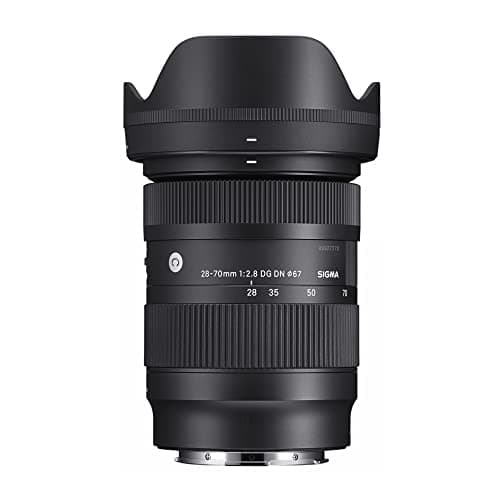
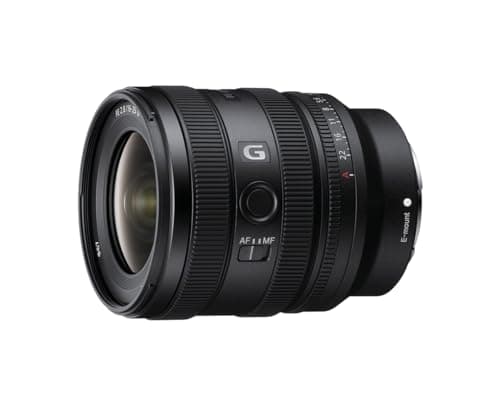
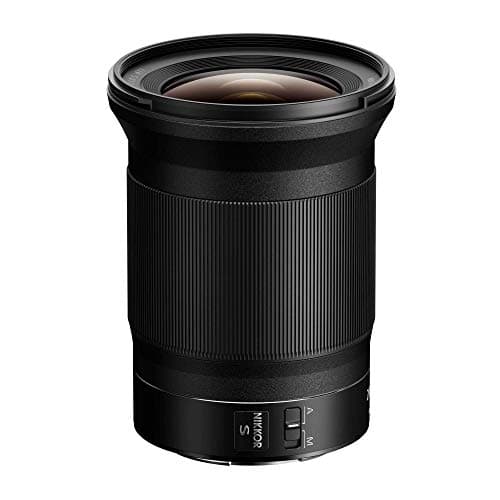
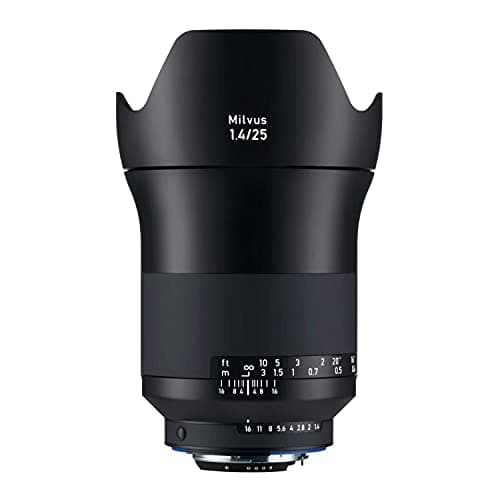
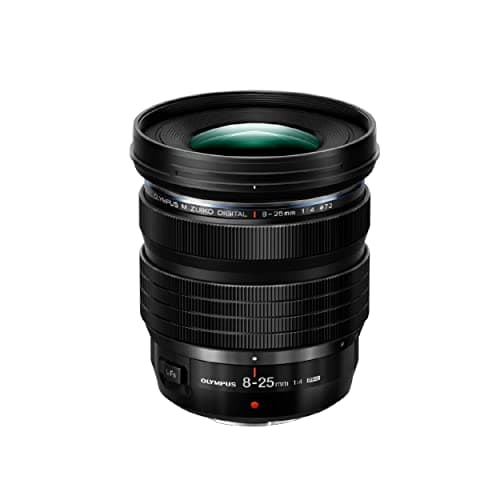
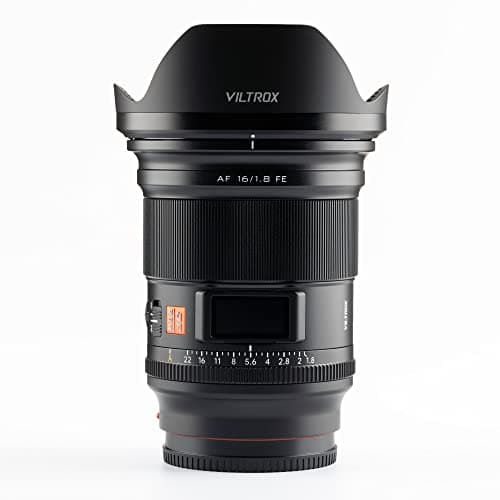
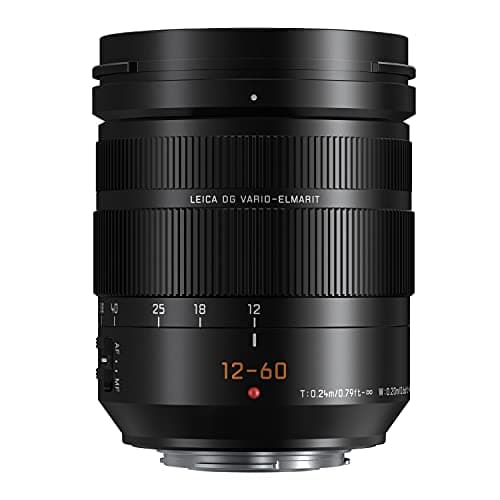
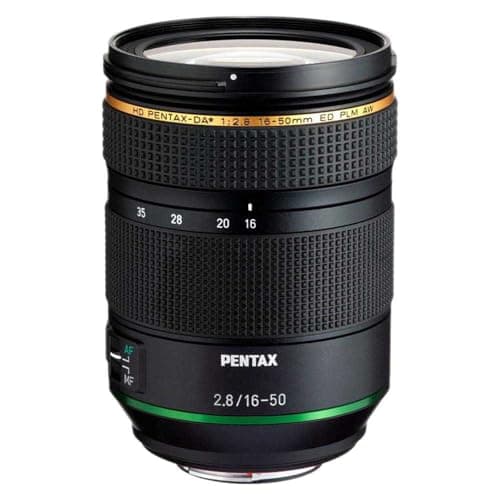
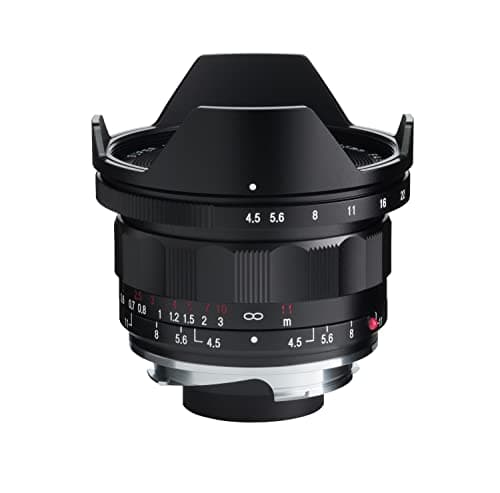
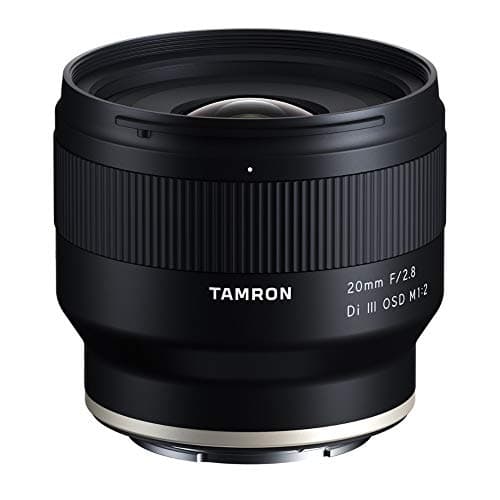
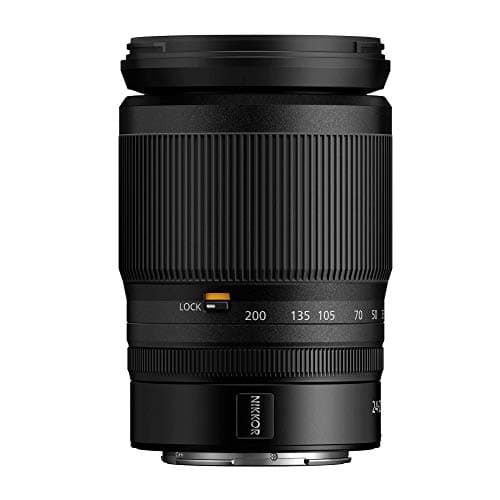
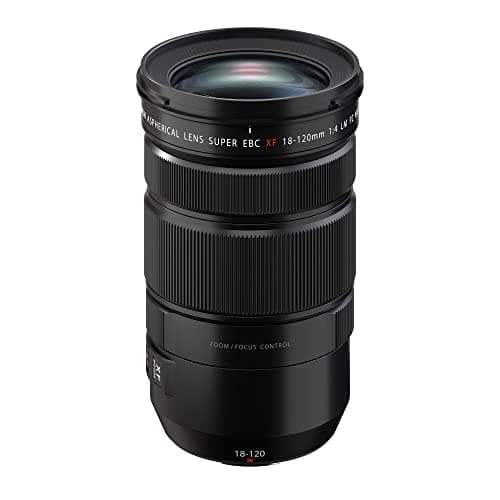
-primary-image.jpg&w=3840&q=75)
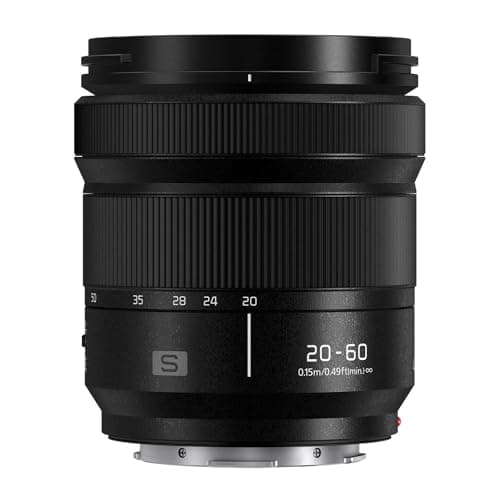
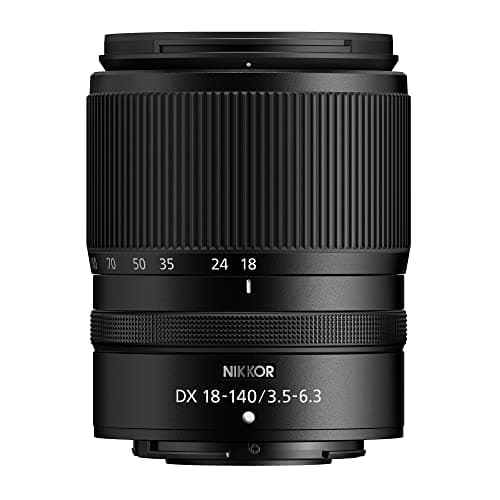
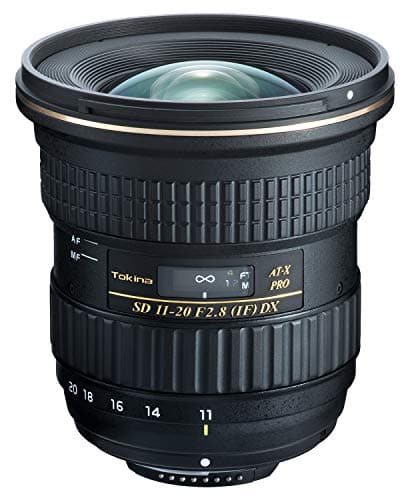
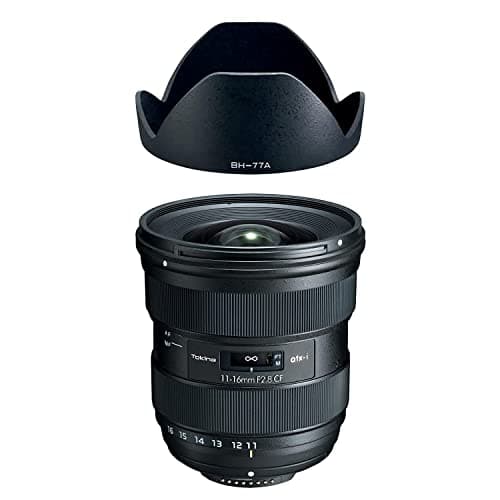
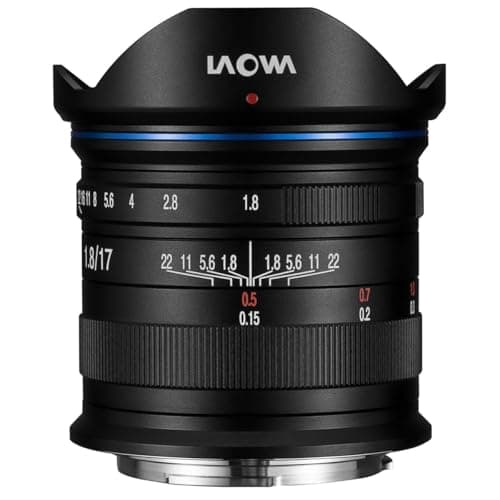
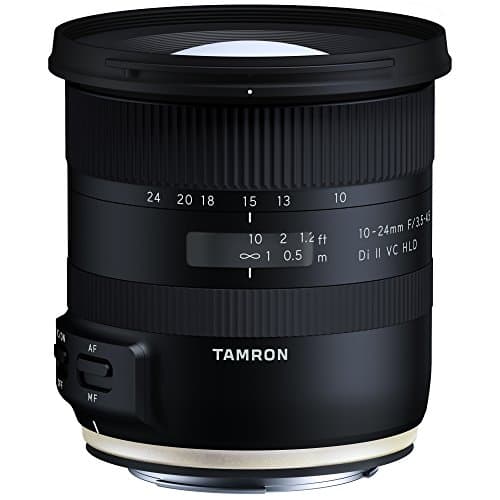
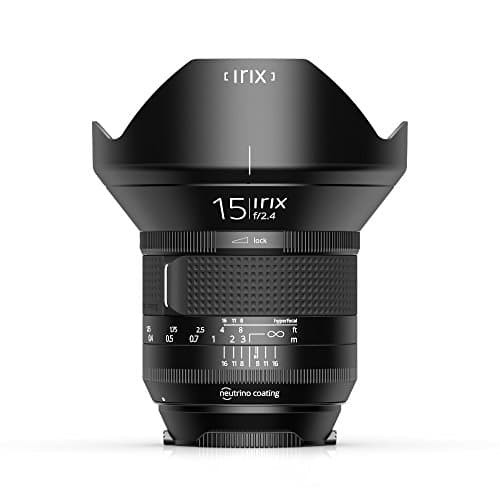
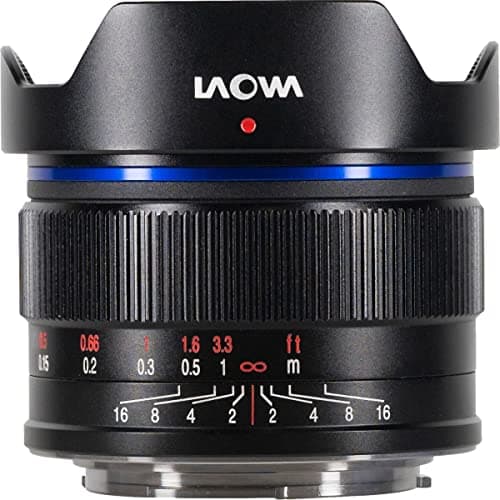
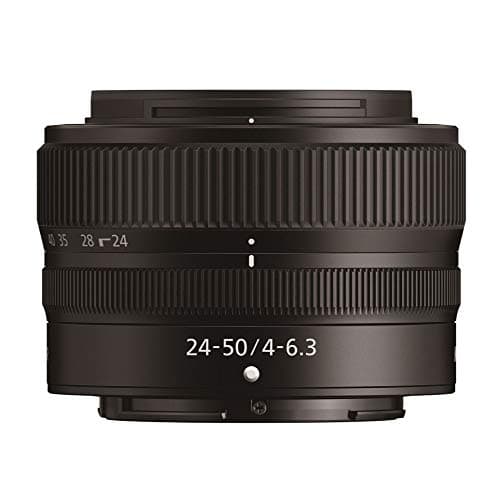
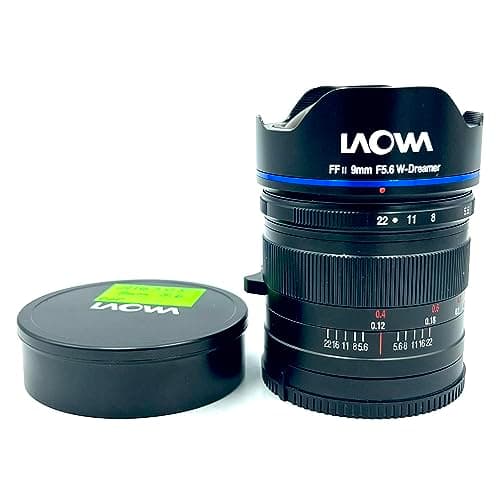
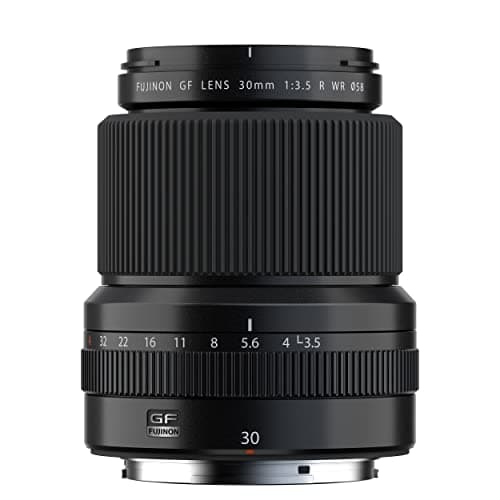
* Product prices and availability are accurate as of the date/time indicated and are subject to change. Any price and availability information displayed on Amazon.com at the time of purchase will apply to the purchase of this product.
* Imaginated.com may receive compensation for purchases made at participating retailers linked on this site. This compensation does not affect what products or prices are displayed, or the order of prices listed. Learn more here.
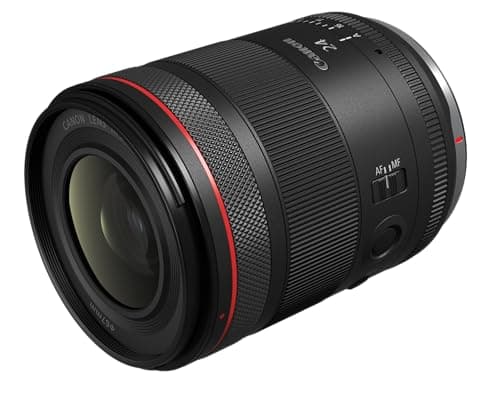
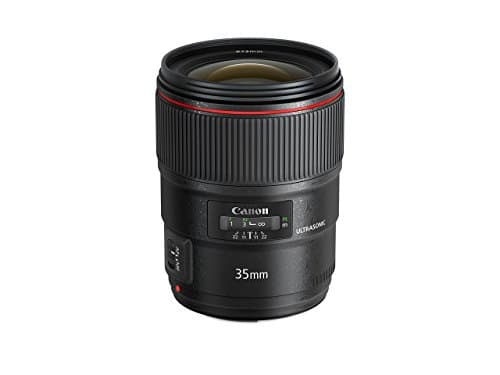
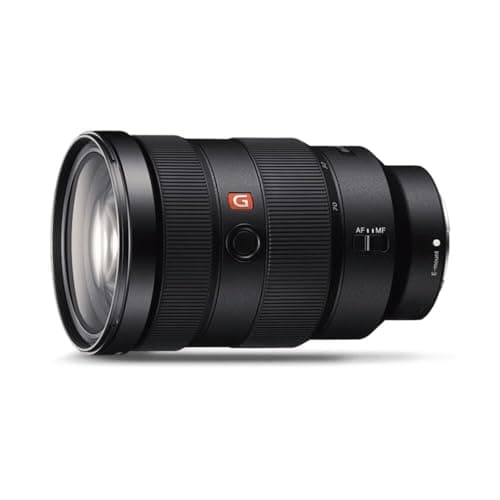
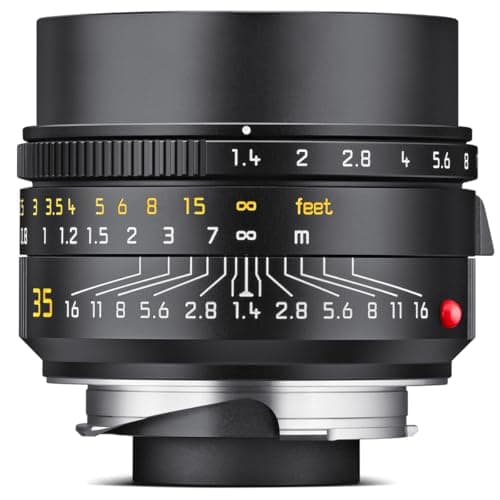
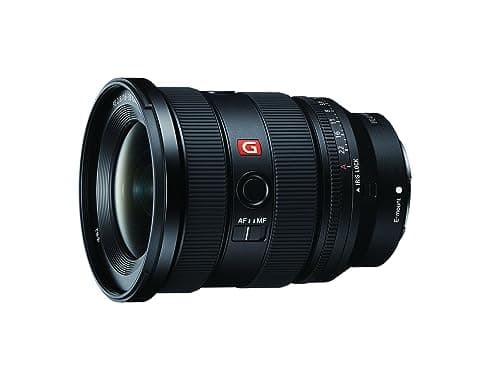
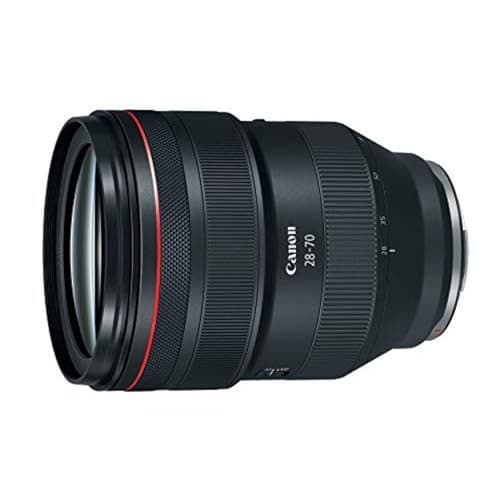
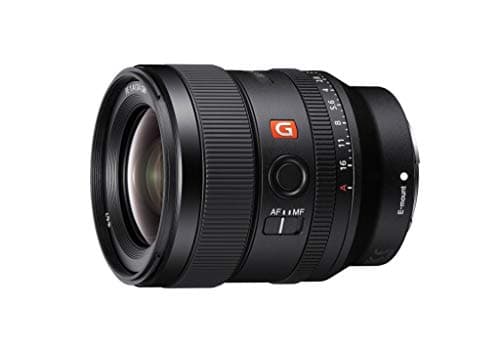
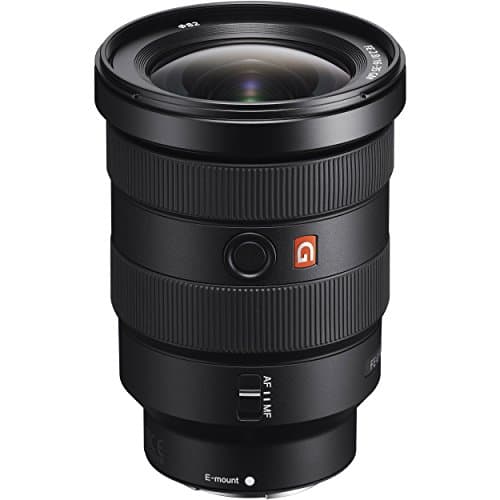
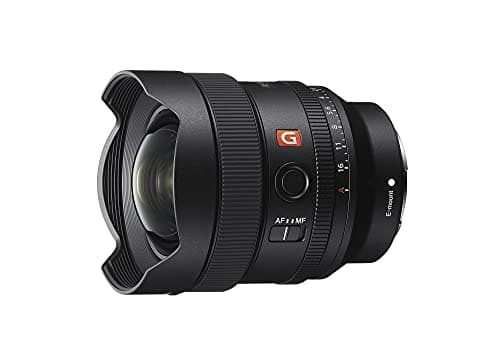
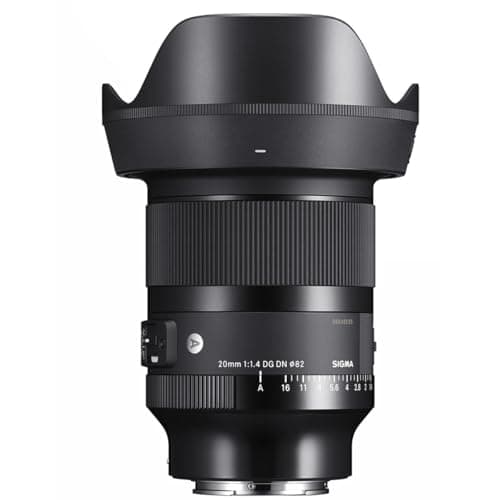
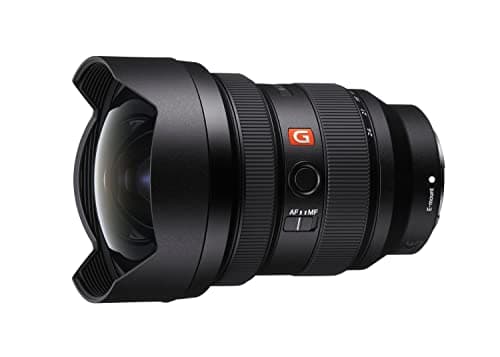
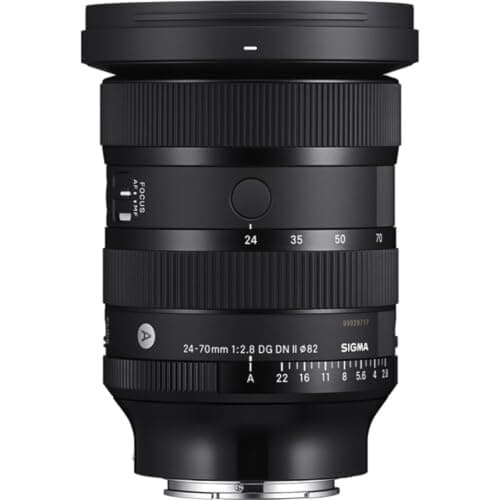
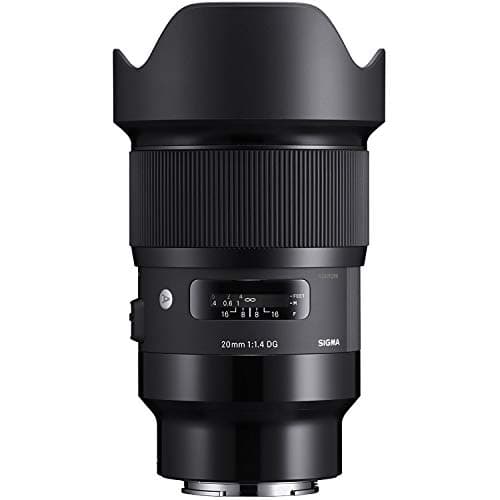
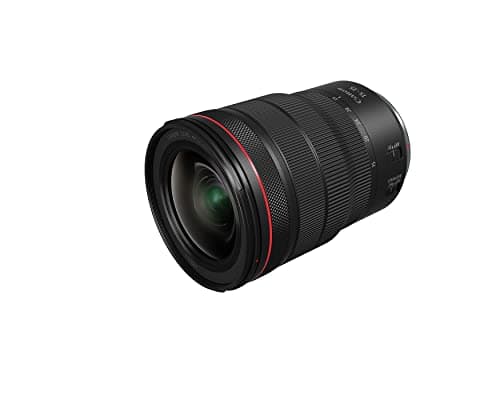
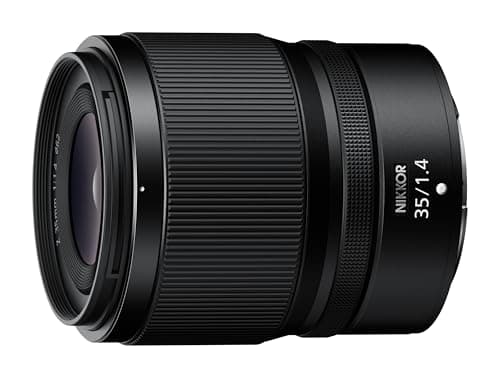
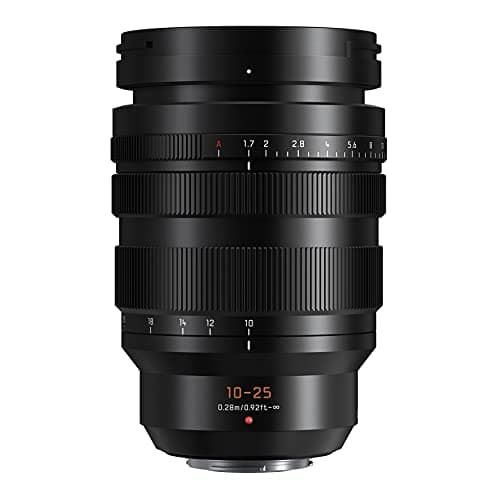
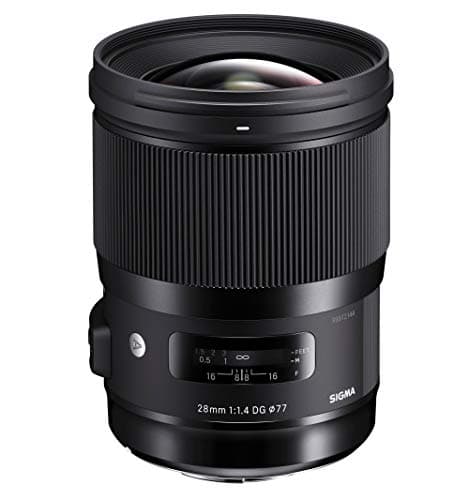
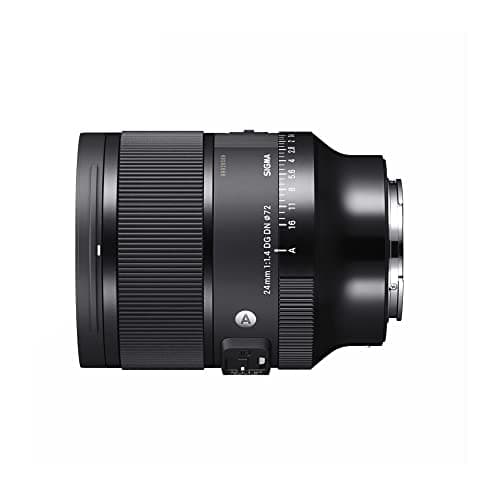
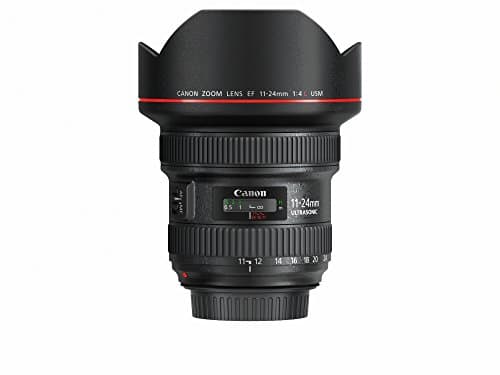
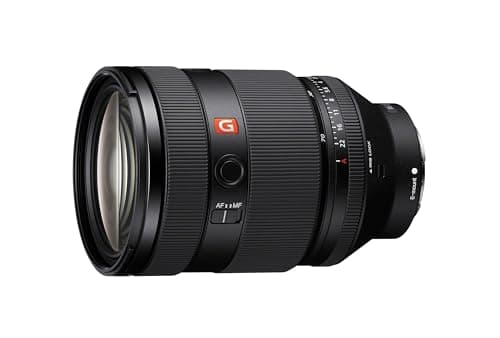
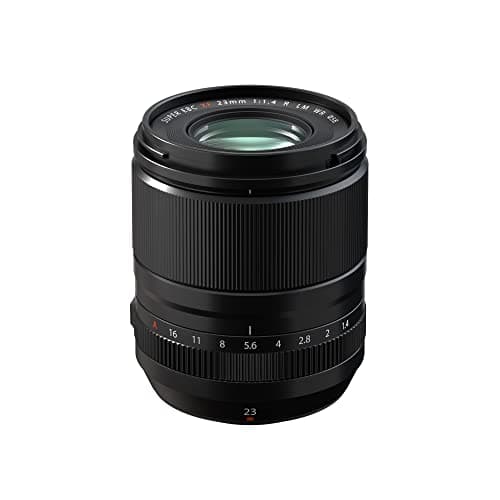
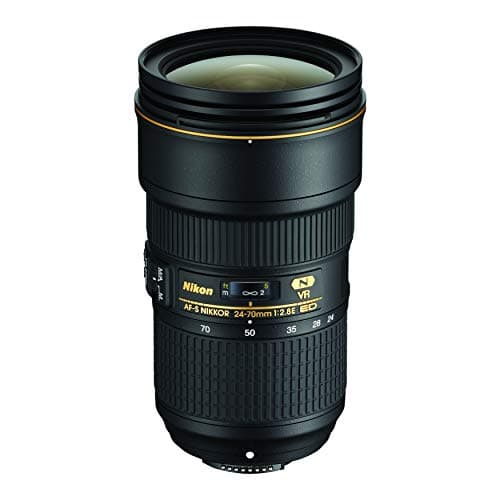
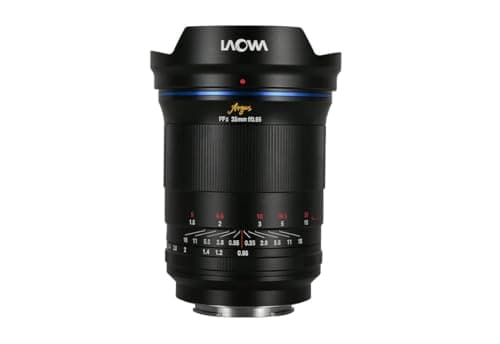
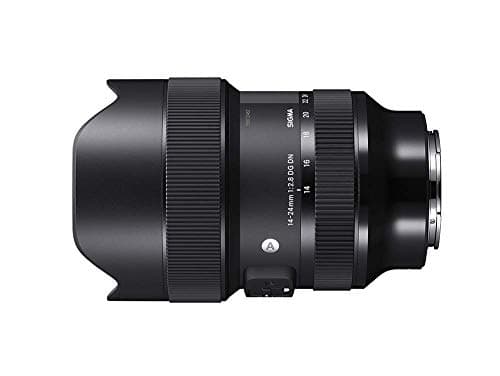
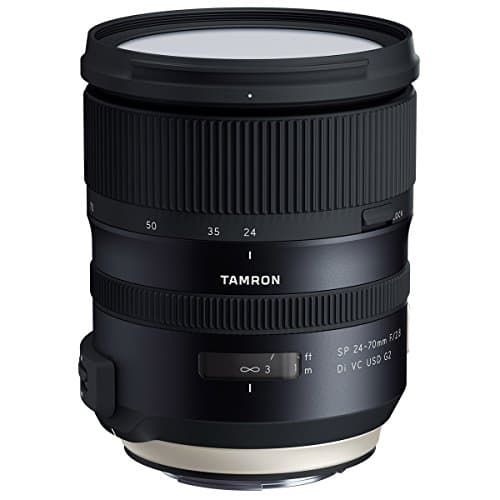
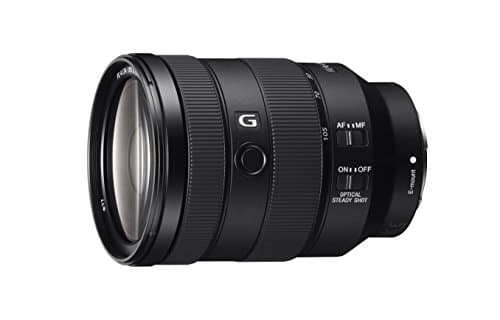
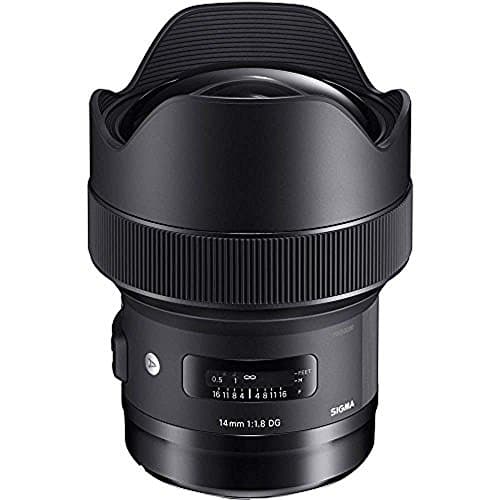
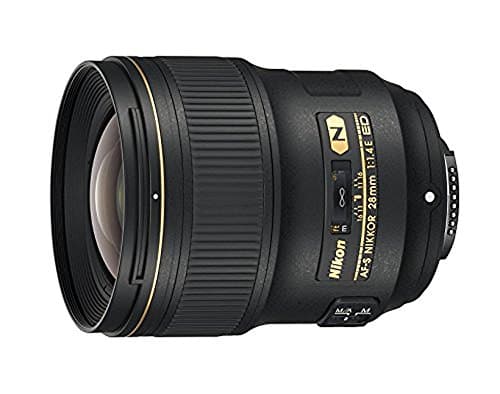
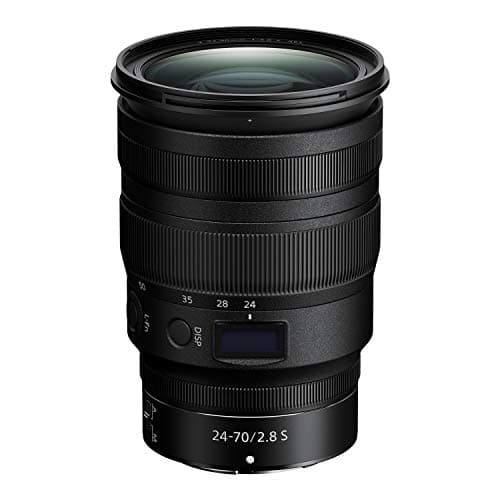
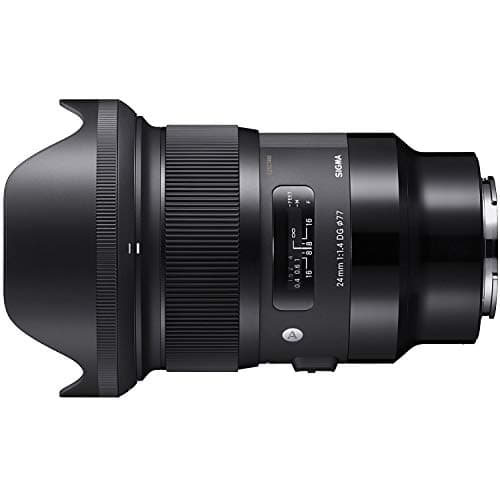
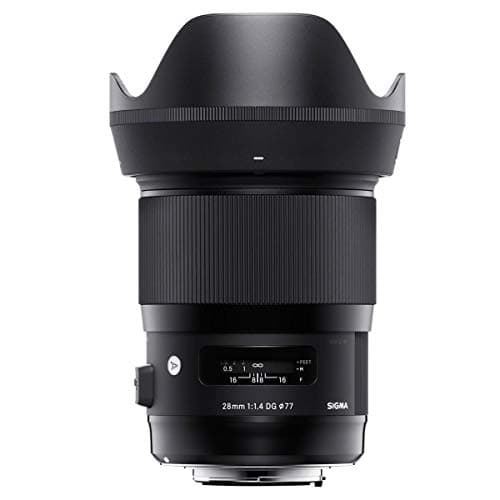
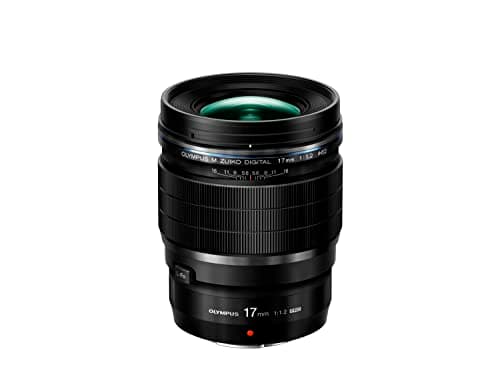
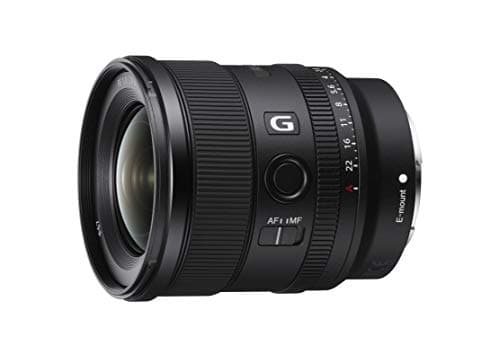
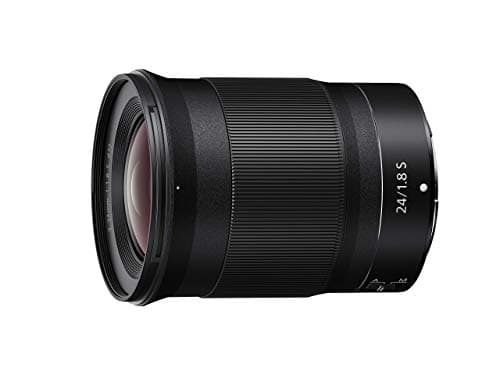
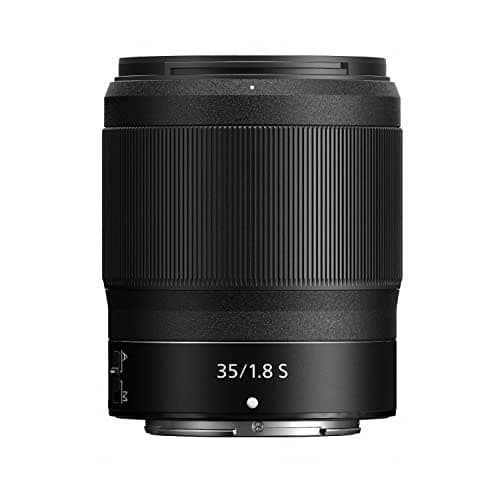
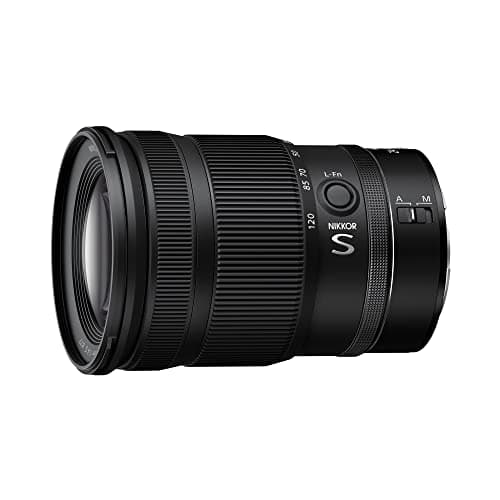
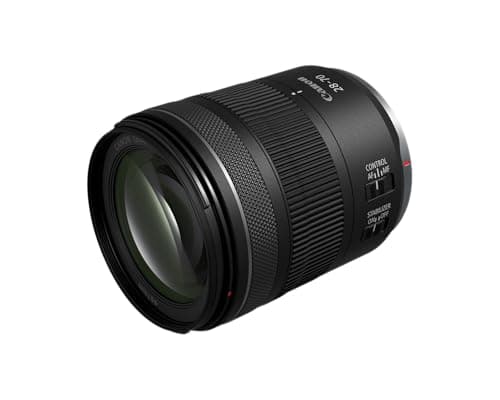
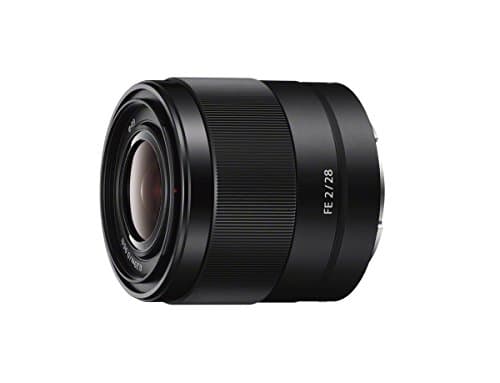
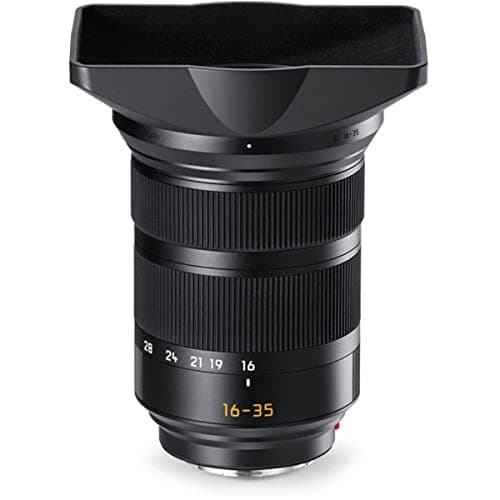
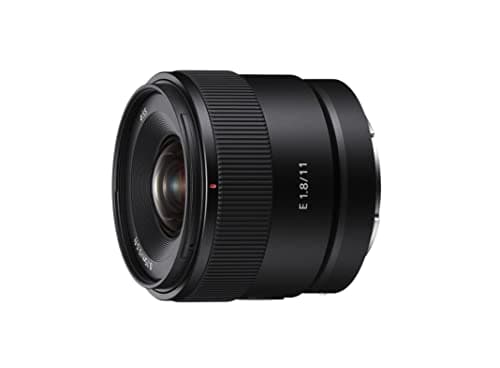
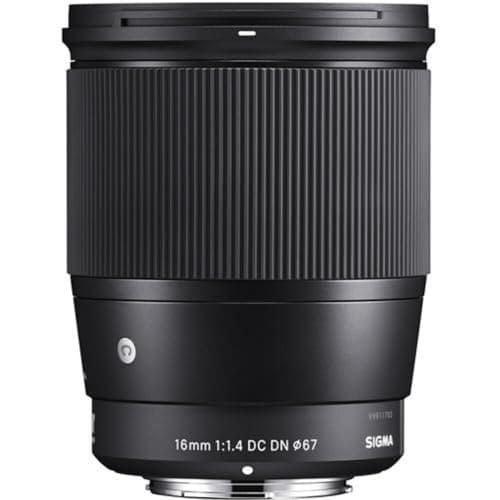
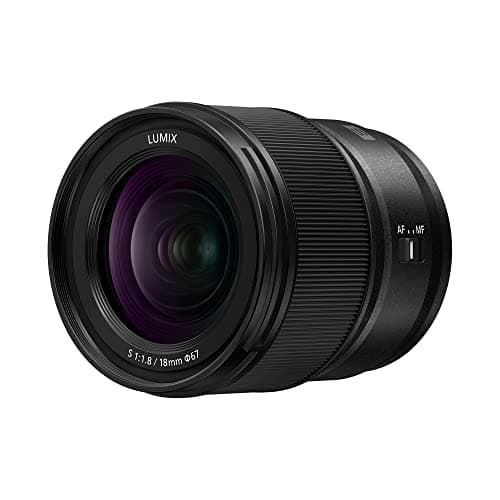
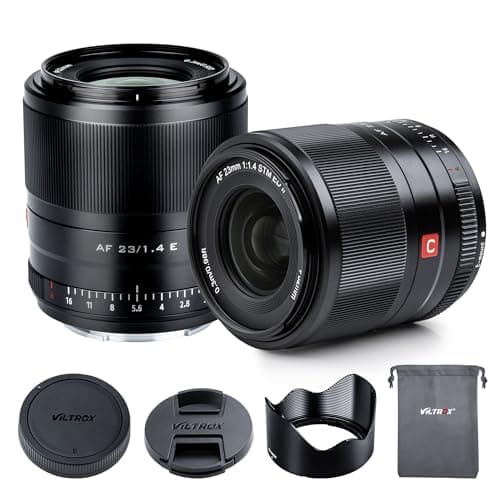
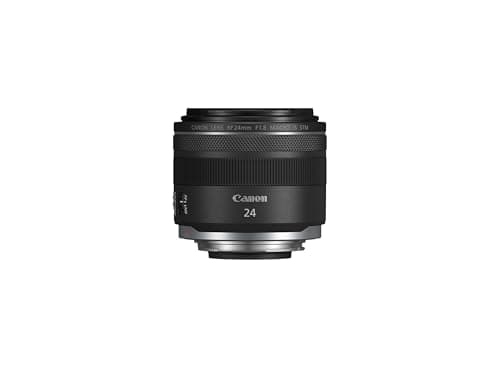
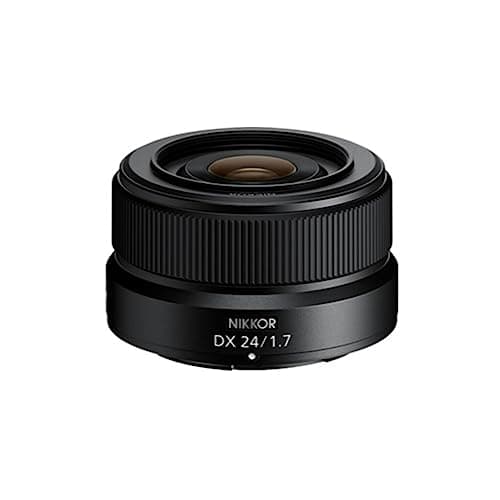
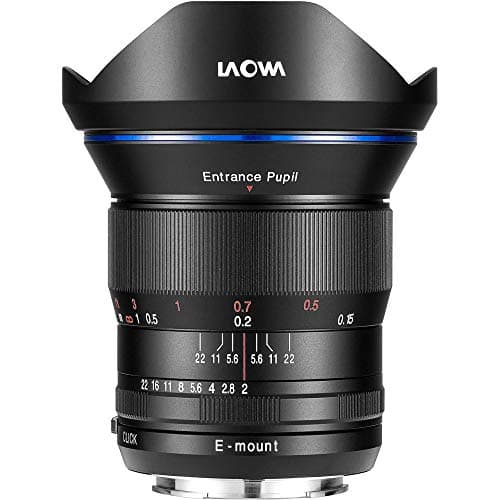
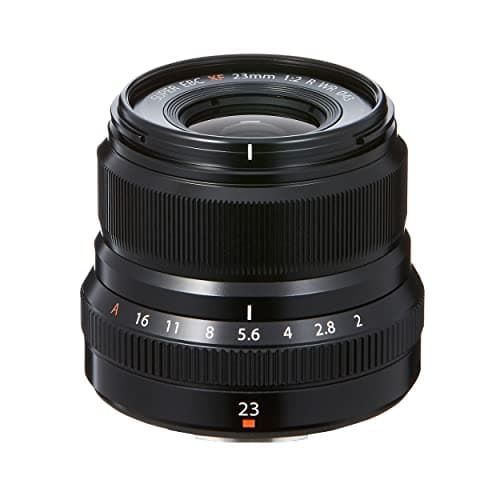
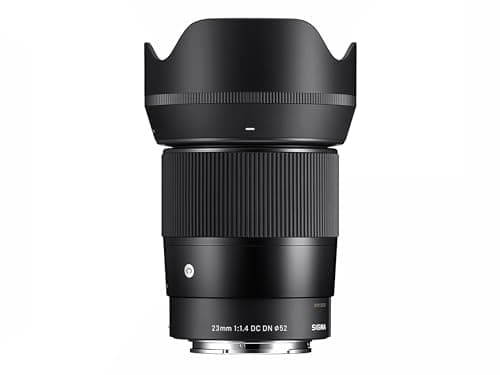
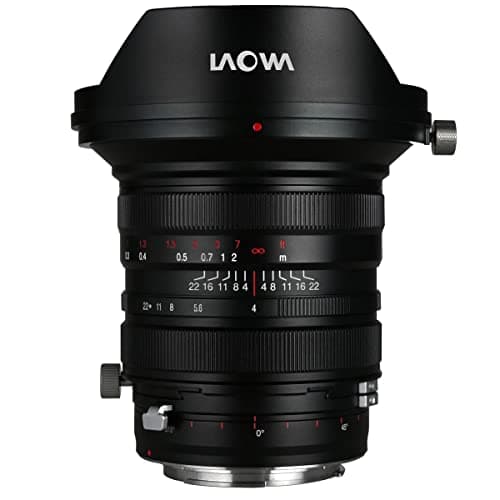
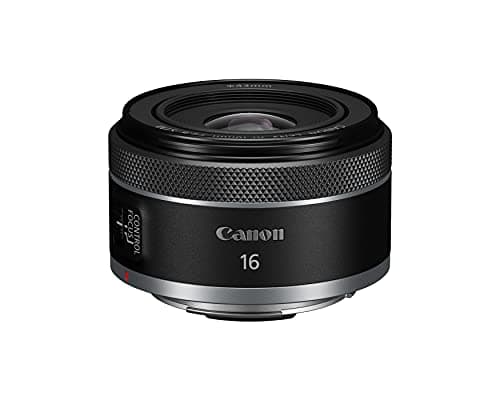
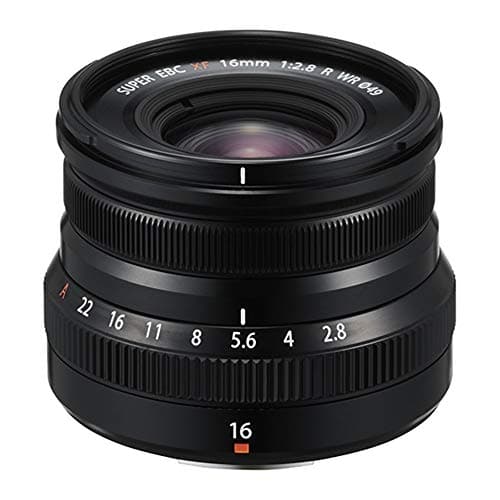
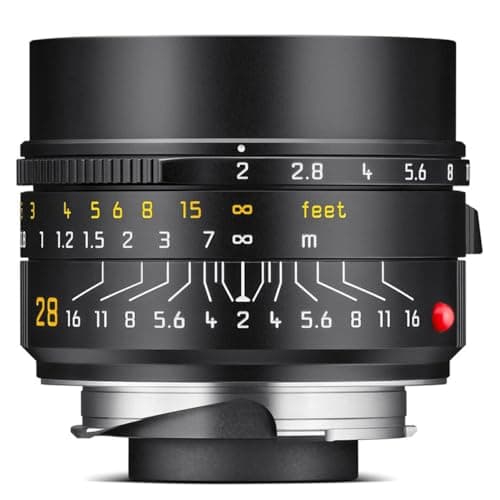
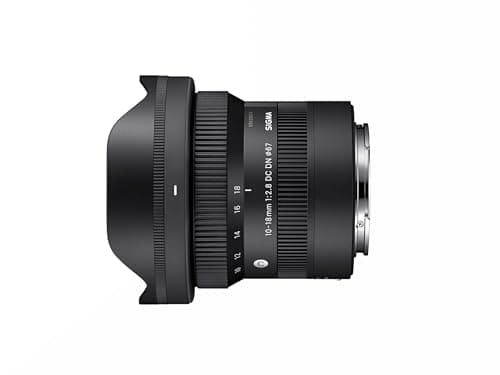
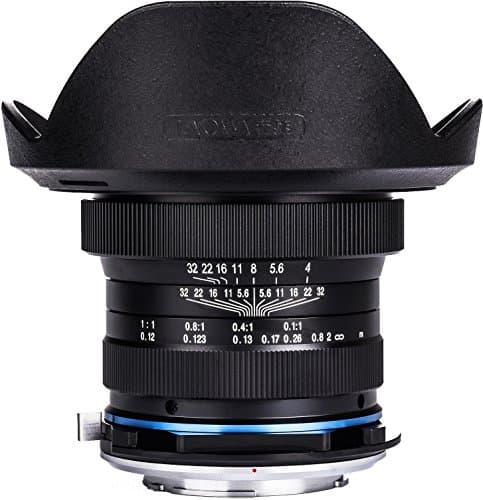
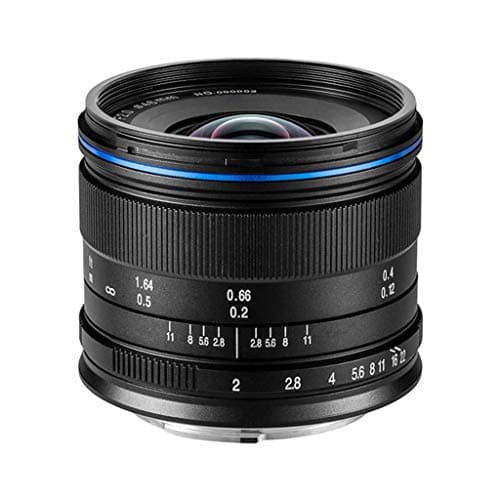
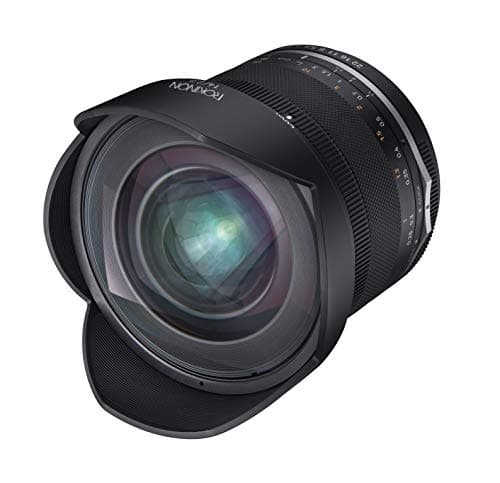
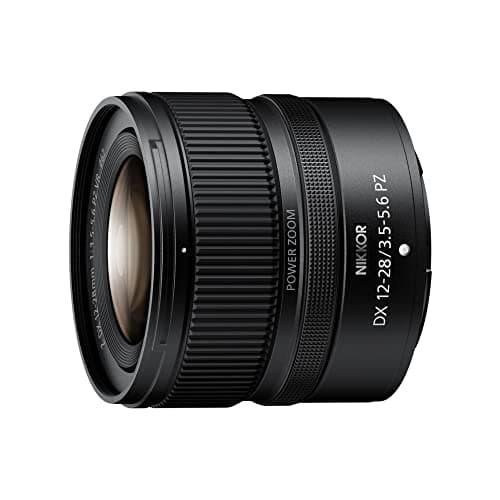
These are the best wide-angle lenses for bokeh when you want creamy subject separation, smooth highlight balls, and rich micro-contrast in environmental portraits, weddings, street, food, interiors with foreground blur, and astro foregrounds—without nervous onion rings or cat-eye clipping—and here’s what to look for as you buy: prioritize fast apertures (ƒ1.2–ƒ1.8 for primes), close-focus capability to amplify blur at the same framing, rounded diaphragms that stay circular 1–2 stops down, well-behaved aspherics (minimize onion-ring texture), low longitudinal CA so speculars don’t fringe magenta/green, controlled mechanical vignetting to reduce cat-eye edges, and minimal focus breathing if you film; 24–35mm is the sweet spot for “wide with melt,” 20–24mm gives dramatic context with blur if you get close, and 28–35mm delivers classic environmental portraits with buttery transitions. Full-frame standouts—Sony: FE 24mm ƒ1.4 GM (creamy, disciplined speculars, close focus), FE 35mm ƒ1.4 GM (silky transitions, fast AF), FE 20mm ƒ1.8 G (shockingly smooth for an ultra-wide), Sigma 35mm ƒ1.2 DG DN Art (maximum blur with elegant rendering), Sigma 24mm ƒ1.4 DG DN and 20mm ƒ1.4 DG DN (fast, filterable, attractive bokeh), Sigma 28mm ƒ1.4 Art (underrated painterly look); Canon RF: RF 35mm ƒ1.4 L VCM (modern bokeh with crisp micro-contrast), RF 24mm ƒ1.8 Macro IS and RF 35mm ƒ1.8 Macro IS (0.5×/close-focus “macro-ish” blur monsters in tiny rooms), RF 16mm ƒ2.8 STM for stylized close-up blur on a budget; Nikon Z: Z 35mm ƒ1.4 (pleasing falloff, value), Z 35mm ƒ1.8 S and Z 24mm ƒ1.8 S (clean, neutral bokeh), adapted F 28mm ƒ1.4E (gorgeous environmental melt); L-mount: Panasonic S 35mm ƒ1.8 and S 24mm ƒ1.8 (matched color, smooth out-of-focus), Sigma 35mm ƒ1.2/24mm ƒ1.4/20mm ƒ1.4 DG DN (fast, tasteful highlights). APS-C gems: Sony 15mm ƒ1.4 G (close focus, round highlights), Sony 11mm ƒ1.8 (dramatic wide-close blur), Sigma 16mm ƒ1.4 DC DN (beloved creamy look), Viltrox 23mm/27mm/33mm ƒ1.4 (budget-friendly melt); Fujifilm: XF 16mm ƒ1.4 (characterful blur with near-macro focus), XF 18mm ƒ1.4 (crisp yet gentle rolloff), XF 23mm ƒ1.4 (wide-normal portrait king), XF 16mm ƒ2.8 for light kits; Canon RF-S: Viltrox 13mm ƒ1.4 RF and RF 22mm ƒ2 (close-up context), Nikon Z DX: Viltrox 13mm ƒ1.4 Z, plus Z 24/1.7 (on DX becomes a dreamy 36-eq). Micro Four Thirds stunners: Panasonic Leica 9mm ƒ1.7 (near-macro, big blur up close), OM SYSTEM 17mm ƒ1.2 PRO (feathered bokeh design with lovely transitions), Panasonic Leica 15mm ƒ1.7 (small, smooth), Laowa 10mm ƒ2 and 7.5mm ƒ2 (manual, characterful close-ups). Practical buyer tips: for the most melt on wide angles, prioritize close-focus primes and work near minimum distance; 24/1.4 and 35/1.4 are the safest “wide-bokeh” bets for people, while 20/1.8/18/1.4 create dramatic context if you get close and keep backgrounds far; check blade count/shape (11-blade designs keep roundness), avoid busy backgrounds of tiny speculars that trigger onion-ring texture, and consider mild diffusion filters if you like glow; used DSLR legends (EF 24/1.4L II, F 28/1.4E, Sigma 35/1.4 Art) adapt beautifully for budget bokeh. Wide-bokeh shooting tips: get close to your subject and far from the background (distance ratio matters more than focal length), shoot near wide open then stop 1/3–2/3 stop for eyelash-sharp focus with creamy edges, mind edge cats-eye—reframe or stop slightly to round highlights, place subjects away from clutter so the blur reads clean, use a slim ND to stay at wide apertures in daylight, backlight for luminous rims and let highlights clip gracefully, and for video choose lenses with quiet linear AF and low breathing; whether you’re making intimate environmental portraits, dreamy street layers, moody food close-ups, or wide-close travel scenes, the best wide-angle bokeh lenses combine fast apertures, close-focus prowess, and disciplined aberration control—so your images feel airy, dimensional, and beautifully separated even at wide fields of view.
Lenses by brand:
Lenses by price:
Lenses by type:
Lenses by sensor:
Lenses by feature:
Lenses by use case:
Lenses by experience:
Cameras: