
10 Best Prime Lenses Under $1000 in 2026
Filters:
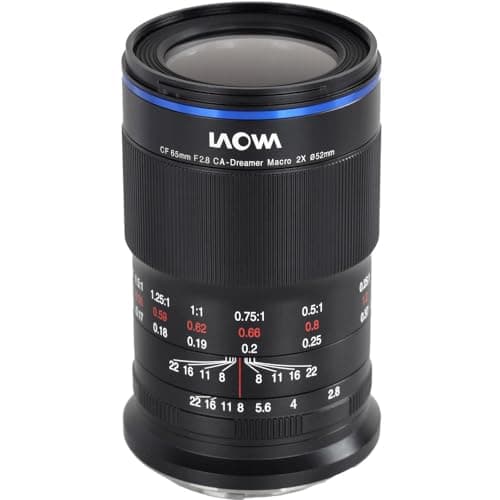
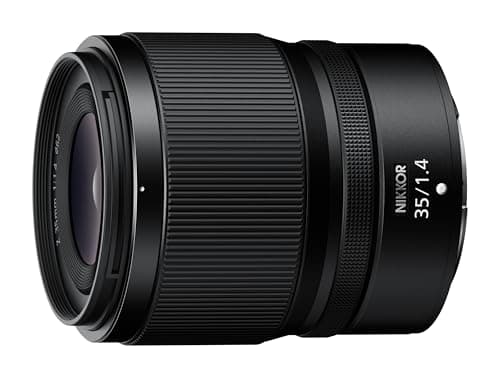
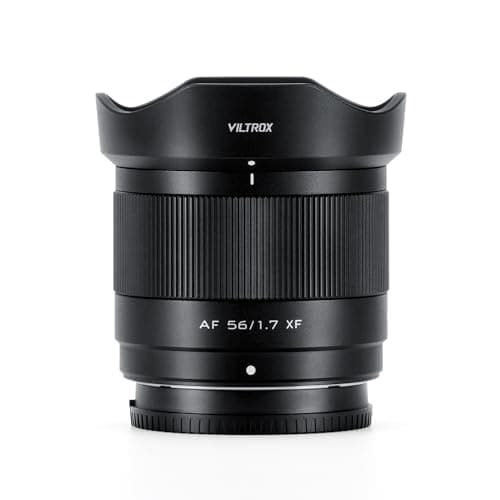
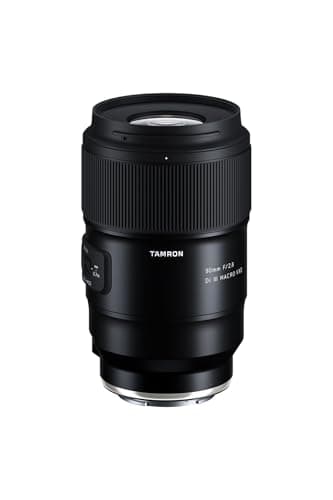
* Product prices and availability are accurate as of the date/time indicated and are subject to change. Any price and availability information displayed on Amazon.com at the time of purchase will apply to the purchase of this product.
* Imaginated.com may receive compensation for purchases made at participating retailers linked on this site. This compensation does not affect what products or prices are displayed, or the order of prices listed. Learn more here.
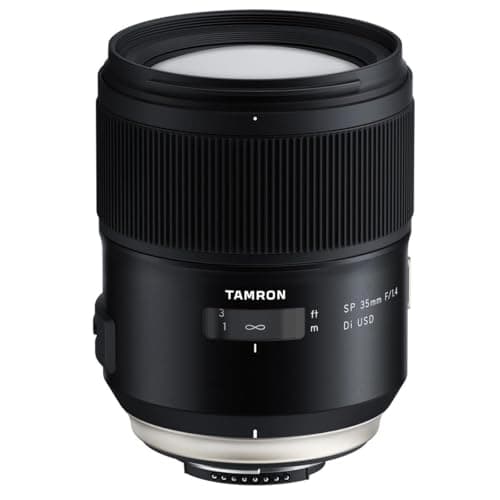
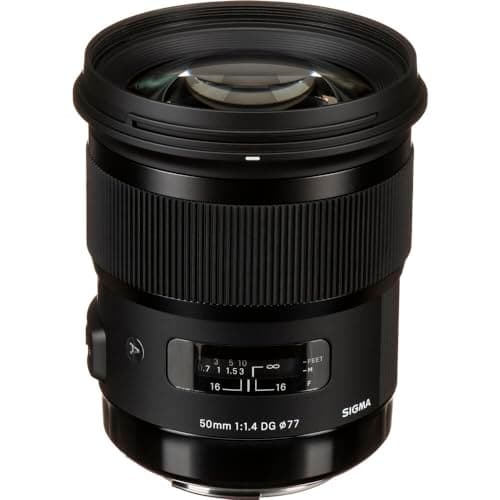
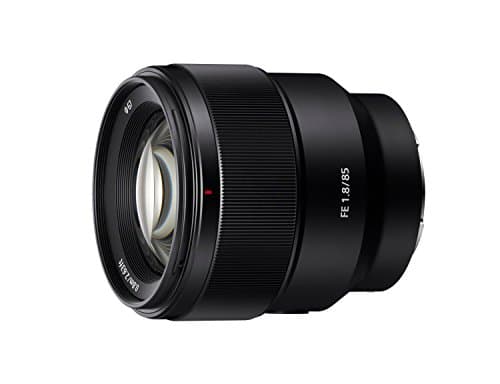
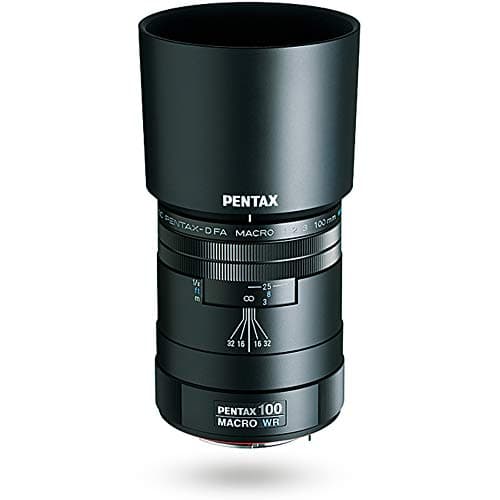
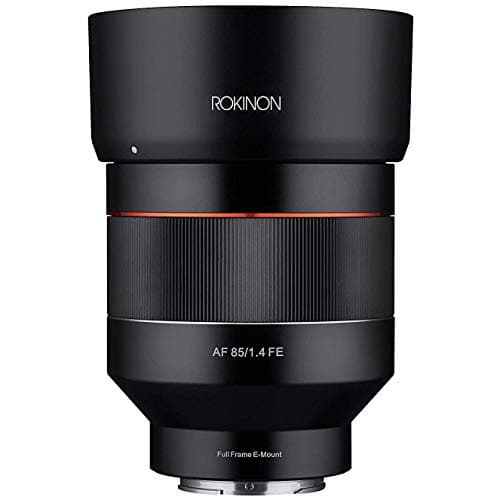
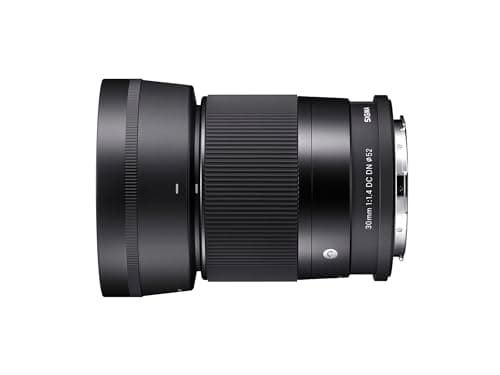
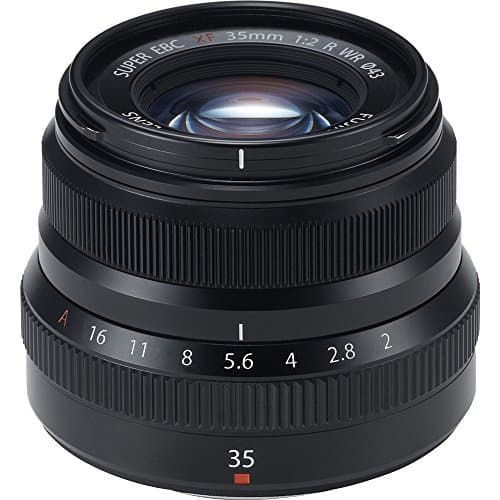
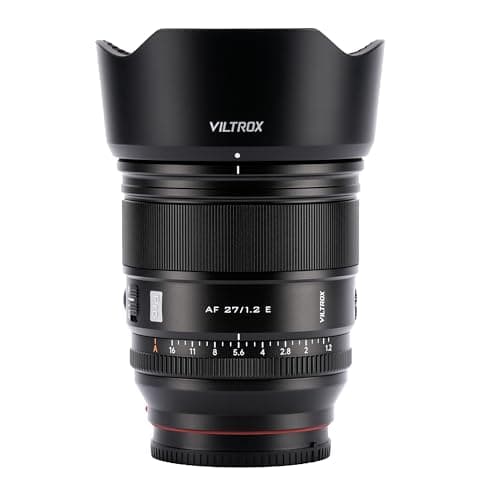
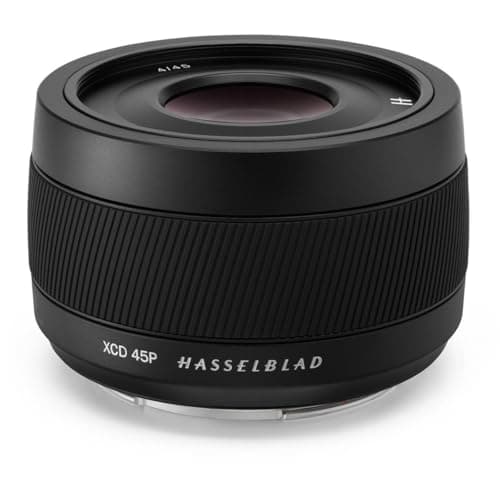
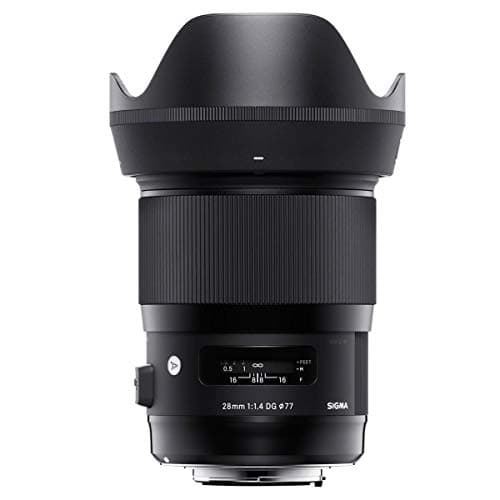
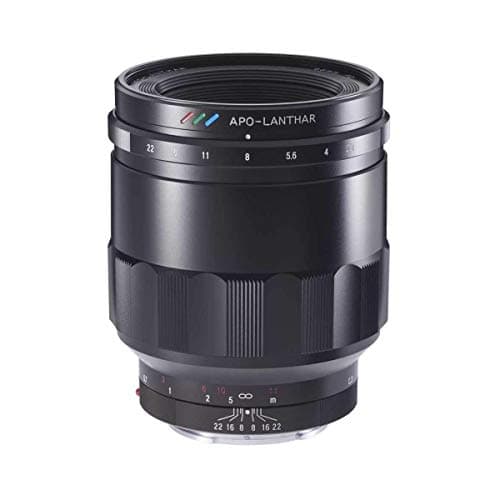
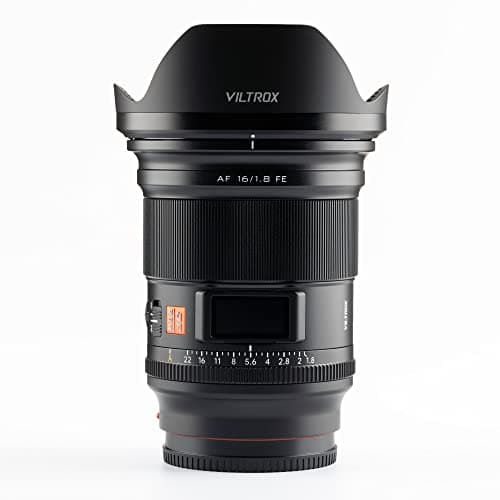
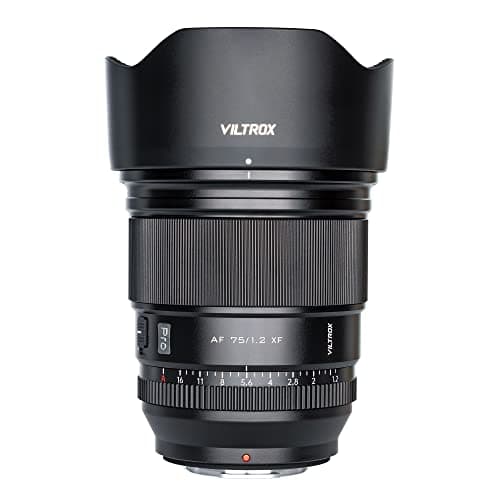
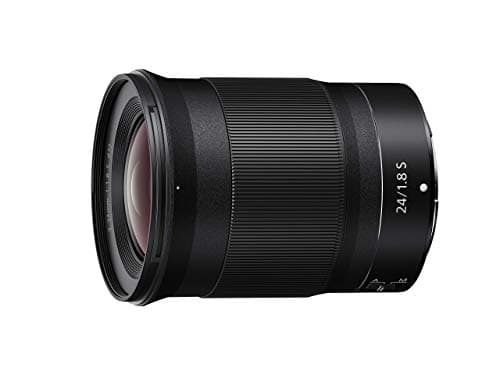
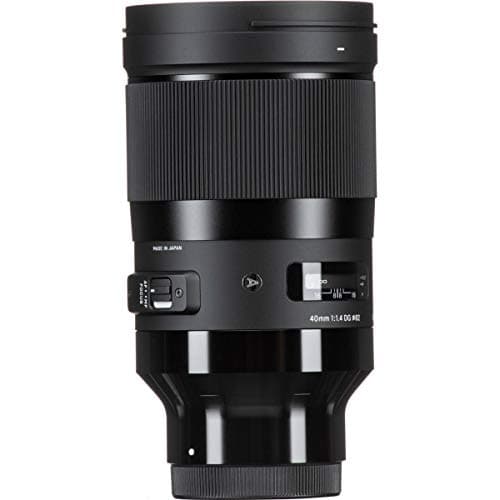
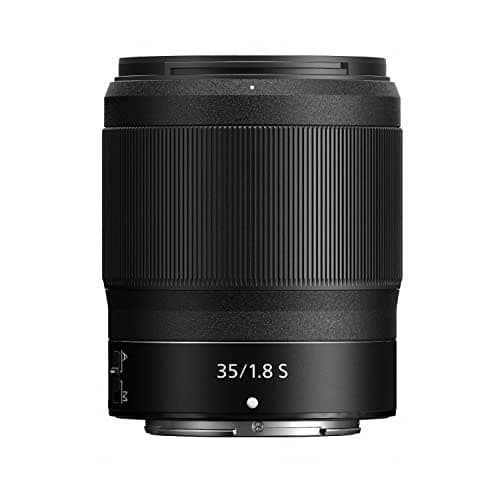
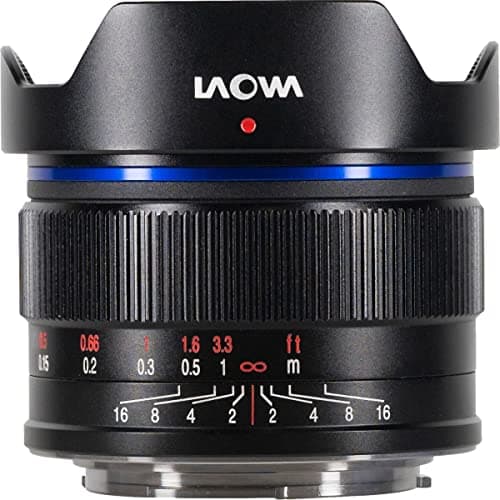
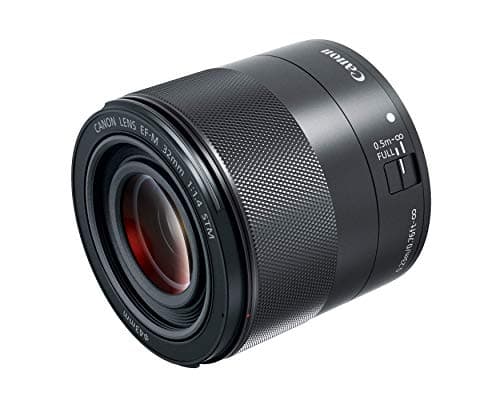
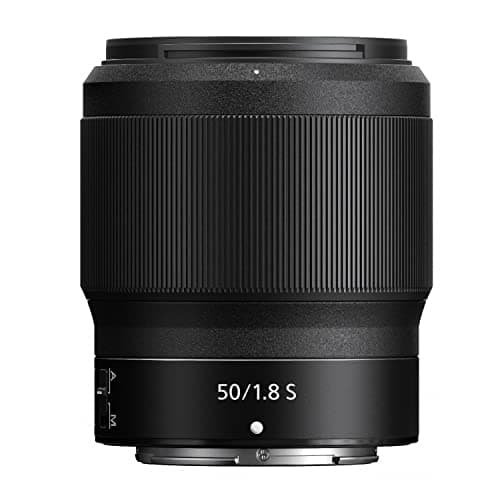
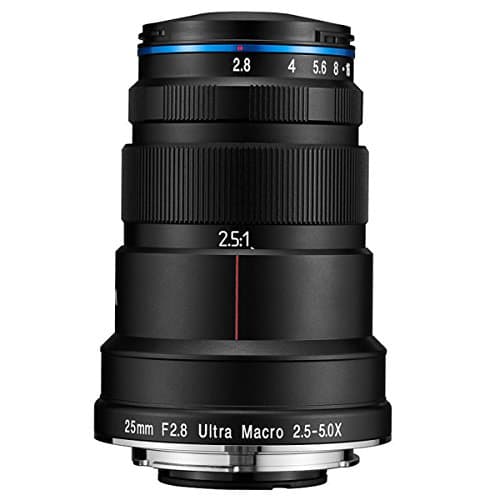
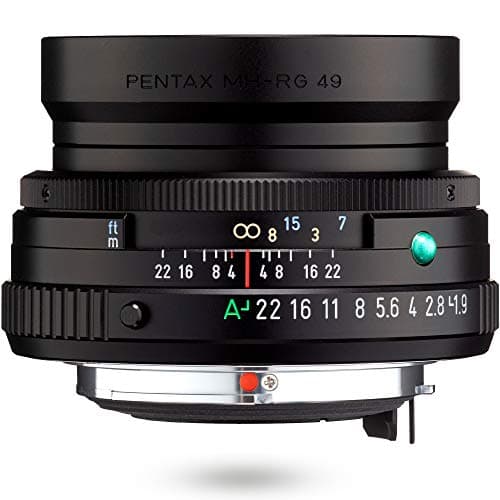
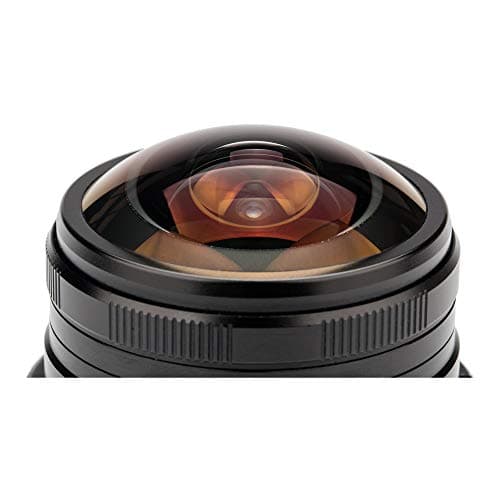
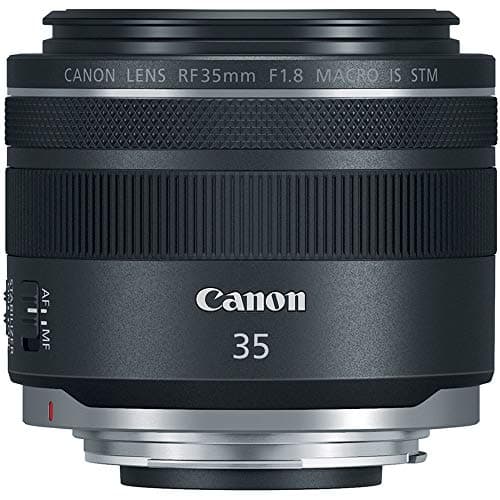
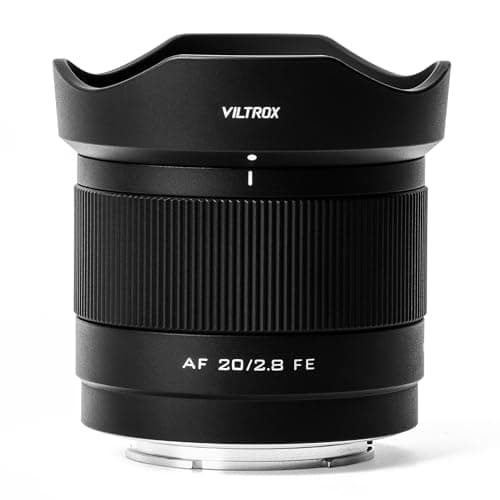
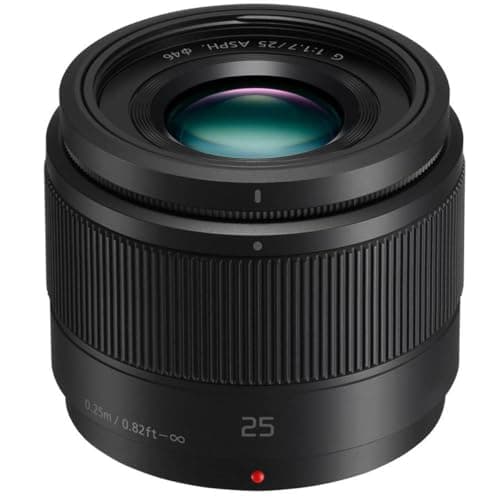
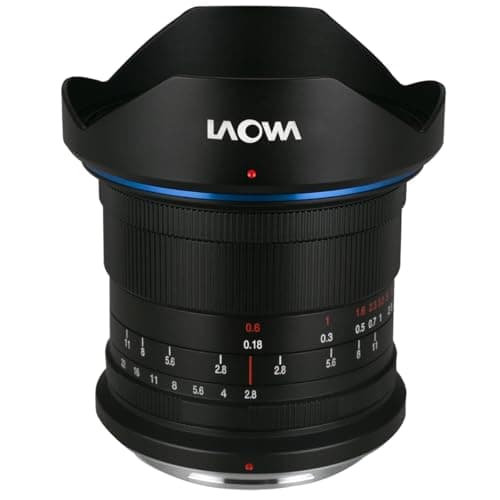
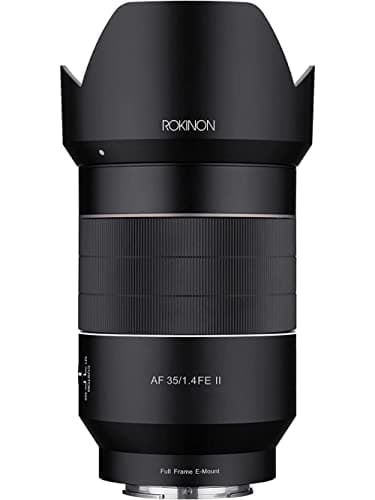
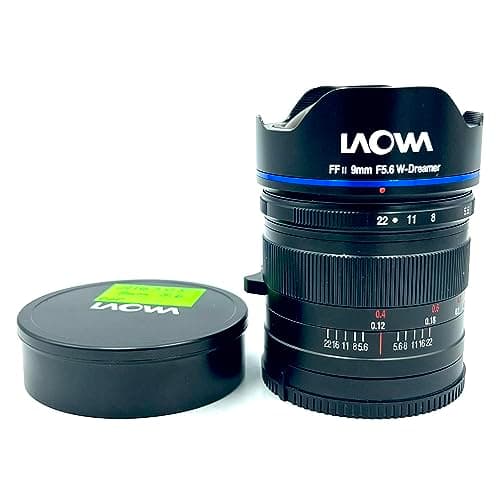
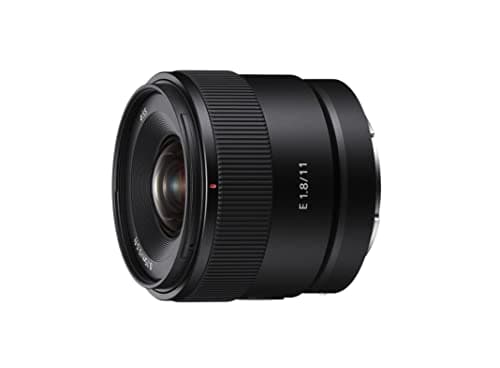
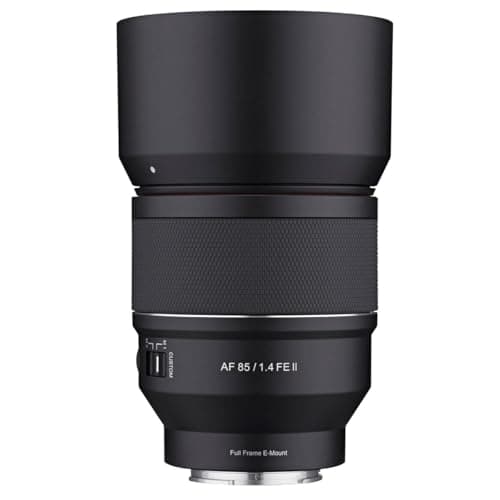
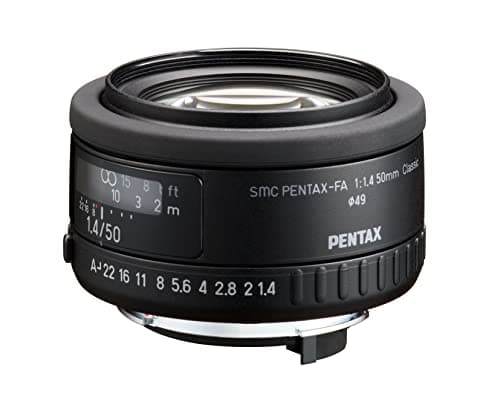
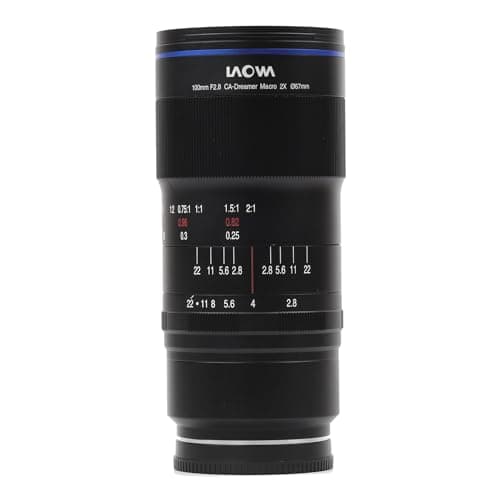
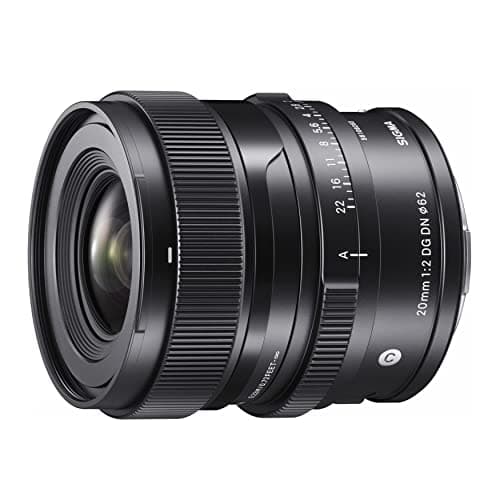
These are the best prime lenses under $1000 when you want sharp optics, fast and confident AF, useful close-focus, and solid weather protection without breaking the bank—whether you’re shooting portraits, street, travel, food, products, or night scenes—and here’s what to look for as you buy: prioritize real-world sharpness at working apertures (ƒ1.4–ƒ2.8 wide open with strong contrast), reliable AF motors (linear/STM) and good manual feel, minimal longitudinal CA on speculars, flare control for backlight, and filter-friendly fronts (49–82mm) so one VND/CPL works across your kit; aim for focal-length “anchors” (24/35/50/85 on full-frame; ~16/23/33/56 on APS-C), and don’t sleep on modern macros for dual duty. Full-frame favorites (often under $1000 new and even less used): Sony FE 20mm ƒ1.8 G (light, razor-sharp, threaded), FE 24mm ƒ1.4 GM (watch for sales), FE 28mm ƒ2 (tiny value), FE 35mm ƒ1.8 (street workhorse), FE 50mm ƒ1.8 (budget classic), FE 85mm ƒ1.8 (portrait staple), Sigma DG DN Art primes that punch above price—20mm ƒ1.4, 24mm ƒ1.4, 35mm ƒ1.4 (fast, modern coatings), Sigma 65mm ƒ2 and 45mm ƒ2.8 DG DN Contemporary (compact, lovely rendering), Tamron 20/24/35mm ƒ2.8 Di III (1:2 close-up “mini-macros” with great value), Samyang/Rokinon AF 24mm ƒ1.8, 35mm ƒ1.8, 45mm ƒ1.8, 75mm ƒ1.8 (featherweight and fast), Canon RF sleepers—16mm ƒ2.8 (pocket ultrawide), 24mm ƒ1.8 Macro IS (0.5× storyteller), 35mm ƒ1.8 IS Macro, 50mm ƒ1.8, 85mm ƒ2 IS Macro (portrait + detail), Nikon Z gems—28mm ƒ2.8, 40mm ƒ2 (tiny pancakes), 35mm ƒ1.8 S, 50mm ƒ1.8 S, 85mm ƒ1.8 S (all optically serious and under the mark), plus macro ringers like Nikon Z MC 105mm ƒ2.8, Sigma 105mm ƒ2.8 DG DN Macro, and Sony FE 50mm ƒ2.8 Macro when you want 1:1 without a zoom. APS-C primes that feel pro but price friendly: Sony E 11mm ƒ1.8 (16.5-eq ultrawide), E 15mm ƒ1.4 G (22.5-eq crowd favorite), Sigma 16mm ƒ1.4 DC DN (legendary value), Sigma 23mm ƒ1.4 and 30mm ƒ1.4 DC DN (street/storytelling), Sony E 35mm ƒ1.8 OSS (classic), Fuji XF 16mm ƒ2.8 WR (pancake-like), XF 18mm ƒ1.4, XF 23mm ƒ1.4 LM WR, XF 33mm ƒ1.4 LM WR, XF 56mm ƒ1.2 WR (often right at or under the cap depending on promos), and Canon RF-S shooters can adapt RF 24/1.8, 35/1.8, 50/1.8, 85/2 for compact, sharp kits. Micro Four Thirds standouts (small, sharp, inexpensive): OM SYSTEM 20mm ƒ1.4 Pro (weather-sealed, gorgeous micro-contrast), 17mm/25mm/45mm ƒ1.8 trio (tiny, reliable), Panasonic 20mm ƒ1.7 (pocket legend), Panasonic Leica 15mm ƒ1.7 and 25mm ƒ1.4 (character + sharpness), and macro heroes like OM 60mm ƒ2.8. Creative/manual options under the line: Laowa 15mm ƒ2 Zero-D (ultrawide with straight lines), Laowa 12mm ƒ2.8 (dramatic ultrawide), Viltrox AF 20/24/35/50/85 (newer AF primes with strong value), and TTArtisan/7Artisans for budget experimentation—great to learn, just expect more copy variation. Practical buyer tips: build a two-prime spine you love (24/1.8–35/1.8 + 50/1.8–85/1.8) before chasing niches; standardize front diameters so one good VND/CPL and diffusion covers the set; favor lenses with weather sealing if you shoot outdoors; if your body lacks IBIS, prioritize primes with optical IS (Canon RF 35/1.8, 85/2) or plan on faster shutters; watch used/refurb channels—pro glass often dips under $1000 there; for macro versatility, a 90–105mm 1:1 prime doubles as a portrait/detail lens. Technique to get pro-looking results on a budget: keep the camera roughly level for natural proportions, place faces near the central third at wider focal lengths, and work near wide open for mood—then stop 1/3–2/3 stop to snap edges; for handheld nights, use Auto-ISO with a sensible floor (1/80–1/160s for people) and fire short bursts for a tack frame; learn your lens’s minimum focus for intimate detail cutaways; in backlight, use the hood and expose for faces, letting highlights clip gracefully; for video, lock a 180° shutter and use ND, set AF transition speeds low, and enable breathing compensation if supported. Whether you’re building your first pro-ready kit, upgrading from a kit zoom, or rounding out a lightweight travel set, the best prime lenses under $1000 combine sharp optics, dependable AF, compact builds, and smart features—so your images look premium while your wallet (and back) stay happy.
Lenses by brand:
Lenses by price:
Lenses by type:
Lenses by sensor:
Lenses by feature:
Lenses by use case:
Lenses by experience:
Cameras: