
10 Best Telephoto Lenses Under $1000 in 2026
Filters:
Name | Features | Price |
|---|---|---|
Viltrox AF 135mm F1.8 Lab⭐ 4.9 / 5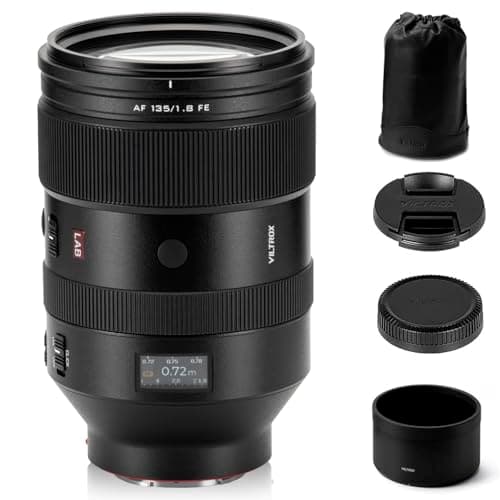 | ||
Name | Features | Price |
Sigma 105mm F2.8 DG DN Macro⭐ 4.9 / 5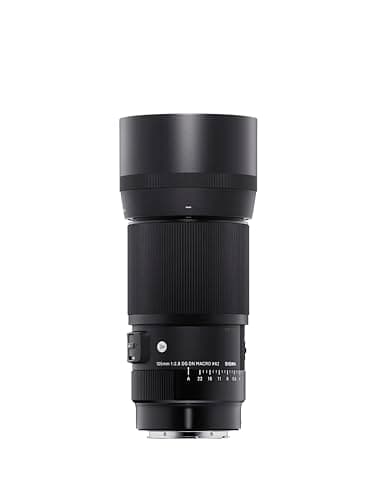 | ||
Name | Features | Price |
Nikon Nikkor AF-S 300mm F4E PF ED VR⭐ 4.9 / 5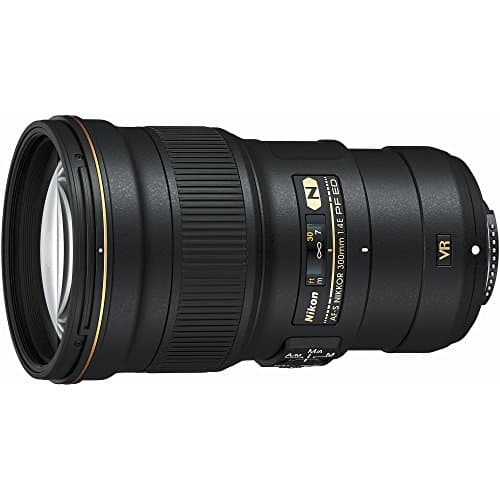 | ||
Name | Features | Price |
Nikon Nikkor Z 85mm F1.8 S⭐ 4.9 / 5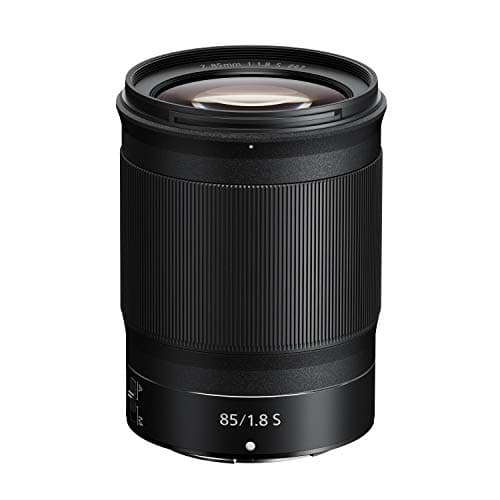 | ||
Name | Features | Price |
Sony FE 85mm F1.8⭐ 4.9 / 5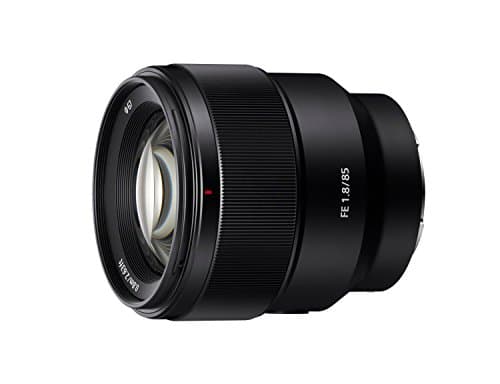 | ||
Name | Features | Price |
Pentax HD Pentax-D FA Macro 100mm F2.8 ED AW⭐ 4.9 / 5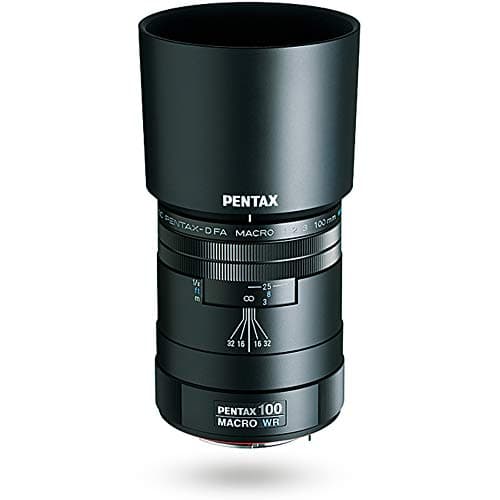 | ||
Name | Features | Price |
Rokinon AF 85mm F1.4 FE⭐ 4.9 / 5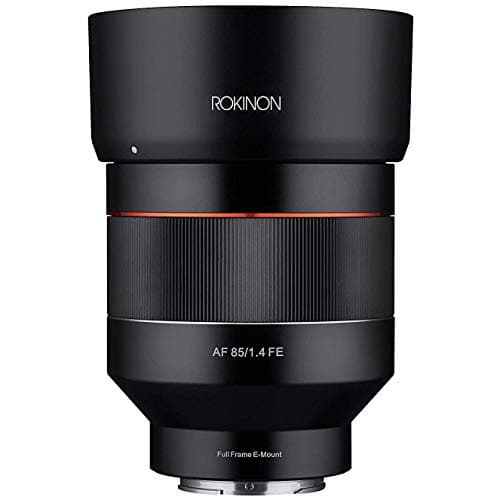 | ||
Name | Features | Price |
Voigtlander 65mm F2 Macro APO-Lanthar⭐ 4.9 / 5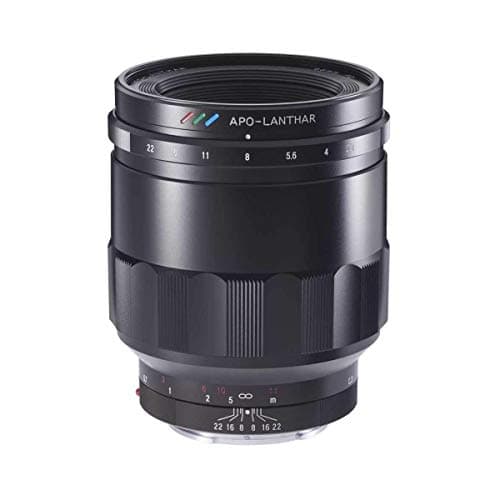 | ||
Name | Features | Price |
Tamron 28-200mm F2.8-5.6 Di III RXD⭐ 4.9 / 5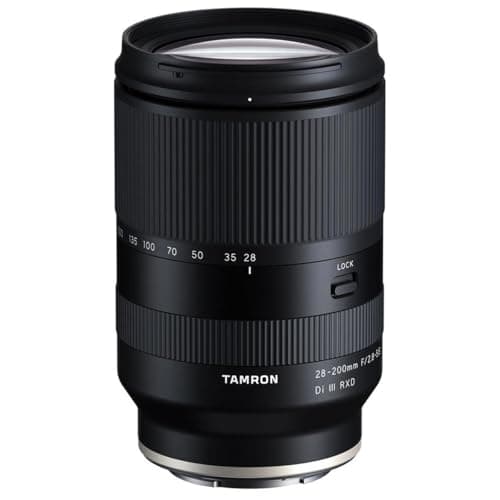 | ||
Name | Features | Price |
Viltrox AF 75mm F1.2 Pro⭐ 4.9 / 5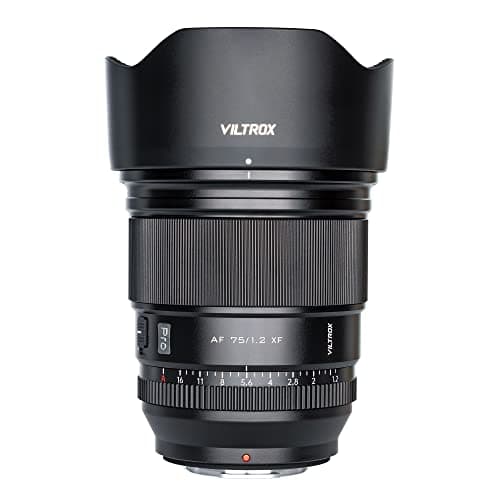 |
* Product prices and availability are accurate as of the date/time indicated and are subject to change. Any price and availability information displayed on Amazon.com at the time of purchase will apply to the purchase of this product.
* Imaginated.com may receive compensation for purchases made at participating retailers linked on this site. This compensation does not affect what products or prices are displayed, or the order of prices listed. Learn more here.
These are the best telephoto lenses under $1000 when you want real reach, fast and reliable autofocus, and effective stabilization for wildlife, sports, portraits, travel candids, and stage—without stretching your budget—and here’s what to look for as you buy: prioritize optical stabilization (VR/IS/OSS/OIS) or strong IBIS pairing, linear/stepping motors for sticky AF-C, honest long-end sharpness (many teles soften past 250–300mm), practical close-focus for detail B-roll, and sensible weight so you’ll actually carry it; on mirrorless, check compatibility with in-body breathing compensation if you shoot video, and remember that used DSLR glass via adapters is often the value king under a grand. Standout picks (new street often ≤$1000 or easily under via sale/used): Sony E/FE: Tamron 70–180mm ƒ2.8 (both V1 and V2 are compact, sharp, and usually <$1000), Sony FE 70–300mm ƒ4.5–5.6 G OSS (great reach with OSS—watch sales/used), Sigma 100–400mm ƒ5–6.3 DG DN OS (light “mini-wildlife” at ~400mm), Sony E 70–350mm ƒ4.5–6.3 G OSS (APS-C sleeper: sharp, stabilized reach), Tamron 70–300mm ƒ4.5–6.3 Di III RXD (featherweight bargain). Canon RF/RF-S/EF: RF 100–400mm ƒ5.6–8 IS USM (tiny, very effective IS—killer value), RF 70–200mm ƒ4L is over budget new but often dips near $1k used, EF 70–200mm ƒ4L IS II and EF 70–300mm IS II USM (outstanding used buys via adapter), plus EF 200mm ƒ2.8L II (prime sharpness under a grand used). Nikon Z/F/DX: Z 70–180mm ƒ2.8 (compact constant-ƒ2.8 at ~$999), Z 50–250mm DX VR (APS-C kit sleeper), Z 24–200mm isn’t a pure tele but a great travel reach option, F-mount AF-P 70–300mm VR (snappy, sharp, cheap used via FTZ); third-party Z-mount Tamron 70–300mm is also a light, budget win. Fujifilm X: XF 70–300mm ƒ4–5.6 OIS (sharp, light, TC-friendly), XF 55–200mm ƒ3.5–4.8 OIS (often <$1000 and lovely rendering), Sigma 56mm ƒ1.4 DC DN (short-tele portrait monster). Micro Four Thirds: OM SYSTEM 40–150mm ƒ4 PRO (weather-sealed, sharp, tiny), Panasonic 35–100mm ƒ2.8 II OIS (fast constant aperture just under the bar), Panasonic 100–300mm ƒ4–5.6 II OIS (budget wildlife reach), OM SYSTEM 75–300mm ƒ4.8–6.7 II (huge EFL reach in light package). L-mount: Panasonic S 70–300mm ƒ4.5–5.6 OIS (balanced, close-focus star), Sigma 100–400mm ƒ5–6.3 DG DN OS (light long end under a grand). Practical buyer tips: if you shoot indoor sports or portraits, a 70–180/200mm ƒ2.8 gives speed and background melt; for birds and daylight wildlife, 100–400mm class wins on reach/weight; APS-C “350–400mm” options punch far above their size thanks to crop factor; used EF/F-mount 70–200 ƒ4 IS and 70–300 IS generations are phenomenal value on modern bodies via adapters; expect to stop down 2/3–1 stop at the very long end for extra bite, and favor newer AF motors (linear/STM/RXD/AF-P) for tracking. Telephoto shooting tips: use stabilization but keep shutter speeds honest (≈1/(focal length × crop) for static subjects; 1/500s+ for action), enable AF-C with subject/eye detection and a focus limiter if available, pre-focus to a zone and pan smoothly, brace with elbows or a monopod, fire short bursts to beat micro-shake, watch heat haze at long distances, and curate backgrounds—step a foot left/right to get clean color fields and better separation; for portraits, shoot near wide open then stop 1/3–2/3 stop for eyelash-sharp results, and for wildlife, prioritize position and light over raw focal length. Whether you’re chasing sidelines, backyard birds, city compressions, or travel candids, the best telephoto lenses under $1000 combine stabilization, decisive AF, and honest long-end performance—so your distant moments come back sharp, steady, and budget-smart.
Lenses by brand:
Lenses by sensor:
Lenses by feature:
Lenses by use case:
Lenses by experience:
Cameras: