
10 Best Prime Lenses for Beginners in 2026
Filters:
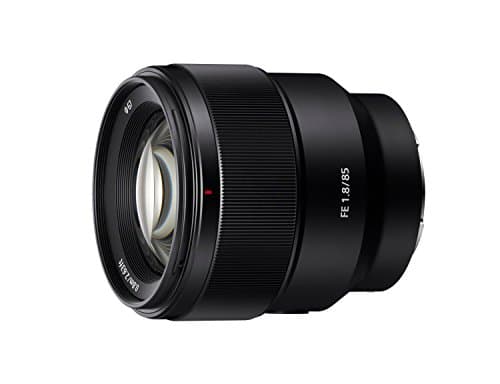
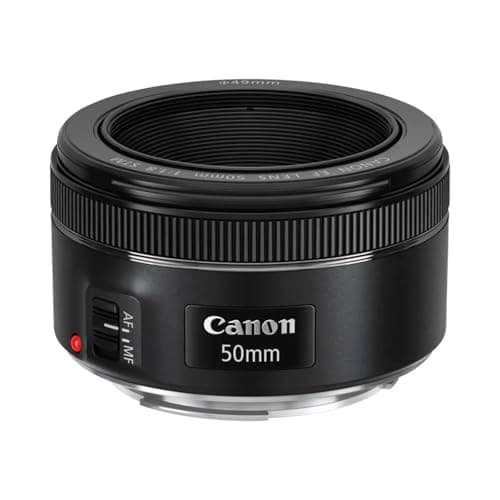
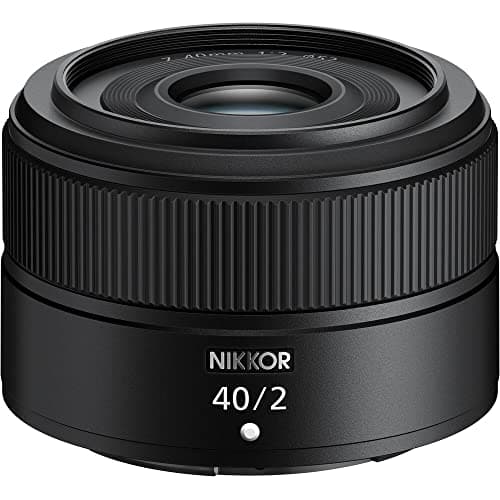
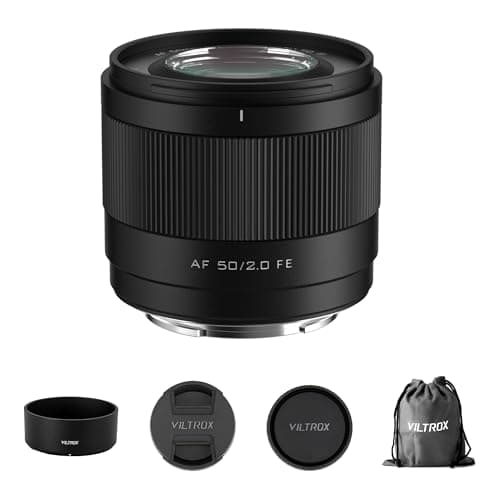
-primary-image.jpg&w=3840&q=75)
-primary-image.jpg&w=3840&q=75)
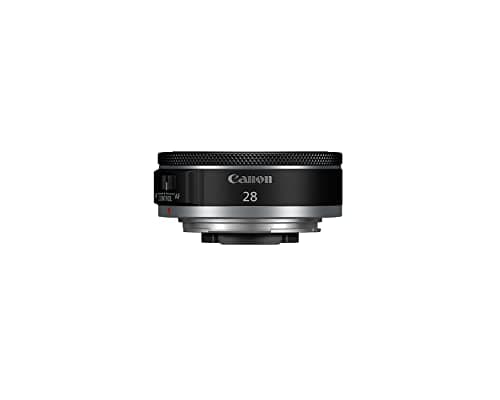
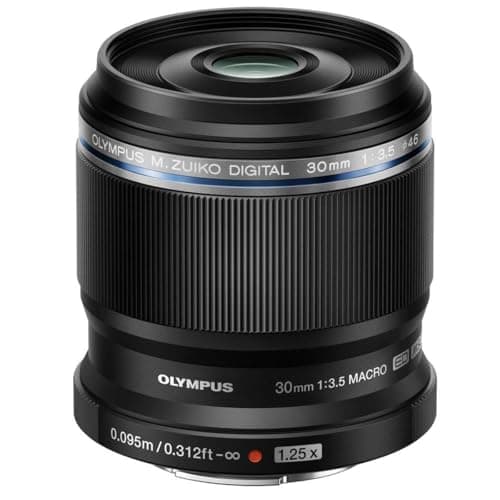
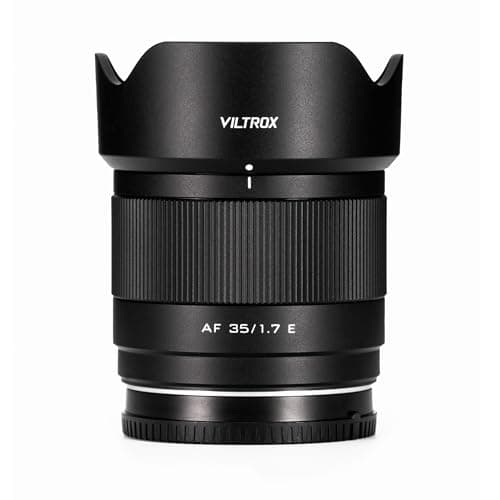
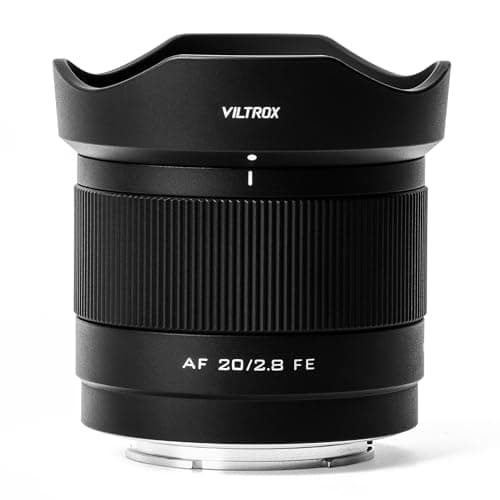
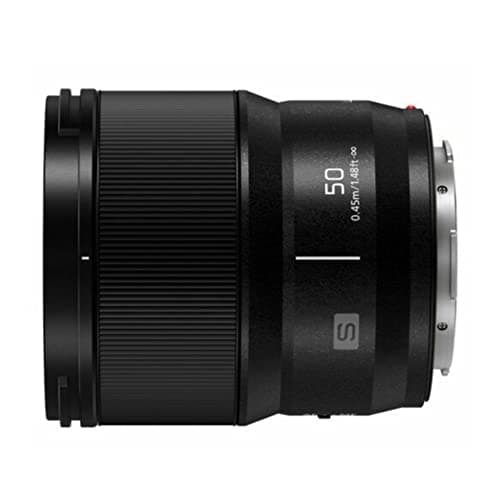
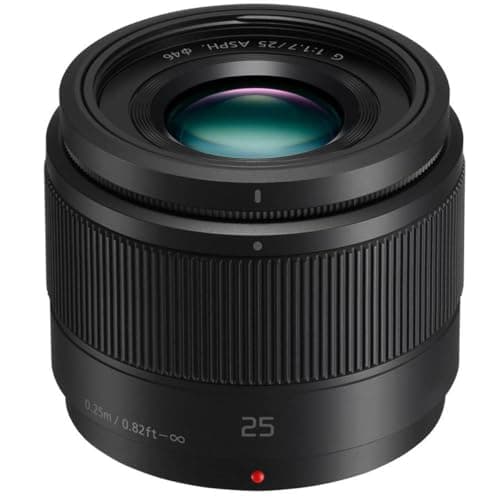
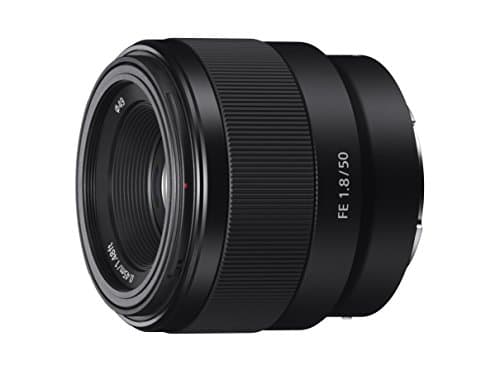
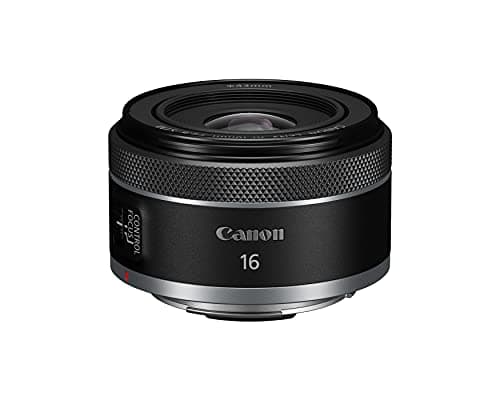
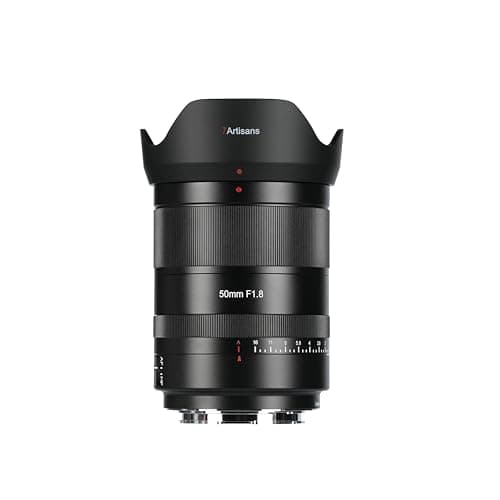
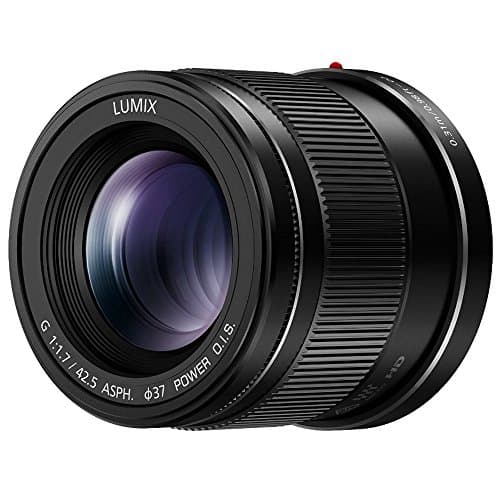
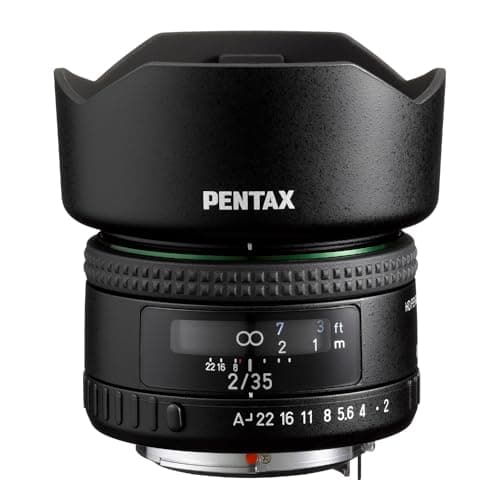
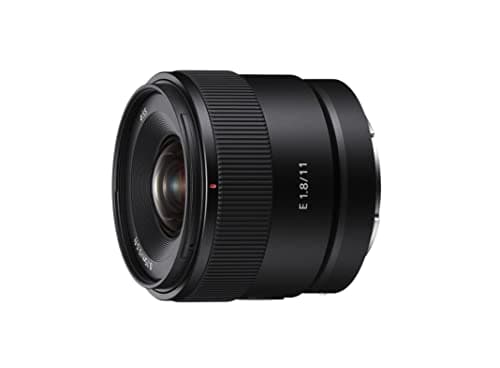
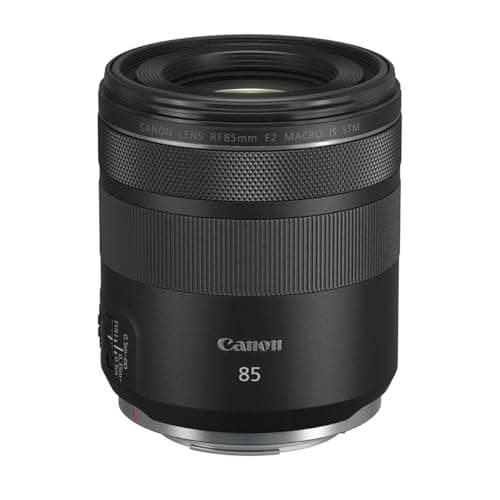
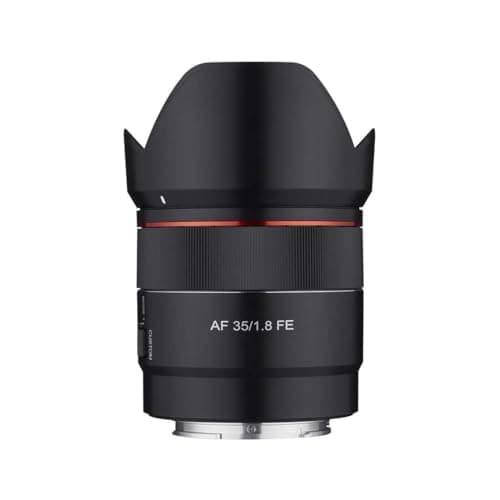
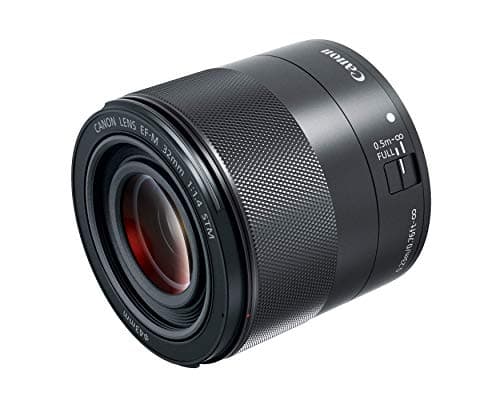
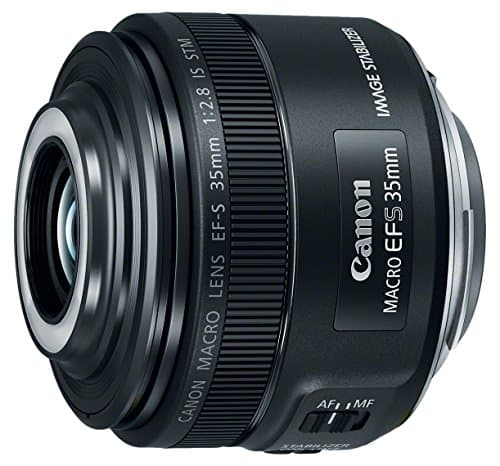
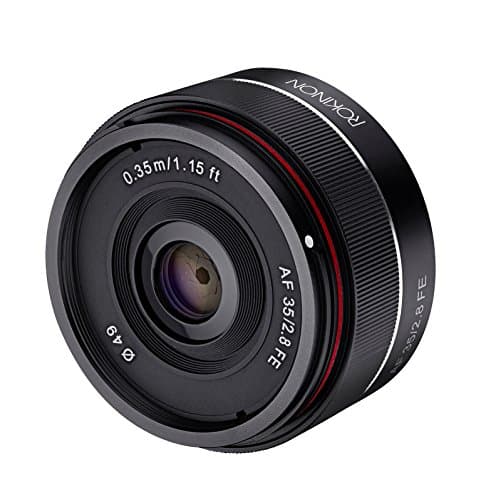
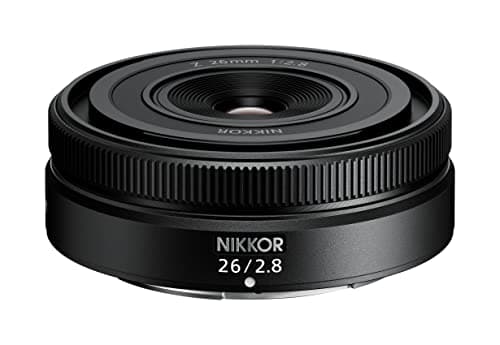
* Product prices and availability are accurate as of the date/time indicated and are subject to change. Any price and availability information displayed on Amazon.com at the time of purchase will apply to the purchase of this product.
* Imaginated.com may receive compensation for purchases made at participating retailers linked on this site. This compensation does not affect what products or prices are displayed, or the order of prices listed. Learn more here.
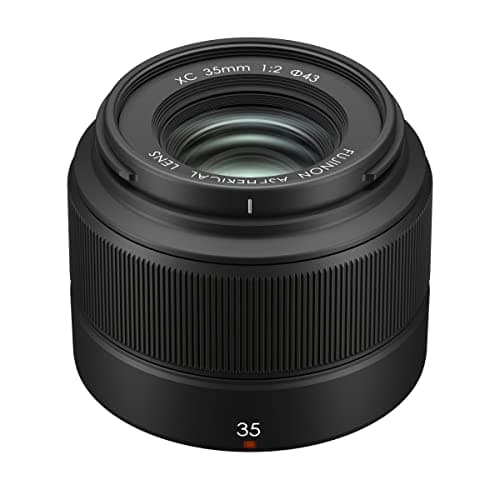
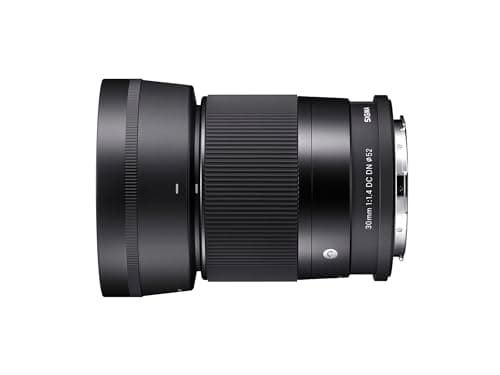
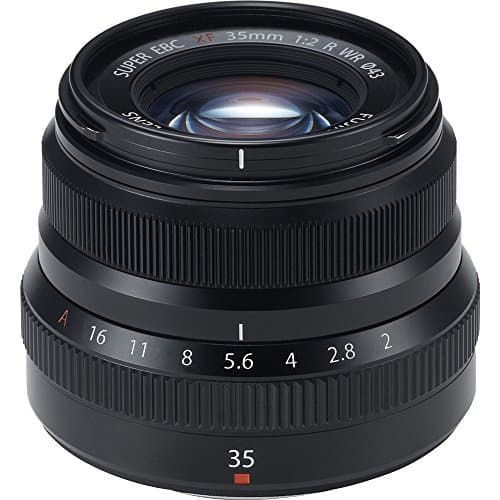
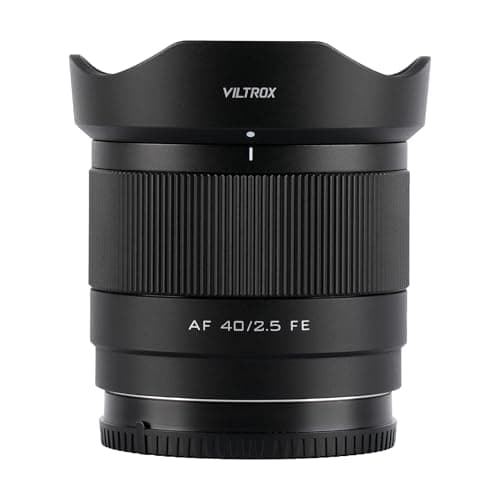
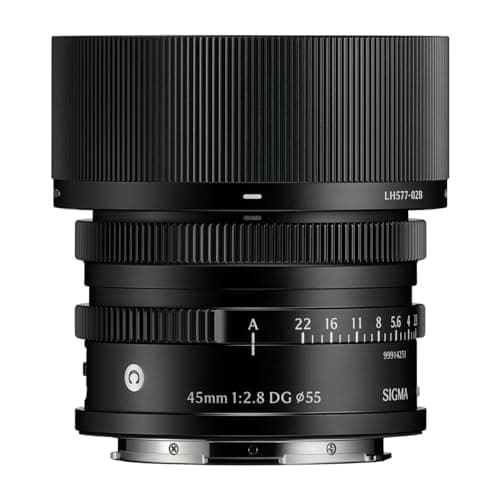
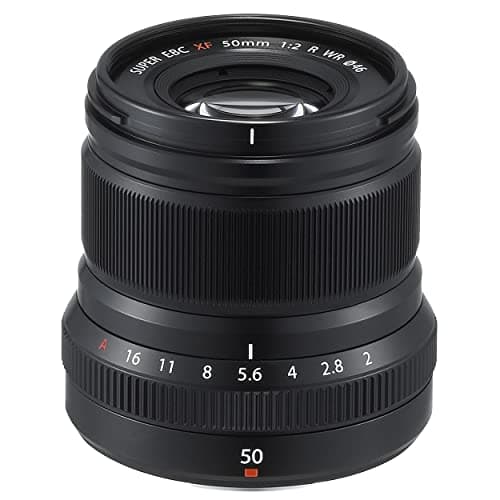
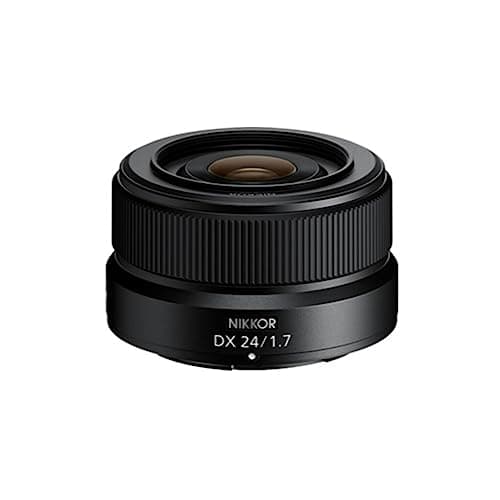
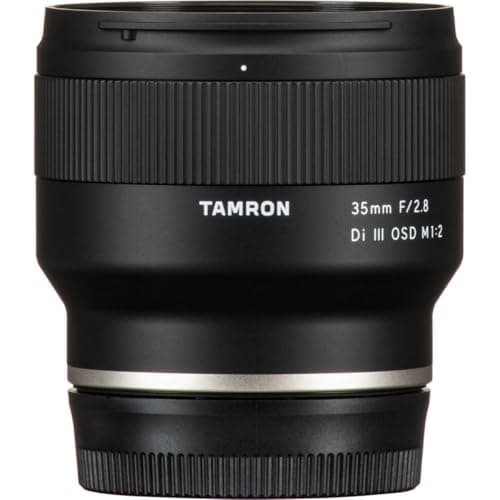
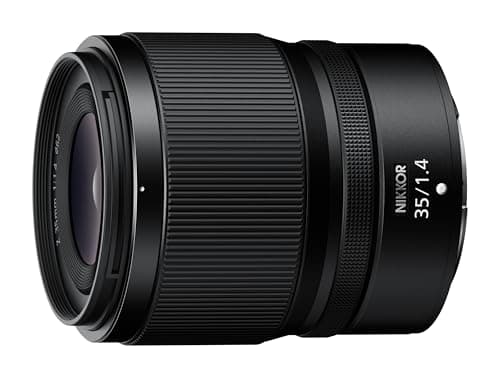
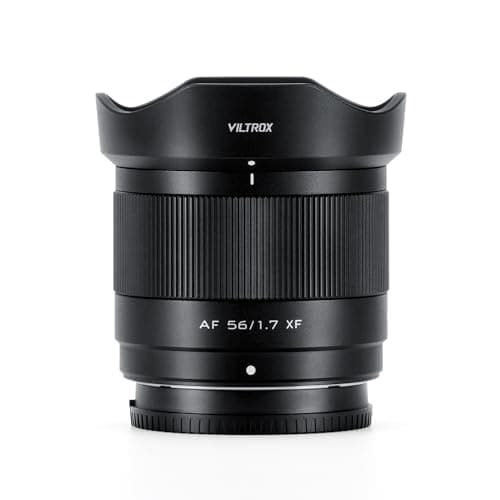
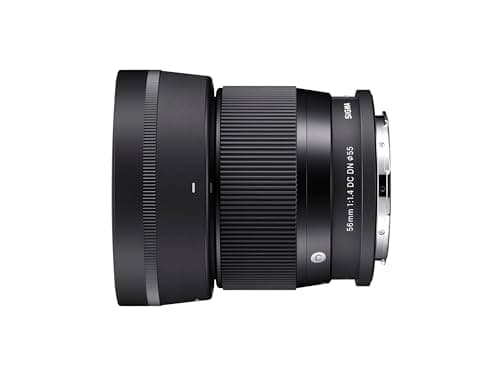
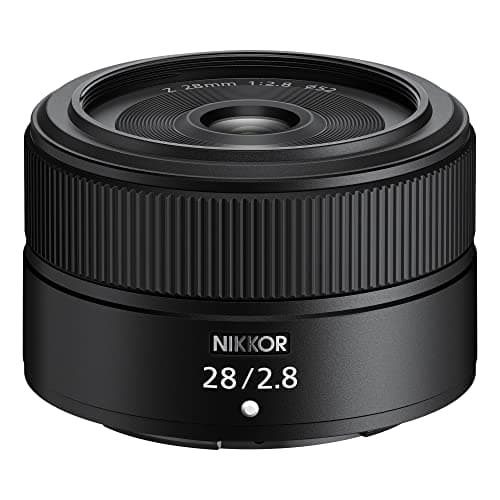
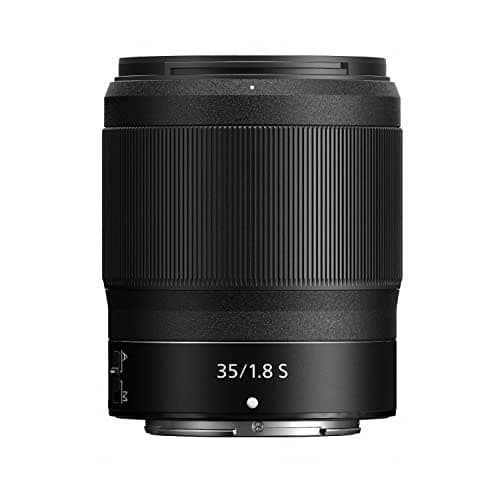
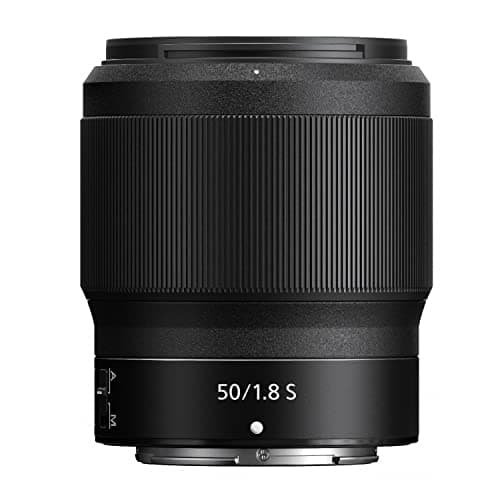
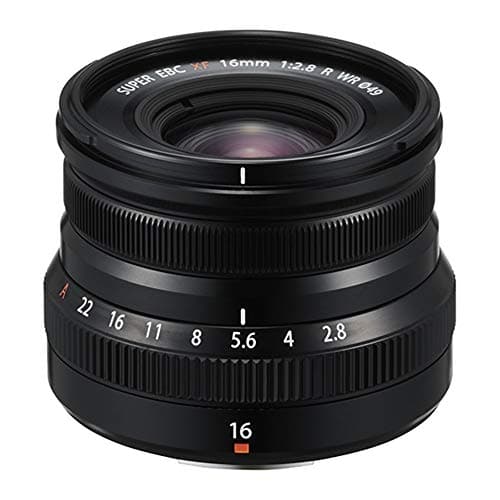
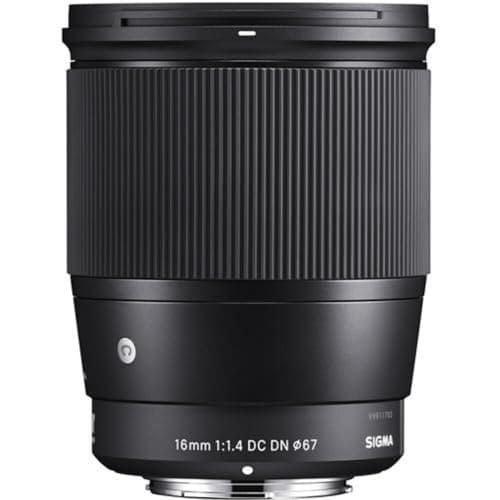
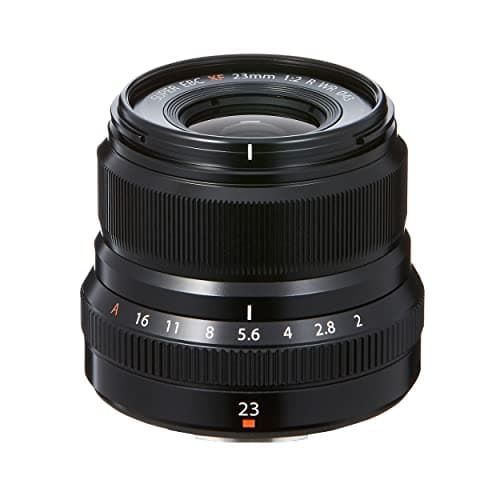
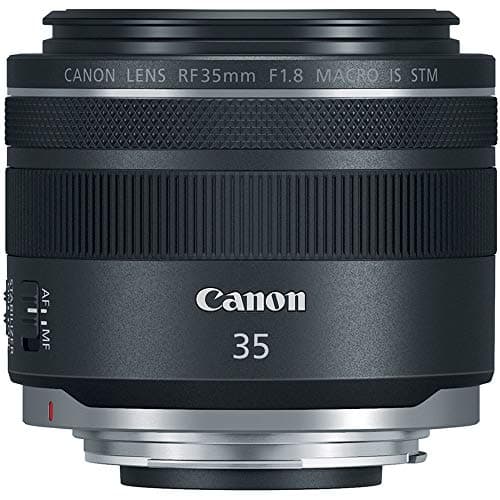
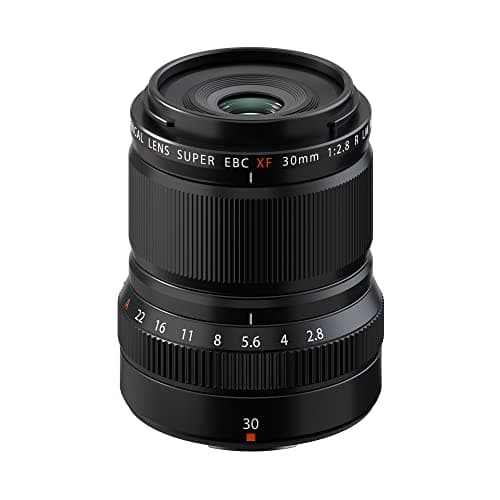
These are the best prime lenses for beginners when you want compact size, reliable autofocus, honest geometry, and great value—whether you’re shooting travel, street, portraits, food, or low light—and here’s what to look for as you buy: prioritize small/light builds you’ll carry everywhere, rectilinear optics with low distortion, strong wide-open performance (ƒ1.4–ƒ2 for people; ƒ2–ƒ2.8 for details), quiet linear/STM AF that nails eyes, stabilization strategy (IS/OSS/VR or IBIS in body), and front threads (49–67–77mm) so one VND/CPL/diffusion covers the kit; start with two focal-length anchors you love (a wide storyteller + a portrait prime), favor weather sealing if you shoot outside, and keep firmware current for AF improvements. Full-frame beginner-friendly favorites: 24mm–35mm storytellers—Sony FE 24mm ƒ1.4 GM or FE 35mm ƒ1.8, Nikon Z 24mm ƒ1.8 S or Z 35mm ƒ1.8 S, Canon RF 24mm ƒ1.8 IS and RF 35mm ƒ1.8 IS, Sigma 24mm/35mm ƒ1.4 DG DN (value/modern coatings); classic normals—Sony FE 50mm ƒ1.8 or 1.4 GM, Nikon Z 50mm ƒ1.8 S, Canon RF 50mm ƒ1.8 or 1.2L, Sigma 50mm ƒ1.4 DG DN; flattering portraits—Sony FE 85mm ƒ1.8, Nikon Z 85mm ƒ1.8 S, Canon RF 85mm ƒ2 IS, Sigma 85mm ƒ1.4 DG DN; close-up detail that doubles for portraits—Sony FE 90mm ƒ2.8 Macro G OSS, Nikon Z MC 105mm ƒ2.8 VR S, Canon RF 100mm ƒ2.8L Macro IS, Sigma 105mm ƒ2.8 DG DN Macro. APS-C standouts that make learning easy and fun: Sigma 16/23/30/56mm ƒ1.4 DC DN (legendary value, bright, sharp), Sony E 11mm ƒ1.8 (tiny ultrawide), E 15mm ƒ1.4 G (22.5-eq with threads), E 35mm ƒ1.8 OSS and E 50mm ƒ1.8 OSS (stabilized classics), Fujifilm XF 16mm ƒ2.8 WR (pocket wide), XF 23/33mm ƒ1.4 LM WR (quiet linear AF), XF 56mm ƒ1.2 WR (buttery portraits), and Canon RF-S users can lean on RF 24/1.8 IS, RF 35/1.8 IS, RF 50/1.8 for bright, stabilized kits. Micro Four Thirds picks that disappear in a day bag: OM SYSTEM 17/25/45mm ƒ1.8 (tiny trio), 17/25/45mm ƒ1.2 Pro (rounded blades, sealed), Panasonic 20mm ƒ1.7 (pancake legend), Panasonic Leica 15mm ƒ1.7 and 42.5mm ƒ1.2 Nocticron OIS (lux rendering), plus Olympus 60mm ƒ2.8 Macro for detail play. Practical buyer tips: choose a two-prime spine that matches how you see—(35/1.8 + 85/1.8) for people-first, (24/1.8 + 50/1.8) for city/food/portraits, or (20/1.8 + 35/1.8) for wide storytelling—then add a macro when you want textures; standardize front diameters for one slim VND and mild diffusion (Black Mist 1/8–1/4), and use a CPL sparingly to tame window/floor glare (avoid on deep ultrawides to prevent blotchy skies); if your camera lacks IBIS, stabilized primes (Canon IS, Sony OSS, Nikon VR, Panasonic OIS) help at dusk. Field technique that accelerates learning: keep the camera roughly level to avoid unintentional stretch, favor 24–35mm for context and 50–85mm for flattering people, and place a foreground anchor near the central third for depth; start in Aperture Priority at ƒ5.6–ƒ8 with Auto-ISO and a sensible shutter floor (1/125–1/250s for people; 1/30–1/60s for static with stabilization), then experiment near wide open and stop 1/3–2/3 stop for edge snap; learn your lens’s minimum focus for intimate details, practice zone focus at ƒ8 for street, and shoot short bursts for a tack frame in low light; for video, keep a 180° shutter with a small VND, enable breathing compensation, set slow AF transitions, and balance compact primes on a gimbal or use IBIS/IS for handheld clips. Whether you’re exploring new cities, documenting friends, chasing sunsets, or filming day-in-the-life reels, the best prime lenses for beginners combine low distortion, quiet, confident AF, compact builds, and filter-friendly designs—so your learning curve is smooth, your lines stay clean, and your photos look great right away.
Lenses by brand:
Lenses by price:
Lenses by type:
Lenses by sensor:
Lenses by feature:
Lenses by use case:
Lenses by experience:
Cameras: