
* Product prices and availability are accurate as of the date/time indicated and are subject to change. Any price and availability information displayed on Amazon.com at the time of purchase will apply to the purchase of this product.
* Imaginated.com may receive compensation for purchases made at participating retailers linked on this site. This compensation does not affect what products or prices are displayed, or the order of prices listed. Learn more here.
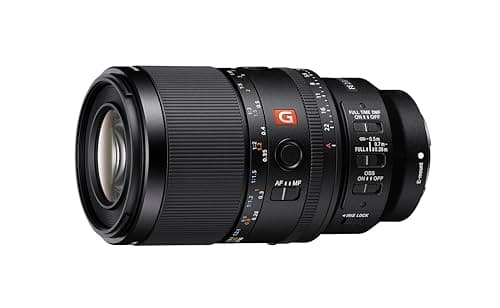
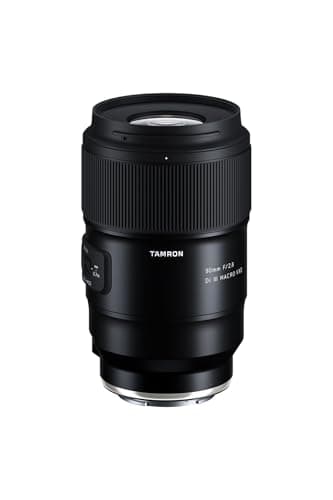
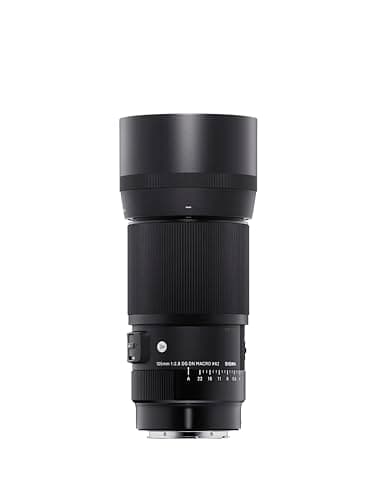
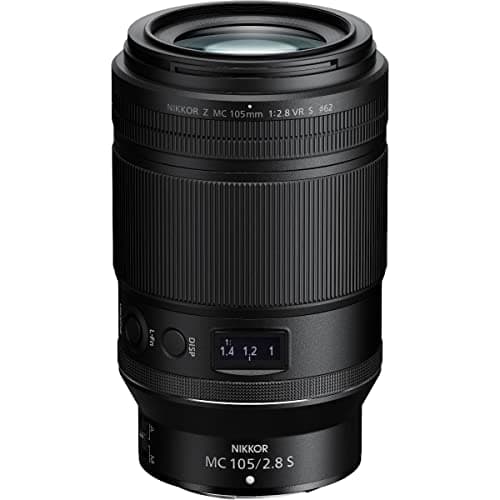
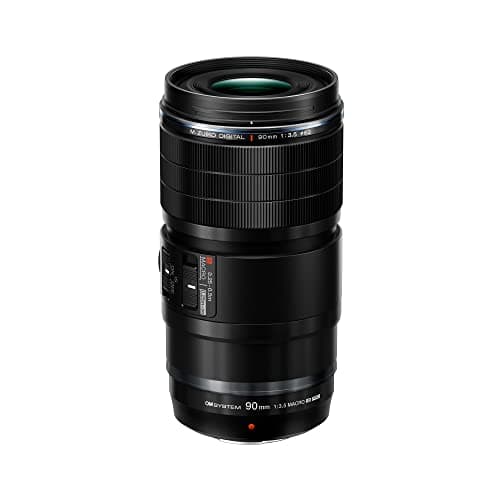
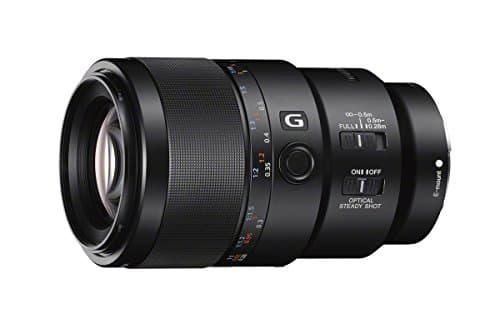
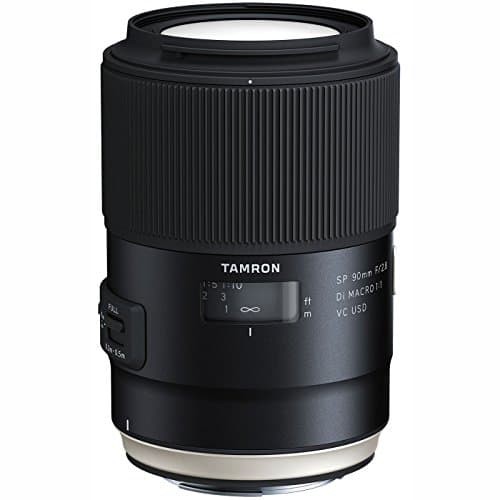
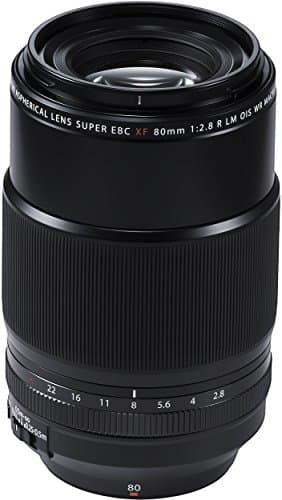
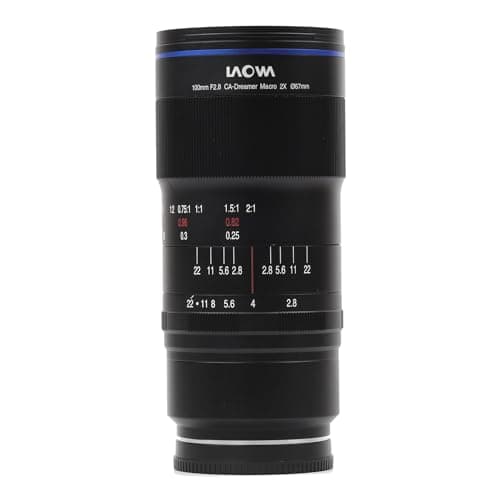
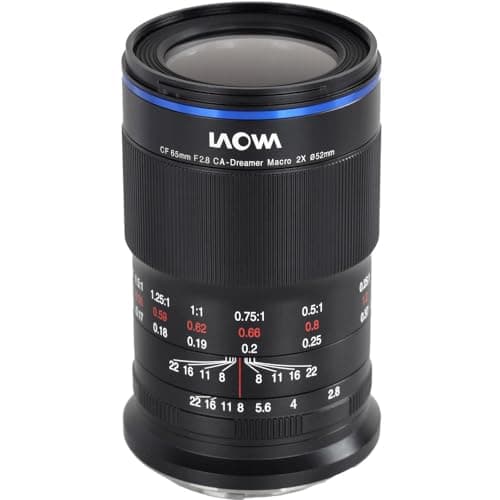
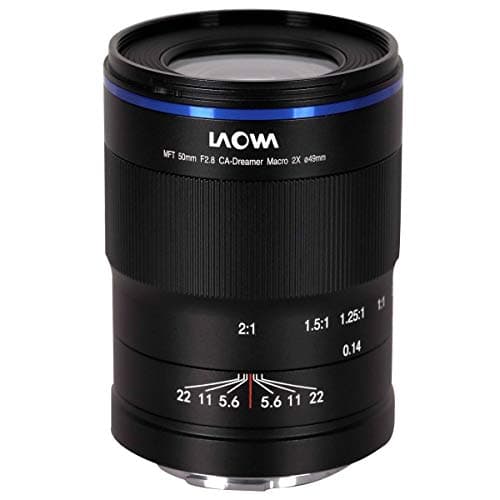
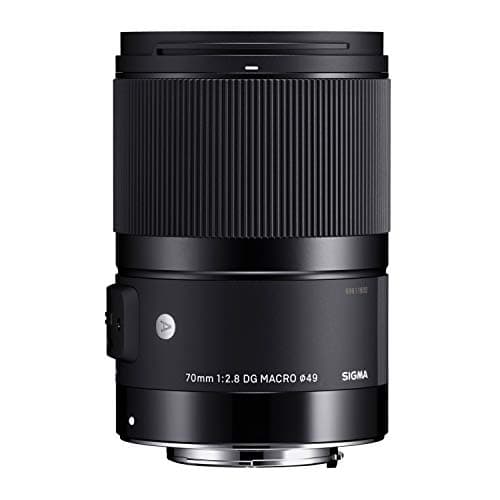
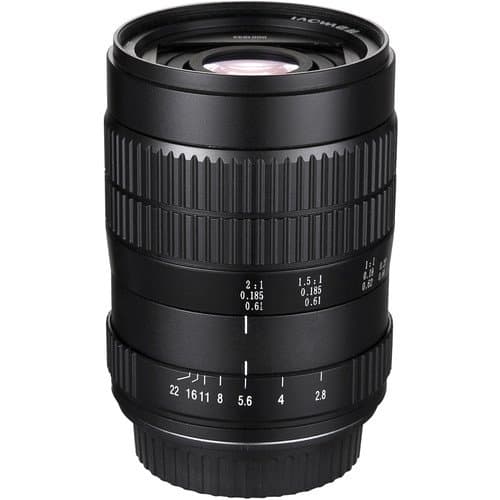
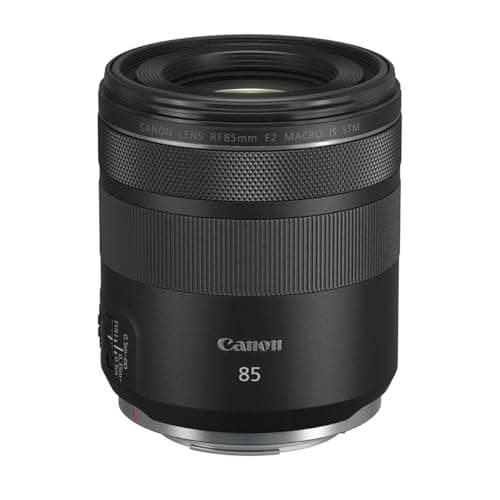
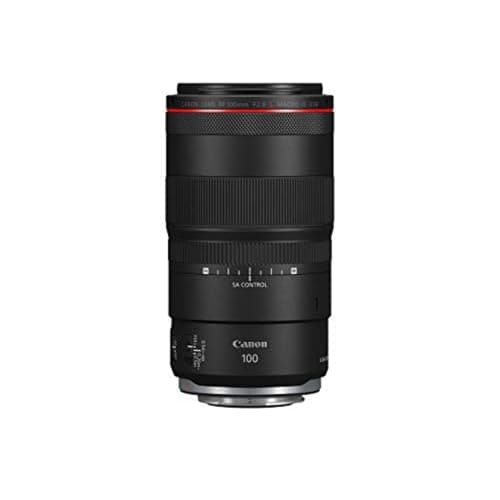
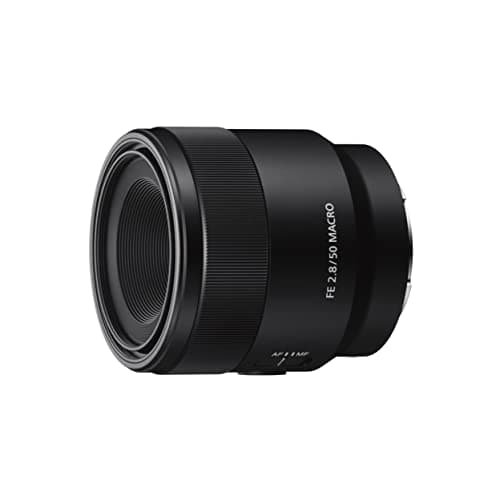
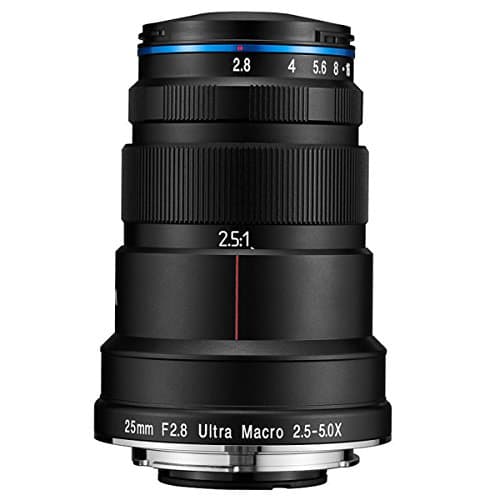
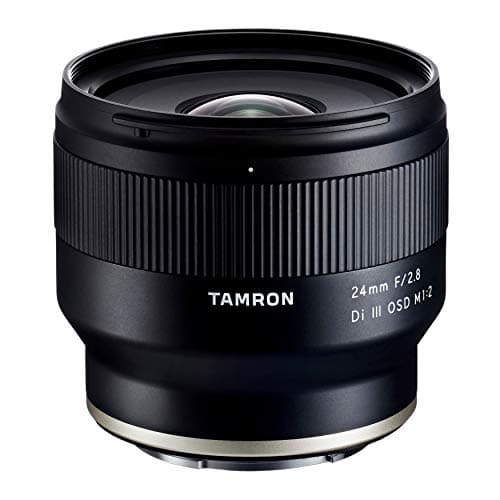
These are the best macro lenses for bokeh when you want creamy backgrounds, round specular highlights, and graceful falloff on flowers, jewelry, food, and small portraits—and here’s what to look for as you buy: longer focal lengths (~90–105mm) for stronger compression and separation, non-busy rendering (well-corrected spherical aberration, minimal onion-ring and double-edge bokeh), rounded diaphragm blades that stay circular when stopped down, low longitudinal CA (to avoid magenta/green fringing in blur), internal focusing with a limiter for confident AF, and—if you love ultra-smooth blur—apodization/defocus control designs; working distance matters (more space for light and background play), and close-focus capability lets you magnify bokeh balls as much as the subject. Full-frame bokeh heroes: Sony FE 90mm ƒ2.8 Macro G OSS (silky blur with excellent micro-contrast), Canon RF 100mm ƒ2.8L Macro IS (1.4× with SA Control to tune softness and glow), Canon EF 100mm ƒ2.8L IS (classic creamy look), Nikon Z MC 105mm ƒ2.8 VR S (clean, calm bokeh with low LoCA), Sigma 105mm ƒ2.8 DG DN Macro Art (mirrorless-optimized sharpness and smooth backgrounds), Tamron 90mm ƒ2.8 Macro (various generations; beloved rendering), Laowa 100mm ƒ2.8 2× APO (manual, apochromatic, velvety blur), and for maximum smoothness beyond true-macro, the Sony FE 100mm ƒ2.8 STF GM OSS (apodization, ~0.25×, T5.6 transmission) and Laowa 105mm ƒ2 (T3.2) STF “Bokeh Dreamer” (apodization special—close-up friendly, not 1:1). APS-C and Micro Four Thirds stunners: Fujifilm XF 80mm ƒ2.8 R LM OIS WR Macro (beautiful, stabilized bokeh), Fujifilm XF 60mm ƒ2.4 Macro (0.5× portrait-macro with gentle blur), Sony FE 50mm ƒ2.8 Macro (on APS-C behaves as a short tele; smooth and precise), Laowa 65mm ƒ2.8 2× APO (APS-C manual with exceptionally clean bokeh), Olympus/OM SYSTEM M.Zuiko 60mm ƒ2.8 Macro (rounded blades, pleasing separation), OM SYSTEM 90mm ƒ3.5 Macro IS PRO (2:1 with refined background; stacked IS helps handholding), Panasonic Leica 45mm ƒ2.8 Macro-Elmarit (compact, elegant blur). Practical buyer tips: choose ~100mm if you want the creamiest separation and generous working distance, ~60–70mm for tabletop/product where space is tight; if you often shoot people + detail, a 90–105mm macro doubles as a flattering headshot lens; apodization/defocus-control lenses are magic for backgrounds but trade light (T-stop) and sometimes AF speed—use where you can add light; Apochromatic designs (Laowa 2× APOs, Nikon Z MC 105) keep bokeh clean by taming LoCA; consider a ring flash or softbox—good light amplifies smooth blur more than an extra 1/3 stop. Bokeh-first shooting tips: maximize subject–background distance and shoot near wide open (then stop 1/3–2/3 stop for eyelash-sharp details), get physically close to enlarge blur circles, place small backlit points (fairy lights, dew, specular highlights) well behind the focus plane, align busy textures diagonally so they wash into tone, use longer focal lengths for compression, and keep shutter speeds honest—flash or a monopod tames micro-shake at 1:1; for ethereal looks, add slight SA (RF 100 SA Control) or use an apodization lens; for dramatic bokeh “discs,” try extension tubes on a tele-macro to push magnification. Whether you’re rendering petals like velvet, turning jewelry sparkles into perfect orbs, or isolating a plated dish from a messy kitchen, the best macro lenses for bokeh blend long focal lengths, disciplined aberration control, and close-focus reach—so your subjects pop, your backgrounds melt, and every highlight turns into art.
Lenses by brand:
Lenses by price:
Lenses by type:
Lenses by sensor:
Lenses by feature:
Lenses by use case:
Lenses by experience:
Cameras: