
10 Best Point-and-Shoot Cameras with 4K Video in 2026
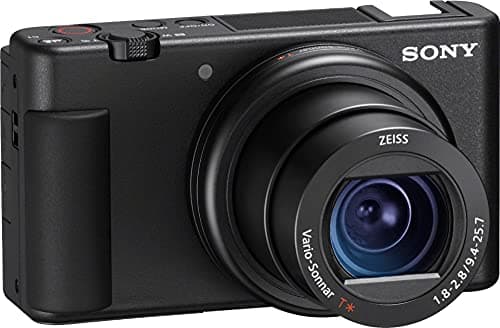
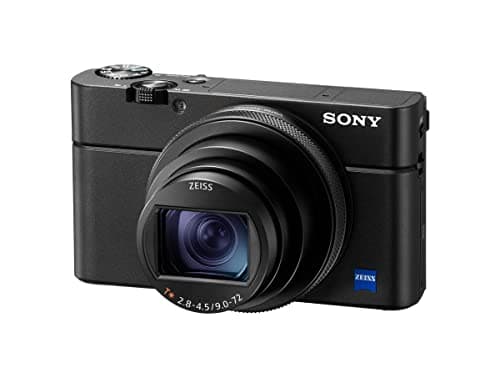
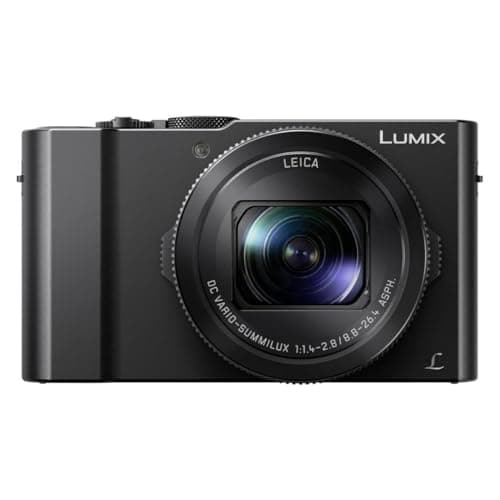
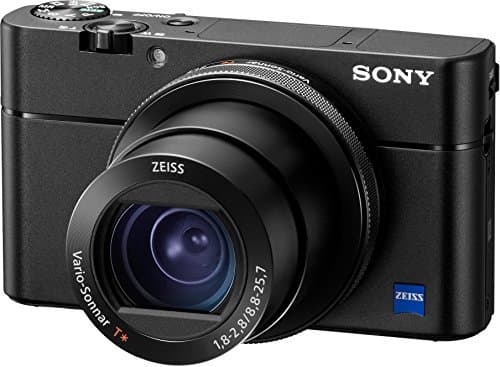
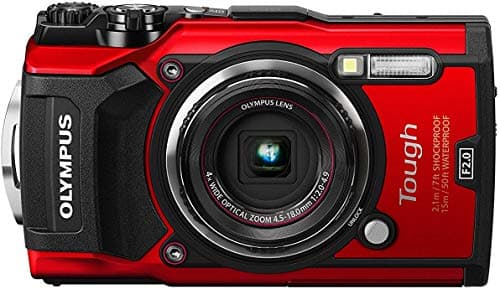
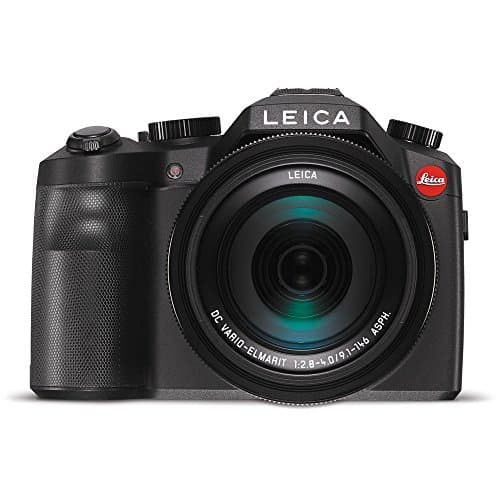
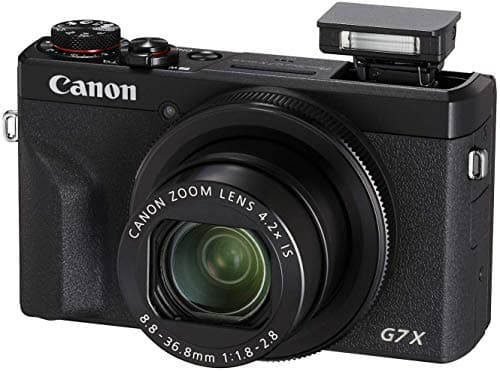
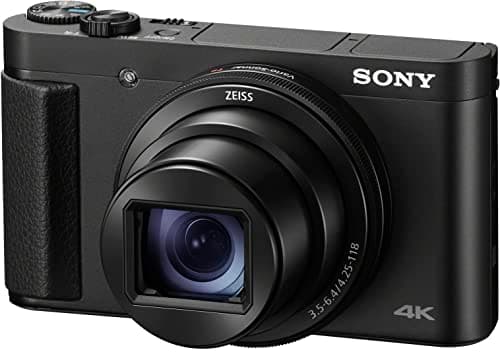

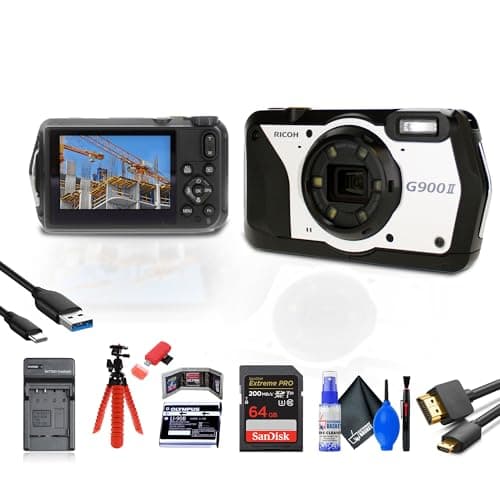
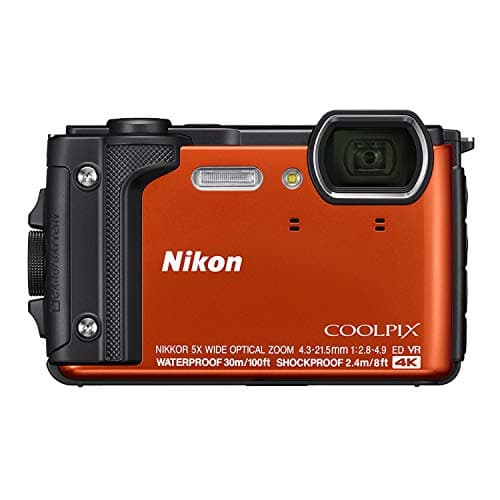
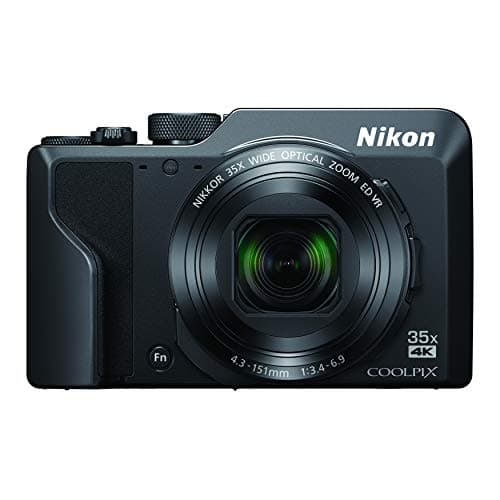
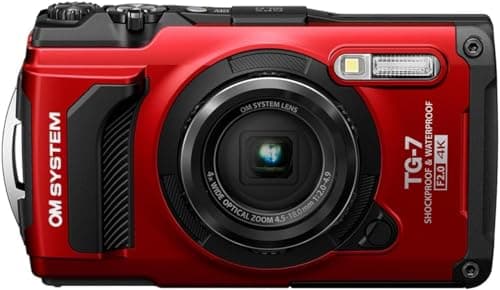

* Product prices and availability are accurate as of the date/time indicated and are subject to change. Any price and availability information displayed on Amazon.com at the time of purchase will apply to the purchase of this product.
* Imaginated.com may receive compensation for purchases made at participating retailers linked on this site. This compensation does not affect what products or prices are displayed, or the order of prices listed. Learn more here.
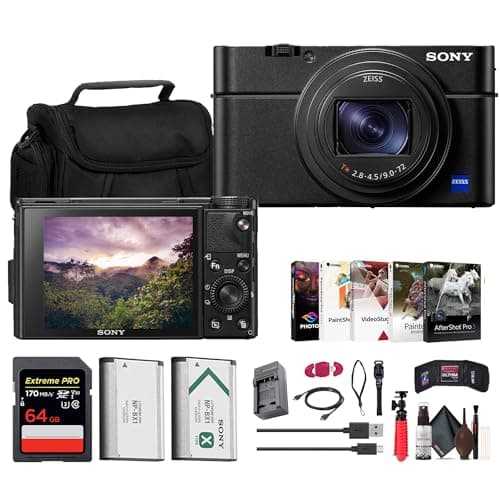
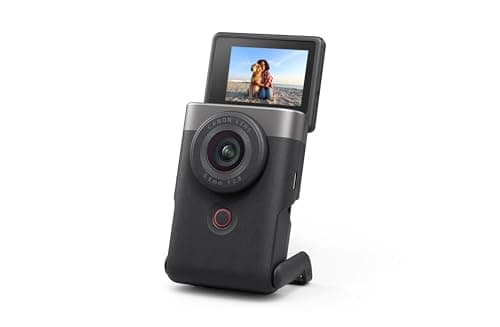
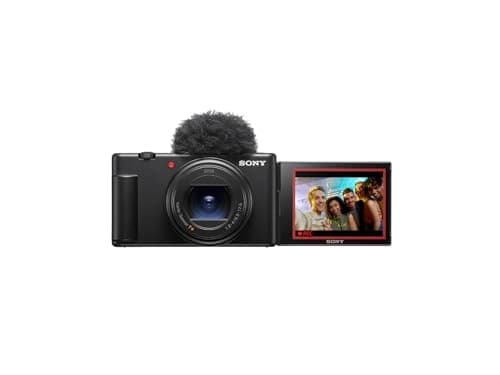
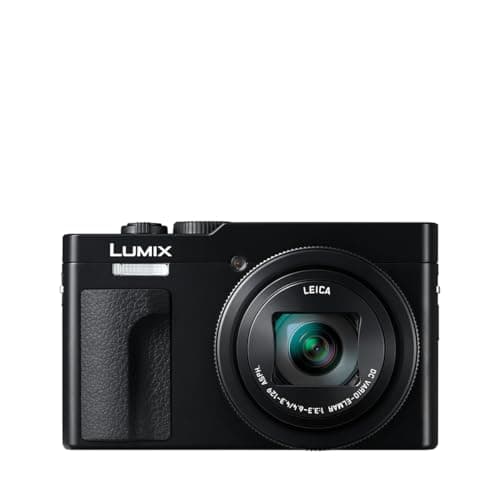
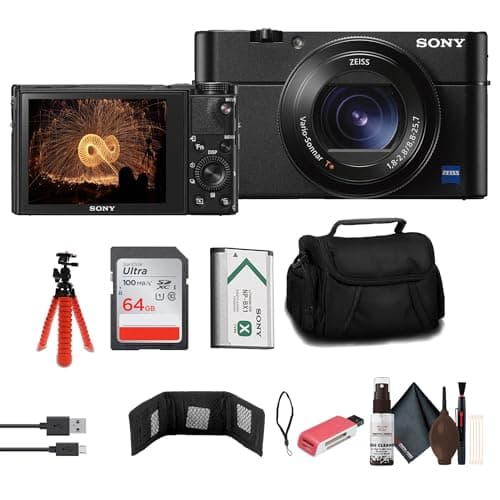
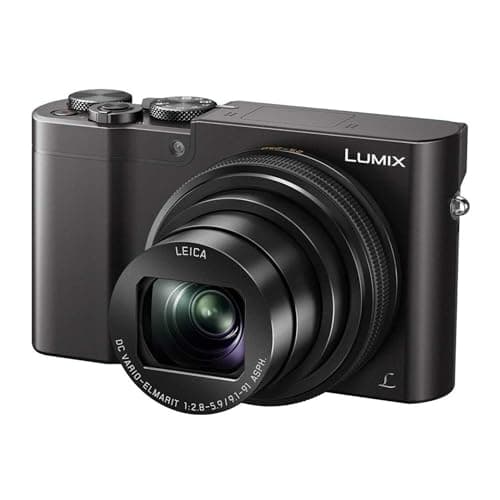
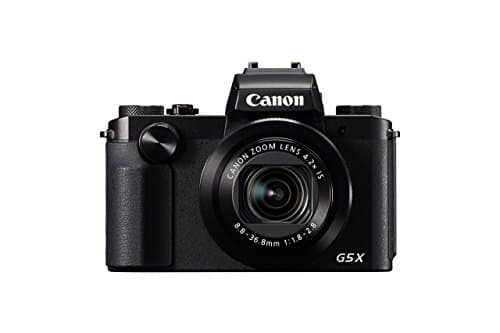
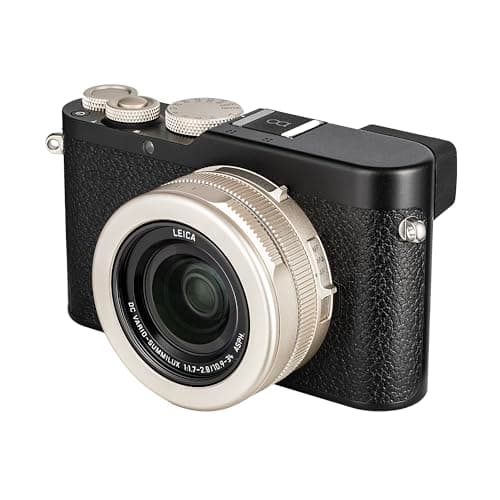
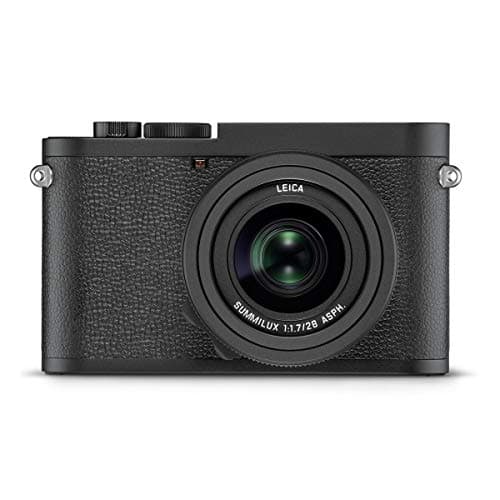
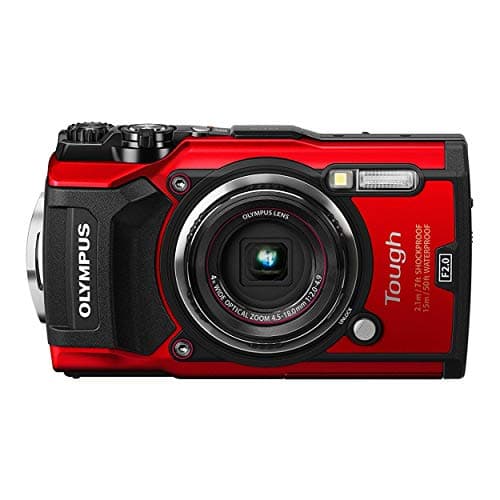
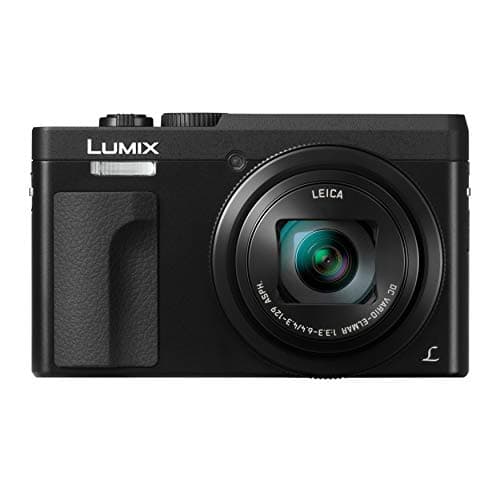
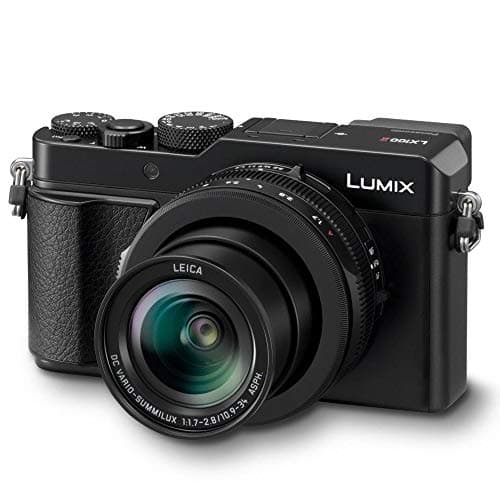
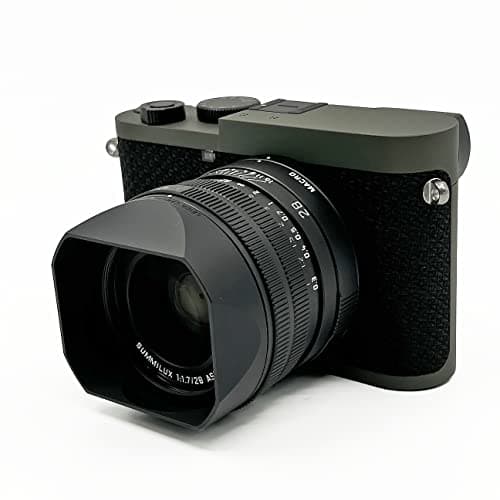
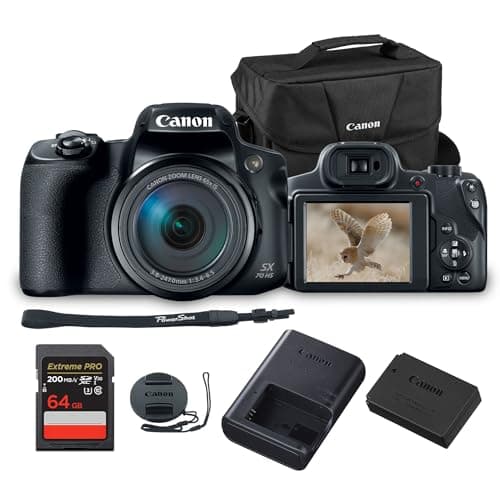
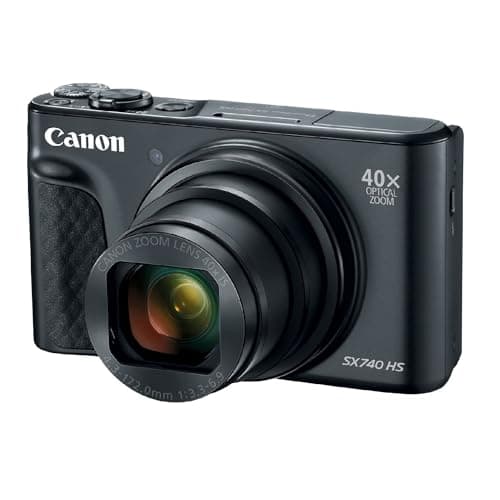
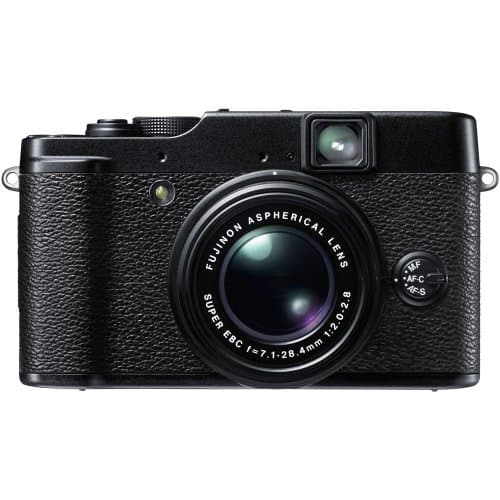
These are the best point-and-shoot cameras with 4K video, chosen for their ability to combine compact portability with professional-quality video features. In today’s world of content creation, video capability has become just as important as still photography—whether for vlogging, travel storytelling, or casual filmmaking. Point-and-shoot cameras equipped with 4K video offer a lightweight, easy-to-use solution for creators who want cinematic-quality footage without the complexity of interchangeable-lens systems. They balance small size with advanced video tools, making them ideal for travelers, vloggers, and hybrid shooters who need an all-in-one device for both stills and video. 4K recording brings cinematic quality to compacts. Cameras like the Sony RX100 VII (oversampled 4K from a 20MP 1-inch sensor) deliver crisp, detailed video that rivals larger mirrorless systems in quality. Canon’s PowerShot G7 X Mark III records uncropped 4K video, making it a favorite among vloggers and live streamers, while Panasonic’s Lumix LX10 and LX100 II provide sharp 4K recording with advanced creative controls. These cameras ensure that even casual creators can produce content suitable for YouTube, social media, or personal archives with professional polish. Compact size makes them travel- and vlog-friendly. Unlike bulkier setups, point-and-shoot cameras with 4K video are designed to be carried anywhere. The RX100 VII and G7 X Mark III both slip into a pocket yet deliver quality footage good enough for commercial use. Panasonic’s LX100 II, with its larger Micro Four Thirds sensor and fast lens, remains portable while providing greater depth of field control. For creators on the move, these cameras provide the perfect balance between portability and capability. Fast, versatile lenses expand creative options. The quality of a camera’s lens is crucial for video. The Sony RX100 VII offers a versatile 24–200mm zoom, ideal for everything from wide establishing shots to telephoto close-ups. The Canon G7 X Mark III features a bright 24–100mm f/1.8–2.8 lens that performs beautifully in low light and produces attractive background blur for vlogs or cinematic storytelling. Panasonic’s LX100 II stands out with its 24–75mm f/1.7–2.8 lens, offering both low-light strength and creative flexibility. These integrated lenses allow creators to capture a wide variety of scenes without changing gear. Autofocus keeps subjects sharp in motion. For video shooters, reliable autofocus is essential. The Sony RX100 VII brings real-time Eye AF and subject tracking technology from Sony’s mirrorless lineup, ensuring smooth, accurate focus during recording. Canon’s G7 X Mark III uses Dual Pixel AF for natural, responsive tracking, making it a go-to choice for vloggers filming themselves. These autofocus systems allow creators to stay sharp in frame even while moving, freeing them from worrying about technical focus adjustments. Stabilization delivers steady handheld footage. Shaky video is one of the biggest challenges for beginners, but many point-and-shoot cameras include optical or digital stabilization systems that help smooth out handheld shooting. The Canon G7 X Mark III offers solid optical stabilization, while Sony’s RX100 VII combines optical and digital stabilization for steady results even when walking with the camera. This is especially useful for vloggers and travelers who may not want to carry a gimbal. Advanced video features support creators. While still compact, many of these cameras include features normally found on larger systems. The RX100 VII supports S-Log for color grading, slow motion up to 960 fps, and microphone input for higher-quality audio. The Canon G7 X Mark III adds live-streaming capability directly to YouTube and clean HDMI output for external recording. Panasonic’s LX100 II provides manual exposure control, focus peaking, and other tools appreciated by filmmakers. These features give creators professional flexibility in small, user-friendly packages. Low-light performance enhances storytelling. With their fast lenses and larger sensors, 4K-enabled point-and-shoots handle dim environments much better than smartphones. The Canon G7 X Mark III’s f/1.8 lens makes it excellent for nighttime vlogs, while Panasonic’s LX100 II and Leica D-Lux 7 (a premium variant of the LX100) leverage larger sensors to capture clean, noise-free footage in low light. This strength ensures creators can tell their stories across a wider variety of environments. Connectivity keeps workflows efficient. Built-in Wi-Fi and Bluetooth allow for quick sharing and control from smartphones. The Canon G7 X Mark III stands out for its ability to live-stream directly to platforms like YouTube—a unique feature in a compact camera. Sony’s Imaging Edge app and Panasonic’s companion app make it easy to transfer clips for quick editing on mobile devices, ensuring that creators can produce and share content while on the go. Battery life supports longer filming sessions. While compact cameras naturally face smaller battery capacity, models like the RX100 VII and G7 X Mark III provide respectable endurance for vlogging or travel days, with USB charging available for topping up power banks in the field. This ensures reliability for creators who spend long hours filming away from outlets. Whether you’re a vlogger looking for a pocket-sized 4K camera, a traveler who wants cinematic-quality video without heavy gear, or an enthusiast exploring hybrid storytelling, the best point-and-shoot cameras with 4K video combine professional recording features with user-friendly designs. They offer bright lenses, reliable autofocus, solid stabilization, and compact portability—all while delivering footage good enough for today’s demanding content platforms. For creators who want to keep their gear simple but their quality high, these cameras are more than just compacts—they are complete creative tools designed for the modern storyteller.
Cameras by brand:
Cameras by price:
Cameras by type:
Cameras by sensor:
Cameras by feature:
- Best Point-and-Shoot Cameras with 4K Video
Best Point-and-Shoot Cameras with 6K Video
- Best Point-and-Shoot Cameras with 8K Video
- Best Point-and-Shoot Cameras with Bluetooth
Best Point-and-Shoot Cameras with Built-In Flash
Best Point-and-Shoot Cameras with Dual Card Slots
- Best Point-and-Shoot Cameras with Flip Screen
- Best Point-and-Shoot Cameras with Image Stabilization
- Best Point-and-Shoot Cameras with Touchscreen
- Best Point-and-Shoot Cameras with Weather-Sealing
- Best Point-and-Shoot Cameras with Wi-Fi
Cameras by use case:
Cameras by experience:
Cameras lenses: