
10 Best Mirrorless Cameras with 4K Video in 2026
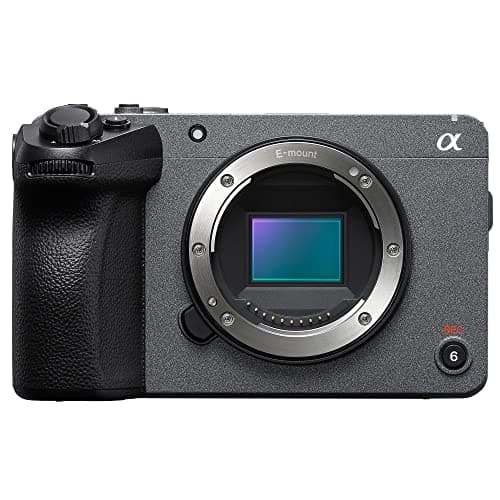
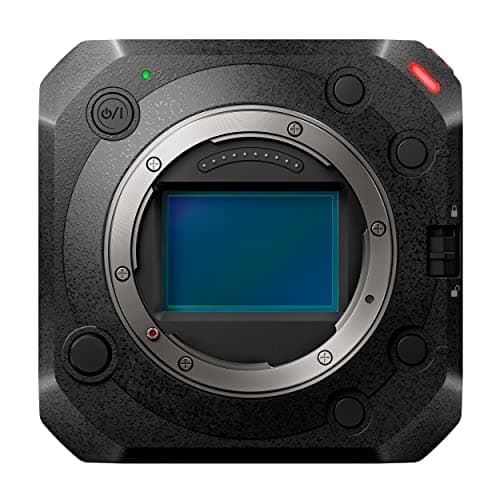
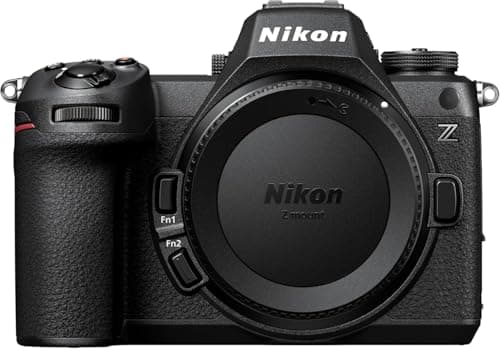
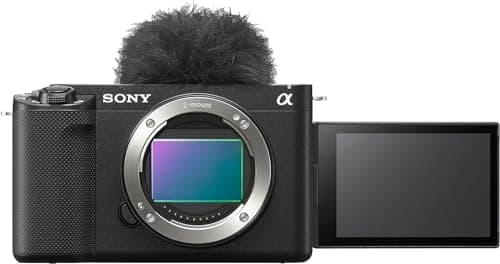
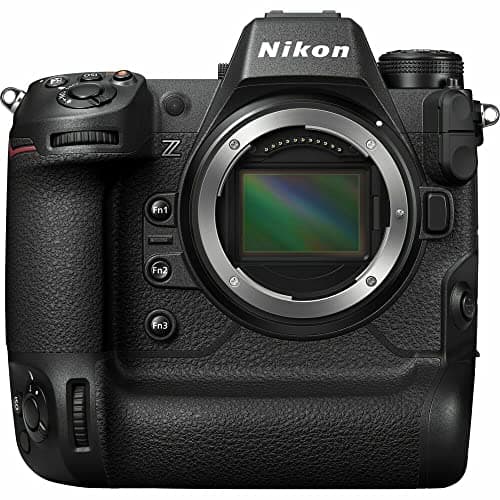
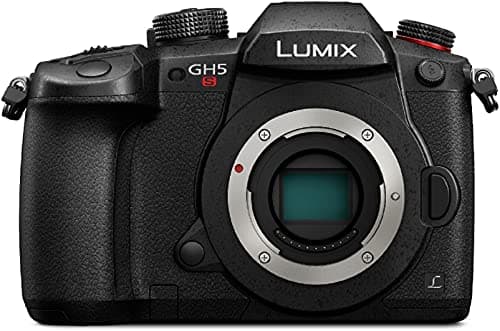
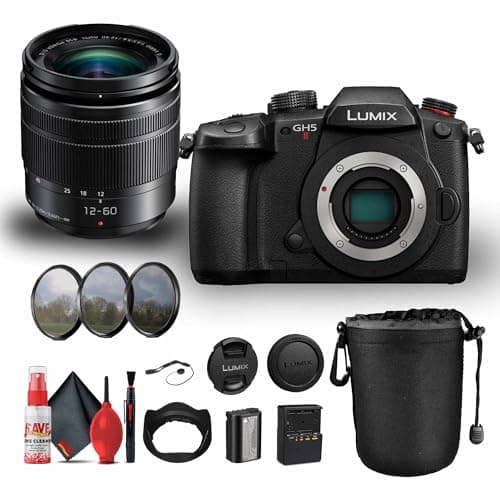
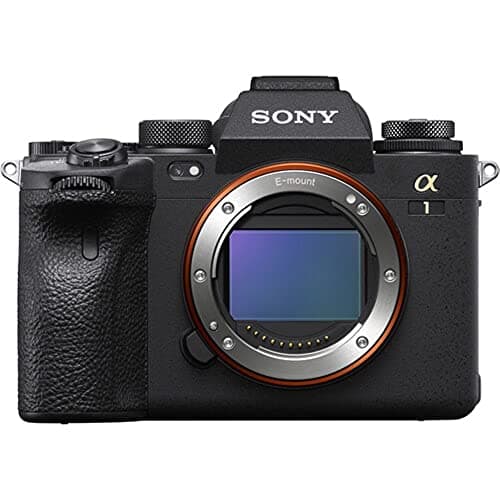
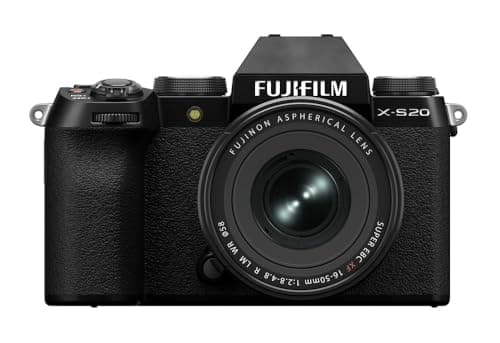
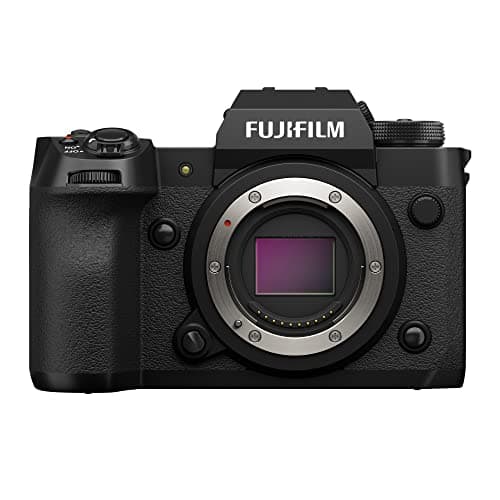
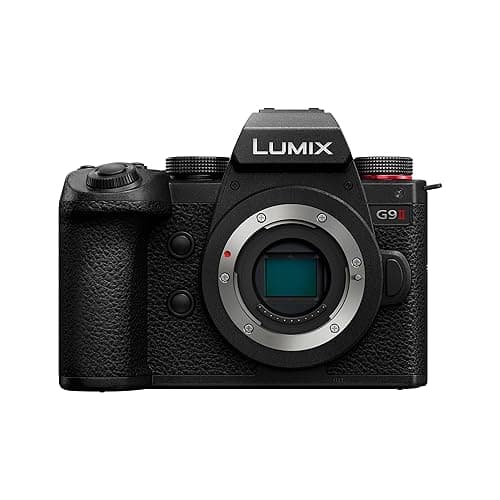
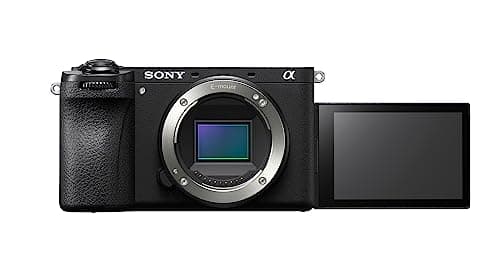
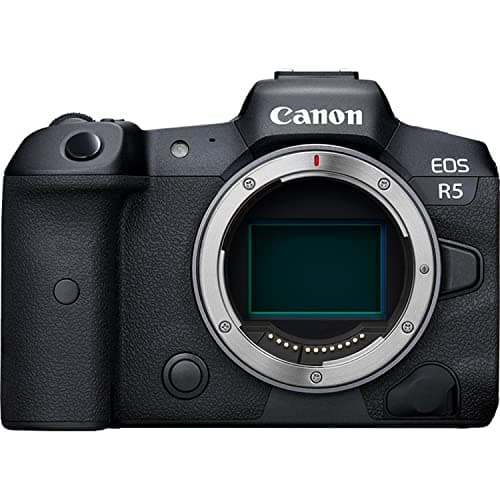
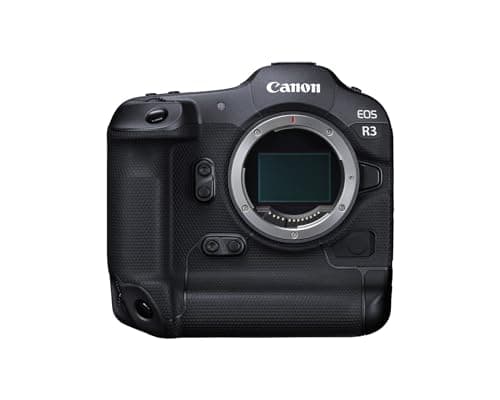
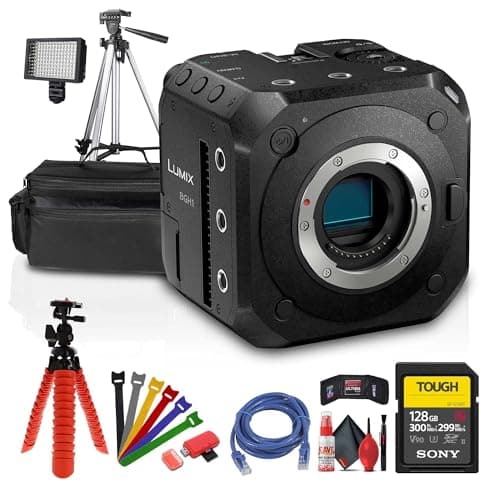
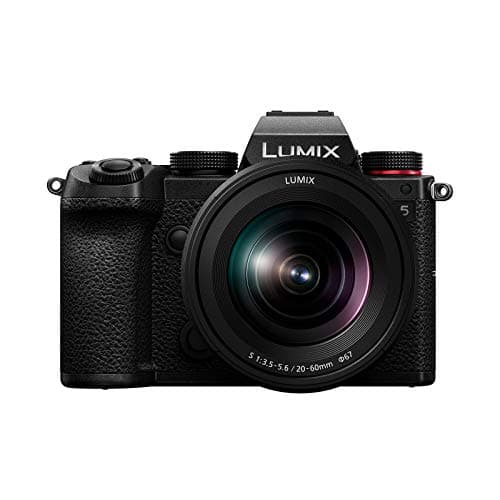
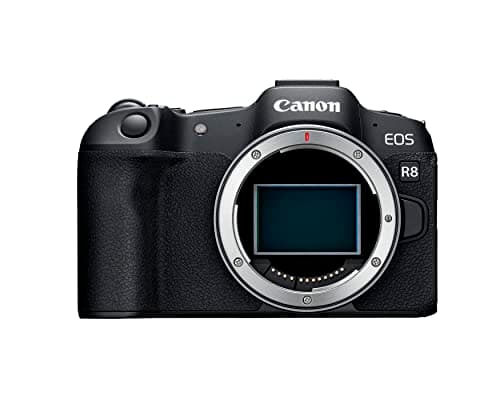
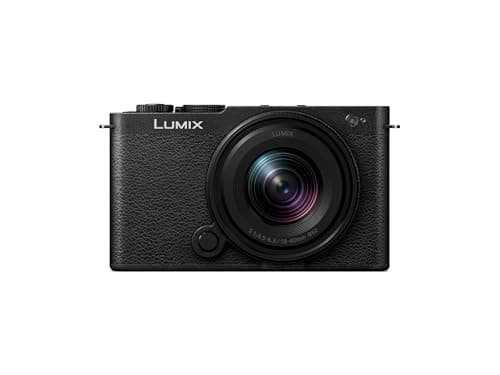
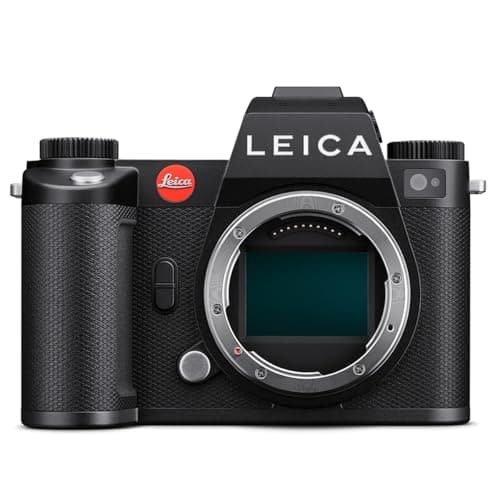
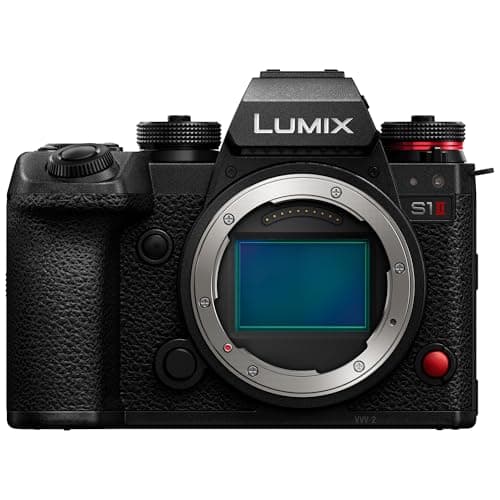
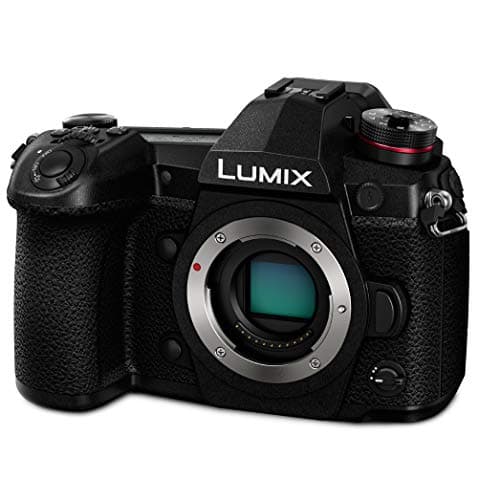

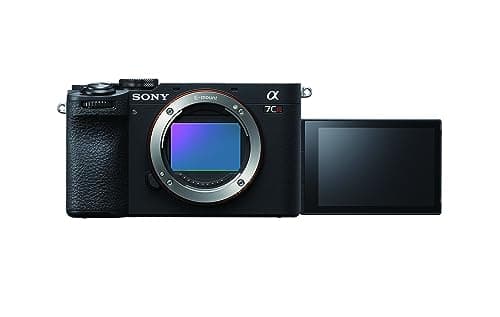
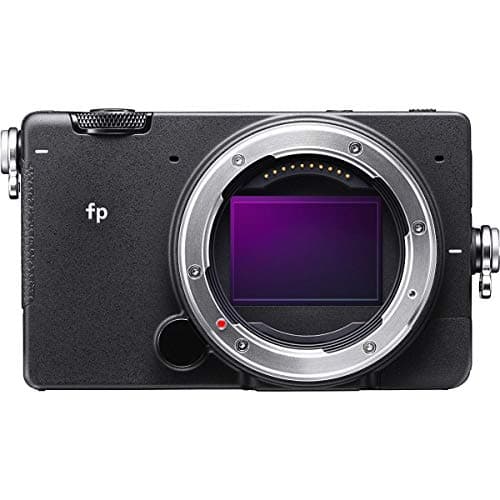
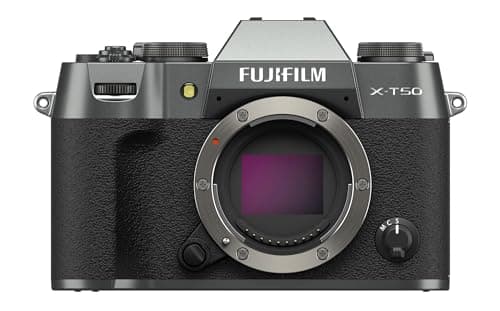
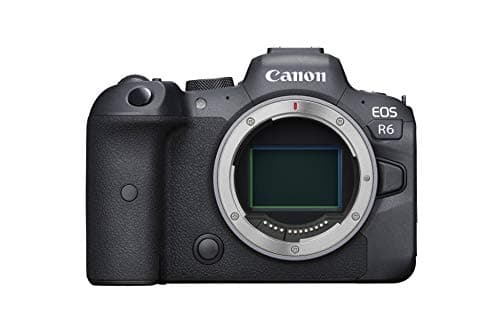
* Product prices and availability are accurate as of the date/time indicated and are subject to change. Any price and availability information displayed on Amazon.com at the time of purchase will apply to the purchase of this product.
* Imaginated.com may receive compensation for purchases made at participating retailers linked on this site. This compensation does not affect what products or prices are displayed, or the order of prices listed. Learn more here.
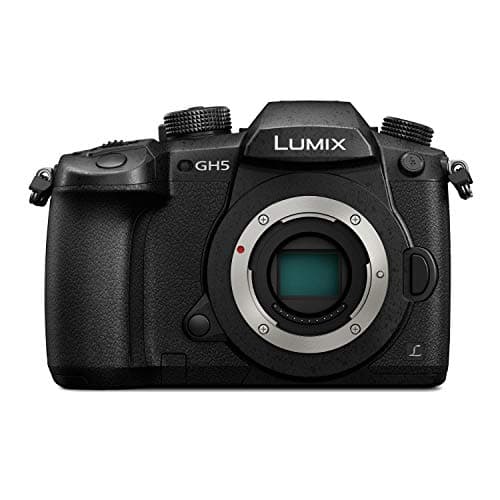
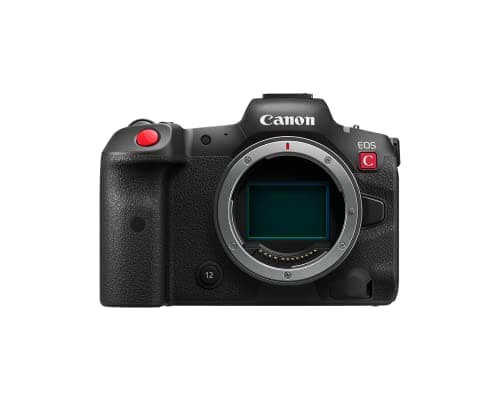
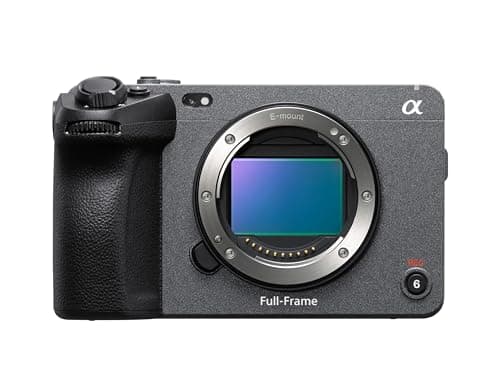
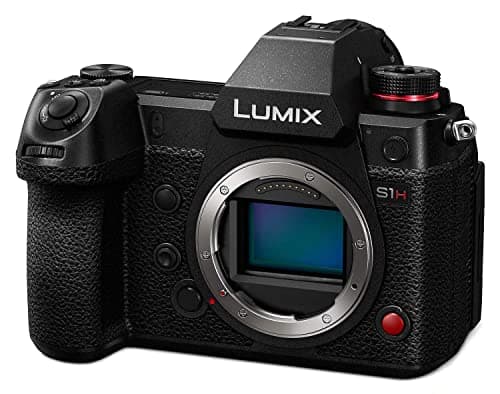
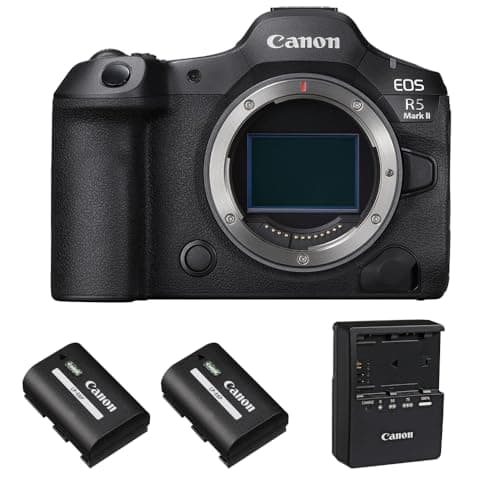
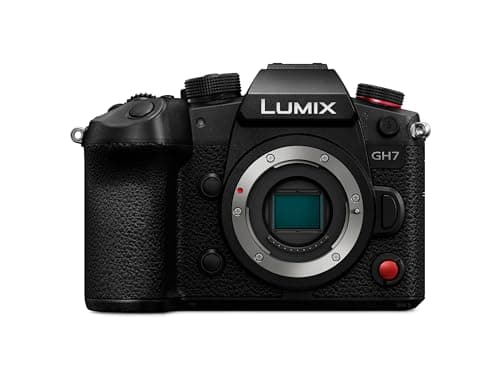
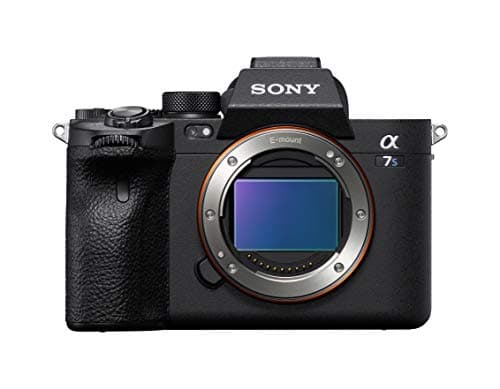
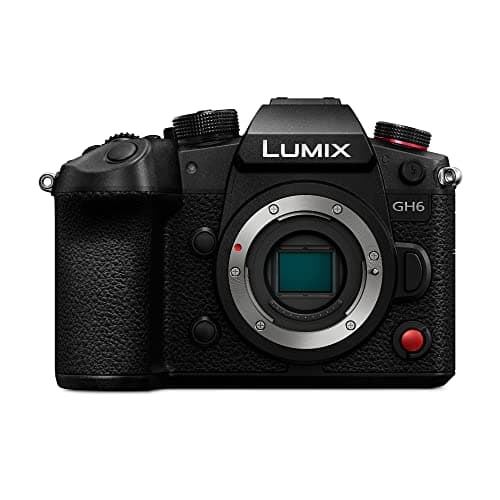
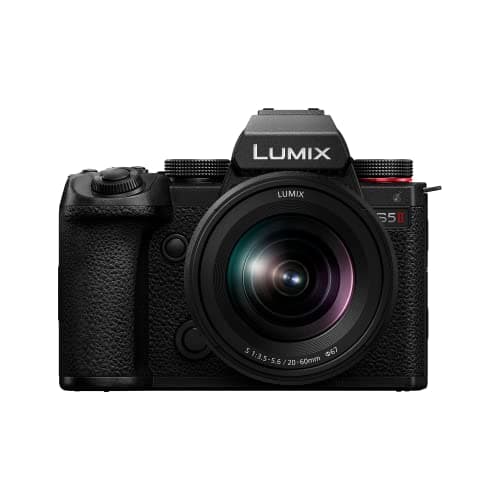
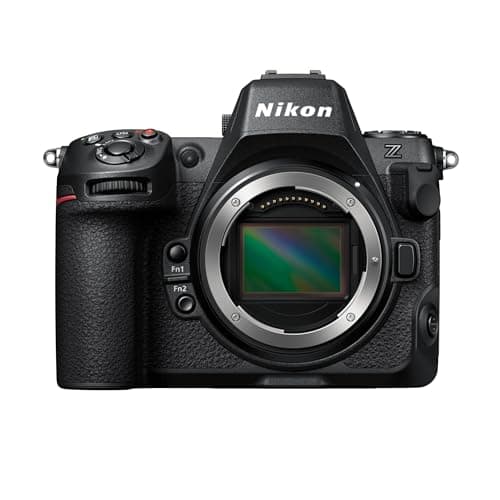
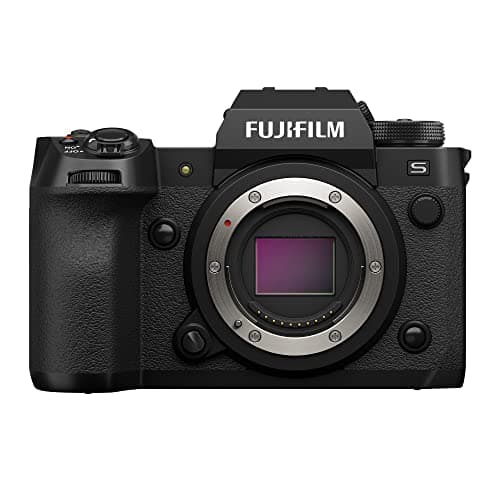
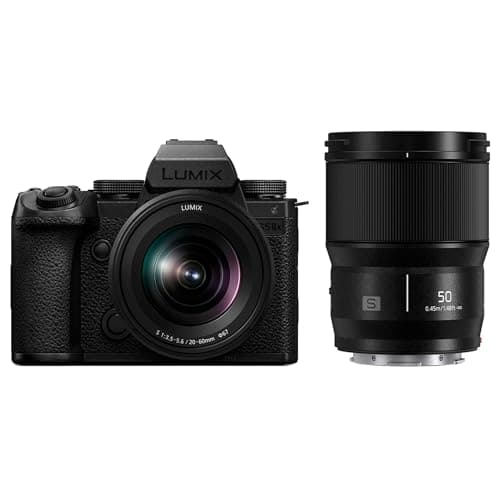
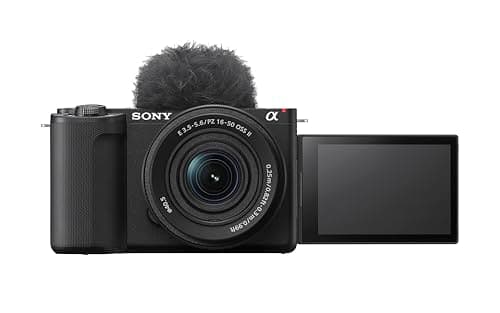
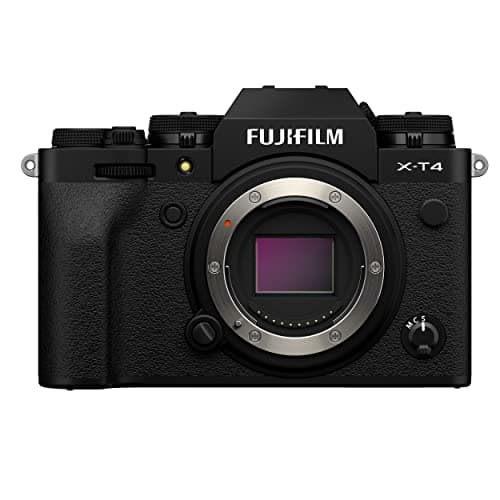
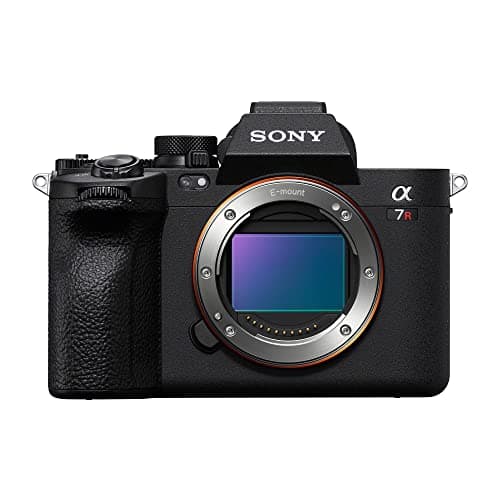
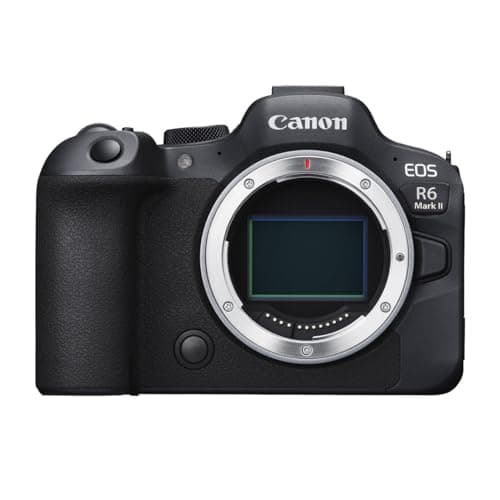
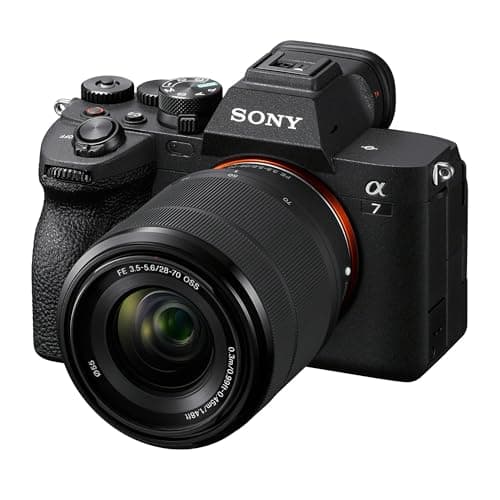
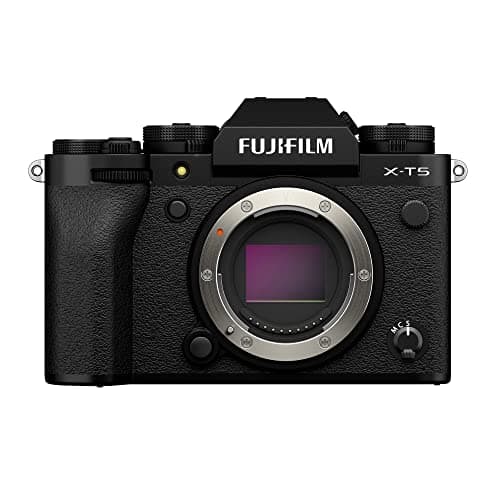
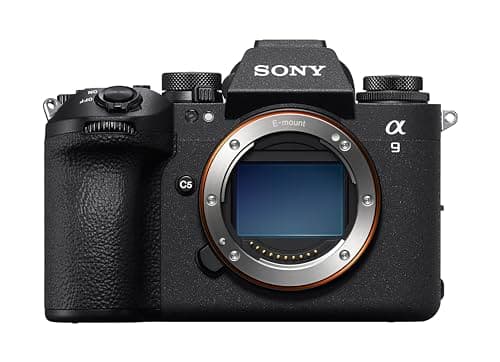
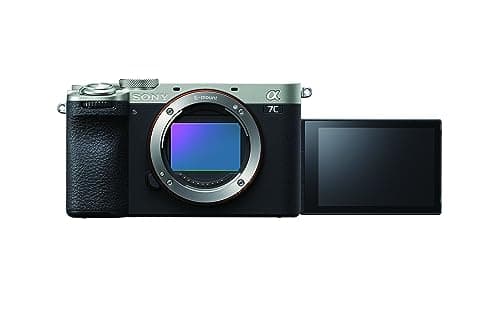
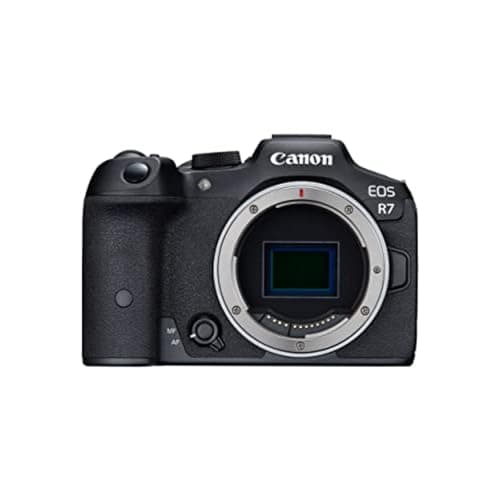
These are the best mirrorless cameras with 4K video, selected for their ability to combine high-quality motion capture with advanced stills performance in compact, versatile bodies. In today’s creative landscape, video is no longer an afterthought—it is a core expectation for hybrid creators, vloggers, filmmakers, and professionals alike. Mirrorless cameras have become the gold standard for 4K video because they deliver cinematic quality, advanced codecs, and professional tools in lightweight packages, often outperforming traditional camcorders or DSLRs. Whether you are a YouTuber producing daily content, a wedding filmmaker documenting important moments, or a commercial shooter creating polished client projects, these cameras ensure that 4K video is sharp, detailed, and color-rich while offering the flexibility to adapt to different creative workflows. Image quality in 4K video is a defining strength of mirrorless systems. The best cameras in this category oversample from higher-resolution sensors to produce crisp, detailed footage with minimal moiré or aliasing. The Sony A7 IV, for example, records 7K oversampled 4K at up to 30 frames per second, ensuring outstanding sharpness and clarity. Canon’s EOS R6 Mark II provides uncropped 4K/60p recording with beautiful Canon color science and 10-bit 4:2:2 depth, giving filmmakers cinematic results straight out of the camera. Fujifilm’s X-T5 offers oversampled 6.2K to 4K/60p, combining exceptional detail with Fuji’s popular film simulations for unique creative looks. At this level, 4K video quality rivals dedicated cinema cameras, giving creators access to broadcast-quality footage in portable form. Frame rates and flexibility make these cameras powerful hybrid tools. While standard 4K/30p recording is widely available, the best mirrorless cameras now offer 4K/60p and even 4K/120p for ultra-smooth motion and slow-motion effects. The Sony α6700 delivers 4K/120p, opening possibilities for cinematic slow motion in an APS-C body. Panasonic’s GH6, a Micro Four Thirds powerhouse, goes even further with 4K/120p in 10-bit and advanced codecs like ProRes, appealing to filmmakers who need professional post-production flexibility. These high frame rate options give creators tools to elevate storytelling, whether for sports, action, or cinematic sequences. Color science and dynamic range enhance creative control. Professional features such as Log recording, HDR modes, and 10-bit internal capture provide the latitude needed for grading and post-production. Canon’s C-Log 3, Sony’s S-Log3, Fujifilm’s F-Log2, and Panasonic’s V-Log each provide extended dynamic range and flat profiles designed for professional workflows. Combined with wide color gamuts and high bit depth, these tools ensure footage that holds up in professional editing pipelines, delivering both flexibility and cinematic quality. Autofocus in video has become a game-changing feature of mirrorless cameras. Real-time tracking, face detection, and eye autofocus allow creators to film confidently without worrying about focus drift. Sony’s real-time AF is considered a benchmark, keeping subjects sharp even in fast-moving scenes or unpredictable environments. Canon’s Dual Pixel CMOS AF II offers smooth, cinematic focus transitions while maintaining reliable subject detection across the frame. Fujifilm and Panasonic have made major strides with hybrid phase-detect systems, ensuring that videographers can trust autofocus even when shooting wide open or in motion-heavy scenarios. Stabilization elevates 4K video usability. In-body image stabilization (IBIS), combined with lens-based stabilization and digital options, allows for steady handheld video that rivals footage captured with gimbals. The Canon EOS R7 offers up to 8 stops of shake reduction, making it possible to capture smooth 4K footage even with telephoto lenses. Panasonic’s GH6 remains a leader in stabilization, providing gimbal-like steadiness in handheld video, a feature especially valuable for run-and-gun filmmakers, travel vloggers, and documentary shooters. Audio and connectivity complete the professional package. High-quality video requires equally capable sound, and these cameras include microphone and headphone jacks for external audio recording and monitoring. Many models also offer clean HDMI output for external recorders, enabling 12-bit RAW capture. USB-C, Wi-Fi, and Bluetooth connectivity streamline workflows, making it easy to transfer footage, live-stream, or tether during production. Panasonic’s S5 IIX, for example, even offers professional features like ProRes RAW output over HDMI, making it a bridge between mirrorless cameras and dedicated cinema rigs. Build quality and ergonomics are designed for creators who rely on 4K video daily. Fully articulating LCD screens, high-resolution EVFs, and customizable controls ensure that videographers can compose shots from any angle and adapt quickly to changing environments. Weather-sealed construction protects against challenging conditions, while compact designs keep gear lightweight and portable, especially important for creators traveling or shooting handheld for extended sessions. Lens ecosystems add creative flexibility. Sony’s E-mount, Canon’s RF, Nikon’s Z, Panasonic/OM’s Micro Four Thirds, and Fujifilm’s X-mount each provide extensive lens lineups that support 4K video production. From fast primes with creamy bokeh to sharp, stabilized zooms, these lenses ensure creators can achieve the exact look they want. Adaptability to legacy glass further expands options, letting filmmakers experiment with vintage lenses for unique character in their footage. Battery life and reliability keep these systems practical for video work. While 4K capture is power-intensive, modern mirrorless cameras have improved efficiency, offering extended recording times with larger batteries or USB-C power delivery. Heat management is also crucial, and many of today’s cameras incorporate cooling solutions or efficient sensor designs to enable longer, uninterrupted 4K sessions—an essential feature for professionals shooting events, interviews, or commercial projects. Whether you are creating cinematic films, professional client projects, high-end YouTube content, or slow-motion action sequences, the best mirrorless cameras with 4K video deliver the tools to bring your vision to life. They combine outstanding image quality, advanced autofocus, robust stabilization, and professional audio/video workflows in compact bodies, making them the ultimate hybrid solution for modern creators. For anyone serious about video, these cameras represent the point where portability meets professional-grade capability, ensuring that 4K production is as accessible as it is powerful.
Cameras by brand:
Cameras by price:
Cameras by type:
Cameras by sensor:
Cameras by feature:
- Best Mirrorless Cameras with 4K Video
- Best Mirrorless Cameras with 6K Video
- Best Mirrorless Cameras with 8K Video
- Best Mirrorless Cameras with Bluetooth
- Best Mirrorless Cameras with Built-In Flash
- Best Mirrorless Cameras with Dual Card Slots
- Best Mirrorless Cameras with Flip Screen
- Best Mirrorless Cameras with Image Stabilization
Best Mirrorless Cameras with Touchscreen
- Best Mirrorless Cameras with Weather-Sealing
- Best Mirrorless Cameras with Wi-Fi
Cameras by use case:
Cameras by experience:
Cameras lenses: