
10 Best Mirrorless Cameras for Fashion Photography in 2026

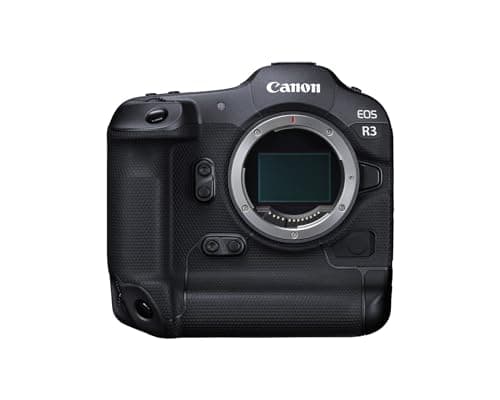
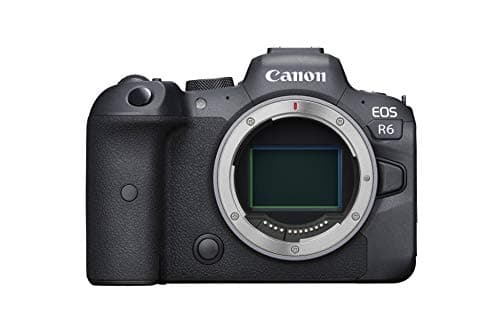
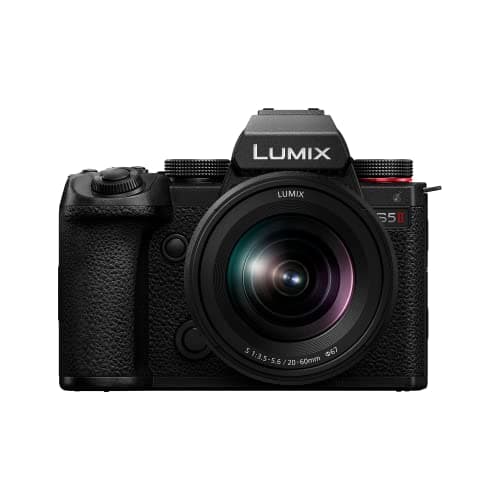
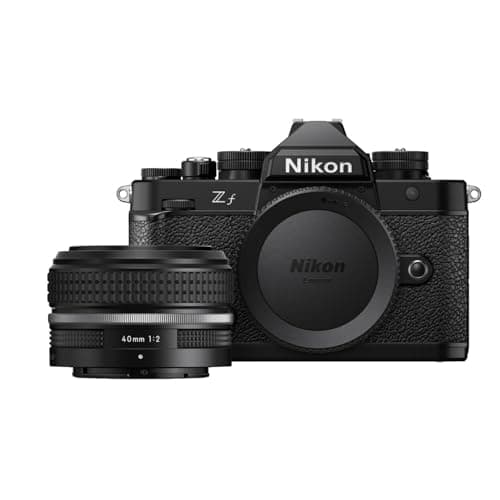
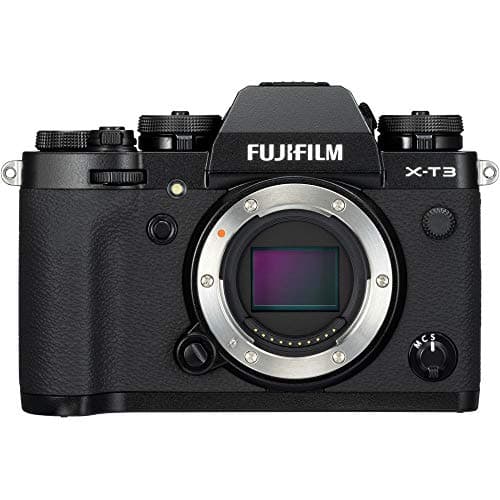
* Product prices and availability are accurate as of the date/time indicated and are subject to change. Any price and availability information displayed on Amazon.com at the time of purchase will apply to the purchase of this product.
* Imaginated.com may receive compensation for purchases made at participating retailers linked on this site. This compensation does not affect what products or prices are displayed, or the order of prices listed. Learn more here.
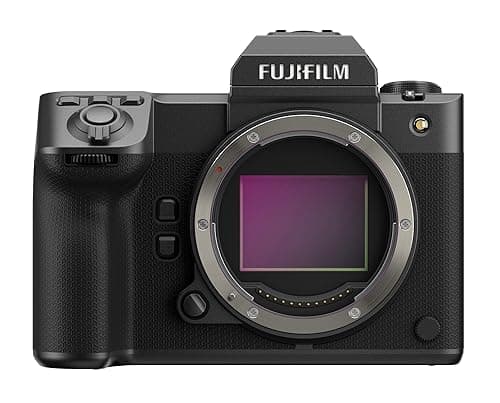
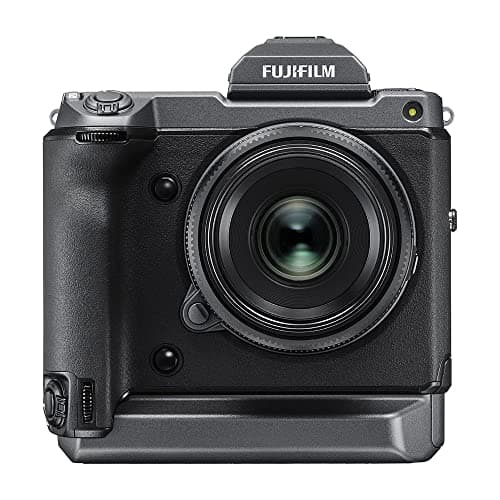
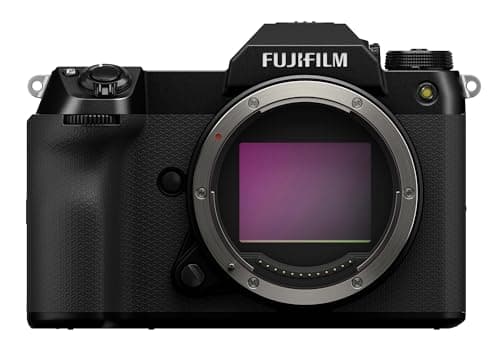
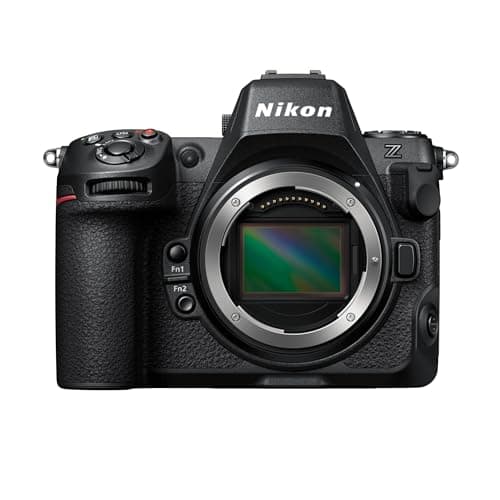
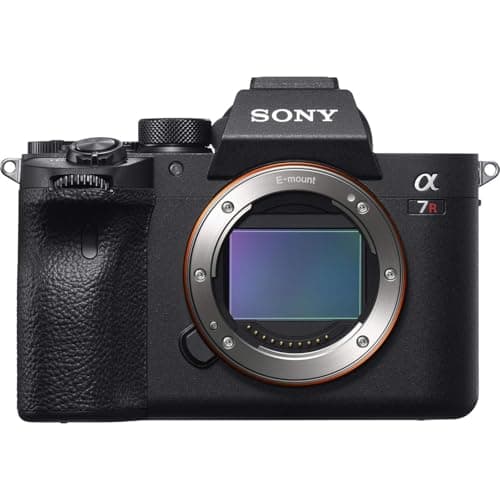
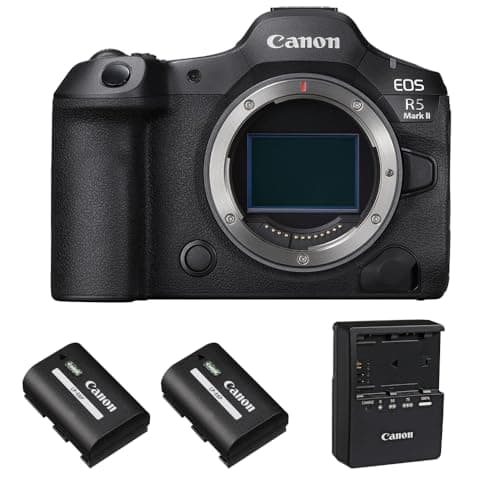
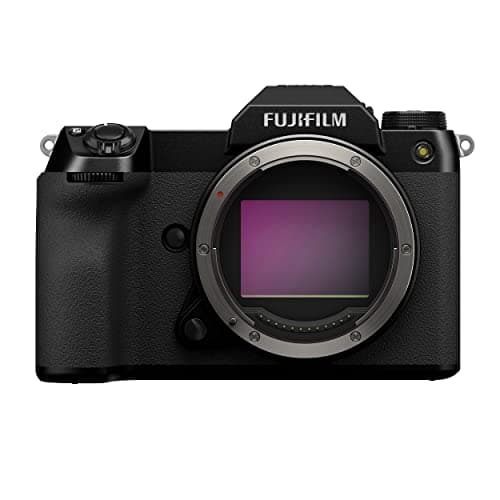
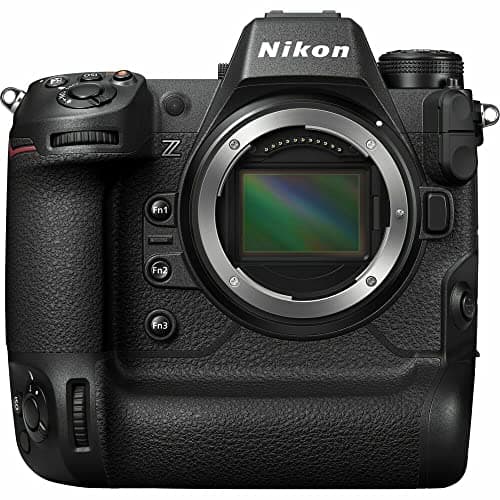
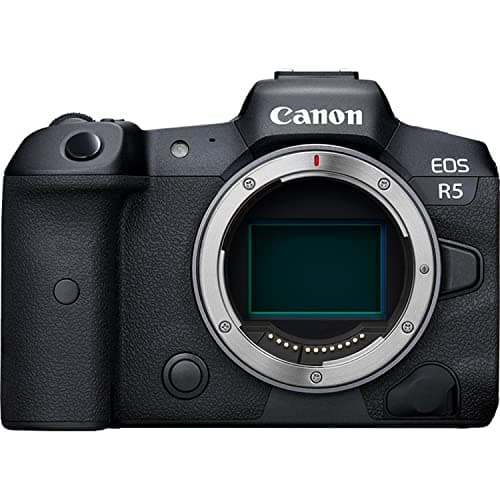
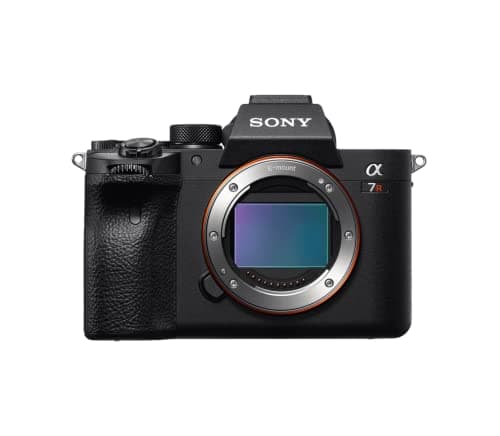
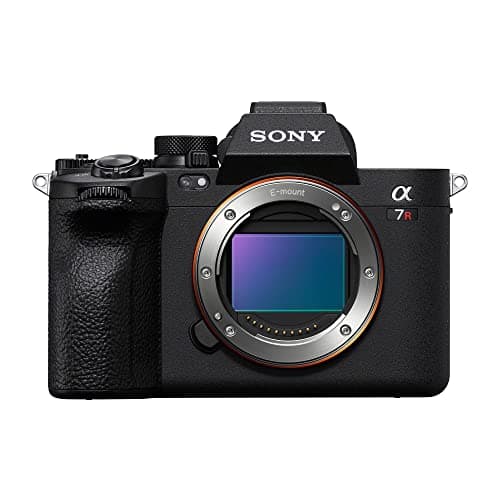
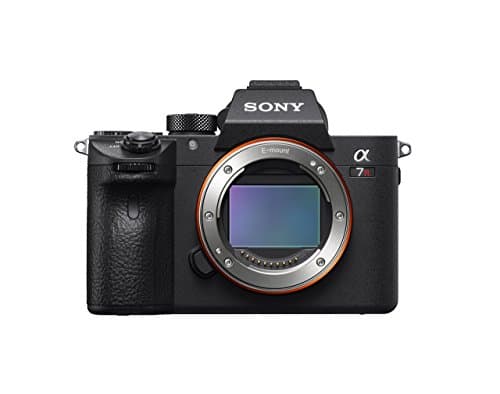
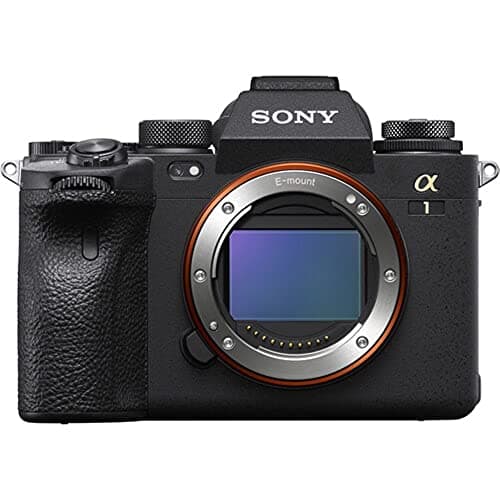
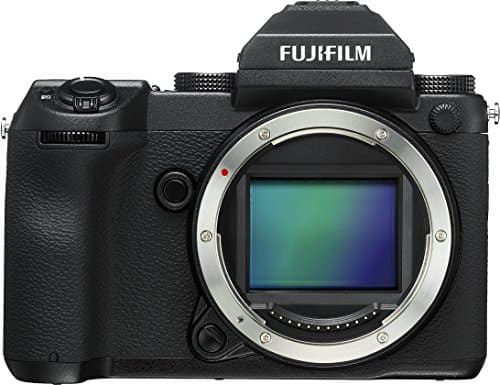
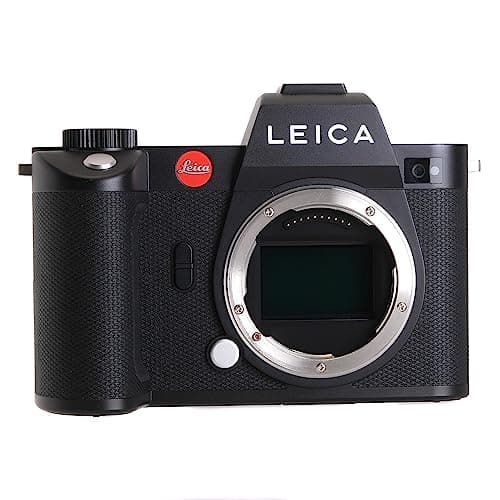
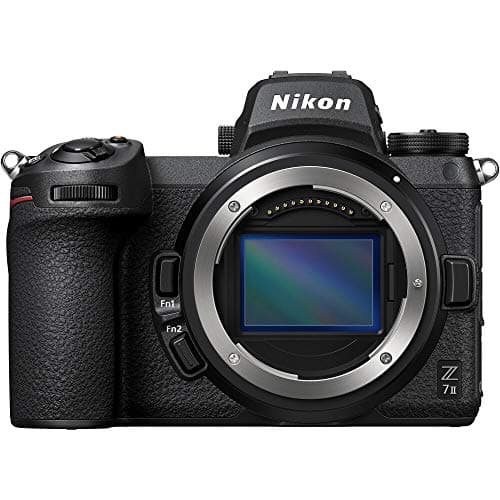
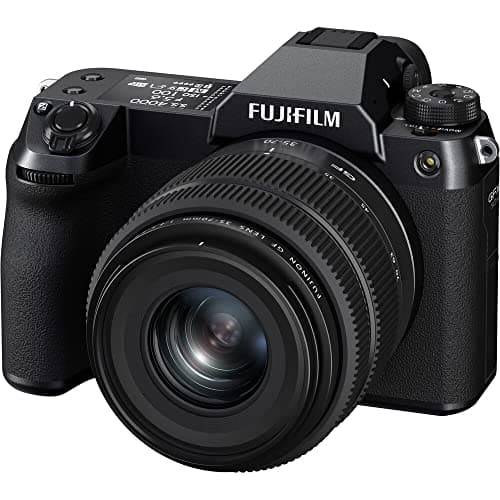
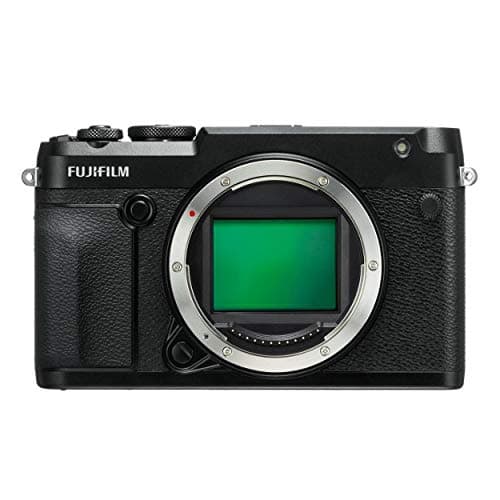
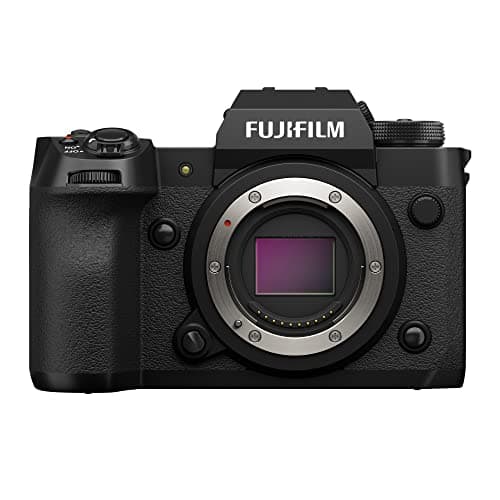
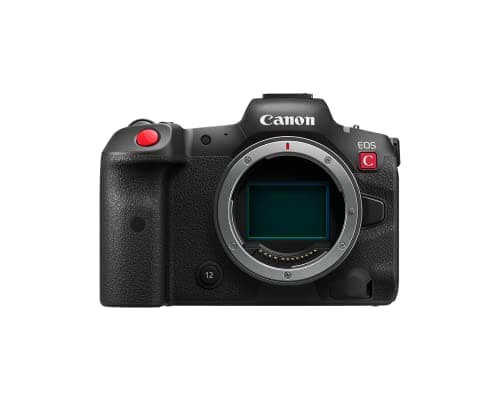
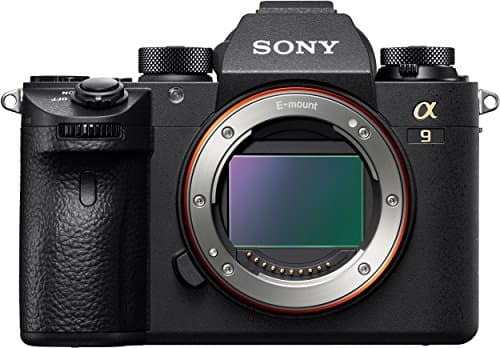
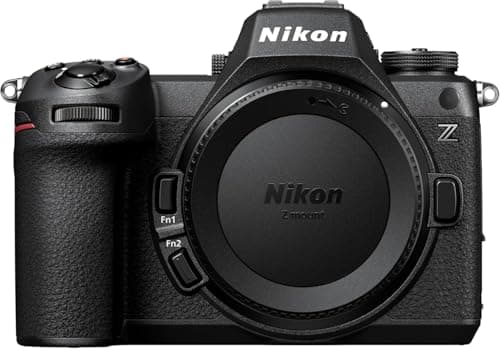
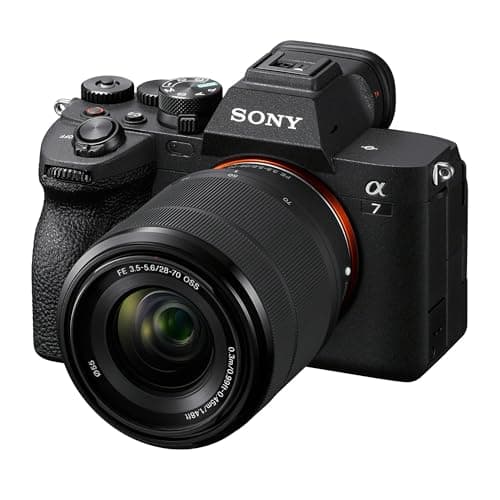
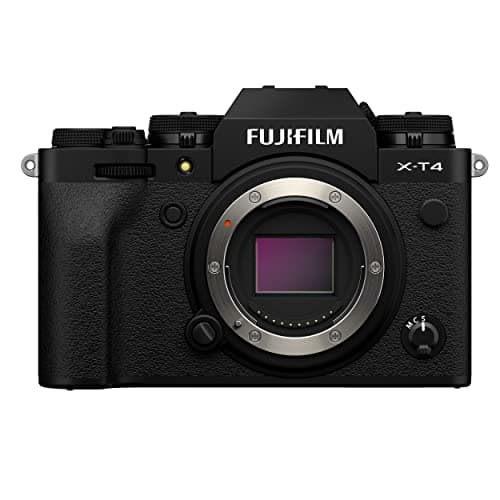
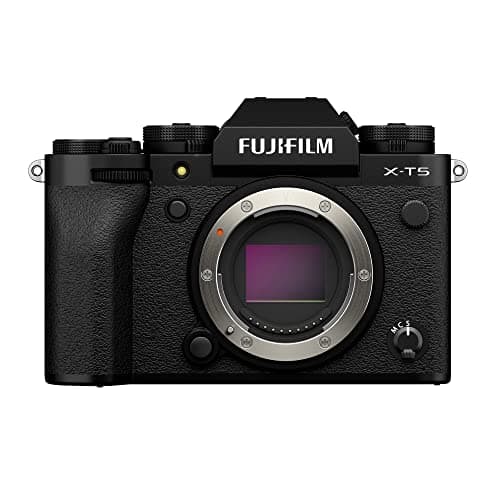
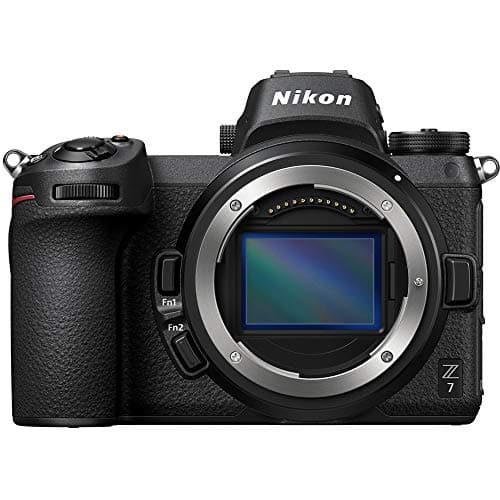
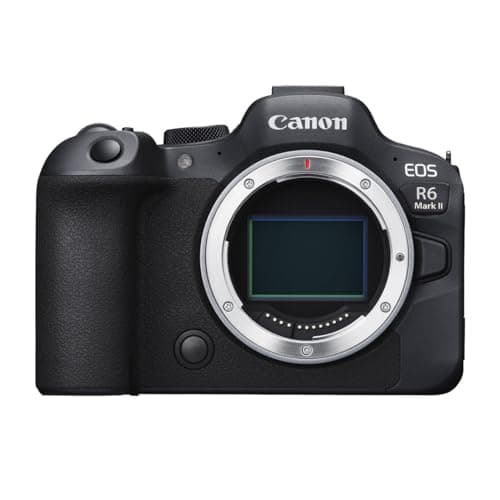
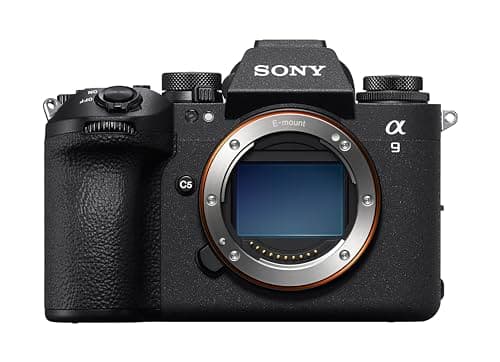
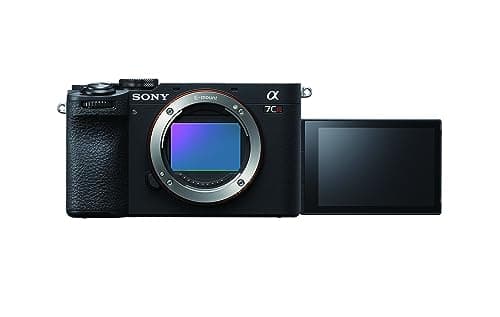
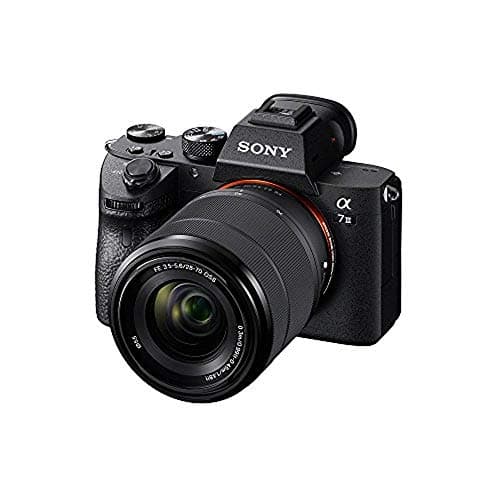
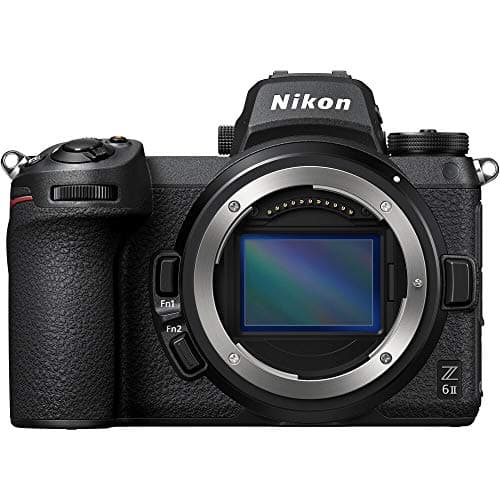
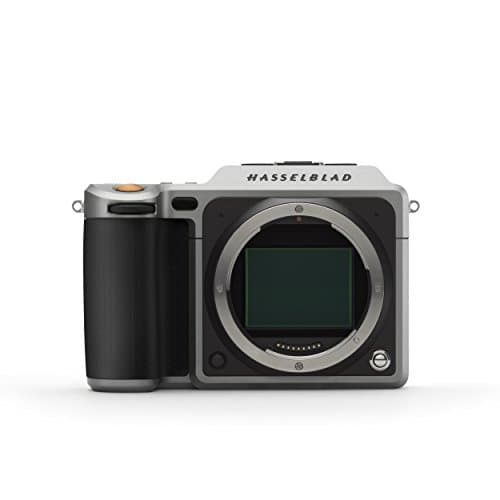
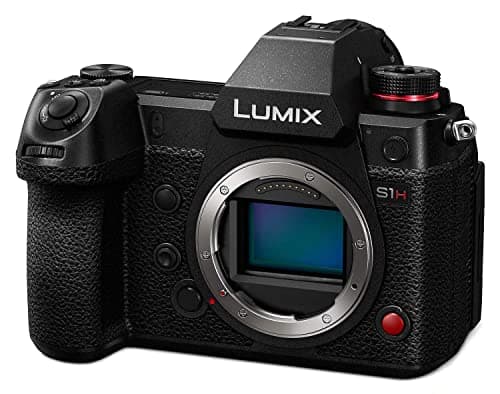
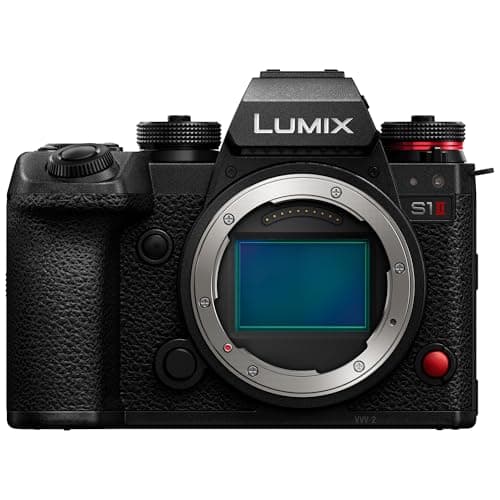
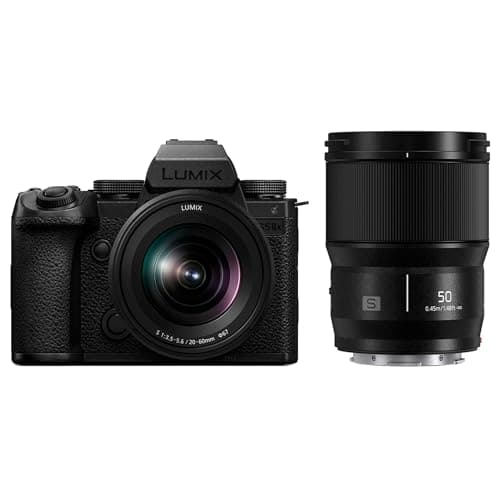
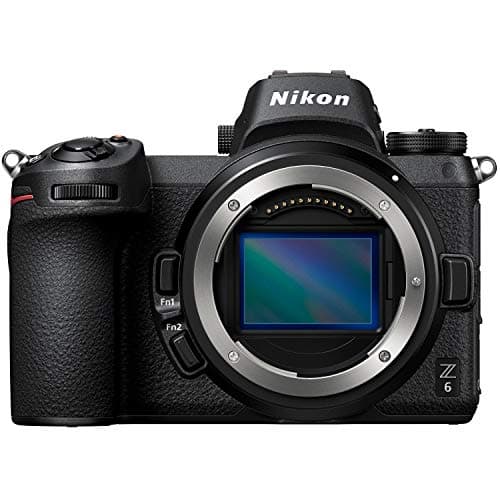
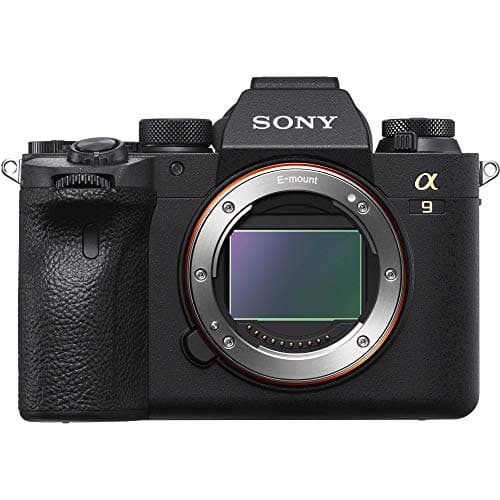
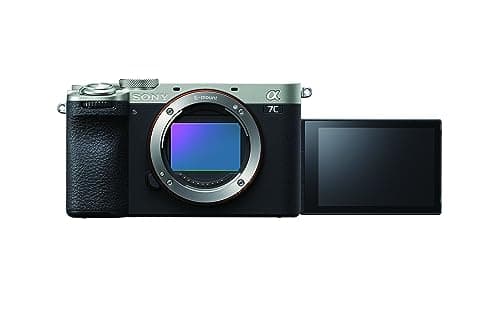
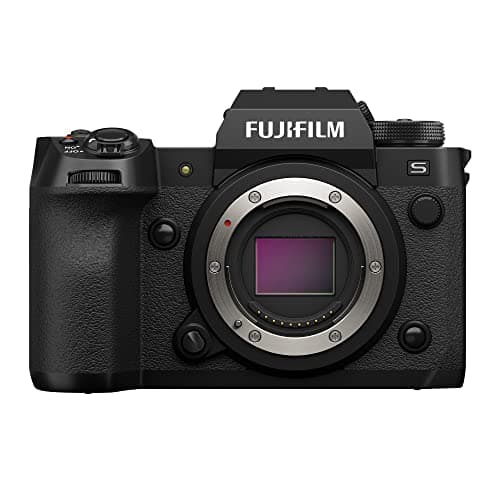
These are the best mirrorless cameras for fashion photography, selected for their ability to deliver exceptional resolution, color accuracy, and creative flexibility in one of the most detail-driven photographic genres. Fashion photography is about precision and artistry—every texture, color, and expression matters, whether the images are destined for glossy magazine spreads, runway coverage, or high-end advertising campaigns. Mirrorless systems have become the preferred choice for fashion professionals, offering not only stunning image quality but also advanced autofocus, robust video capabilities, and compatibility with world-class lenses. Whether working in the studio under controlled lighting or on location in dynamic natural light, these cameras ensure that every garment, accessory, and model is captured with perfection. High resolution is the foundation of fashion photography. Designers and editors expect images that reveal intricate fabric textures, fine stitching, and true-to-life color. Cameras like the Sony A7R V (61MP), Canon EOS R5 Mark II (45MP), and Nikon Z7 II (45.7MP) deliver extraordinary detail, allowing prints at billboard scale or heavy cropping without losing sharpness. Medium-format mirrorless options like the Fujifilm GFX100 II (102MP) or GFX50S II (50MP) push resolution even further, producing files with depth and tonality unmatched by smaller formats. These high-resolution sensors are indispensable for fashion photographers producing editorial or commercial work that requires maximum detail and fidelity. Color science is equally critical. Fashion imagery must render fabrics accurately while still capturing skin tones beautifully. Canon’s EOS R5 Mark II and R6 Mark II are widely praised for natural color reproduction, especially skin tones—a crucial factor for editorial and portrait-based fashion work. Fujifilm’s X-T5 and GFX series offer distinctive film simulations that give fashion photos unique character, while still maintaining accurate color rendition for client requirements. Sony’s A7R V and A1 provide highly flexible color grading options with 10-bit capture, making them versatile tools for both stills and video. Dynamic range provides creative flexibility. Studio shoots may involve high-contrast lighting, while outdoor fashion shoots often balance bright skies against shaded environments. Cameras like the Nikon Z9, Sony A7R V, and Canon R5 Mark II offer exceptional dynamic range, allowing photographers to recover highlight detail in reflective fabrics while maintaining deep contrast in shadows. For fashion, where lighting is both creative and technical, dynamic range ensures that every subtle variation in tone and texture is preserved. Autofocus performance ensures sharpness where it matters. Eye and face detection systems are indispensable for fashion photography, where models are constantly moving during runway shows or on-location shoots. Sony’s real-time Eye AF is considered industry-leading, reliably locking onto subjects even in dynamic environments. Canon’s Dual Pixel CMOS AF II offers similarly excellent tracking, while Nikon’s subject detection in the Z8 and Z9 ensures focus accuracy even during rapid model movements. For fashion shoots, where sharpness on eyes and faces is non-negotiable, these autofocus systems provide confidence and precision. Stabilization adds freedom in creative shooting. In-body image stabilization (IBIS) allows photographers to shoot handheld at slower shutter speeds without compromising sharpness. This is invaluable when working with natural light during editorial shoots or when creating fashion content on location. Cameras like the Canon R5 Mark II, Sony A7R V, and Fujifilm X-T5 offer up to 7–8 stops of stabilization, ensuring sharpness even in less controlled environments. For hybrid fashion photographers, IBIS also ensures smooth handheld video footage for behind-the-scenes or promotional reels. Video capability has become increasingly important in fashion. Modern fashion campaigns often demand both stills and video. Cameras like the Canon R5 Mark II (8K video), Sony A1 (8K/30p, 4K/120p), and Nikon Z8 (8K RAW) provide cinematic video features suitable for high-end productions. Fujifilm’s X-H2S and Panasonic’s Lumix S5 II also excel in hybrid fashion workflows, offering high-resolution video with film-like rendering. With clean HDMI out, Log profiles, and advanced color grading support, these cameras allow fashion photographers to produce professional-quality motion content alongside still imagery. Lens ecosystems are central to fashion photography. Fast primes like 50mm f/1.2, 85mm f/1.4, and 135mm f/1.8 are staples for fashion portraiture, offering flattering compression and shallow depth of field. Zooms like 24–70mm f/2.8 and 70–200mm f/2.8 provide versatility for both studio and runway work. Canon’s RF L-series, Sony’s G Master lenses, and Nikon’s S-Line all deliver razor-sharp optics with beautiful rendering, perfect for high-resolution sensors. For medium-format shooters, Fujifilm’s GF lenses produce exceptional sharpness and tonality, elevating fashion imagery to fine art. Build quality and ergonomics support professional demands. Fashion photography often involves long days in studios, on runways, or on outdoor locations. Cameras like the Nikon Z9, Canon R5 Mark II, and Sony A7R V are built with rugged magnesium alloy frames and weather sealing, ensuring durability in all conditions. Lightweight options like the Canon R8 or Sony A7C II provide portability for travel fashion shoots, without compromising image quality. Comfortable grips, intuitive menus, and customizable controls help photographers stay efficient during long sessions. Connectivity streamlines fashion workflows. Tethered shooting is standard in fashion, allowing instant previews on monitors for creative directors, stylists, and clients. Cameras like the Canon R5 Mark II, Sony A7R V, and Nikon Z8 support fast wired and wireless tethering, integrating seamlessly with software like Capture One or Lightroom. Built-in Wi-Fi and Bluetooth also enable quick sharing for social media content during live events or behind-the-scenes coverage, an increasingly important aspect of modern fashion campaigns. Battery life ensures reliability during long shoots. Fashion productions often involve hours of continuous shooting, and dependable power is essential. Cameras like the Nikon Z9 and Sony A1 provide extended endurance, while Canon’s R6 Mark II and Fujifilm’s X-T5 deliver strong performance with the option of USB-C charging or external power supplies. This ensures uninterrupted shooting during runway shows, studio sessions, or location campaigns. Whether capturing the elegance of haute couture in a studio, the energy of a runway show, or the personality of editorial fashion on location, the best mirrorless cameras for fashion photography provide the resolution, color science, autofocus, and workflow tools professionals need. They combine high-megapixel sensors, advanced stabilization, cinematic video capabilities, and robust lens ecosystems in durable, modern bodies. For fashion photographers striving to translate design and creativity into powerful visual storytelling, these cameras are the ultimate tools of expression.
Cameras by brand:
Cameras by price:
Cameras by type:
Best 360-Degree Cameras for Fashion Photography
Best Action Cameras for Fashion Photography
Best Bridge Cameras for Fashion Photography
- Best DSLR Cameras for Fashion Photography
- Best Mirrorless Cameras for Fashion Photography
- Best Point-and-Shoot Cameras for Fashion Photography
Best Rangefinder Cameras for Fashion Photography
Cameras by sensor:
Cameras by feature:
Cameras by use case:
- Best Mirrorless Cameras for Aerial Photography
- Best Mirrorless Cameras for Architectural Photography
- Best Mirrorless Cameras for Astrophotography
- Best Mirrorless Cameras for Automotive Photography
Best Mirrorless Cameras for Boudoir Photography
- Best Mirrorless Cameras for Cityscape Photography
Best Mirrorless Cameras for Commercial Photography
- Best Mirrorless Cameras for Concert Photography
Best Mirrorless Cameras for Corporate Photography
- Best Mirrorless Cameras for Documentary Photography
Best Mirrorless Cameras for Editorial Photography
- Best Mirrorless Cameras for Event Photography
- Best Mirrorless Cameras for Fashion Photography
Best Mirrorless Cameras for Fine Art Photography
- Best Mirrorless Cameras for Food Photography
- Best Mirrorless Cameras for Headshot Photography
- Best Mirrorless Cameras for Jewelry Photography
- Best Mirrorless Cameras for Landscape Photography
- Best Mirrorless Cameras for Lifestyle Photography
- Best Mirrorless Cameras for Macro Photography
Best Mirrorless Cameras for Medical Photography
- Best Mirrorless Cameras for Newborn Photography
- Best Mirrorless Cameras for Night Photography
- Best Mirrorless Cameras for Pet Photography
- Best Mirrorless Cameras for Photojournalism
- Best Mirrorless Cameras for Portrait Photography
- Best Mirrorless Cameras for Product Photography
- Best Mirrorless Cameras for Real Estate Photography
- Best Mirrorless Cameras for Sports Photography
Best Mirrorless Cameras for Still Life Photography
Best Mirrorless Cameras for Stock Photography
- Best Mirrorless Cameras for Street Photography
- Best Mirrorless Cameras for Studio Photography
- Best Mirrorless Cameras for Travel Photography
- Best Mirrorless Cameras for Underwater Photography
Best Mirrorless Cameras for Weather Photography
- Best Mirrorless Cameras for Wedding Photography
- Best Mirrorless Cameras for Wildlife Photography
- Best Mirrorless Cameras for Video
Cameras by experience:
Cameras lenses: