
10 Best Mirrorless Cameras for Astrophotography in 2026

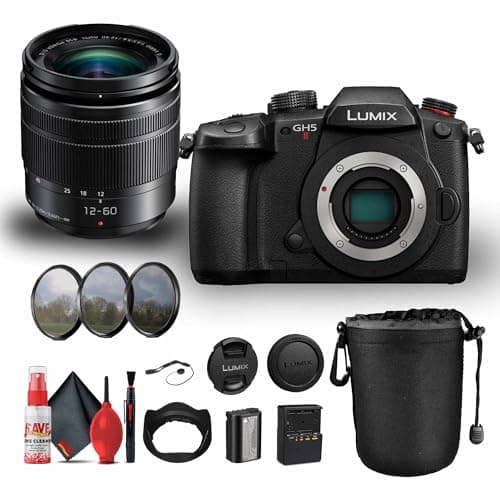
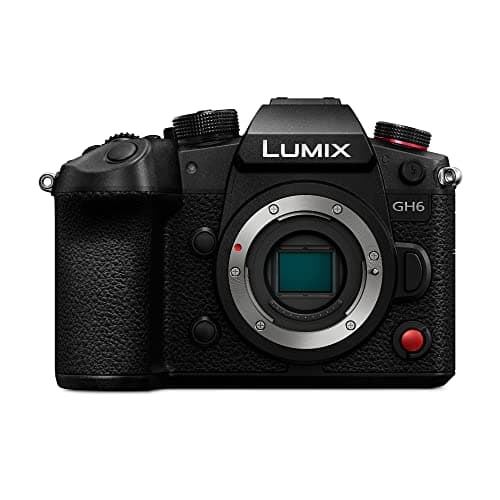
* Product prices and availability are accurate as of the date/time indicated and are subject to change. Any price and availability information displayed on Amazon.com at the time of purchase will apply to the purchase of this product.
* Imaginated.com may receive compensation for purchases made at participating retailers linked on this site. This compensation does not affect what products or prices are displayed, or the order of prices listed. Learn more here.
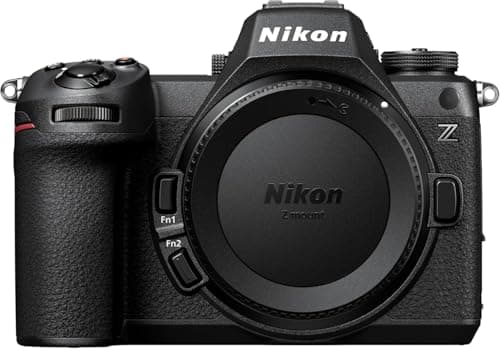
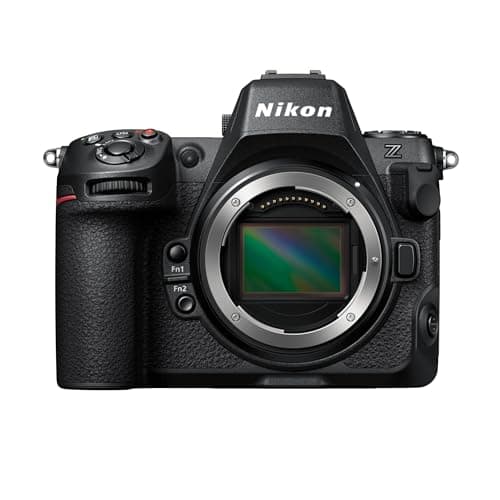
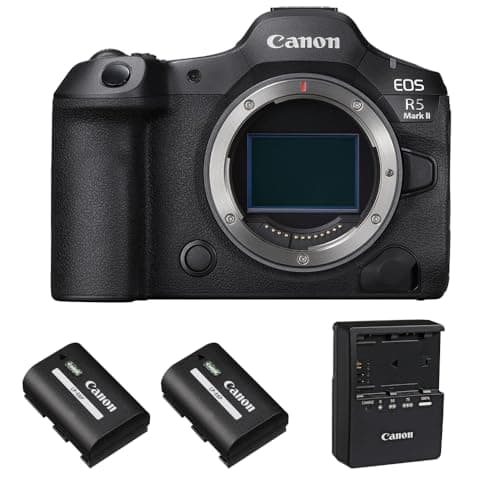
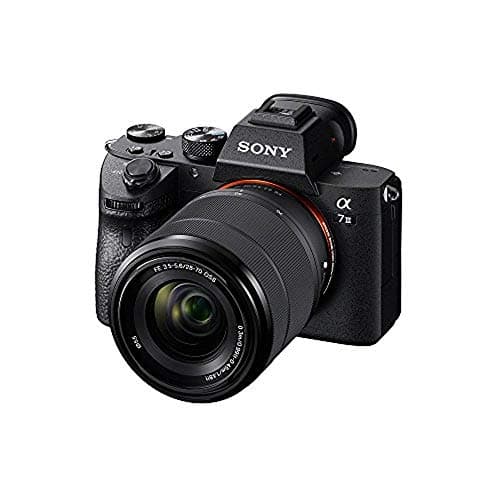
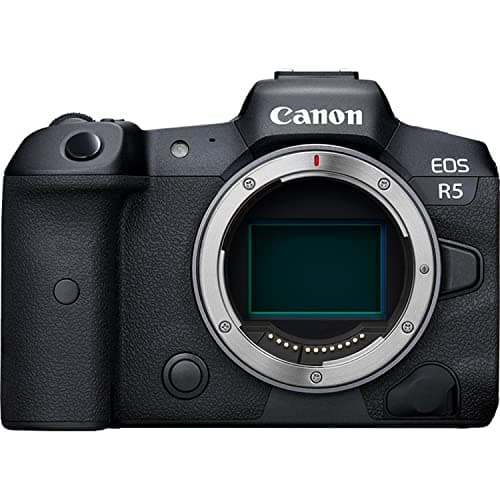
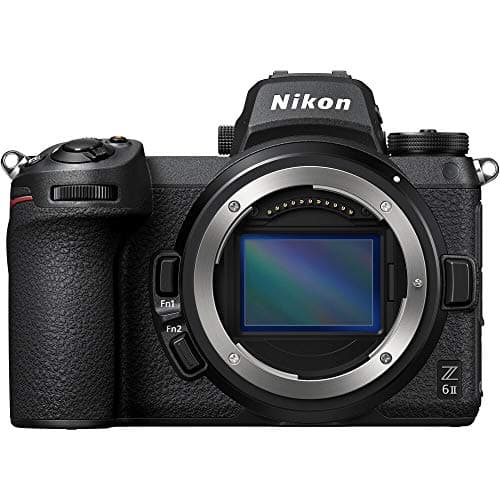
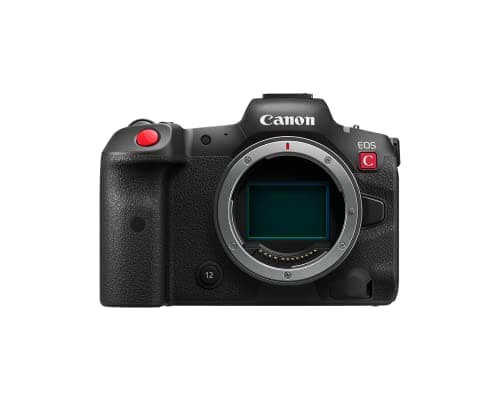
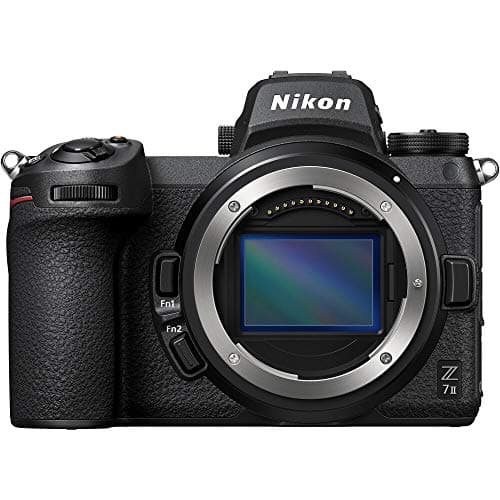
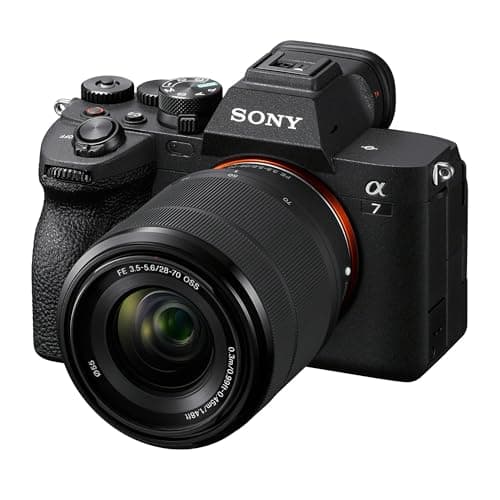
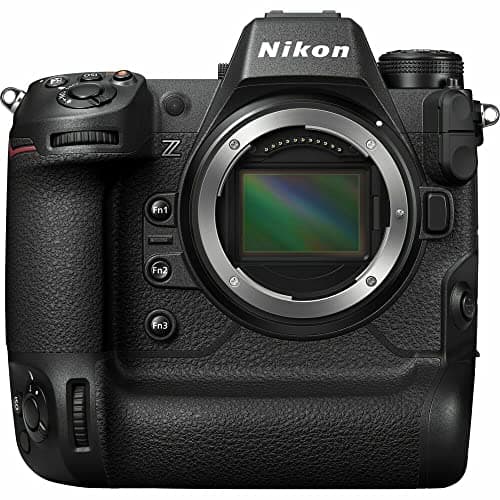
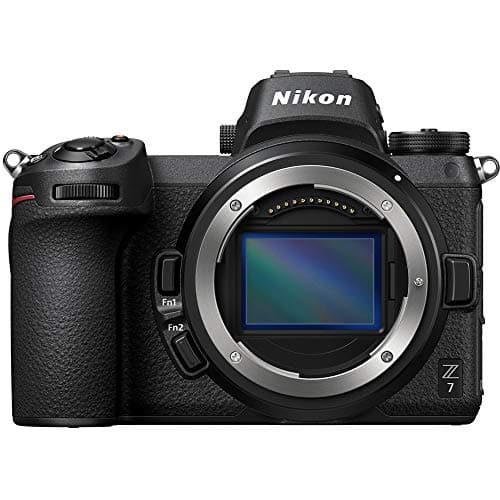
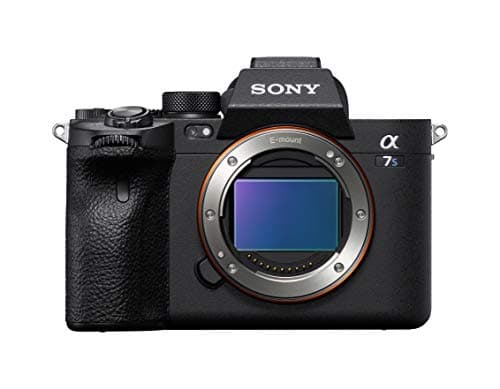
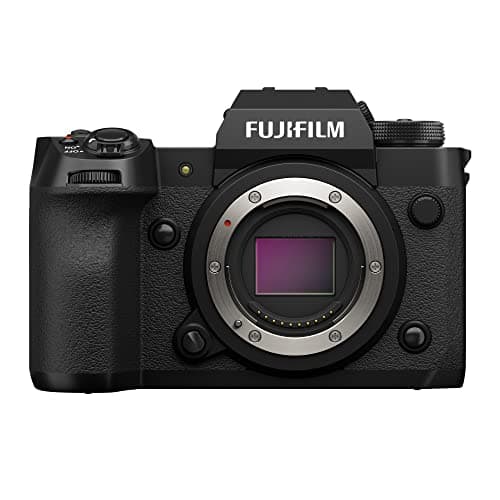
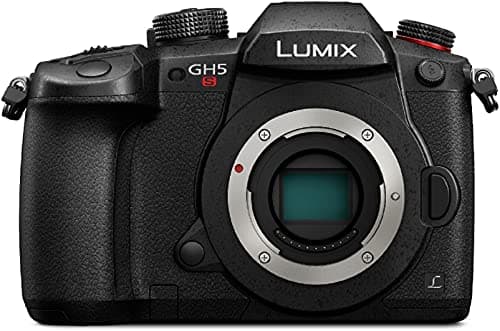
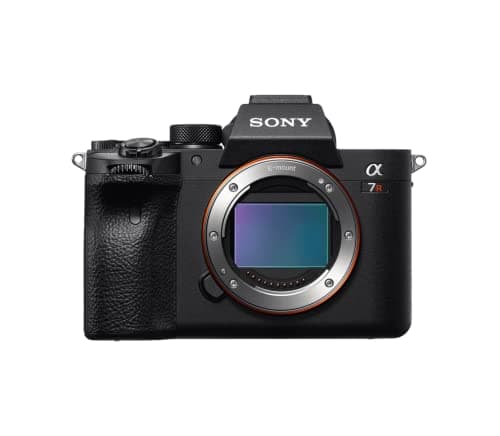
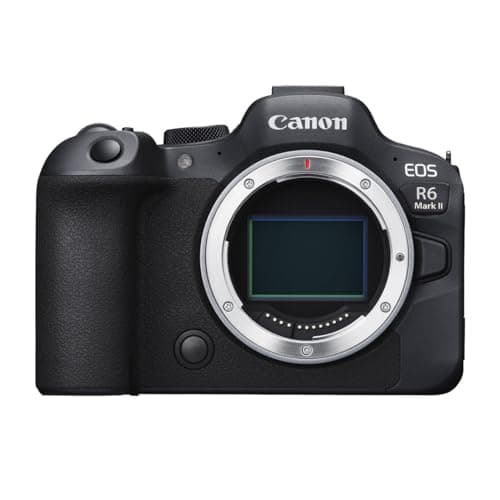
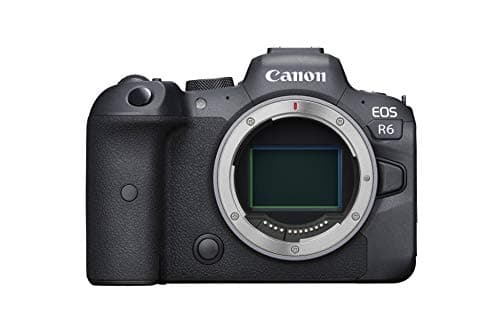
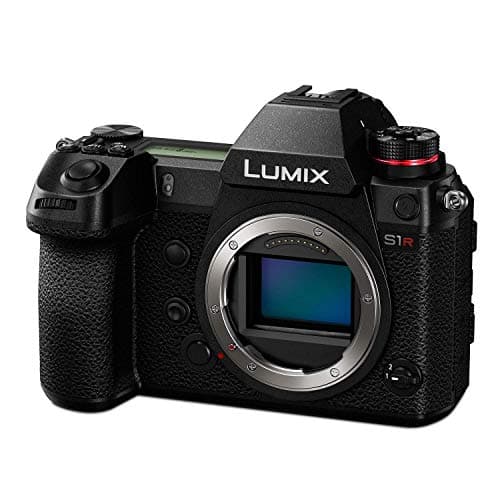
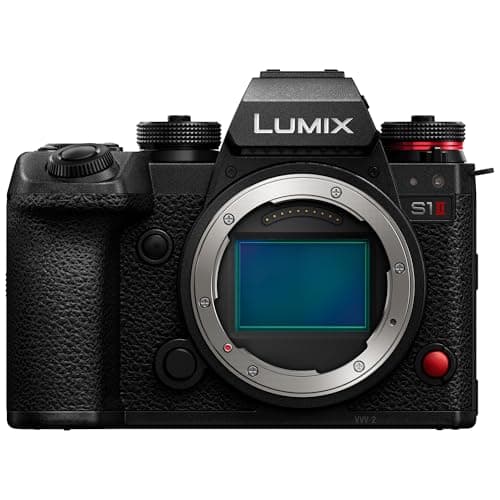
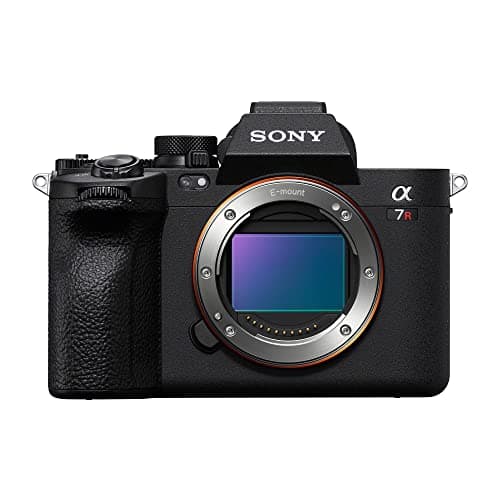
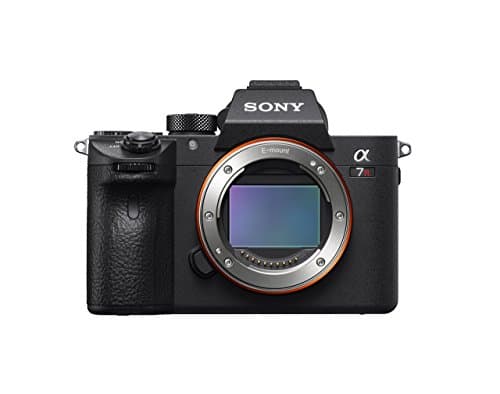
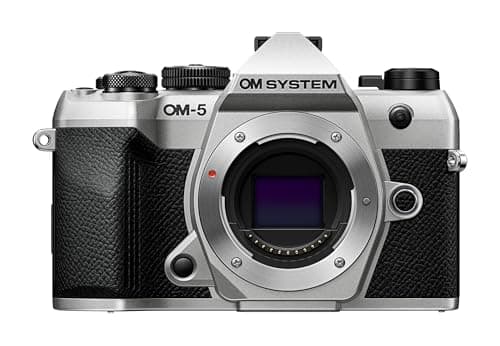
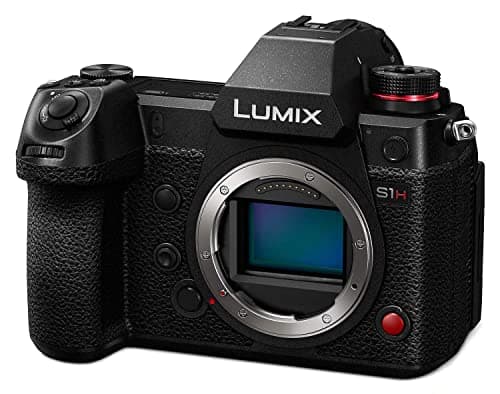
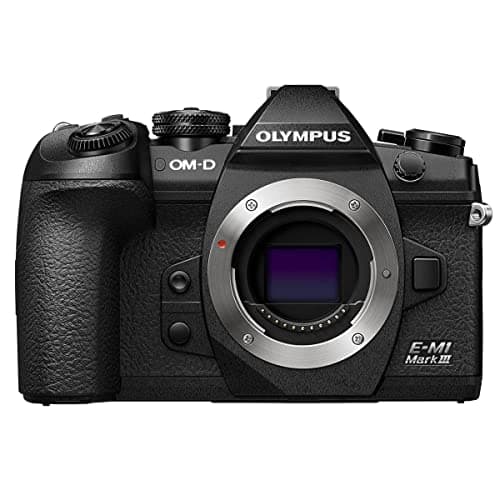
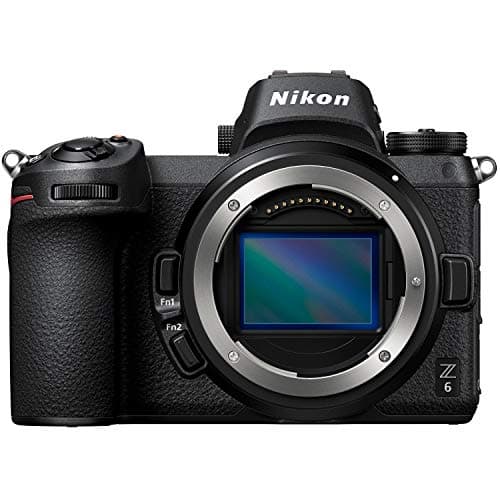
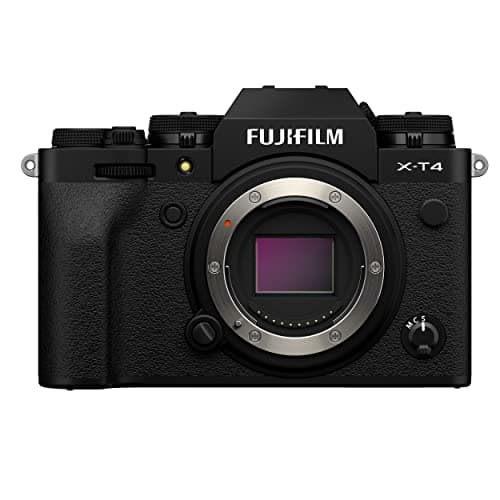
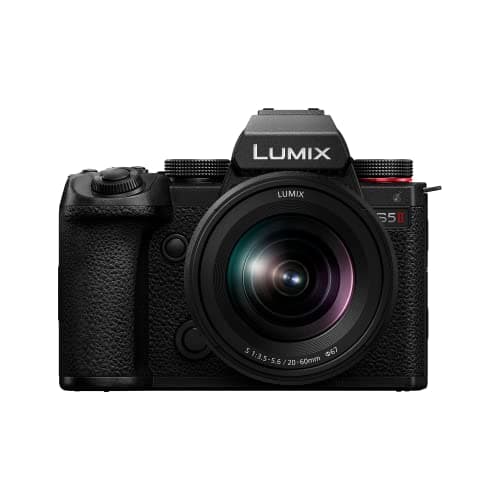
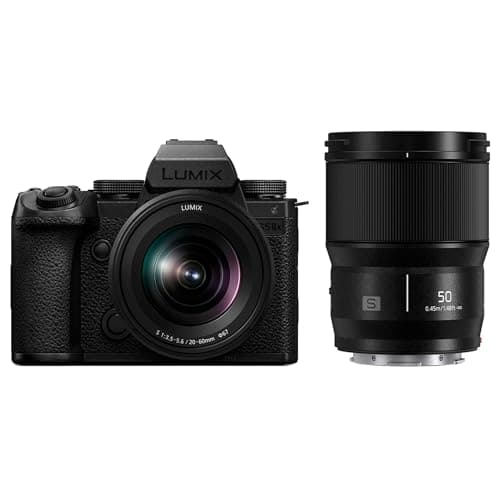
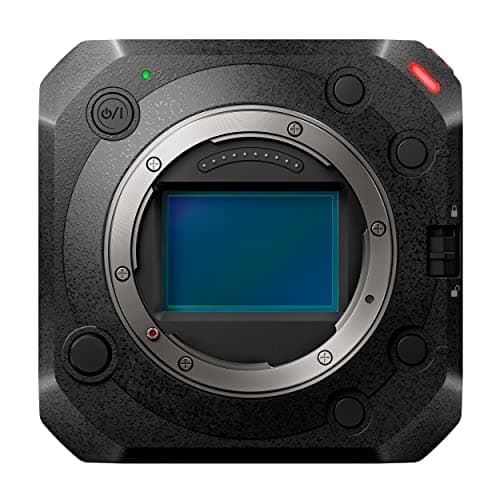
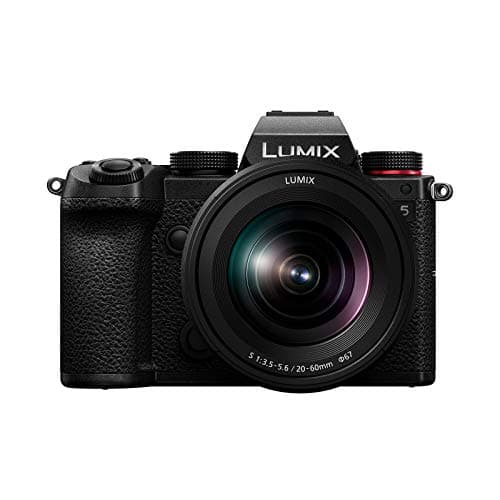
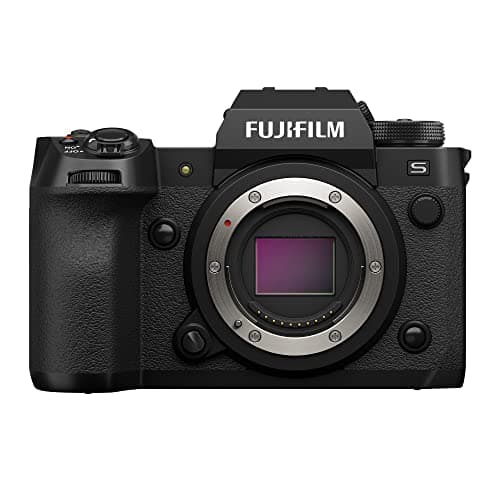
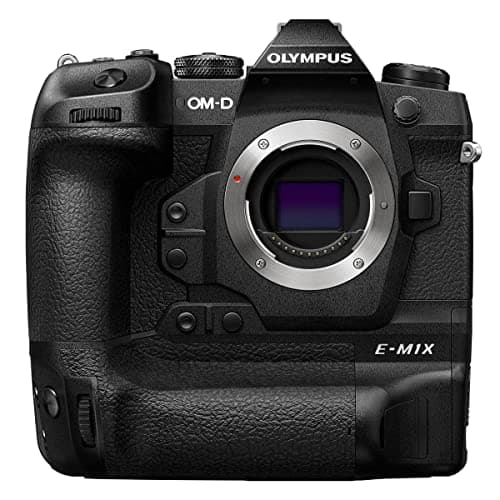
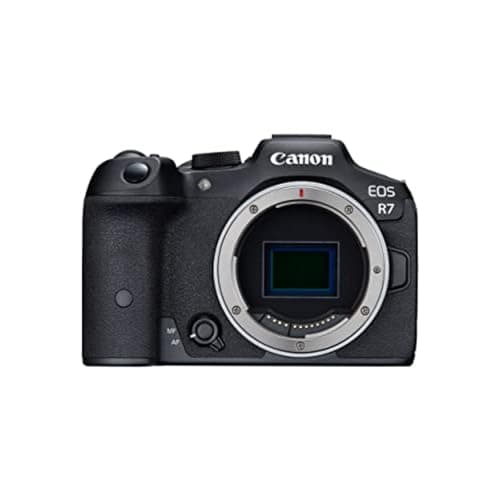
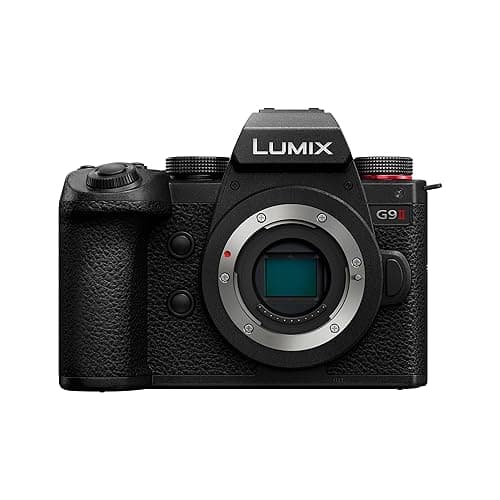
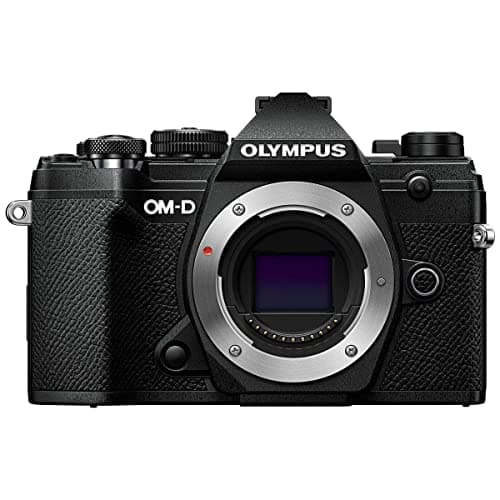
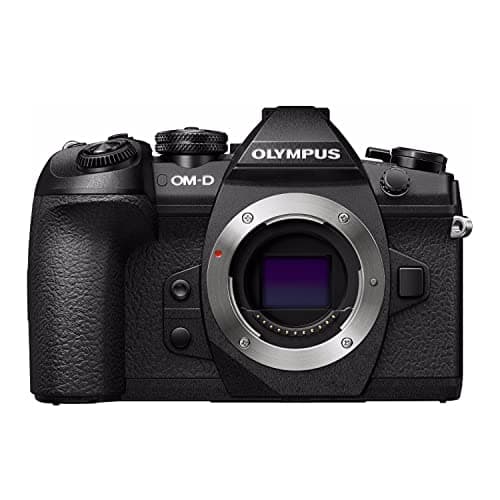
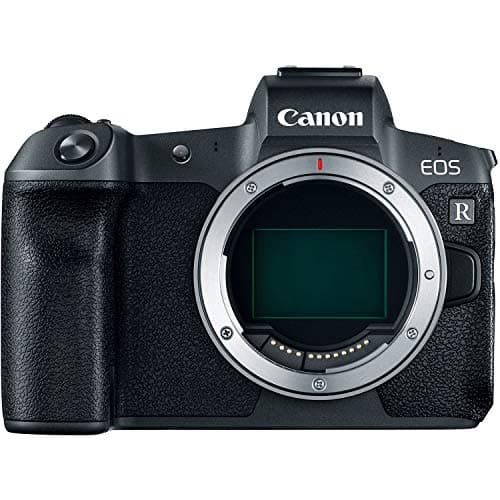
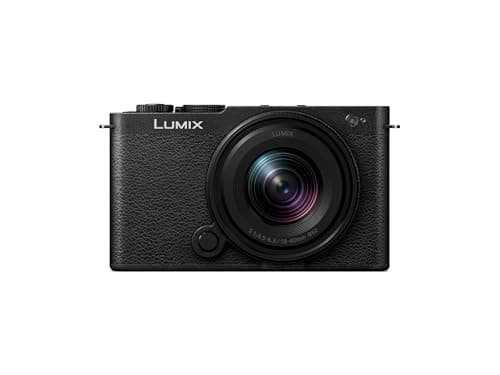
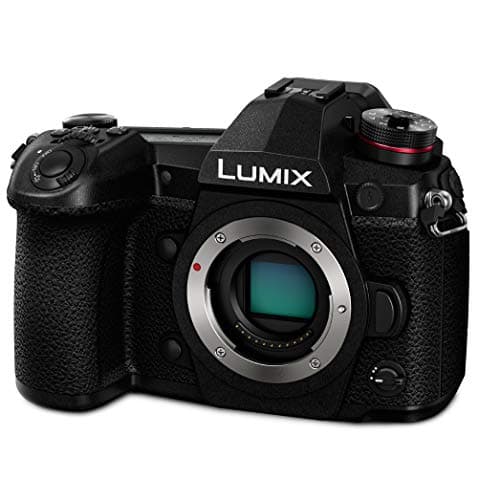
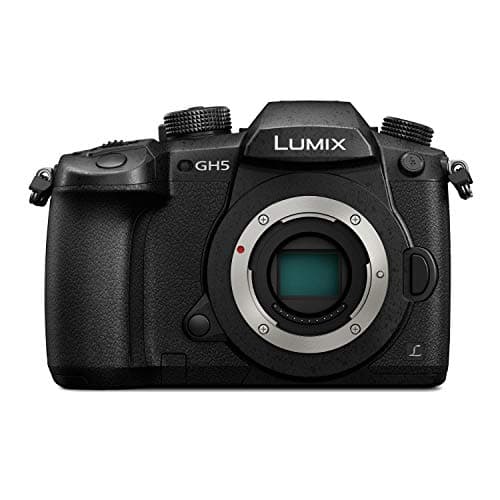
These are the best mirrorless cameras for astrophotography, selected for their ability to capture the night sky with clarity, low noise, and expansive dynamic range. Astrophotography is one of the most demanding genres of photography—it requires cameras that can perform exceptionally well in low light, preserve fine detail in dim star fields, and deliver long-exposure stability without compromising image quality. Mirrorless systems are uniquely suited for this task, offering advanced sensors, in-body stabilization, electronic viewfinders that make composition in darkness easier, and compatibility with wide-aperture lenses. Whether you are photographing the Milky Way, star trails, or deep-sky objects with a telescope, these cameras provide the tools needed to transform the cosmos into breathtaking images. Low-light performance is the defining strength of astrophotography cameras. High-sensitivity sensors with excellent high-ISO performance allow stars to shine without being buried in noise. Full-frame models like the Sony A7S III, Canon EOS R6 Mark II, and Nikon Z6 II excel in this area, with their lower-megapixel sensors (12–24MP) optimized for clean, high-ISO output. These cameras provide outstanding clarity even at ISO 6400, 12800, or higher, making them favorites among astrophotographers who prioritize clean, detailed skies. Higher-resolution models like the Sony A7R V (61MP) and Canon EOS R5 Mark II (45MP) offer more detail for large-format prints or cropping into star fields, though they require meticulous technique and faster optics to maximize their potential in low light. Dynamic range ensures detail in both sky and landscape. Many astrophotographers capture wide-field shots that include both the night sky and a foreground element like mountains, trees, or architecture. Cameras with wide dynamic range—such as the Nikon Z7 II, Sony A7R V, and Fujifilm X-T5—excel at holding detail in both dark skies and subtle foreground light. This flexibility is invaluable when blending exposures or editing RAW files in post, as it allows photographers to reveal more of the scene without blowing highlights or crushing shadows. Long-exposure performance is critical for astrophotography. Cameras like the Sony A7S III, Canon EOS R6 Mark II, and Nikon Z6 II handle long exposures with minimal noise, thanks to advanced sensor design and efficient thermal management. Many mirrorless cameras now include bulb timers or interval shooting modes, simplifying star trail captures or time-lapse sequences. Fujifilm’s X-T5 and Panasonic’s Lumix S5 II also include built-in intervalometers and astro-friendly features like live composite modes, allowing users to stack exposures in-camera for creative night-sky results. In-body image stabilization (IBIS) expands possibilities. While most astrophotography relies on tripods or star trackers, IBIS provides flexibility for capturing nightscapes handheld at shorter shutter speeds or stabilizing video during astro-timelapse work. Cameras like the Canon R6 Mark II, Sony A7R V, and Fujifilm X-T5 offer stabilization rated up to 7–8 stops, which, when combined with fast lenses, allows for sharp handheld shots of constellations or the moon. Although IBIS is not a substitute for tracking mounts in deep-sky astrophotography, it adds versatility for spontaneous night photography. Specialized features make astrophotography easier. Some cameras include astro-optimized modes or firmware tweaks to reduce issues like star-eater noise reduction. Fujifilm’s X-T5, for example, offers a “night vision” LCD setting that displays menus in red light, preserving night vision for astronomers. Canon’s R-series and Nikon’s Z-series provide focus magnification and peaking that help ensure pinpoint focus on stars—crucial for sharp results. Sony’s A7S III has long been favored for its ability to render faint stars clearly in live view, making composition under dark skies far less guesswork. Video performance extends astrophotography into astrophotography filmmaking. Cameras like the Sony A7S III, Canon EOS R5 C, and Panasonic GH6 are popular among creators producing time-lapse or real-time night-sky video. With 4K and even 6K/8K recording options, Log profiles, and clean high-ISO output, these cameras allow astrophotographers to produce cinematic footage of star fields, auroras, or meteor showers. Sony’s low-light mastery in the A7S III makes it particularly renowned for Milky Way video and night timelapse, while Panasonic’s GH6 offers unique tools like V-Log and ProRes recording in a smaller Micro Four Thirds body. Lens ecosystems are vital for astrophotography. Wide-aperture, wide-angle lenses are the backbone of Milky Way and landscape astrophotography, while telephoto and specialty optics shine for lunar and planetary work. Canon’s RF mount offers lenses like the RF 15–35mm f/2.8, ideal for wide-field nightscapes. Sony’s E-mount includes astrophotography favorites like the 14mm f/1.8 GM, prized for its sharpness and minimal coma. Nikon’s Z system provides sharp wide zooms like the Z 14–24mm f/2.8 S, while Fujifilm’s XF 16mm f/1.4 and 8–16mm f/2.8 cover APS-C shooters with fast, wide glass. Adapters also allow astrophotographers to pair these mirrorless systems with specialized astro lenses or telescopes, expanding creative options even further. Build quality supports field work. Many astrophotographers shoot in remote, rugged locations where conditions can be cold, damp, or dusty. Weather-sealed bodies like the Nikon Z7 II, Canon R5 Mark II, and Fujifilm X-T5 are built to withstand harsh conditions, ensuring reliability during long nights outdoors. Lightweight options like the Sony A7C II or Fujifilm X-S20 appeal to travelers who want portable gear for backpacking under the stars. Connectivity improves night-sky workflows. Wi-Fi and Bluetooth allow remote camera operation via smartphone apps, letting photographers adjust settings without touching the camera and risking vibrations during long exposures. This is especially useful when cameras are mounted on telescopes or tracking systems. Tethering also enables live previews on laptops or tablets, helping astrophotographers refine focus and composition in real time. Battery life and efficiency are essential for long nights. Extended exposures and time-lapse sequences demand endurance, and cameras like the Nikon Z9, Canon R5 Mark II, and Sony A7 IV offer strong battery life for all-night sessions. USB-C charging and external power banks extend usability further, ensuring cameras can keep running throughout multi-hour exposures or entire meteor showers. Whether you are chasing the Milky Way across a desert, capturing star trails in the mountains, or filming auroras in the Arctic, the best mirrorless cameras for astrophotography provide the low-light sensitivity, high resolution, stabilization, and rugged build needed to turn the night sky into art. They combine professional imaging tools with astro-friendly features, ensuring every star, nebula, or lunar crater is rendered with clarity and beauty. For photographers who want to explore the universe from Earth, these cameras represent the perfect blend of performance, portability, and precision.
Cameras by brand:
Cameras by price:
Cameras by type:
Best 360-Degree Cameras for Astrophotography
- Best Action Cameras for Astrophotography
- Best Bridge Cameras for Astrophotography
- Best DSLR Cameras for Astrophotography
- Best Mirrorless Cameras for Astrophotography
- Best Point-and-Shoot Cameras for Astrophotography
Best Rangefinder Cameras for Astrophotography
Cameras by sensor:
Cameras by feature:
Cameras by use case:
- Best Mirrorless Cameras for Aerial Photography
- Best Mirrorless Cameras for Architectural Photography
- Best Mirrorless Cameras for Astrophotography
- Best Mirrorless Cameras for Automotive Photography
Best Mirrorless Cameras for Boudoir Photography
- Best Mirrorless Cameras for Cityscape Photography
Best Mirrorless Cameras for Commercial Photography
- Best Mirrorless Cameras for Concert Photography
Best Mirrorless Cameras for Corporate Photography
- Best Mirrorless Cameras for Documentary Photography
Best Mirrorless Cameras for Editorial Photography
- Best Mirrorless Cameras for Event Photography
- Best Mirrorless Cameras for Fashion Photography
Best Mirrorless Cameras for Fine Art Photography
- Best Mirrorless Cameras for Food Photography
- Best Mirrorless Cameras for Headshot Photography
- Best Mirrorless Cameras for Jewelry Photography
- Best Mirrorless Cameras for Landscape Photography
- Best Mirrorless Cameras for Lifestyle Photography
- Best Mirrorless Cameras for Macro Photography
Best Mirrorless Cameras for Medical Photography
- Best Mirrorless Cameras for Newborn Photography
- Best Mirrorless Cameras for Night Photography
- Best Mirrorless Cameras for Pet Photography
- Best Mirrorless Cameras for Photojournalism
- Best Mirrorless Cameras for Portrait Photography
- Best Mirrorless Cameras for Product Photography
- Best Mirrorless Cameras for Real Estate Photography
- Best Mirrorless Cameras for Sports Photography
Best Mirrorless Cameras for Still Life Photography
Best Mirrorless Cameras for Stock Photography
- Best Mirrorless Cameras for Street Photography
- Best Mirrorless Cameras for Studio Photography
- Best Mirrorless Cameras for Travel Photography
- Best Mirrorless Cameras for Underwater Photography
Best Mirrorless Cameras for Weather Photography
- Best Mirrorless Cameras for Wedding Photography
- Best Mirrorless Cameras for Wildlife Photography
- Best Mirrorless Cameras for Video
Cameras by experience:
Cameras lenses: