
Best Mirrorless Cameras for Architectural Photography in 2026
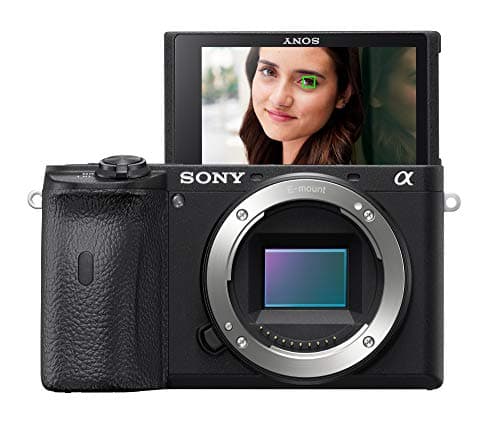
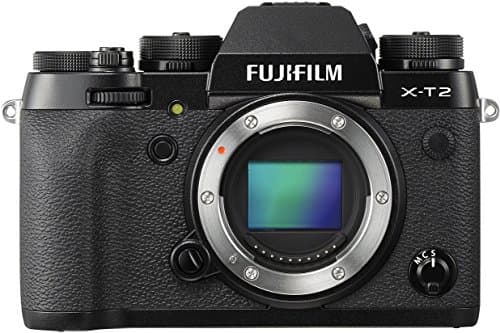
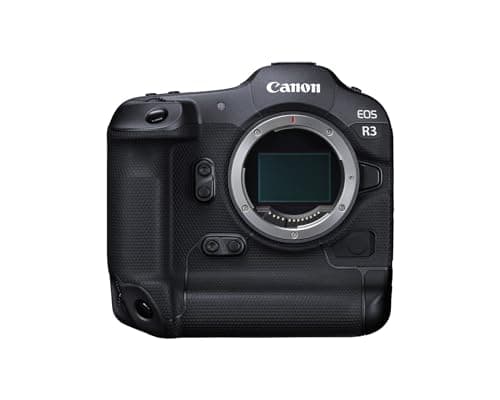
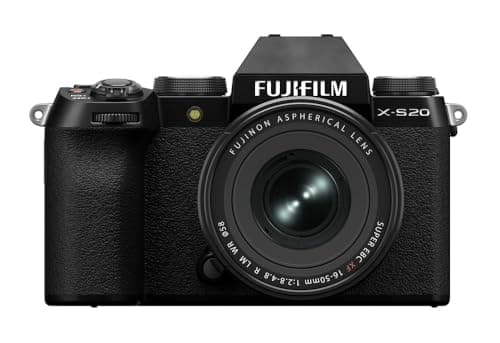


* Product prices and availability are accurate as of the date/time indicated and are subject to change. Any price and availability information displayed on Amazon.com at the time of purchase will apply to the purchase of this product.
* Imaginated.com may receive compensation for purchases made at participating retailers linked on this site. This compensation does not affect what products or prices are displayed, or the order of prices listed. Learn more here.
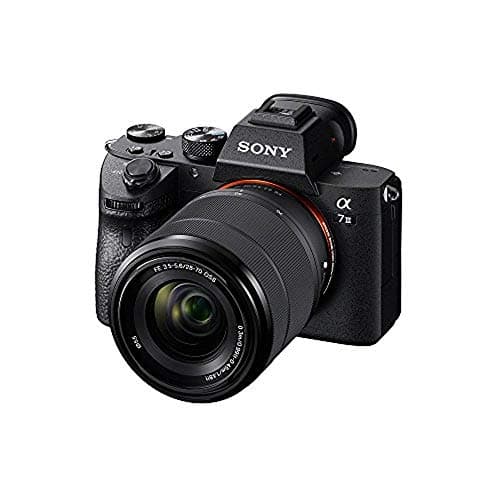
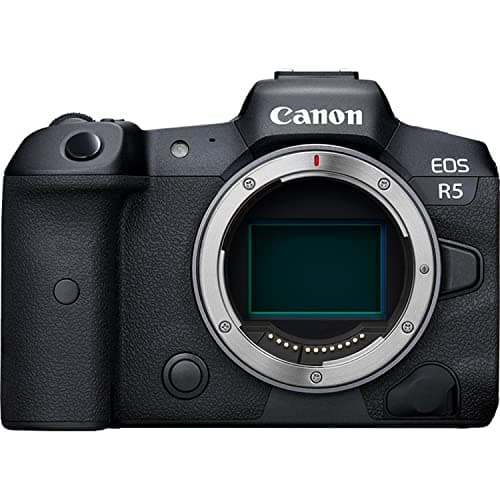
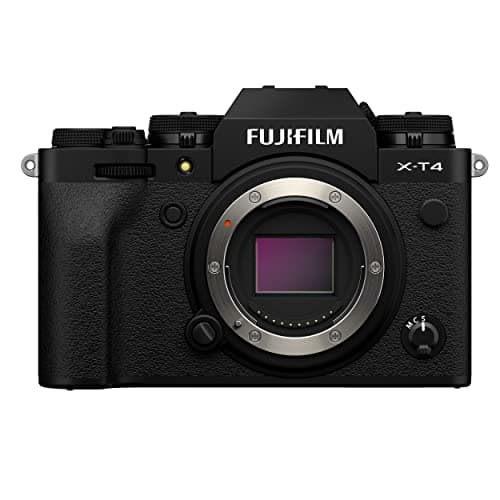
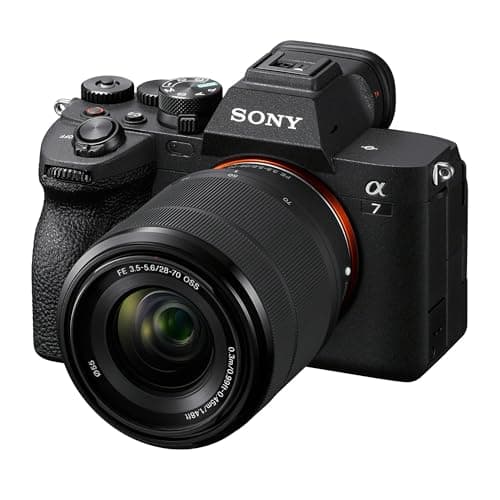
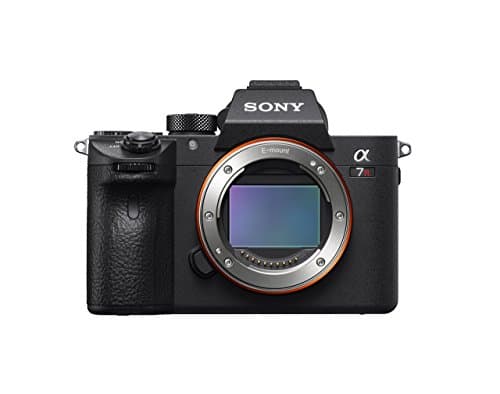
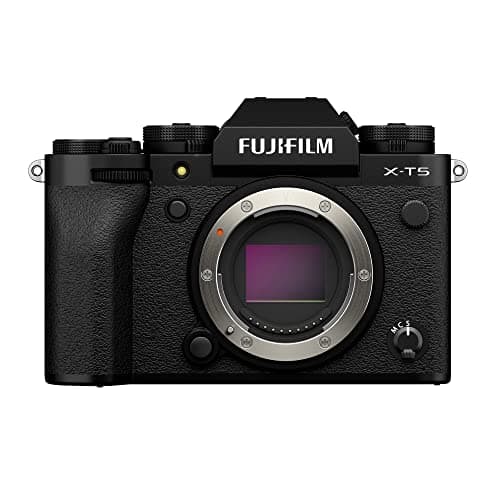
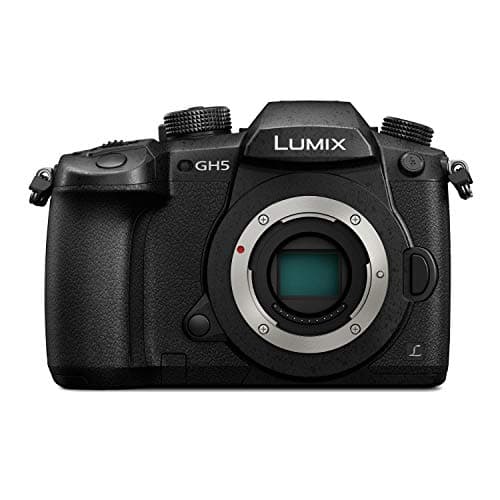
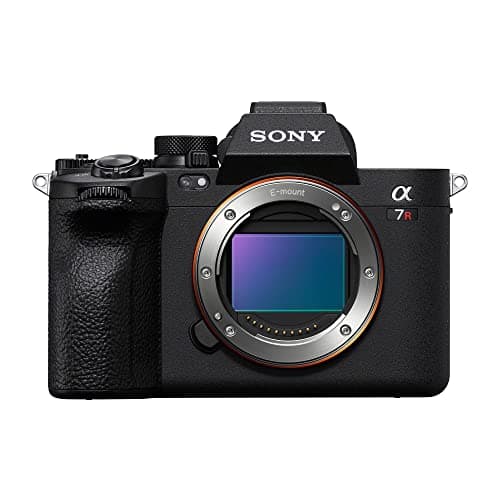
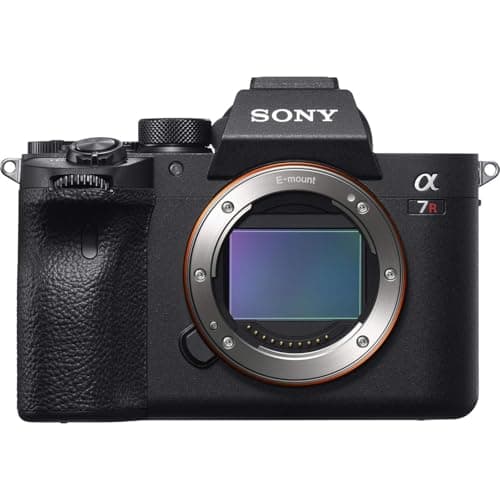
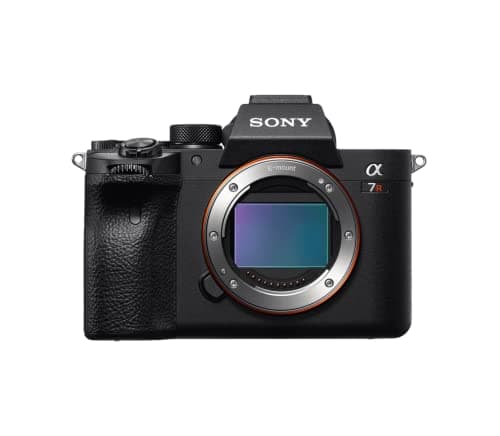
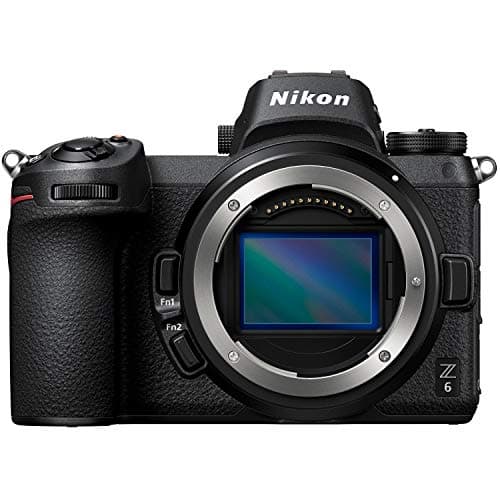
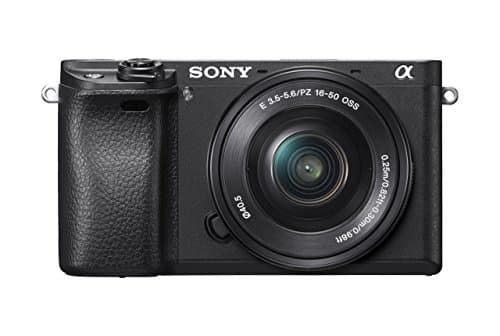
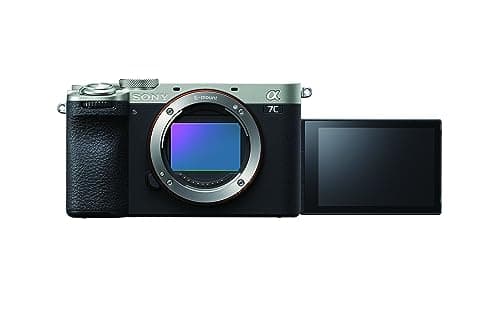
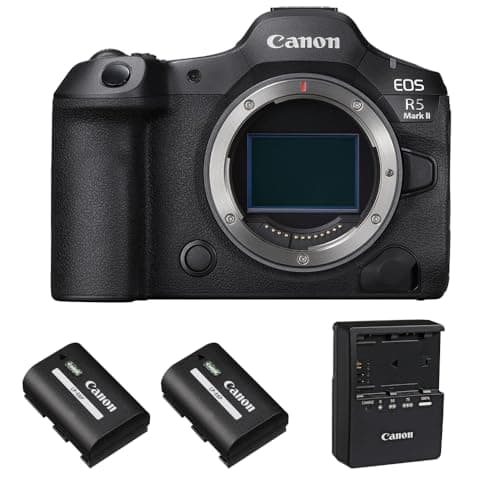
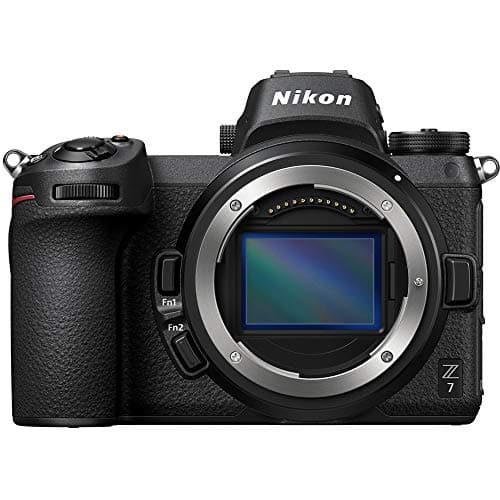
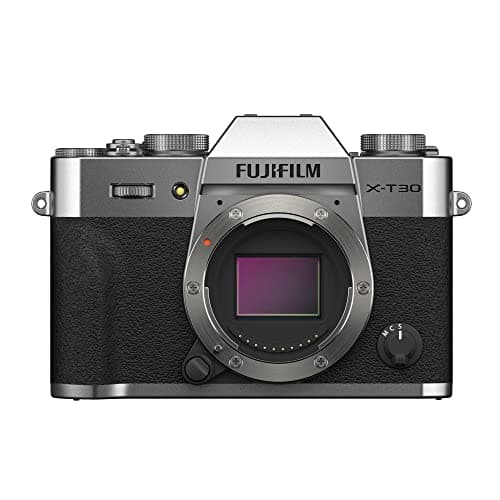
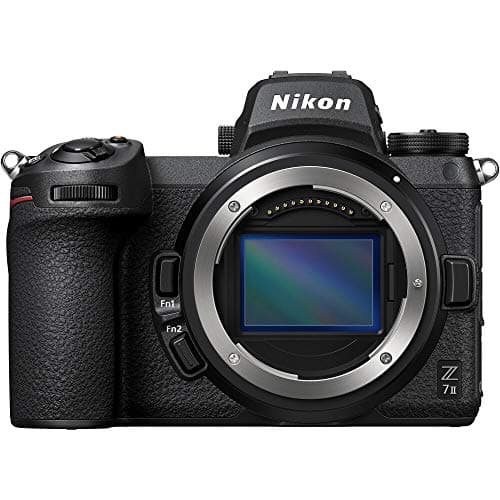
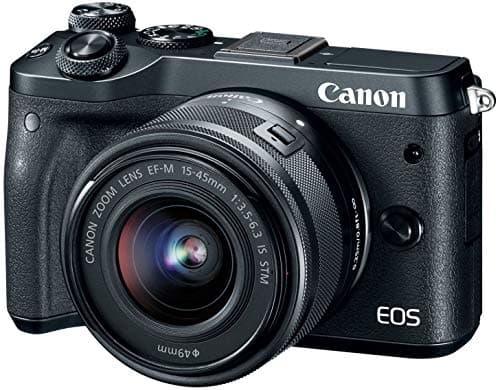
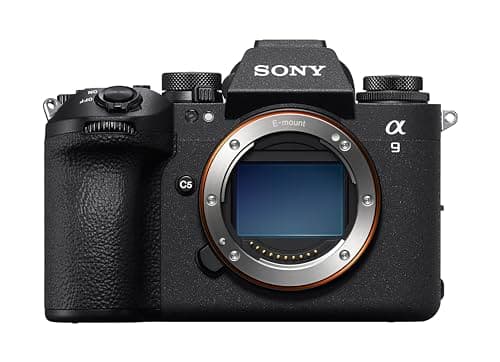
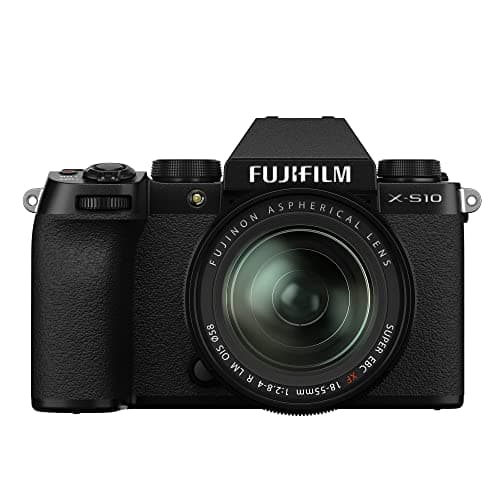
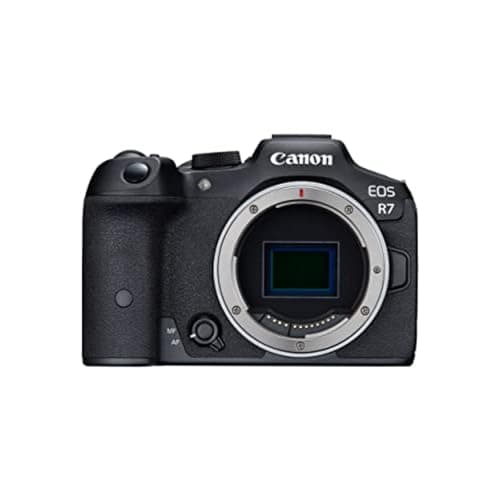
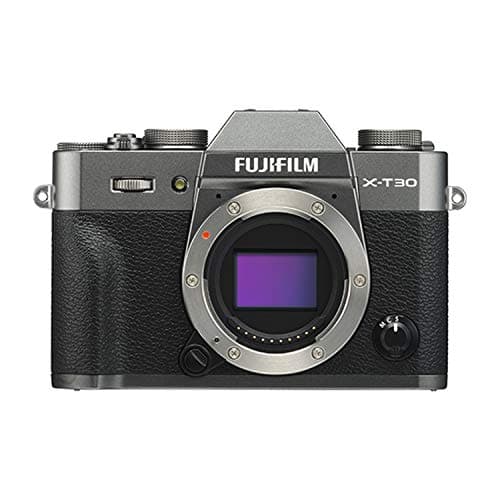
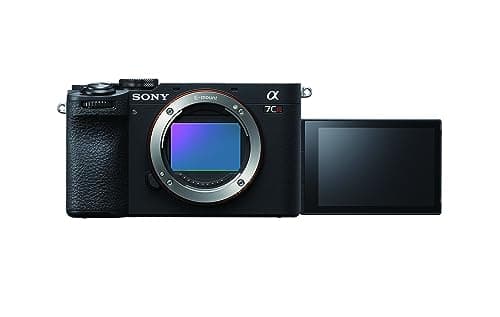
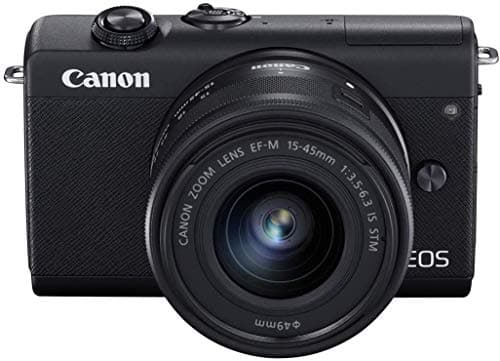
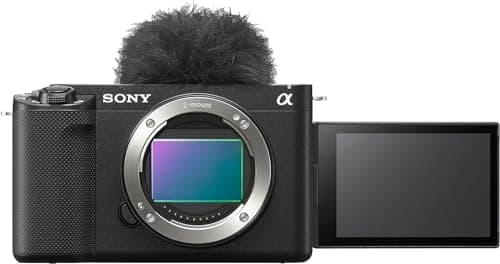
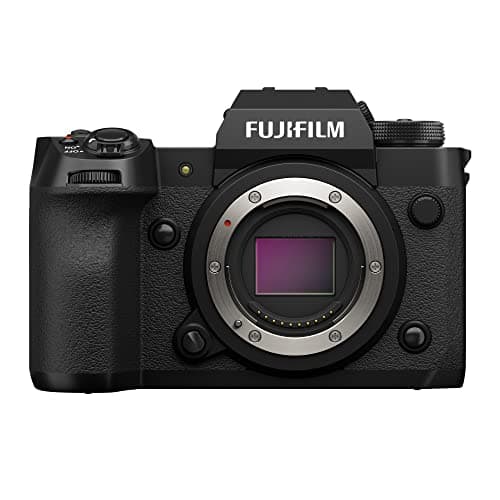
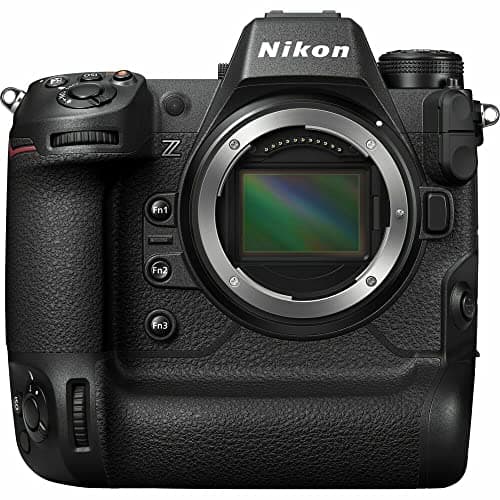
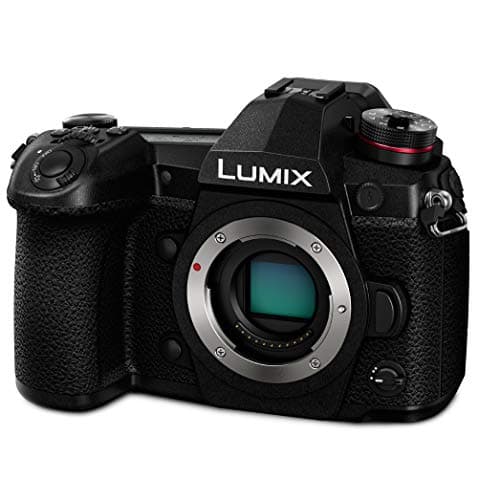
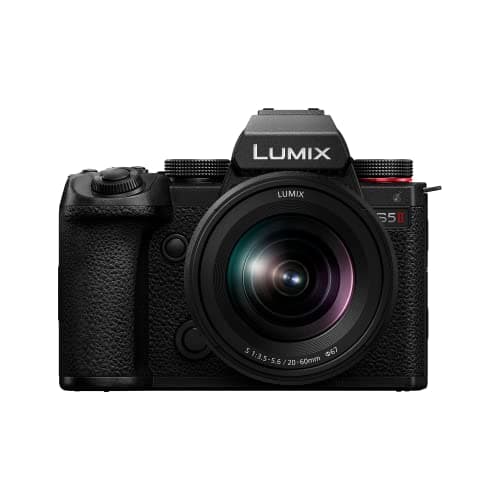
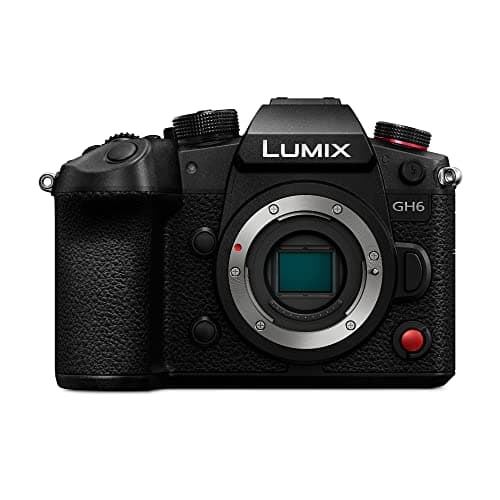
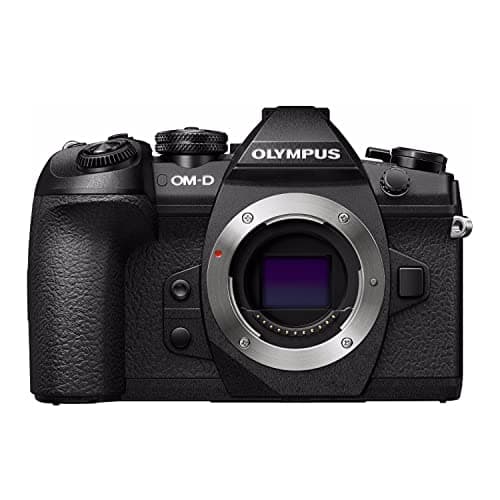
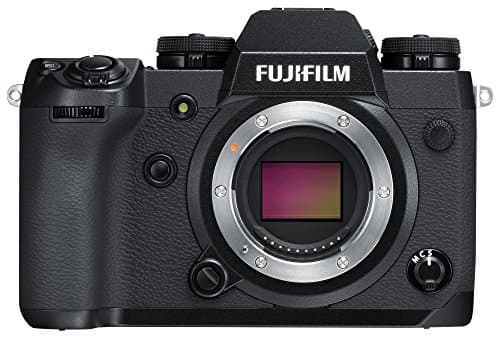
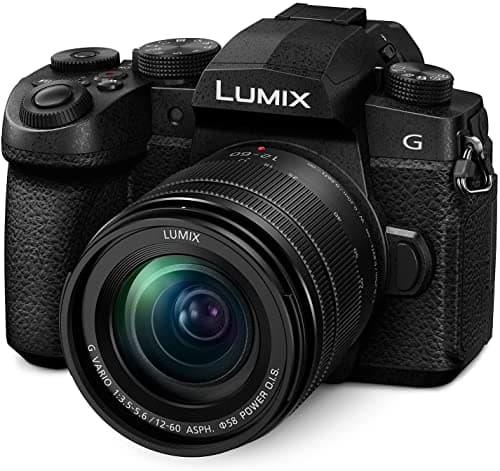
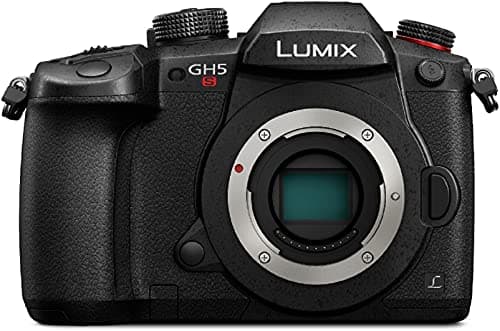
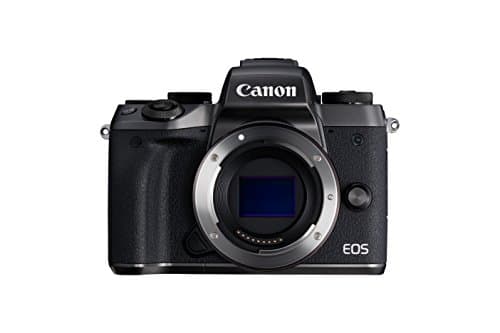
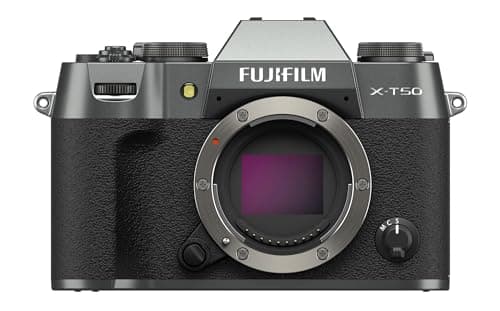
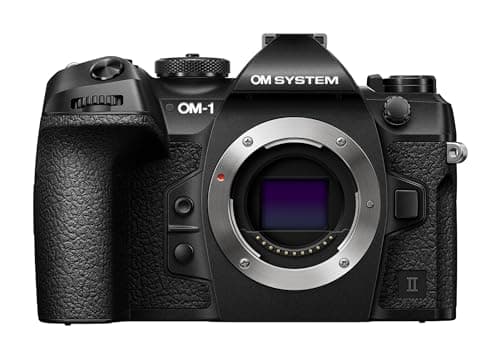
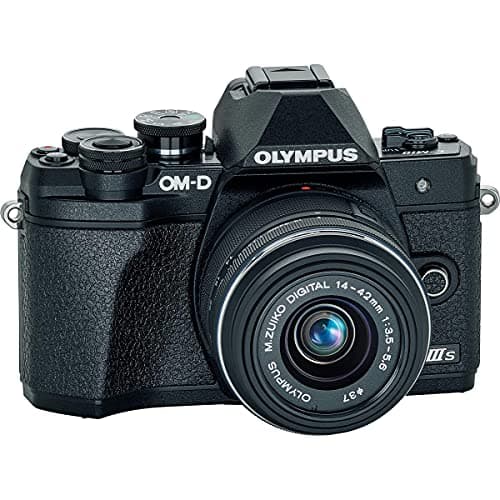
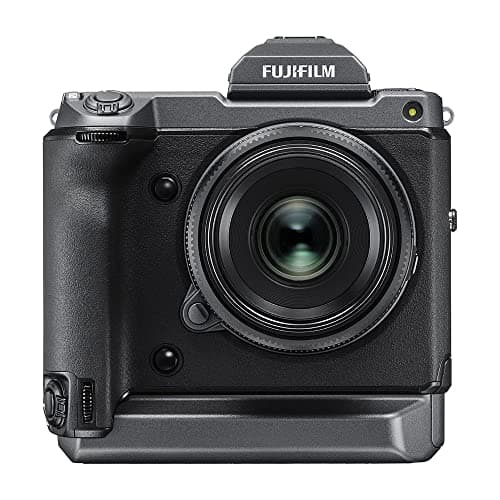
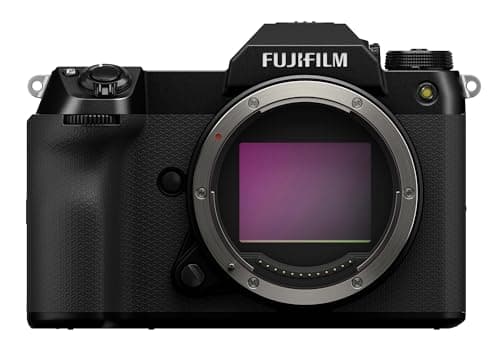
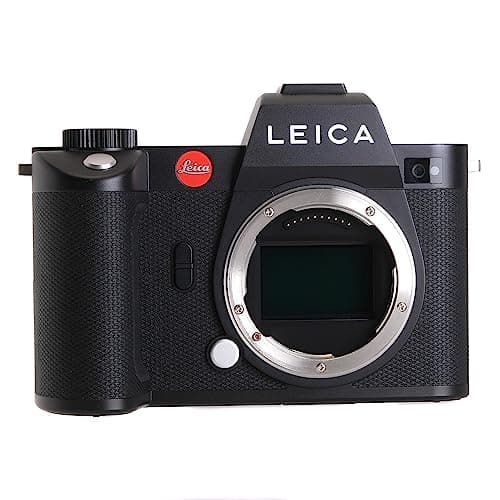
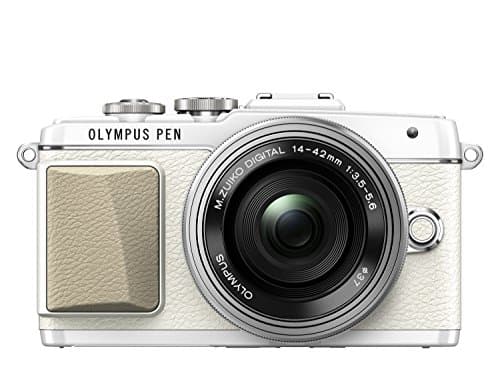
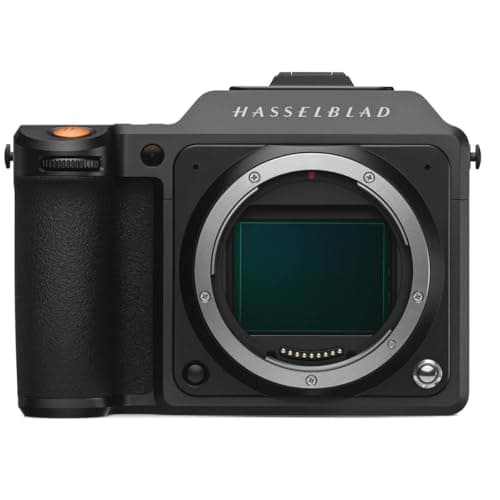
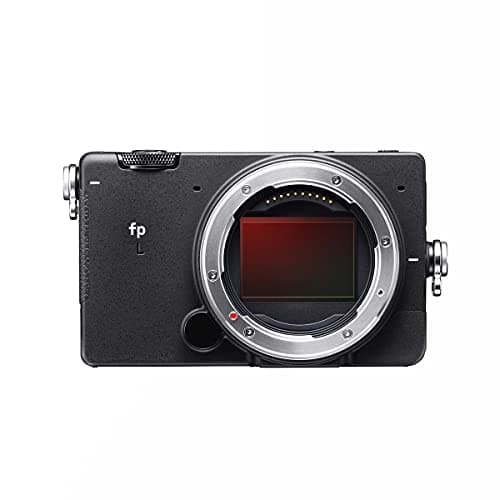
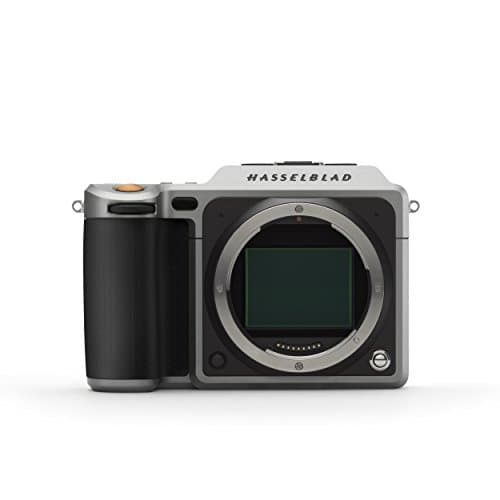
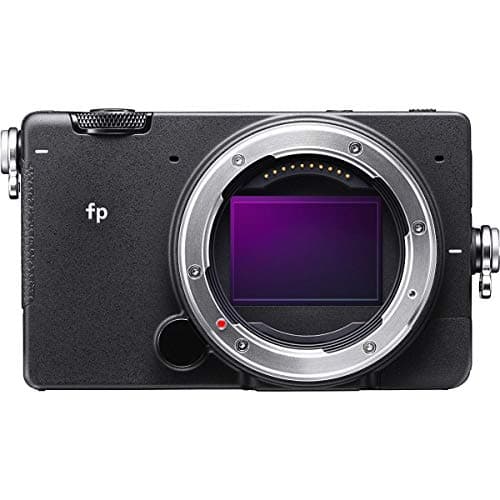
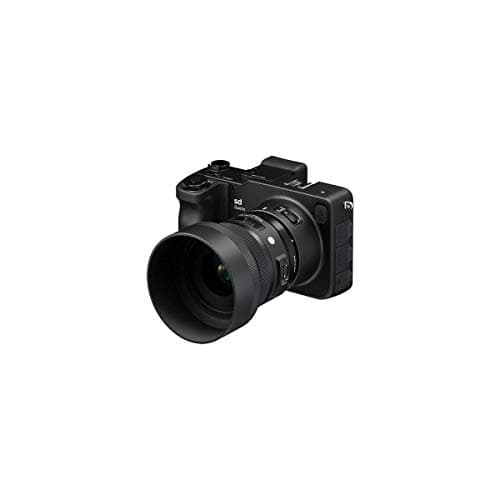
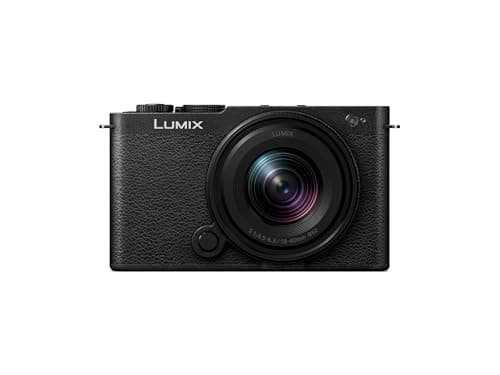
These are the best mirrorless cameras for architectural photography, selected for their ability to render fine details, preserve perspective, and deliver exceptional dynamic range in scenes that demand absolute precision. Architectural photography places unique demands on a camera: the ability to capture sharp lines without distortion, handle wide tonal ranges in mixed lighting, and provide flexibility for both exterior cityscapes and interior spaces. Mirrorless systems have become the tool of choice for professionals and enthusiasts alike, combining large, high-resolution sensors with modern features like electronic viewfinders, live exposure previews, and access to specialized lenses such as tilt-shifts. Whether you’re photographing modern skyscrapers, historic cathedrals, or minimalist interiors, these cameras offer the resolution, control, and reliability necessary to achieve outstanding architectural imagery. High resolution is the defining strength for architectural work. Buildings and interiors are full of fine lines, textures, and intricate details that demand sensors capable of capturing everything with clarity. Cameras like the Sony A7R V, with its 61-megapixel full-frame sensor, provide extraordinary resolution for large-format prints and heavy cropping while maintaining sharpness. Canon’s EOS R5 Mark II, with its 45-megapixel full-frame sensor, balances resolution with excellent low-light performance, making it a versatile choice for both interior and exterior architecture. Nikon’s Z7 II offers 45.7 megapixels with excellent color depth and tonal range, while Fujifilm’s X-T5 provides 40 megapixels in a lightweight APS-C body, giving photographers portability without sacrificing detail. These cameras ensure that architectural images hold up even when printed at wall size or scrutinized closely. Dynamic range and tonal control are critical. Architecture often involves high-contrast lighting—bright exteriors in sunlight, dim interiors, or a mix of artificial and natural light sources. The Sony A7R V and Nikon Z7 II excel at preserving highlight and shadow detail, ensuring that windows retain exterior views while interior details remain visible. Canon’s EOS R5 Mark II also offers wide dynamic range and RAW flexibility, giving photographers the latitude to balance light during post-processing. Fujifilm’s X-T5 and Panasonic’s Lumix S5 II add film simulation modes and Log profiles, appealing to creators who want to manage contrast artistically while retaining detail. Lens compatibility is a cornerstone of architectural photography. Wide-angle and tilt-shift lenses are essential for capturing full structures without distortion and for correcting perspective. Canon’s RF system includes tilt-shift lenses specifically designed for architecture, such as the TS-E 24mm f/3.5L II (adaptable from EF mount). Nikon’s Z mount supports adapted PC-E lenses, while Sony’s E-mount offers compatibility with third-party tilt-shifts from Laowa and Samyang. Fujifilm’s X-mount includes ultra-wide primes like the XF 8–16mm f/2.8, which are excellent for interiors and tight spaces. With mirrorless systems’ short flange distances, adapting legacy tilt-shift glass is also easier, broadening the creative toolkit for architectural specialists. Stabilization provides flexibility in low light. Architectural photographers often work indoors, where tripods may not always be practical. Cameras like the Canon EOS R5 Mark II, Sony A7R V, and Fujifilm X-T5 feature in-body image stabilization (IBIS) rated up to 7–8 stops, allowing sharp handheld exposures even at slower shutter speeds. This makes it easier to capture interiors without raising ISO, preserving clean detail and tonal quality. Combined with wide-angle stabilized lenses, IBIS ensures sharper images across diverse conditions. Autofocus and precision tools improve workflow. While architecture often involves static subjects, precise focusing is still crucial, especially when working with wide apertures or tilt-shift lenses. The latest AF systems, such as Sony’s real-time tracking, Canon’s Dual Pixel CMOS AF II, and Nikon’s subject-detection AF, allow photographers to focus quickly and accurately on building details or interior design elements. Focus magnification and peaking tools in EVFs are invaluable for ensuring critical sharpness when using manual focus lenses—a common choice in architectural photography. Video capabilities expand creative output. More architects, designers, and real estate professionals now want cinematic walkthroughs and promotional videos in addition to still images. Cameras like the Canon EOS R5 Mark II and Sony A7 IV offer 8K and oversampled 4K video, ideal for producing crisp, immersive content. Panasonic’s S5 II and GH6 stand out with unlimited recording, professional codecs, and excellent stabilization, making them strong options for hybrid architectural shooters. Fujifilm’s X-T5 offers high-resolution 6.2K video with film simulations that add character to architectural storytelling. These tools allow creators to deliver both stills and video from one system, increasing versatility for client work. Build quality and ergonomics support professional use. Weather-sealed magnesium alloy bodies ensure durability when photographing exteriors in rain, dust, or changing conditions. Sony, Canon, Nikon, and Fujifilm bodies all provide intuitive control layouts, customizable buttons, and high-resolution electronic viewfinders that make precise composition easier. The ability to preview exposure and perspective corrections in real time through the EVF gives mirrorless cameras a significant advantage over traditional DSLRs in architectural work. Connectivity streamlines professional workflows. With built-in Wi-Fi and Bluetooth, photographers can tether wirelessly to laptops or tablets for live previews during shoots. This is particularly valuable in architectural photography, where clients or design teams may want to see results on-site in real time. Canon, Sony, Nikon, and Fujifilm apps all support wireless transfers and remote control, making collaboration more efficient. Battery life and efficiency round out the professional package. While architectural shoots may be less demanding than action photography, long days on location still require dependable power. Cameras like the Nikon Z7 II and Sony A7R V provide strong endurance per charge, while USB-C power delivery ensures uninterrupted sessions when working indoors with constant access to outlets. Whether capturing the grandeur of historic landmarks, the clean lines of modern architecture, or the intricate details of interiors, the best mirrorless cameras for architectural photography deliver the resolution, dynamic range, and flexibility necessary to showcase spaces at their best. They combine high-megapixel sensors, excellent stabilization, advanced lens ecosystems, and professional build quality with the connectivity and efficiency modern workflows demand. For architectural specialists, these cameras are not just tools—they are precision instruments designed to translate structure, form, and space into timeless imagery.
Cameras by brand:
Cameras by price:
Cameras by type:
- Best 360-Degree Cameras for Architectural Photography
Best Action Cameras for Architectural Photography
- Best Bridge Cameras for Architectural Photography
- Best DSLR Cameras for Architectural Photography
- Best Mirrorless Cameras for Architectural Photography
- Best Point-and-Shoot Cameras for Architectural Photography
Best Rangefinder Cameras for Architectural Photography
Cameras by sensor:
Cameras by feature:
Cameras by use case:
- Best Mirrorless Cameras for Aerial Photography
- Best Mirrorless Cameras for Architectural Photography
- Best Mirrorless Cameras for Astrophotography
- Best Mirrorless Cameras for Automotive Photography
Best Mirrorless Cameras for Boudoir Photography
- Best Mirrorless Cameras for Cityscape Photography
Best Mirrorless Cameras for Commercial Photography
- Best Mirrorless Cameras for Concert Photography
Best Mirrorless Cameras for Corporate Photography
- Best Mirrorless Cameras for Documentary Photography
Best Mirrorless Cameras for Editorial Photography
- Best Mirrorless Cameras for Event Photography
- Best Mirrorless Cameras for Fashion Photography
Best Mirrorless Cameras for Fine Art Photography
- Best Mirrorless Cameras for Food Photography
- Best Mirrorless Cameras for Headshot Photography
- Best Mirrorless Cameras for Jewelry Photography
- Best Mirrorless Cameras for Landscape Photography
- Best Mirrorless Cameras for Lifestyle Photography
- Best Mirrorless Cameras for Macro Photography
Best Mirrorless Cameras for Medical Photography
- Best Mirrorless Cameras for Newborn Photography
- Best Mirrorless Cameras for Night Photography
- Best Mirrorless Cameras for Pet Photography
- Best Mirrorless Cameras for Photojournalism
- Best Mirrorless Cameras for Portrait Photography
- Best Mirrorless Cameras for Product Photography
- Best Mirrorless Cameras for Real Estate Photography
- Best Mirrorless Cameras for Sports Photography
Best Mirrorless Cameras for Still Life Photography
Best Mirrorless Cameras for Stock Photography
- Best Mirrorless Cameras for Street Photography
- Best Mirrorless Cameras for Studio Photography
- Best Mirrorless Cameras for Travel Photography
- Best Mirrorless Cameras for Underwater Photography
Best Mirrorless Cameras for Weather Photography
- Best Mirrorless Cameras for Wedding Photography
- Best Mirrorless Cameras for Wildlife Photography
- Best Mirrorless Cameras for Video
Cameras by experience:
Cameras lenses: