
10 Best Cameras for Astrophotography in 2026
Filters:
AstrophotographyName | Features | Price |
|---|---|---|
Pentax K-1⭐ 4.9 / 5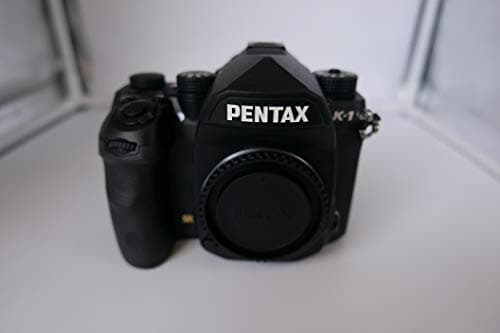 | ||
Name | Features | Price |
Nikon Z6III⭐ 4.9 / 5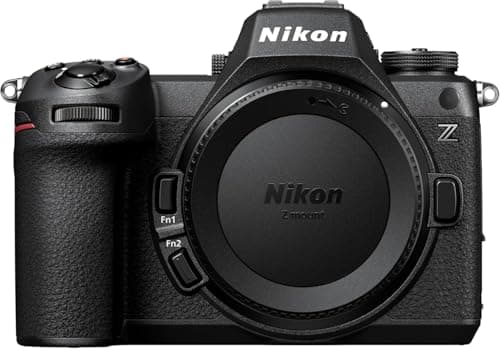 | ||
Name | Features | Price |
Pentax K-1 Mark II⭐ 4.9 / 5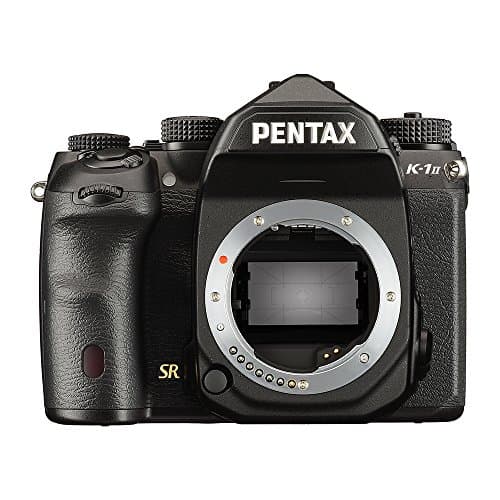 | ||
Name | Features | Price |
Nikon Z8⭐ 4.8 / 5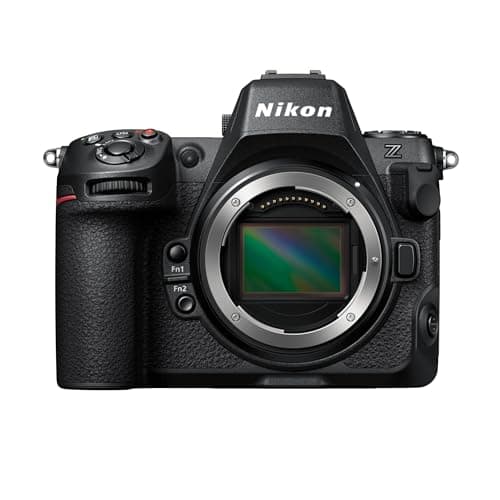 | ||
Name | Features | Price |
Nikon D850⭐ 4.8 / 5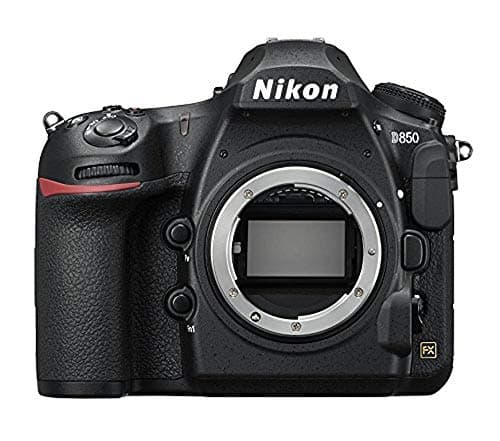 | ||
Name | Features | Price |
Canon EOS R5 Mark II⭐ 4.8 / 5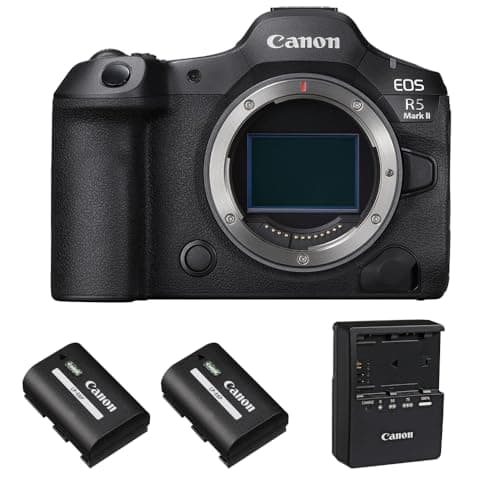 | ||
Name | Features | Price |
Sony a7 III⭐ 4.8 / 5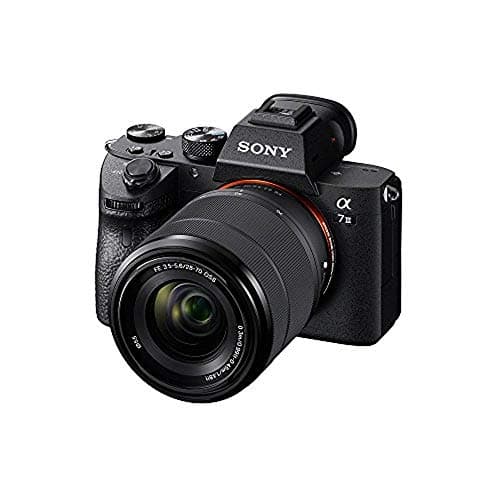 | ||
Name | Features | Price |
Pentax K-3 Mark III⭐ 4.8 / 5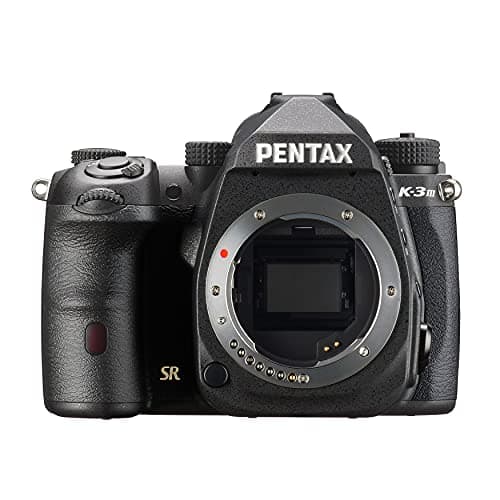 | ||
Name | Features | Price |
Pentax K-70⭐ 4.8 / 5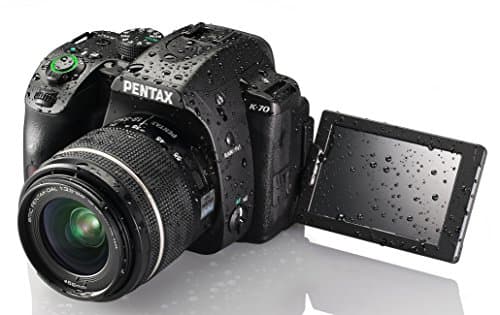 | ||
Name | Features | Price |
Canon EOS R5⭐ 4.7 / 5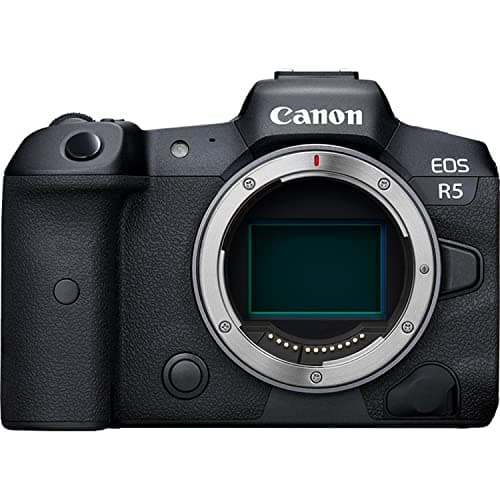 |
* Product prices and availability are accurate as of the date/time indicated and are subject to change. Any price and availability information displayed on Amazon.com at the time of purchase will apply to the purchase of this product.
* Imaginated.com may receive compensation for purchases made at participating retailers linked on this site. This compensation does not affect what products or prices are displayed, or the order of prices listed. Learn more here.
These are the best cameras for astrophotography, chosen for their ability to capture the stunning beauty of the night sky with exceptional detail, minimal noise, and high sensitivity to light. Astrophotography requires cameras that excel in low-light performance, long exposure capabilities, and high dynamic range to accurately render stars, planets, and celestial phenomena. Whether you're photographing the Milky Way, deep-sky objects, or meteor showers, the right camera can make all the difference in producing sharp, vivid images of the cosmos. Low-light performance is the most critical factor for astrophotography, and cameras with large sensors—such as full-frame or APS-C models—offer superior light-gathering abilities, reducing noise and enhancing image clarity in dark environments. Full-frame sensors are particularly advantageous due to their larger surface area, which allows for greater photon collection and cleaner images at higher ISO levels. Medium format cameras also provide exceptional results, but their cost and bulk typically make full-frame the preferred option for most astrophotographers. Resolution plays an essential role, allowing photographers to capture intricate details of distant celestial bodies. Cameras with high megapixel counts (30MP or higher) enable large, detailed prints and allow for cropping without losing significant quality. However, a balance between resolution and pixel size is crucial, as larger pixels often perform better in low light by capturing more light per pixel. Astrophotography often involves long exposure times, sometimes lasting several minutes. Cameras that offer long exposure noise reduction and low thermal noise are ideal, as they prevent excessive hot pixels and artifacts that can appear in prolonged exposures. Mirrorless and DSLR cameras with manual control over exposure settings allow astrophotographers to fine-tune shutter speed, aperture, and ISO for optimal star tracking and light capture. Astrophotographers frequently shoot using manual focus lenses or wide-angle, fast-aperture lenses to maximize light capture and achieve sharp star points. Cameras with focus peaking and magnified live view assist in precise manual focusing, ensuring sharp and clear images of stars and planets. This is especially useful for pinpointing focus during dark conditions where autofocus may struggle. Dynamic range is crucial for capturing the subtle gradations of light and shadow in the night sky. Cameras with wide dynamic range sensors help reveal faint stars, nebulae, and galaxies while preserving detail in brighter areas, such as the moon or planets. This ensures a balanced exposure that reflects the full beauty of celestial objects. Astromodified cameras—specialized models with enhanced sensitivity to hydrogen-alpha wavelengths—are highly sought after for deep-sky astrophotography. These cameras capture more detail in nebulae and other celestial bodies that emit light in the red spectrum, offering richer and more vibrant results compared to standard cameras. Stability is paramount for long-exposure astrophotography, and many cameras feature in-body image stabilization (IBIS) or work in conjunction with motorized star trackers to reduce motion blur caused by the Earth's rotation. Additionally, cameras with intervalometers or built-in time-lapse functions are beneficial for creating star trails and time-lapse videos of the night sky. Whether you're capturing wide-field shots of constellations or zooming in on distant nebulae, cameras designed for astrophotography deliver the sensitivity, resolution, and dynamic range needed to unlock the wonders of the universe. Explore the best cameras for astrophotography to find the perfect tool for your celestial photography adventures and start capturing the cosmos in stunning detail.
Cameras by brand:
- Best Canon Cameras for Astrophotography
- Best Fujifilm Cameras for Astrophotography
Best Hasselblad Cameras for Astrophotography
Best Kodak Cameras for Astrophotography
- Best Leica Cameras for Astrophotography
- Best Nikon Cameras for Astrophotography
- Best Olympus Cameras for Astrophotography
Best Panasonic Cameras for Astrophotography
- Best Pentax Cameras for Astrophotography
Best Ricoh Cameras for Astrophotography
Best Sigma Cameras for Astrophotography
- Best Sony Cameras for Astrophotography
Cameras by price:
Cameras by type:
Cameras by sensor:
Cameras by feature:
- Best Cameras for Astrophotography with 4K Video
- Best Cameras for Astrophotography with 6K Video
- Best Cameras for Astrophotography with 8K Video
- Best Cameras for Astrophotography with Bluetooth
- Best Cameras for Astrophotography with Built-In Flash
- Best Cameras for Astrophotography with Dual Card Slots
- Best Cameras for Astrophotography with Flip Screen
- Best Cameras for Astrophotography with Image Stabilization
- Best Cameras for Astrophotography with Touchscreen
- Best Cameras for Astrophotography with Weather-Sealing
- Best Cameras for Astrophotography with Wi-Fi
Cameras by use case:
- Best Cameras for Aerial Photography
- Best Cameras for Architectural Photography
- Best Cameras for Automotive Photography
- Best Cameras for Boudoir Photography
- Best Cameras for Cityscape Photography
- Best Cameras for Commercial Photography
- Best Cameras for Concert Photography
- Best Cameras for Corporate Photography
- Best Cameras for Documentary Photography
- Best Cameras for Editorial Photography
- Best Cameras for Event Photography
- Best Cameras for Fashion Photography
- Best Cameras for Fine Art Photography
- Best Cameras for Food Photography
- Best Cameras for Headshot Photography
- Best Cameras for Jewelry Photography
- Best Cameras for Landscape Photography
- Best Cameras for Lifestyle Photography
- Best Cameras for Macro Photography
- Best Cameras for Medical Photography
- Best Cameras for Newborn Photography
- Best Cameras for Night Photography
- Best Cameras for Pet Photography
- Best Cameras for Photojournalism
- Best Cameras for Portrait Photography
- Best Cameras for Product Photography
- Best Cameras for Real Estate Photography
- Best Cameras for Sports Photography
- Best Cameras for Still Life Photography
- Best Cameras for Stock Photography
- Best Cameras for Street Photography
- Best Cameras for Studio Photography
- Best Cameras for Travel Photography
- Best Cameras for Underwater Photography
- Best Cameras for Weather Photography
- Best Cameras for Wedding Photography
- Best Cameras for Wildlife Photography
- Best Cameras for Video
Cameras by experience:
Cameras lenses: