
Best Wide-Angle Zoom Lenses in 2026
Filters:
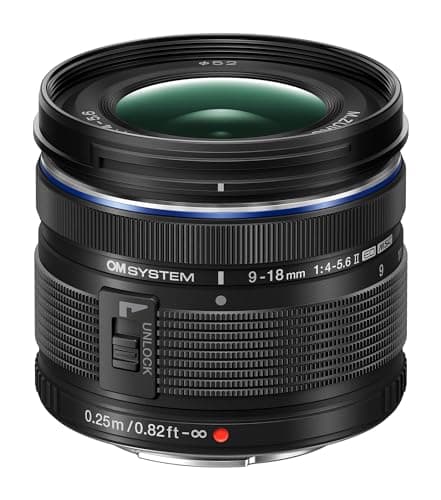
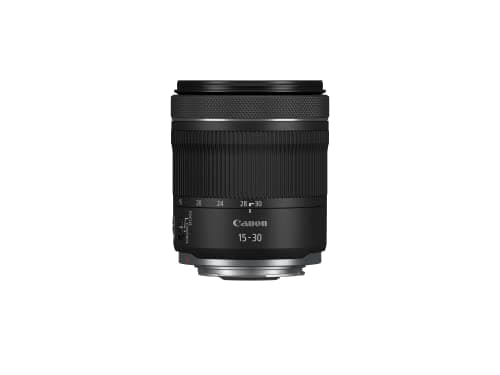
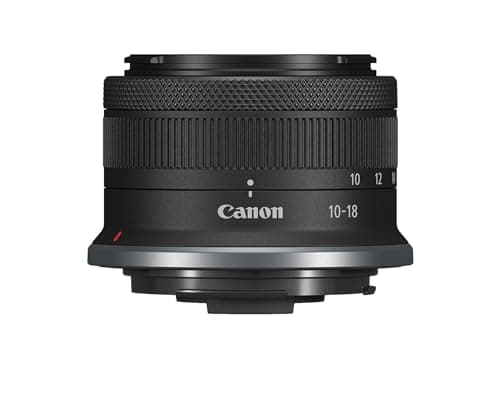
* Product prices and availability are accurate as of the date/time indicated and are subject to change. Any price and availability information displayed on Amazon.com at the time of purchase will apply to the purchase of this product.
* Imaginated.com may receive compensation for purchases made at participating retailers linked on this site. This compensation does not affect what products or prices are displayed, or the order of prices listed. Learn more here.
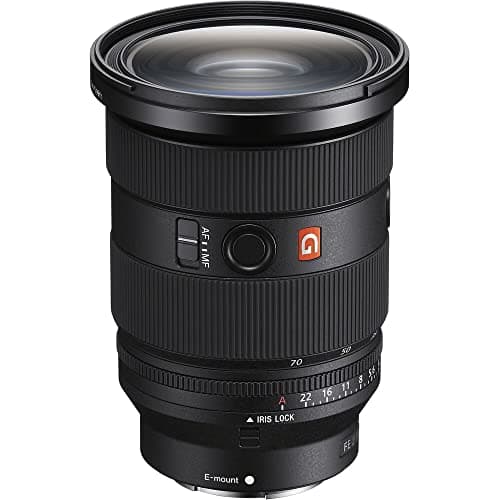
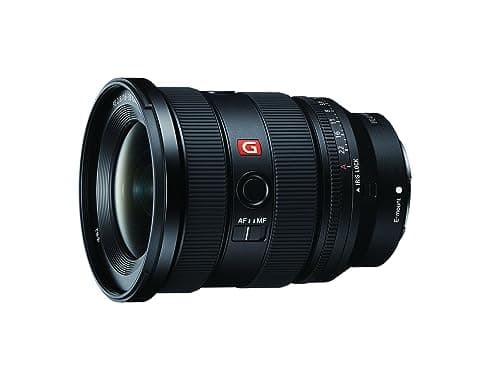
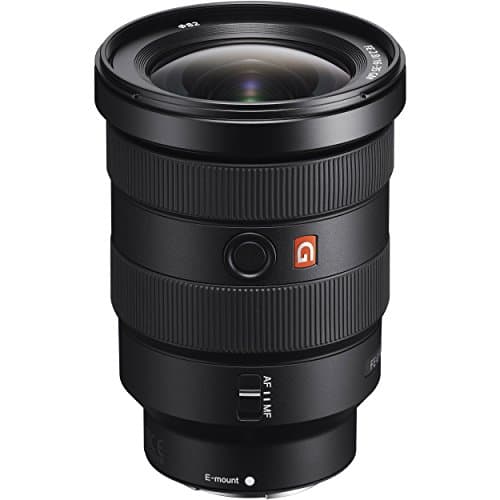
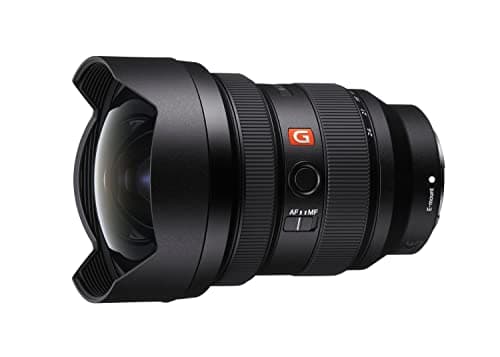
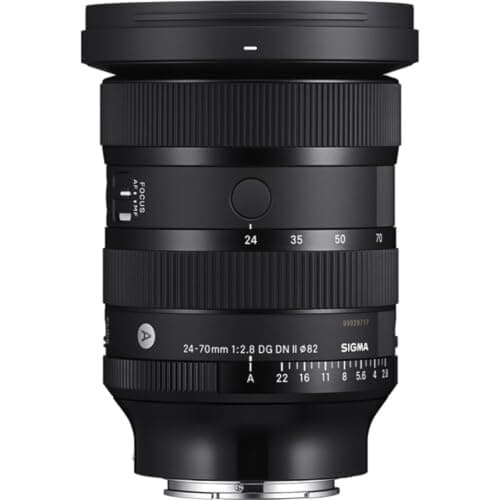
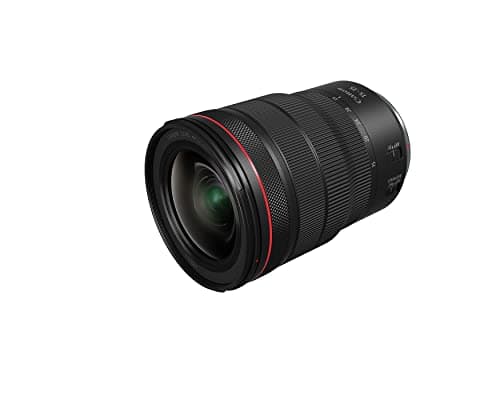
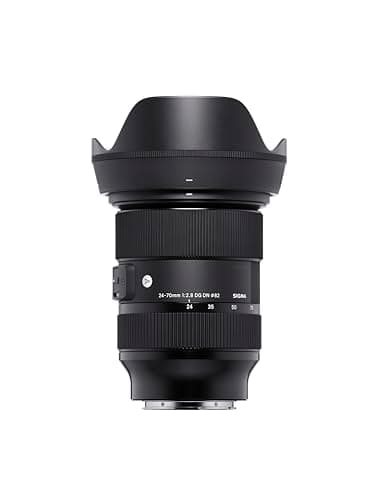
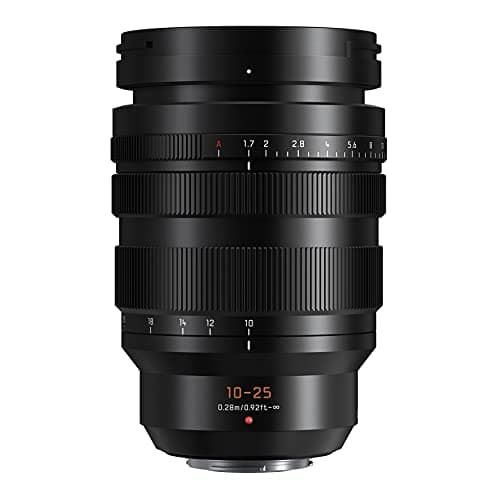
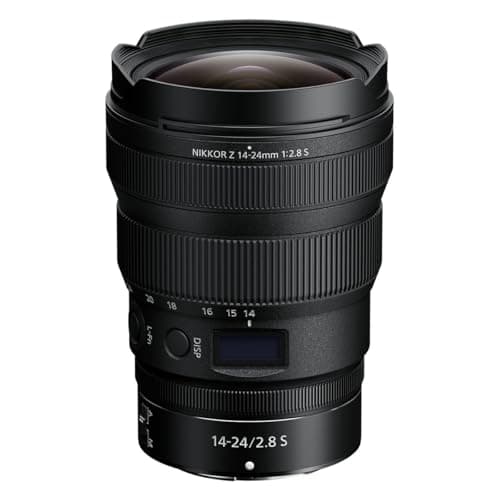
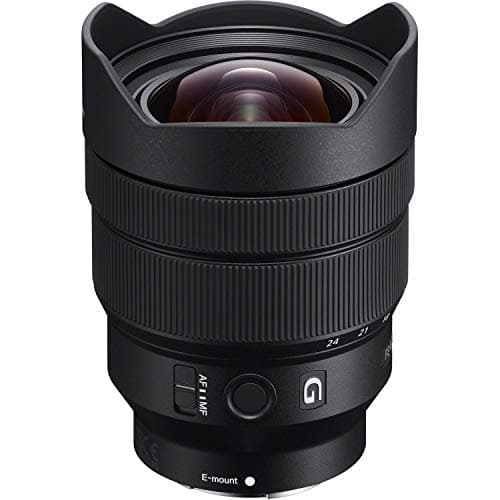
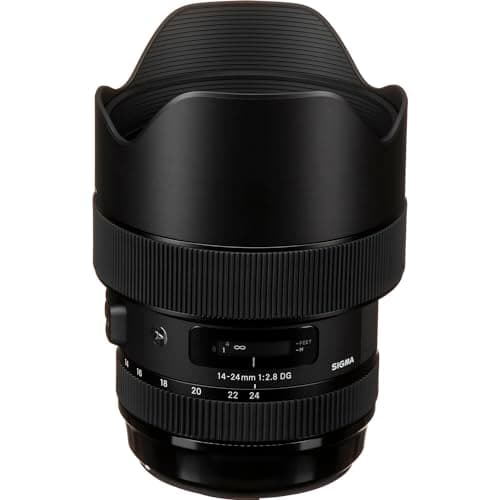
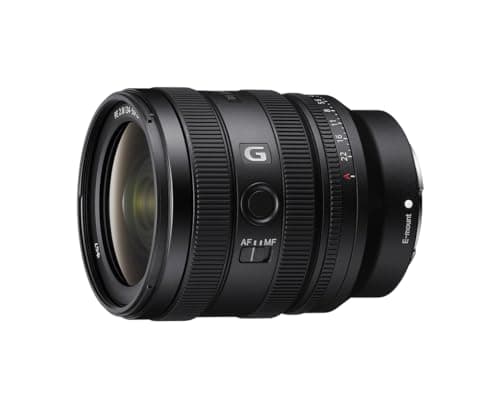
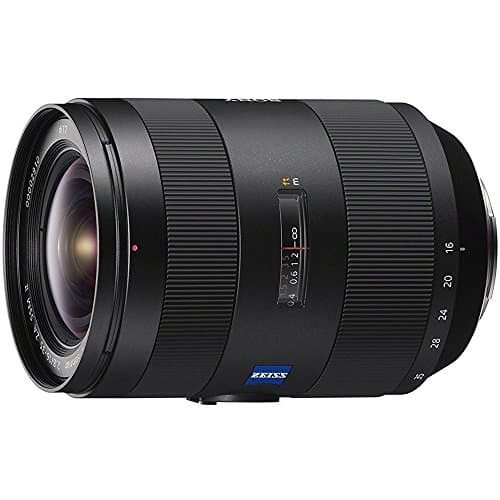
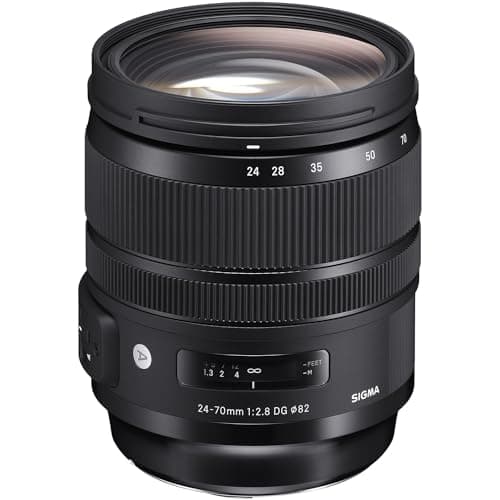
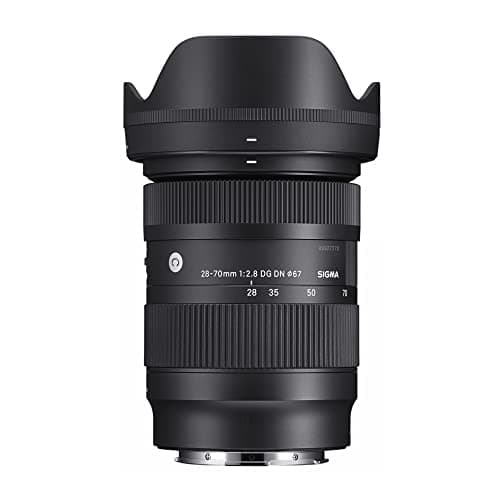
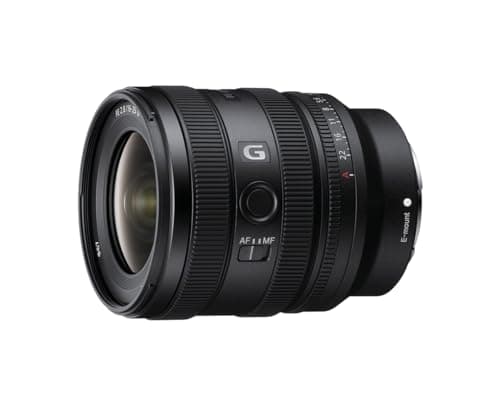
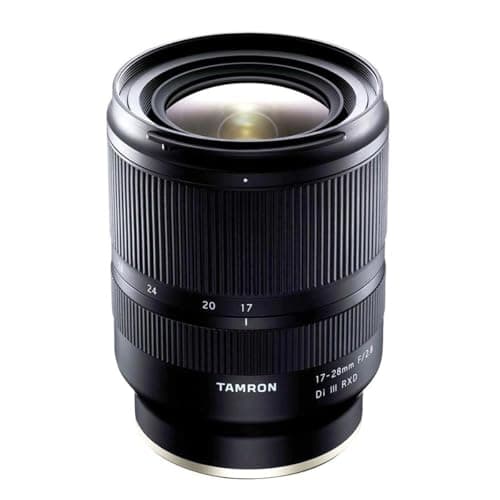
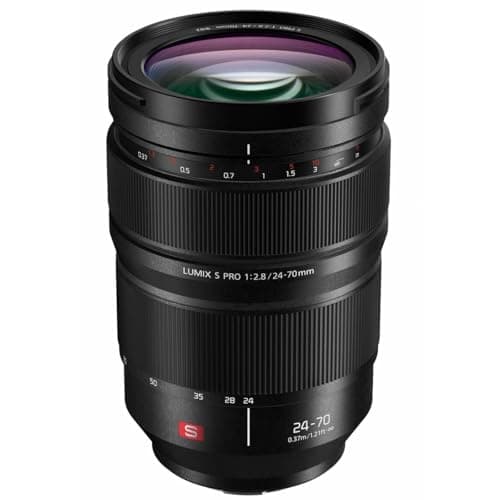
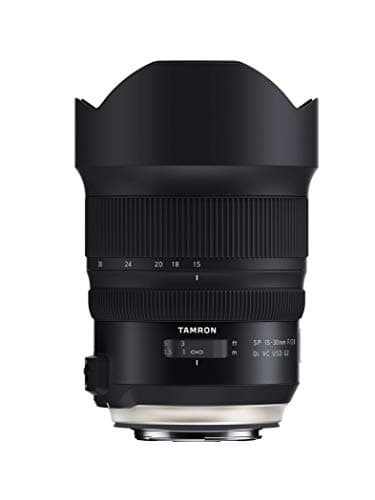
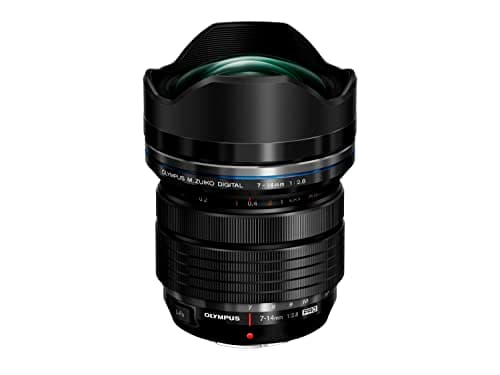
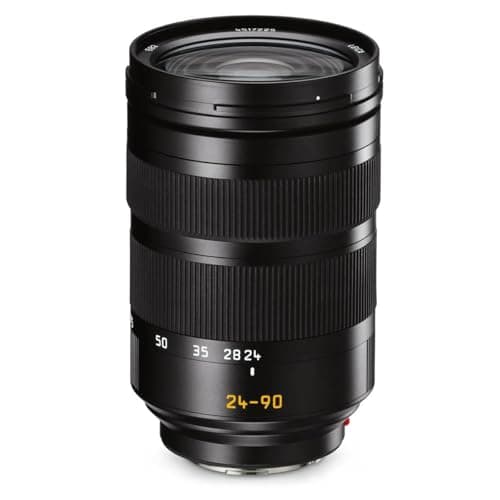
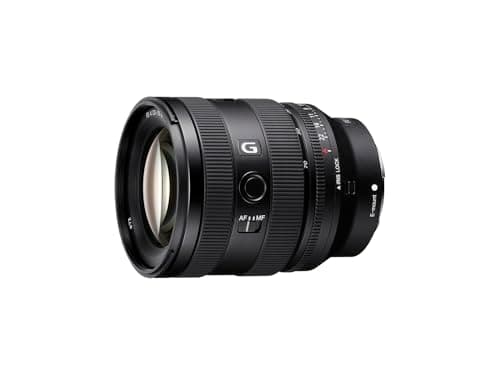
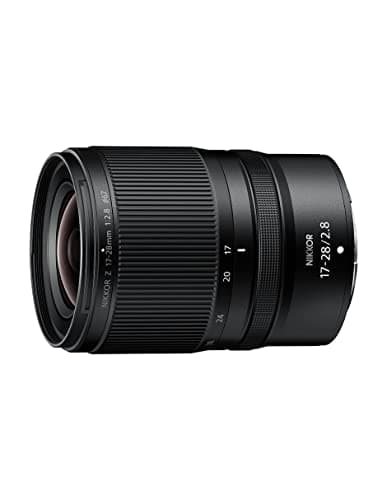
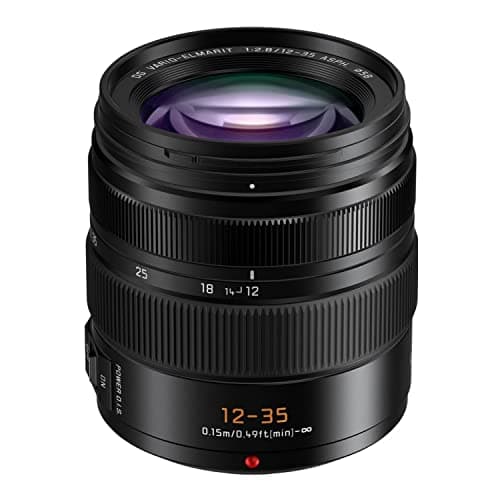
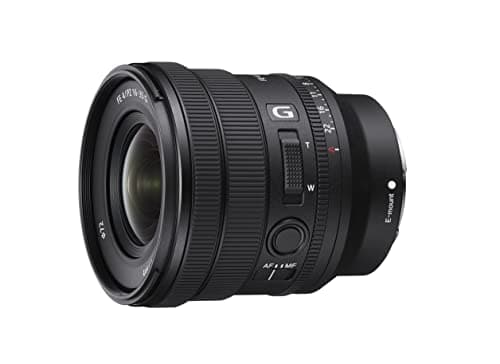
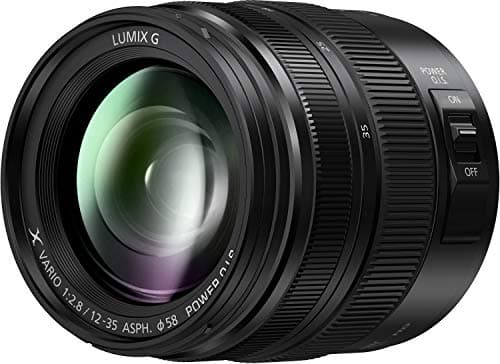
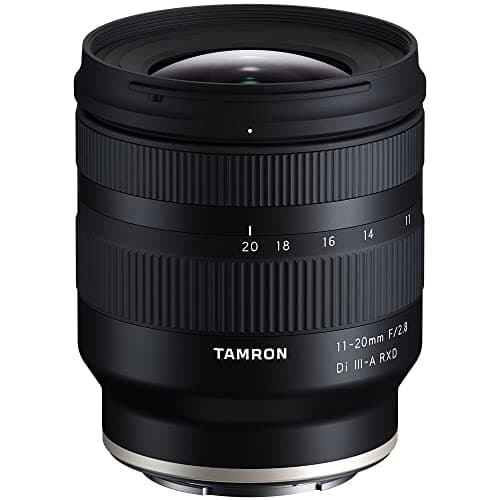
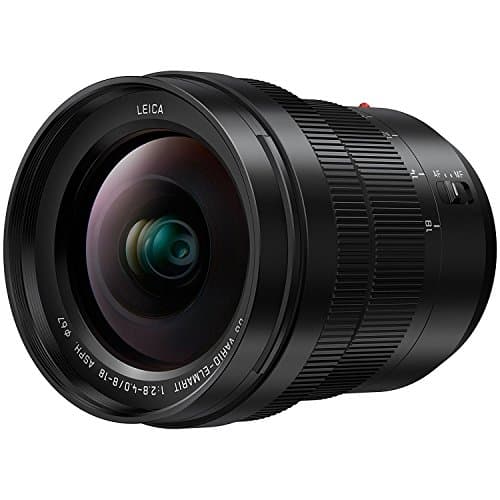
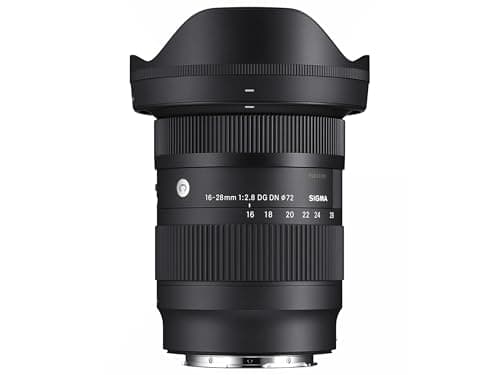
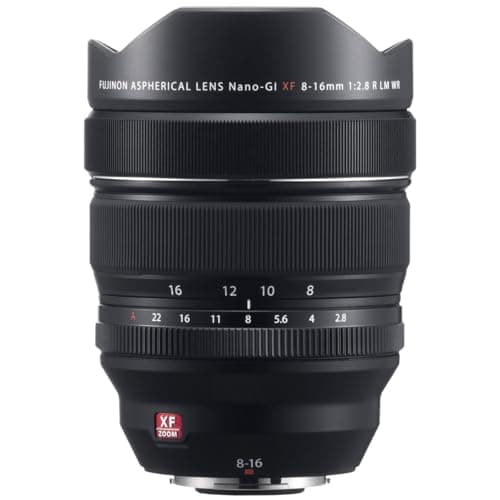
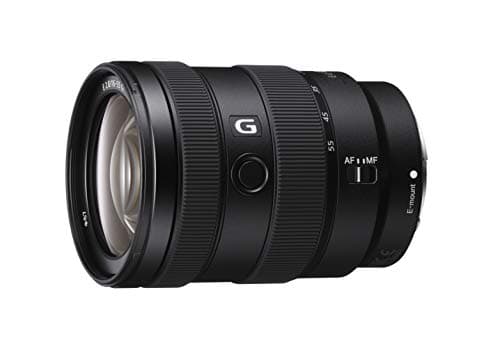
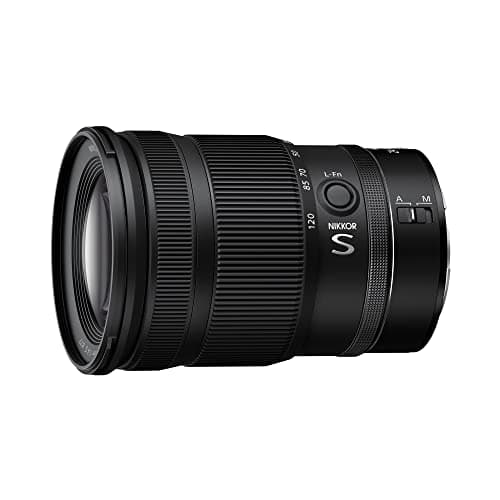
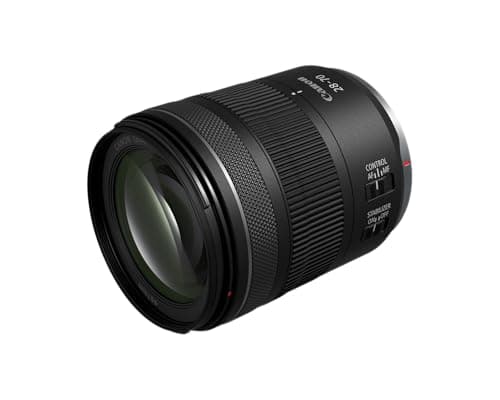
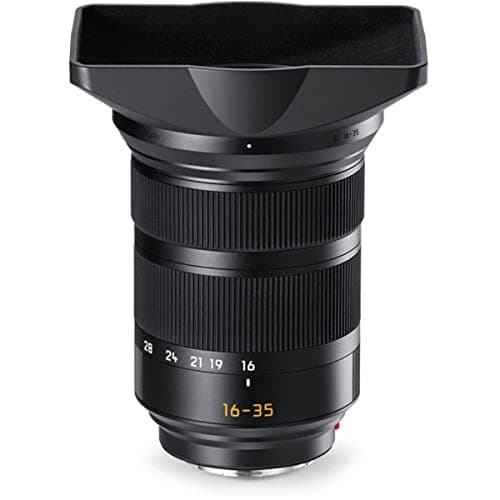
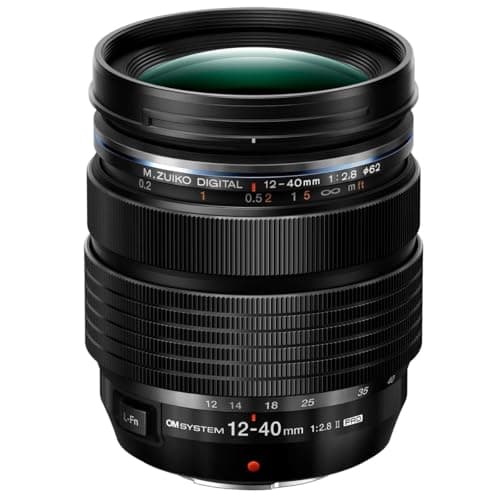
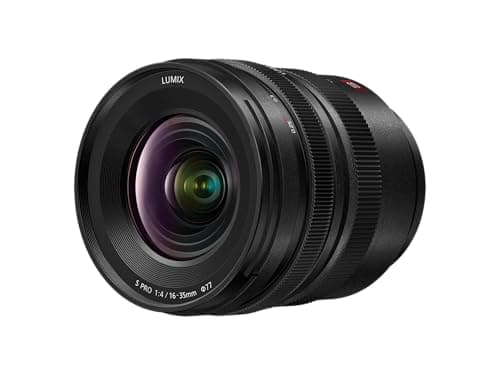
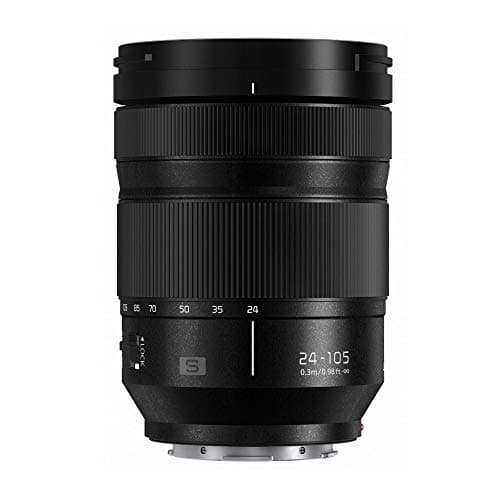
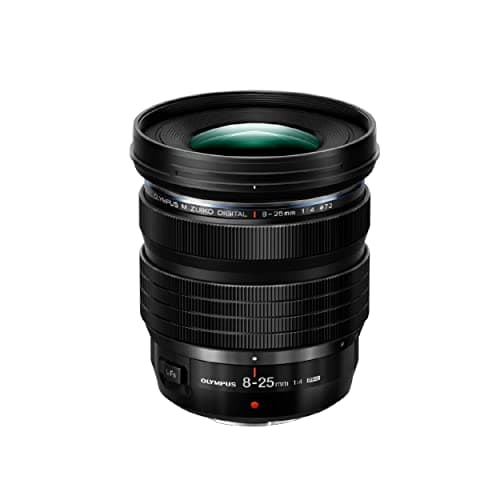
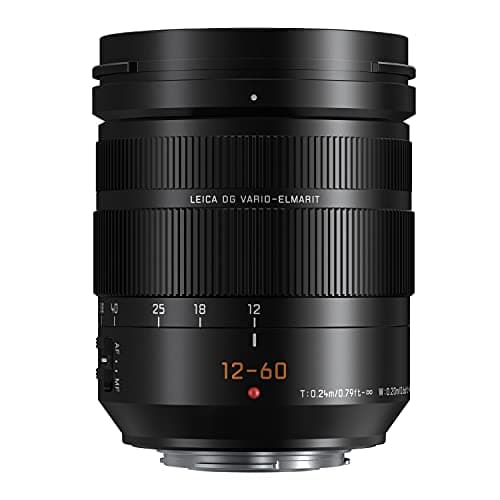
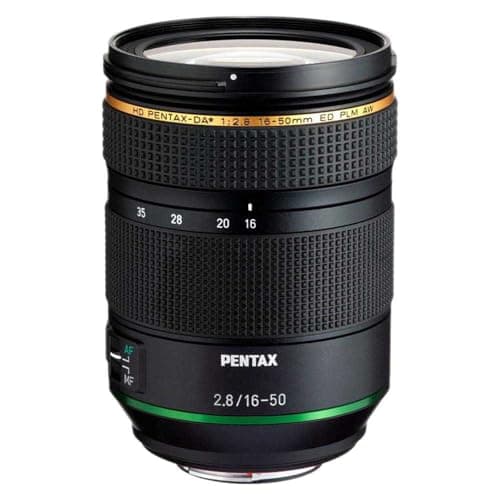
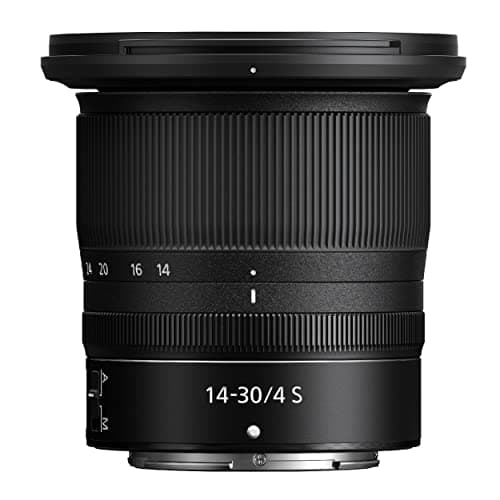
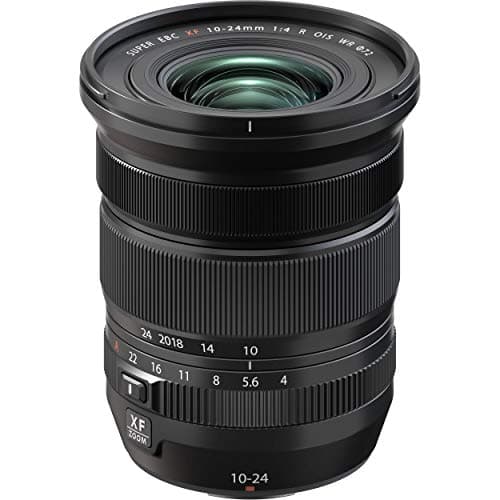
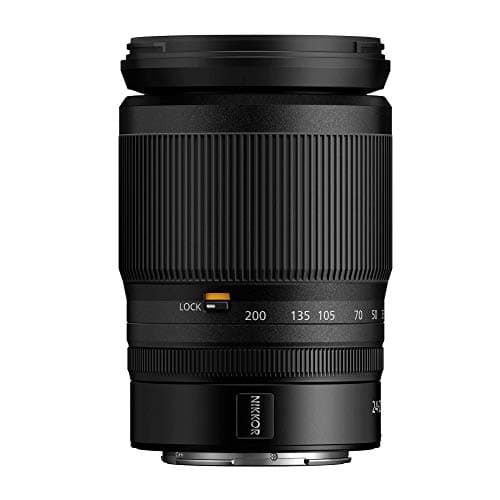
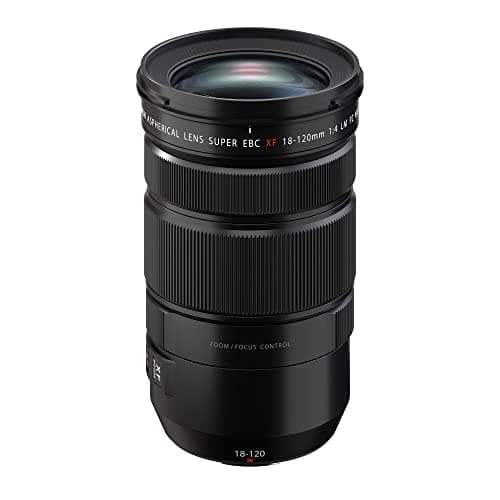
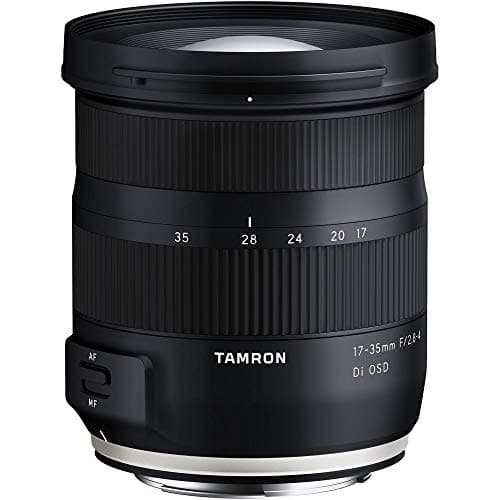
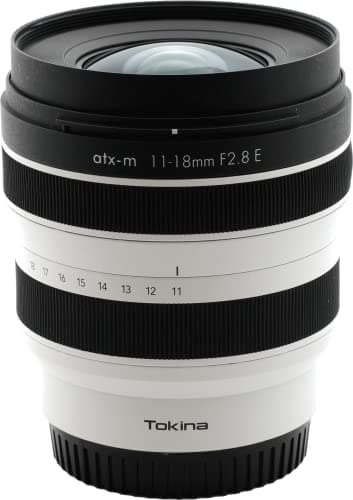
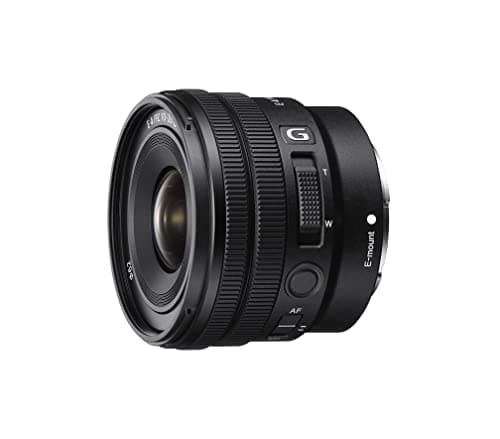
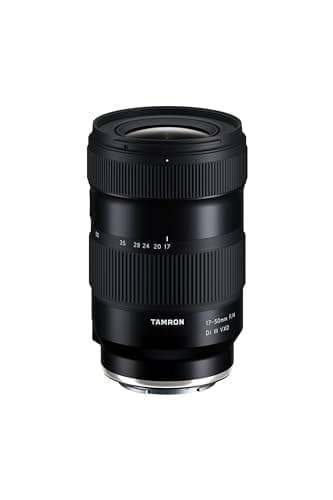
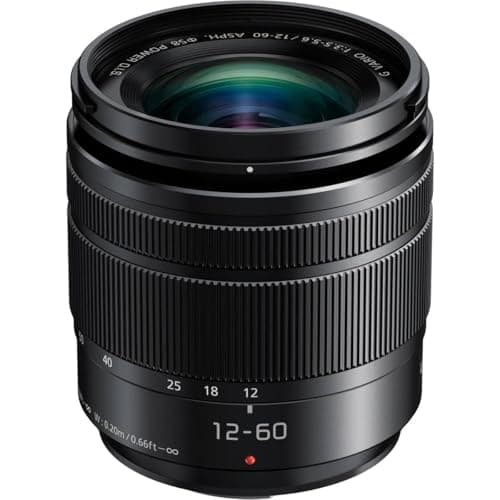
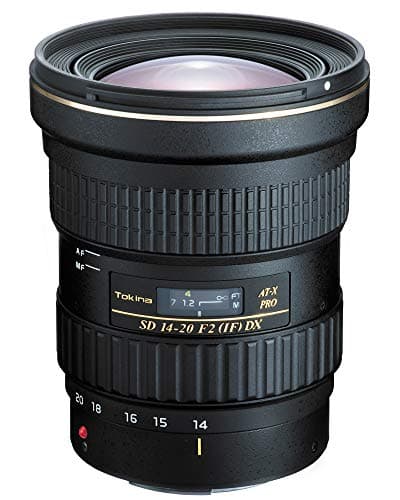
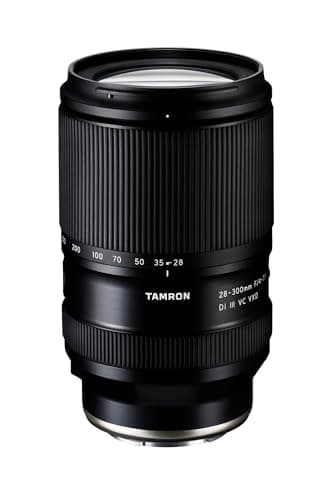
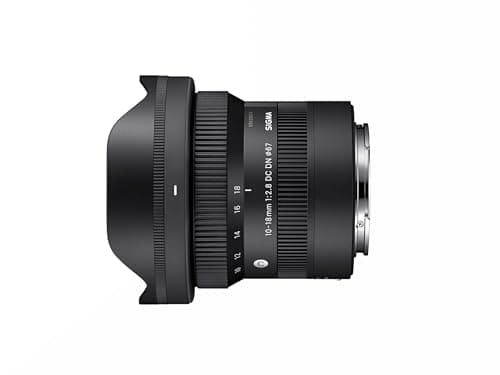
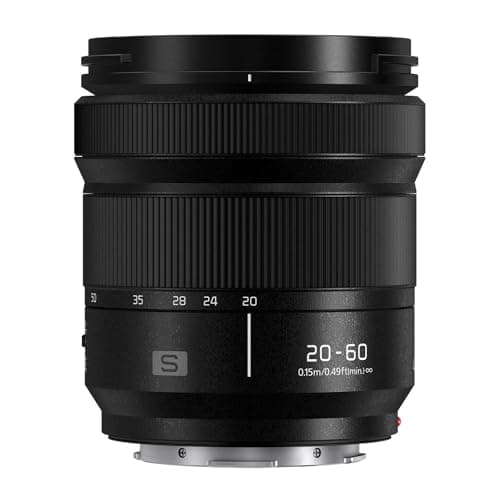
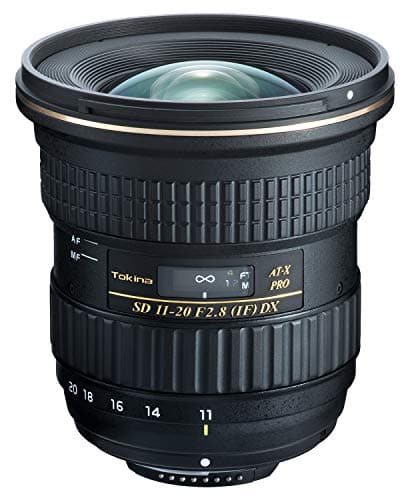
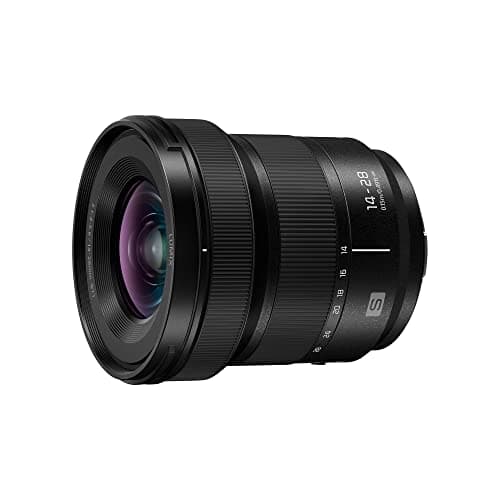
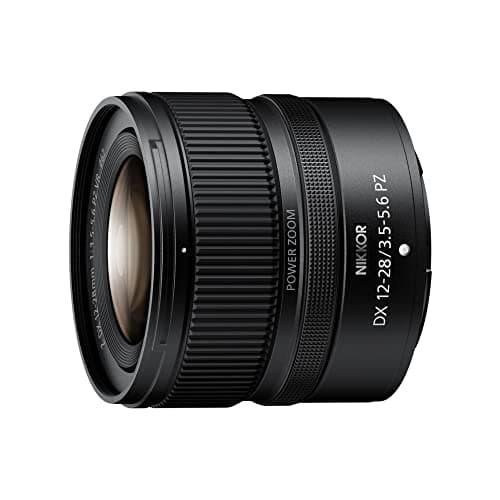
These are the best wide-angle zoom lenses when you want expansive views, tight geometry, clean corners by working apertures, and confident flare control for landscapes, cityscapes, interiors/real estate, travel, and astro—without hauling prime kits—and here’s what to look for as you buy: prioritize strong edge performance by ƒ5.6–ƒ8, low sagittal coma (stars), reliable in-camera corrections, quiet AF with minimal breathing if you film, front-filter support (82/77/67mm ideal) unless you accept bulbous fronts/rear gels, close-focus for foreground drama, and weather sealing if you roam; choose speed/weight consciously—ƒ2.8 for low light and action, ƒ4 for travel balance. Full-frame standouts: Sony FE 16–35mm ƒ2.8 GM II (class-leading sharpness, flare control), FE 14–24mm ƒ2.8 GM (ultra-wide, stellar coma), FE 12–24mm ƒ4 G (super-wide with filters via holders), FE 20–70mm ƒ4 G (wide-plus range for travel), Tamron 17–28mm ƒ2.8 (tiny and sharp), Sigma 14–24mm ƒ2.8 DG DN Art and 16–28mm ƒ2.8 DG DN (great value, crisp corners); Canon RF 15–35mm ƒ2.8L IS (fast + IS), RF 14–35mm ƒ4L IS (filterable ultra-wide), RF 15–30mm ƒ4.5–6.3 IS (budget travel); Nikon Z 14–24mm ƒ2.8 S (razor with rear/slot filters), Z 14–30mm ƒ4 S (filterable, light), Z 17–28mm ƒ2.8 (compact), adapted F 16–35mm ƒ4 VR/18–35G as value picks; L-mount: Panasonic S 16–35mm ƒ4 and 20–60mm ƒ3.5–5.6 (close-focus sleeper), Sigma 14–24mm ƒ2.8 DG DN and 16–28mm ƒ2.8 (optical punches above weight). APS-C winners: Sony E 10–20mm ƒ4 PZ G (sharp, video-friendly power zoom), Tamron 11–20mm ƒ2.8 (fast, travel-size), Sigma 10–18mm ƒ2.8 DC DN (compact speed), Sony E 10–18mm ƒ4 (used value); Fujifilm XF 10–24mm ƒ4 R OIS (proven, stabilized), XF 8–16mm ƒ2.8 (flagship ultra-wide), Viltrox 13mm-adjacent primes to complement; Canon RF-S 10–18mm ƒ4.5–6.3 IS STM (tiny, stabilized), plus RF 15–30mm ƒ4.5–6.3 IS for FF travel sets; Nikon Z DX 12–28mm ƒ3.5–5.6 PZ VR (power-zoom, stabilized). Micro Four Thirds gems: OM SYSTEM 8–25mm ƒ4 PRO (filterable 16–50-eq workhorse), 7–14mm ƒ2.8 PRO (fast interiors/astro), Panasonic Leica 8–18mm ƒ2.8–4 (flare-tough, filterable), and Lumix 7–14mm ƒ4 (value ultra-wide). Practical buyer tips: if astro matters, lean to ƒ2.8 designs with good coma control (14–24/2.8, 16–28/2.8); for travel and hybrid video, pick compact, filterable ƒ4 zooms (14–30/4 S, 16–35/4, 8–25/4 PRO) and check breathing; for interiors/real estate, choose rectilinear lenses with front filters and keep the camera level; standardize step-up rings to one CPL/ND and carry a deep hood or your hand to block veiling flare; don’t fear used DSLR legends—16–35/4L IS, 17–40/4L, 18–35G adapt beautifully. Wide-zoom shooting tips: compose with strong foreground anchors and level the camera, then add slight rise in post for plumb verticals; stop to ƒ5.6–ƒ8 (≈ƒ4–ƒ5.6 on smaller sensors) for edge discipline, shade the front element to prevent ghosts, use a CPL gently (ultra-wides can blotch skies), and for astro focus via magnified star, start with NPF/500-rule exposures, stack short frames, and add a small stop-down if corners need discipline; for video, enable breathing compensation where available, use IBIS/OIS plus a quality VND, and prefer power-zooms for smooth reframes; whether you’re squeezing alleys, stitching cliff-top panos, opening tight interiors, or pulling the Milky Way over foreground texture, the best wide-angle zooms balance credible corners, flare discipline, and portability—so your big scenes look clean, dramatic, and ready to print.
Lenses by brand:
Lenses by price:
Lenses by type:
Lenses by sensor:
Lenses by feature:
Lenses by use case:
Lenses by experience:
Cameras: