
10 Best Tamron Lenses for Wedding Photography in 2026
Filters:
Name | Features | Price |
|---|---|---|
Tamron 35-150mm F2-2.8 Di III VXD⭐ 5.0 / 5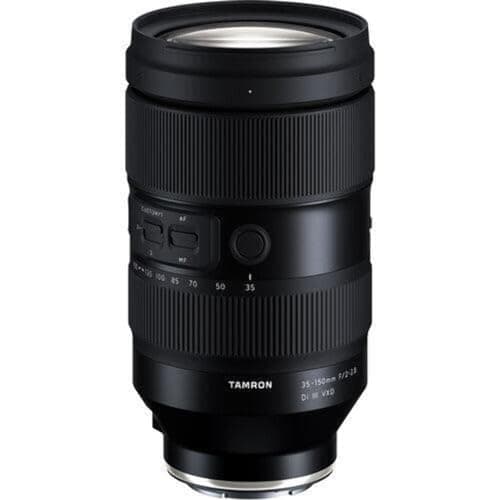 | ||
Name | Features | Price |
Tamron 28-75mm F2.8 Di III RXD⭐ 4.9 / 5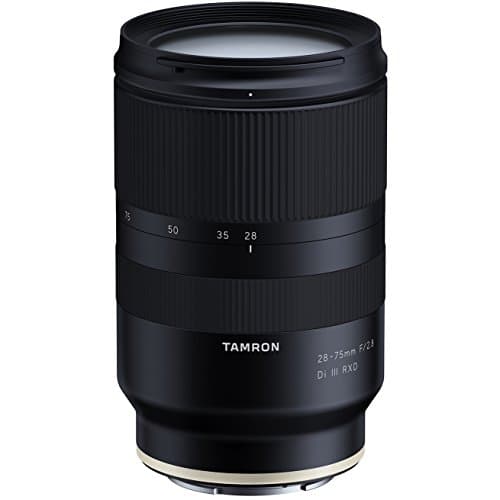 | ||
Name | Features | Price |
Tamron SP 24-70mm F2.8 Di VC USD G2⭐ 4.9 / 5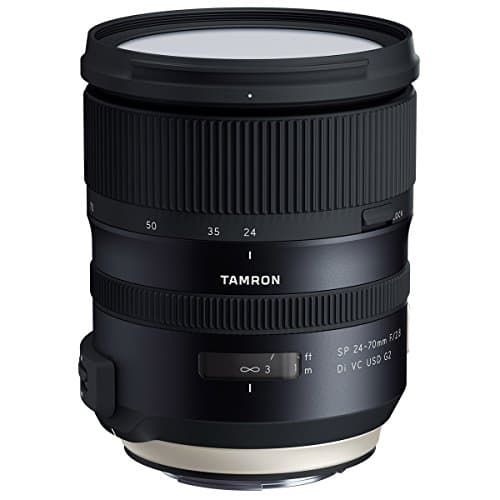 | ||
Name | Features | Price |
Tamron SP 70-200mm F2.8 Di VC USD G2⭐ 4.9 / 5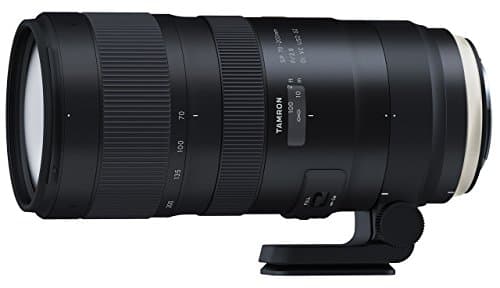 | ||
Name | Features | Price |
Tamron 70-180mm F2.8 Di III VC VXD G2⭐ 4.9 / 5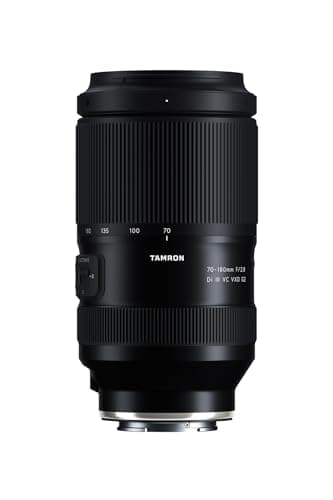 | ||
Name | Features | Price |
Tamron 70-180mm F2.8 Di III VXD⭐ 4.9 / 5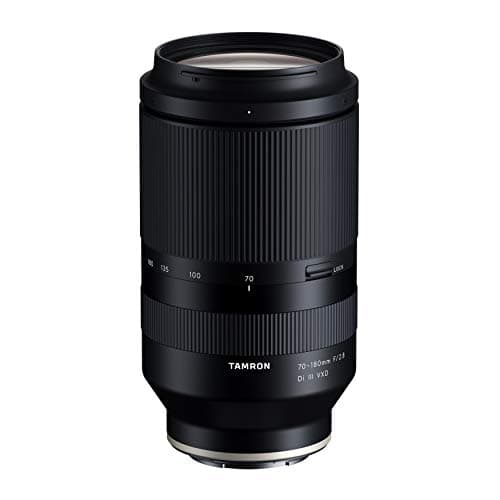 | ||
Name | Features | Price |
Tamron 28-75mm F2.8 Di III VXD G2⭐ 4.9 / 5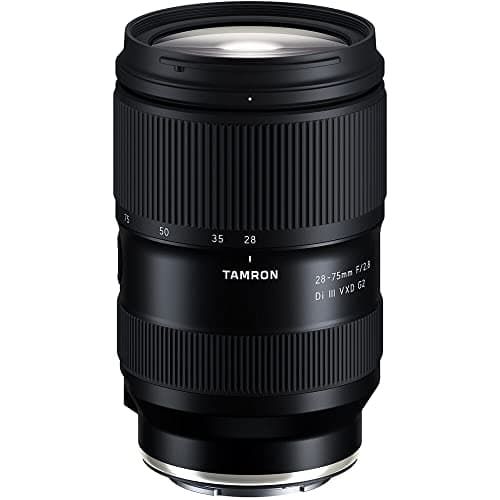 | ||
Name | Features | Price |
Tamron SP 35mm F1.4 Di USD⭐ 4.8 / 5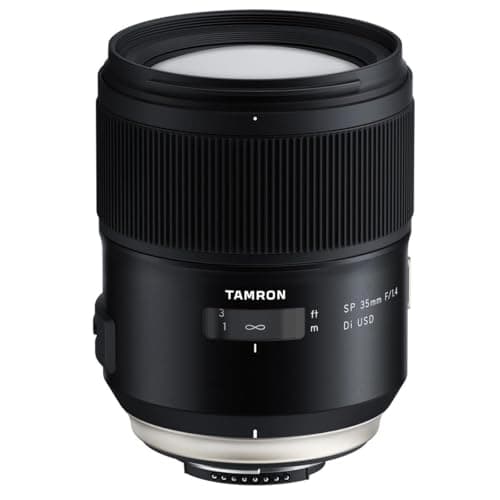 | ||
Name | Features | Price |
Tamron SP 85mm F1.8 Di VC USD⭐ 4.8 / 5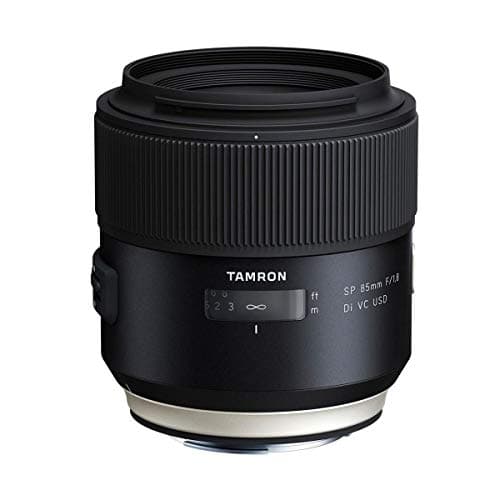 | ||
Name | Features | Price |
Tamron 17-70mm F2.8 Di III-A VC RXD⭐ 4.7 / 5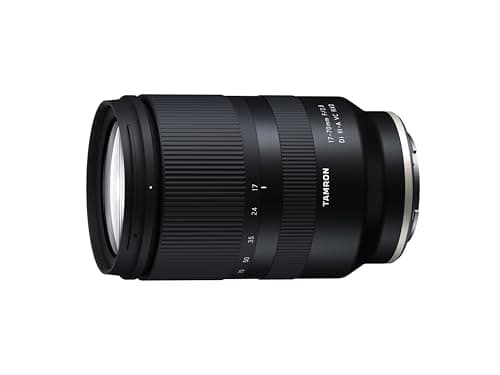 |
* Product prices and availability are accurate as of the date/time indicated and are subject to change. Any price and availability information displayed on Amazon.com at the time of purchase will apply to the purchase of this product.
* Imaginated.com may receive compensation for purchases made at participating retailers linked on this site. This compensation does not affect what products or prices are displayed, or the order of prices listed. Learn more here.
These are the best Tamron lenses for wedding photography when you want fast, sticky Eye AF, flattering skin, clean low-light files, and flexible coverage from prep to sparkler exits—and here’s what to look for as you buy: prioritize fast glass (ƒ2–ƒ2.8) with strong wide-open contrast and controlled LoCA, quiet VXD/RXD motors that hold lock through backlight and DJ LEDs, dependable VC (paired with IBIS/Active) for slower handhelds, minimal focus breathing if you film, weather sealing for rain/tears/champagne, and consistent filter threads (often 67 mm) so one high-quality VND and a mild diffusion filter (⅛–¼) fit the kit; close-focus is clutch for rings/details, and internal focus/compact barrels keep gimbals balanced. Full-frame prime heroes (adaptable DSLR gems): SP 35mm ƒ1.4 Di USD (storytelling normal with luxurious rendering for prep and night portraits), SP 85mm ƒ1.8 Di VC USD (timeless portraits and ceremony reach with stabilizing VC), SP 45mm ƒ1.8 Di VC USD (natural perspective, close-focus for detail B-roll), and SP 90mm ƒ2.8 Di Macro 1:1 VC USD (rings, florals, stationery, dress textures—studio-clean macro with VC). Zoom workhorses that define Tamron wedding kits: 28–75mm ƒ2.8 Di III VXD G2 (bread-and-butter from prep to first dance—prime-like sharpness and excellent close-focus), 70–180mm ƒ2.8 Di III VC VXD G2 (ceremonies, reactions, dim churches; fast AF, now with VC—earlier 70–180/2.8 VXD is a great value if you rely on IBIS), 35–150mm ƒ2–2.8 Di III VXD (range king for couples’ portraits, speeches, and stage without swaps—ƒ2 at the wide end is gold at dusk), 20–40mm ƒ2.8 Di III VXD (tight prep rooms and dance-floor energy; gimbal-friendly), 17–28mm ƒ2.8 Di III RXD (ultra-wide aisles and venue establishing shots, featherweight), and 17–50mm ƒ4 Di III VXD (constant ƒ4 hybrid with tidy handling and great Super35 crop utility for video teams); long/utility options: 50–400mm ƒ4.5–6.3 Di III VC VXD (one-lens travel/event flexibility with surprisingly smooth bokeh and 0.5× at 50 mm for detail) and 70–300mm ƒ4.5–6.3 Di III RXD (budget tele for outdoor ceremonies). APS-C shooters get pro-ready coverage with 17–70mm ƒ2.8 Di III-A VC RXD (stabilized do-it-all), 11–20mm ƒ2.8 Di III-A RXD (tiny UWA for tight suites and packed dance floors), and 18–300mm ƒ3.5–6.3 Di III-A VC VXD (single-lens travel jobs); full-frame 28–75/2.8 G2, 20–40/2.8, and 70–180/2.8 G2 also shine on crop when you want extra reach. Practical buyer tips: build a two-lens spine (28–75/2.8 G2 + 70–180/2.8 G2 VC for classic two-body coverage, or 35–150/2–2.8 + 20–40/2.8 for prime-like look with fewer swaps) and add SP 90 Macro VC for detail sets; standardize to 67 mm with step-up rings so one premium VND and one diffusion filter serve the whole kit, test flare/ghosting under spotlights and candles, and check close-range sharpness at common working distances (≈0.3–1.5 m) before big days; lighter glass means steadier coverage and less fatigue by the reception. Wedding-shooting tips: run Manual or TAv with Auto-ISO and a minimum shutter (≈1/200–1/250s for people; 1/500s+ for fast exits), AF-C with Eye (Human) and a flexible zone, work near wide open and stop 1/3–2/3 stop for eyelash-crisp results, expose for faces and let speculars clip gracefully, carry a macro or close-focusing zoom for rings and florals, and sequence coverage wide → medium → tight to tell the story; in churches, shoot quietly and lean on fast glass/VC; at receptions, start 1/160–1/200s, bounce or off-camera flash for flattering light, watch LED flicker (enable anti-flicker or fine-tune shutter), and avoid heavy CPLs that cost light; for video, hold a 180° shutter with a quality VND, enable breathing compensation, prefer internal-focus zooms for gimbals, and keep moves slow; whether you’re capturing morning prep, aisle tears, golden-hour portraits, or confetti chaos, the best Tamron lenses for wedding photography combine fast apertures, disciplined rendering, stabilization where it counts, and quiet, confident AF—so your moments stay sharp, skin looks luminous, and your galleries feel cohesive and timeless.
Lenses by brand:
- Best Canon Lenses for Wedding Photography
- Best Fujifilm Lenses for Wedding Photography
- Best Nikon Lenses for Wedding Photography
- Best Olympus Lenses for Wedding Photography
- Best Panasonic Lenses for Wedding Photography
- Best Pentax Lenses for Wedding Photography
- Best Rokinon Lenses for Wedding Photography
- Best Sigma Lenses for Wedding Photography
- Best Sony Lenses for Wedding Photography
- Best Tamron Lenses for Wedding Photography
Lenses by price:
Lenses by type:
Lenses by sensor:
Lenses by feature:
Lenses by use case:
- Best Tamron Lenses for Astrophotography
- Best Tamron Lenses for Bird Photography
- Best Tamron Lenses for Landscape Photography
- Best Tamron Lenses for Macro Photography
- Best Tamron Lenses for Portrait Photography
- Best Tamron Lenses for Real Estate Photography
- Best Tamron Lenses for Sports Photography
- Best Tamron Lenses for Travel Photography
- Best Tamron Lenses for Wedding Photography
- Best Tamron Lenses for Wildlife Photography
- Best Tamron Lenses for Video
Lenses by experience:
Cameras: