
* Product prices and availability are accurate as of the date/time indicated and are subject to change. Any price and availability information displayed on Amazon.com at the time of purchase will apply to the purchase of this product.
* Imaginated.com may receive compensation for purchases made at participating retailers linked on this site. This compensation does not affect what products or prices are displayed, or the order of prices listed. Learn more here.
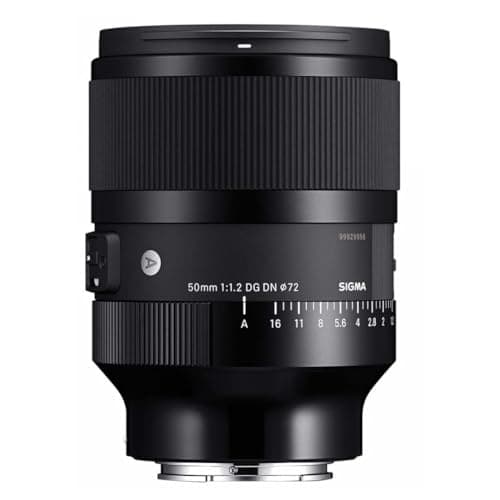
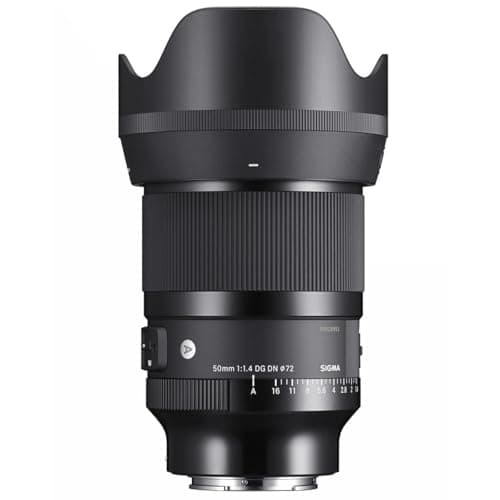
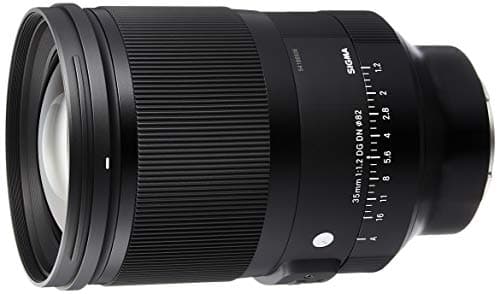
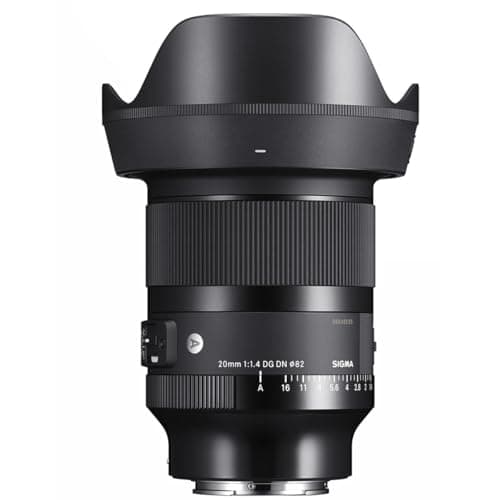
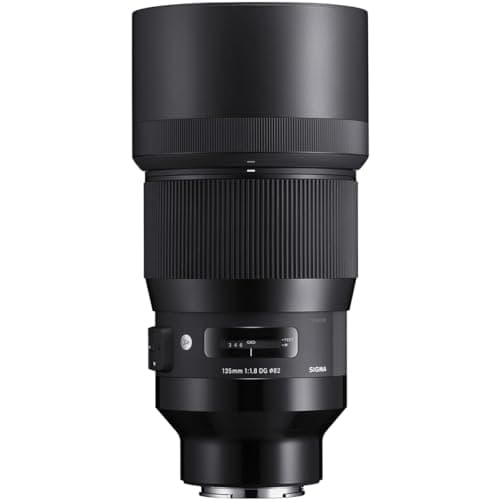
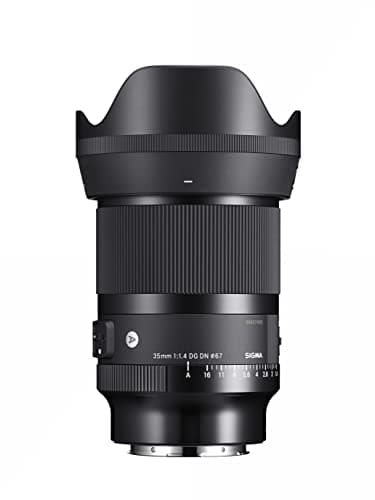
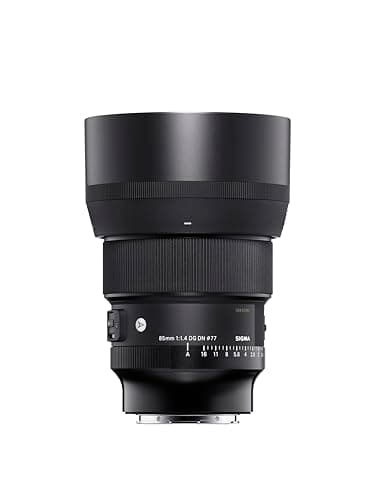
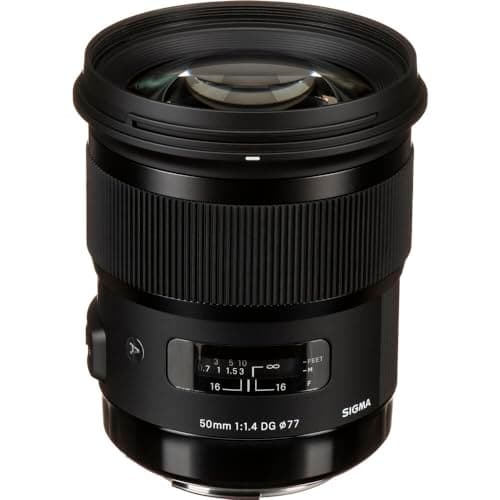
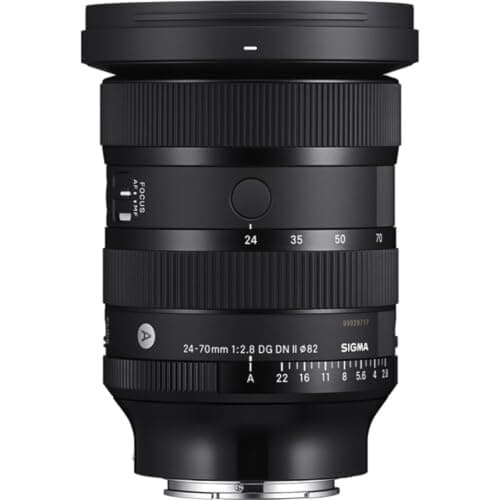
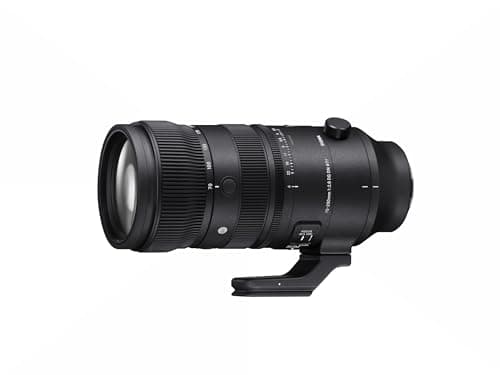
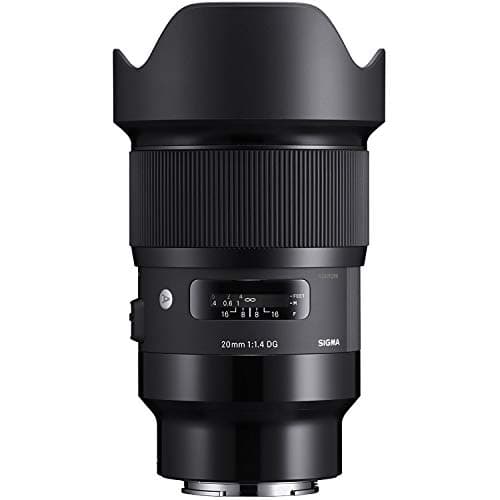
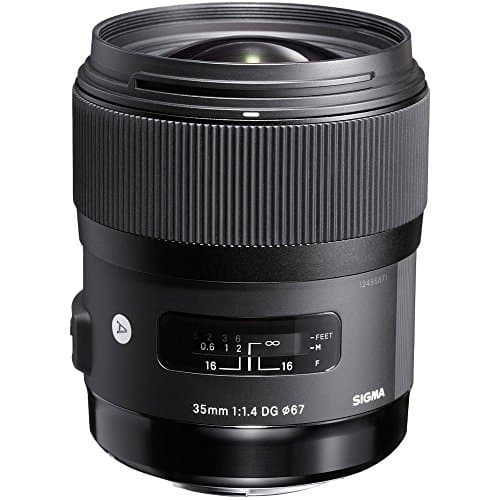
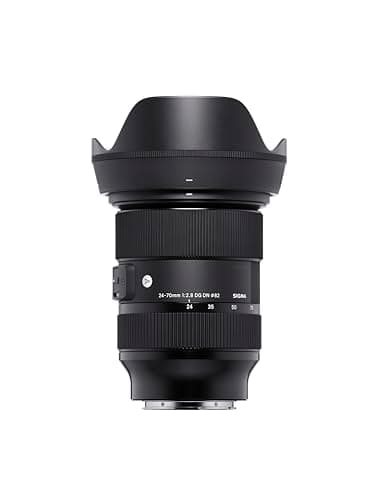
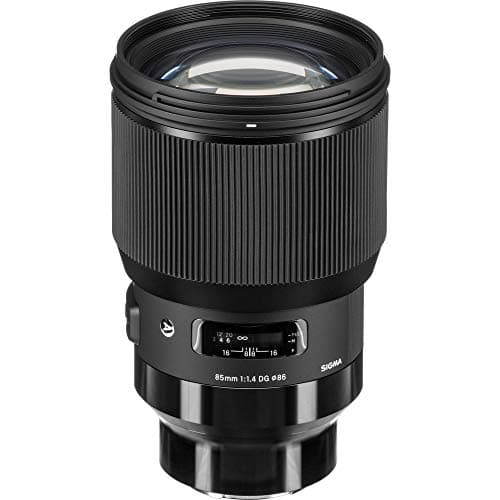
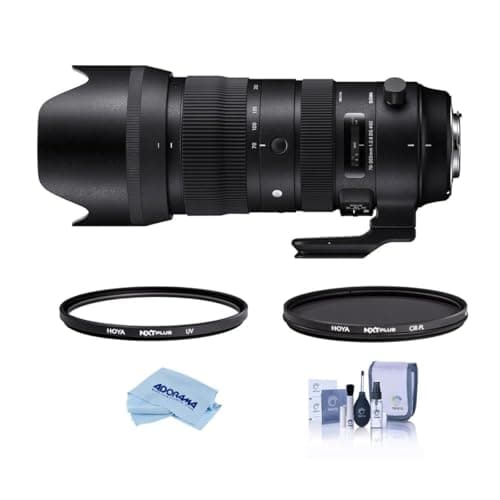
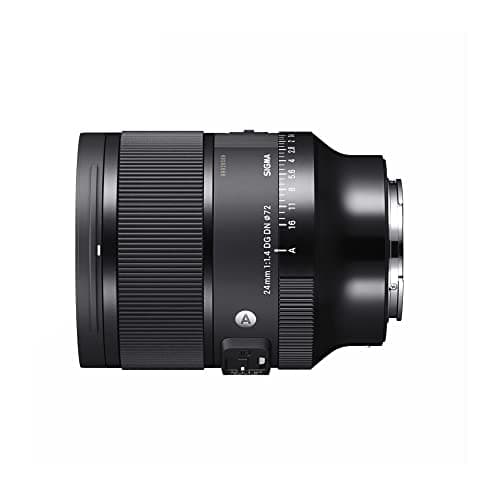
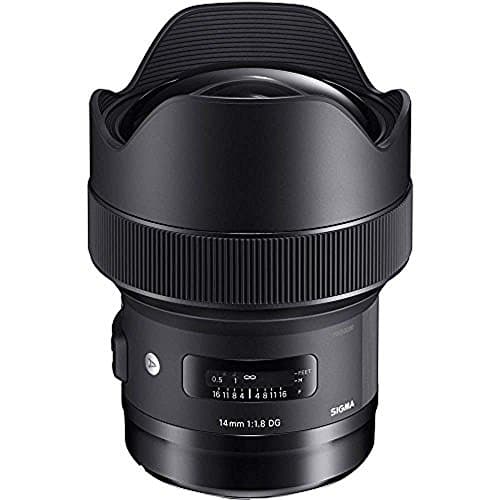
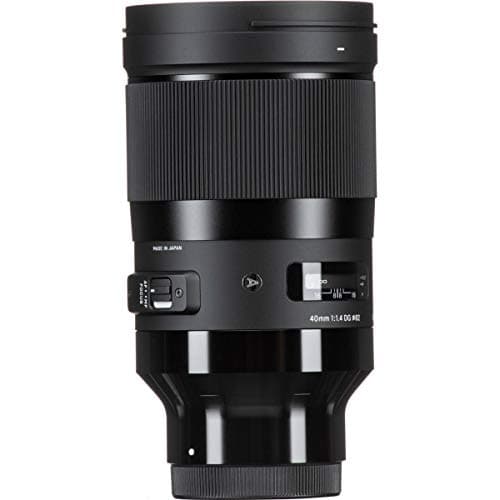
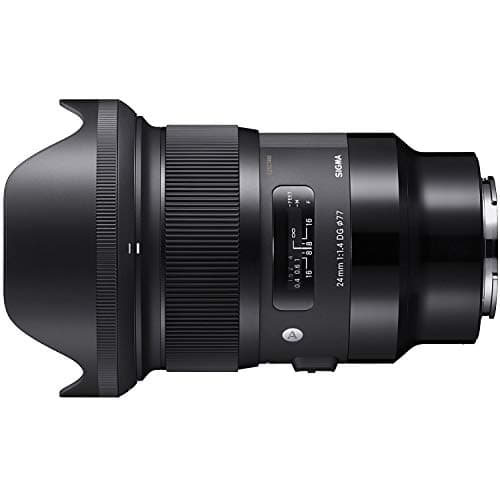
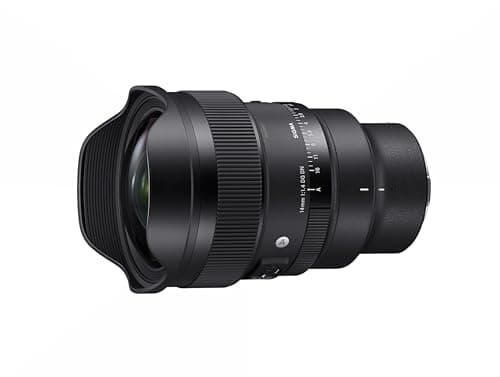
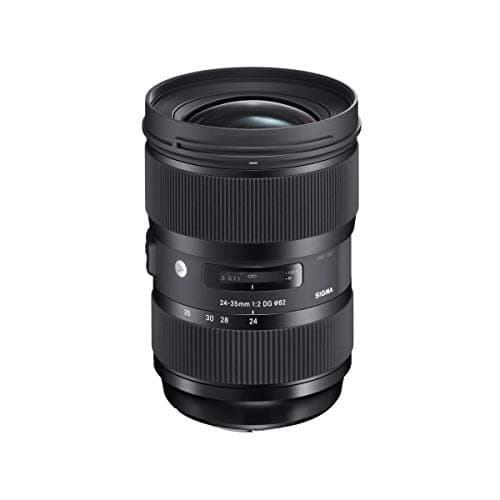
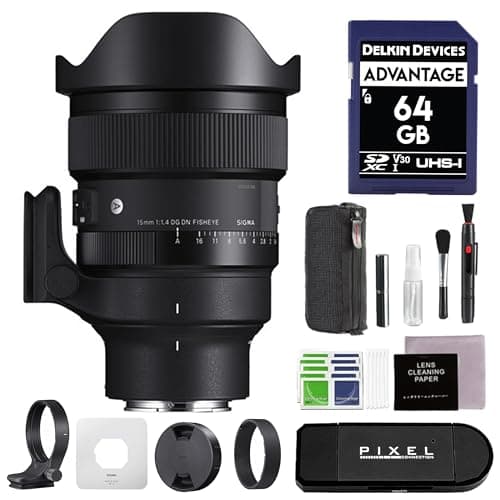
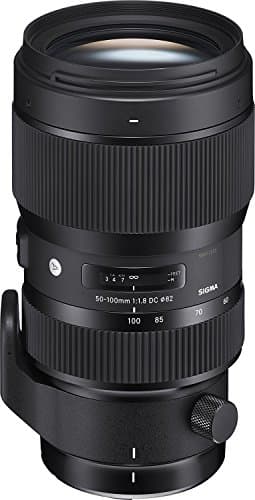
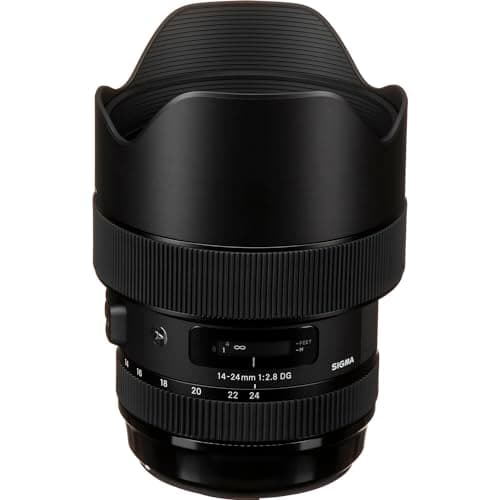
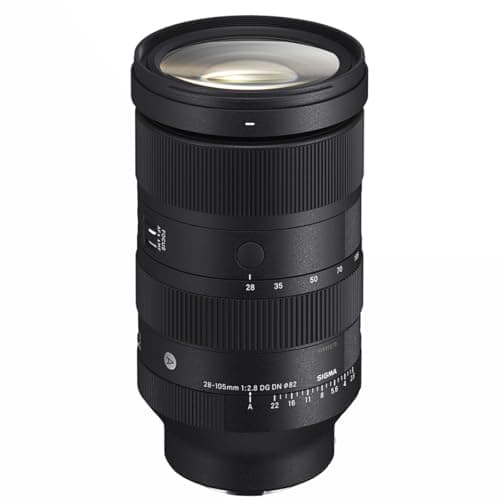
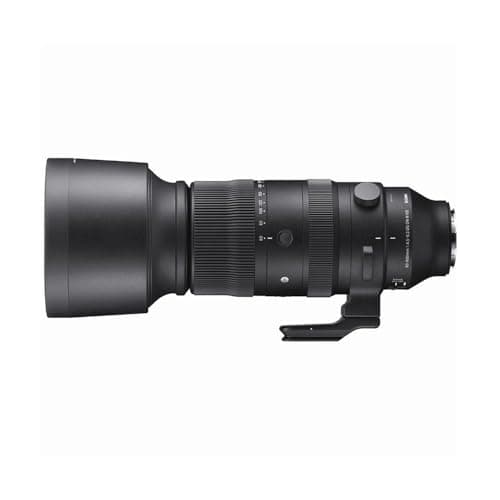
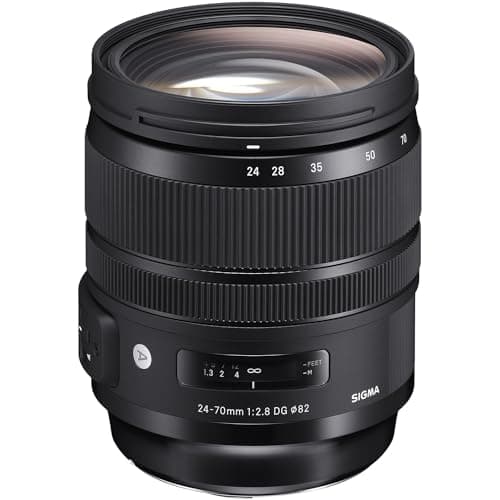
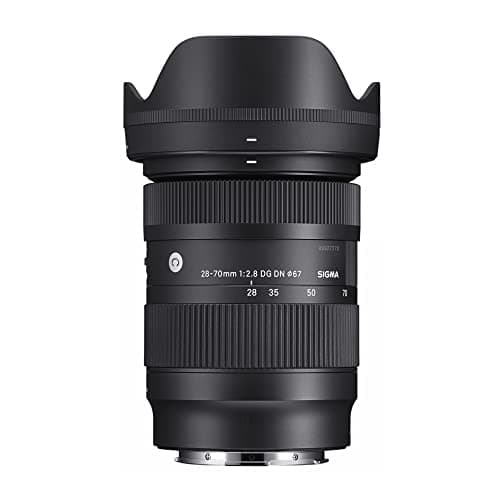
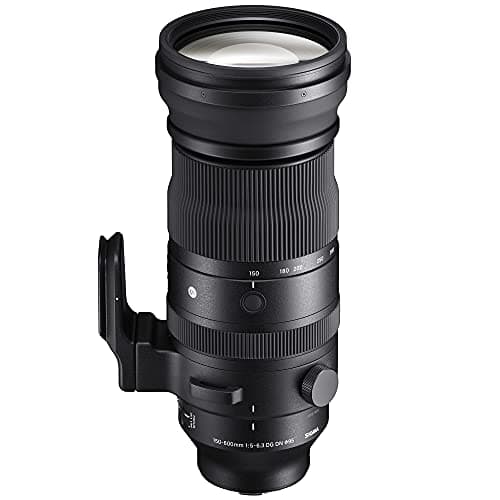
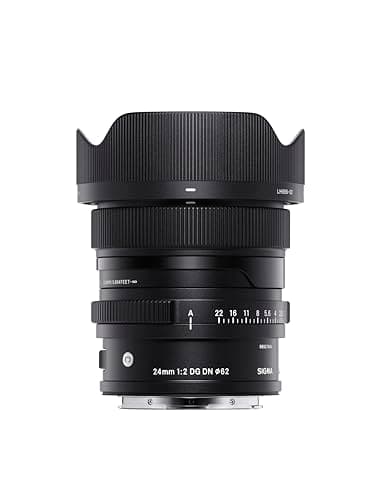
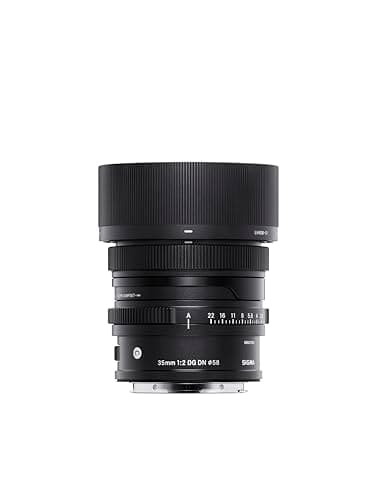
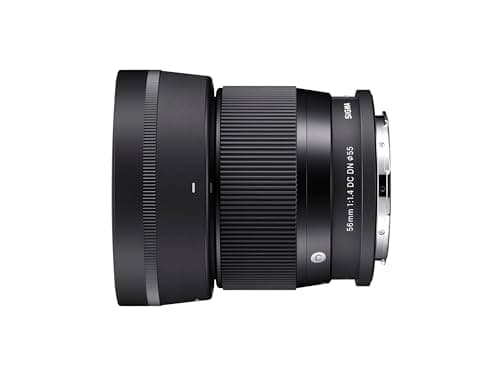
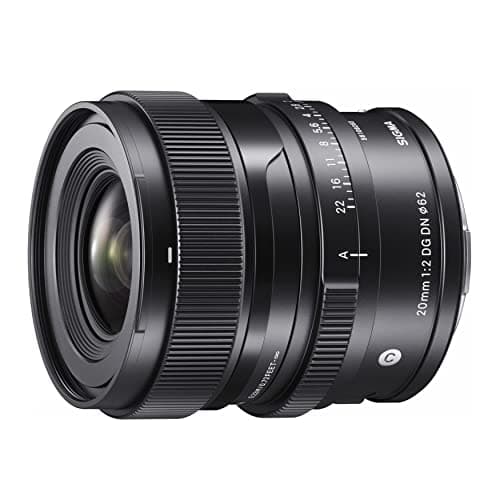
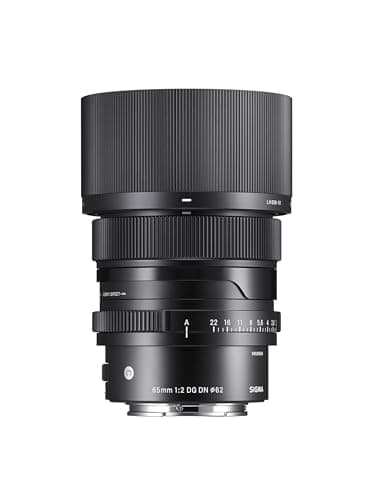
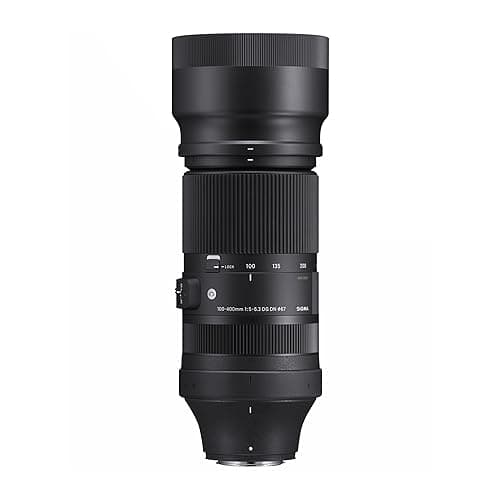
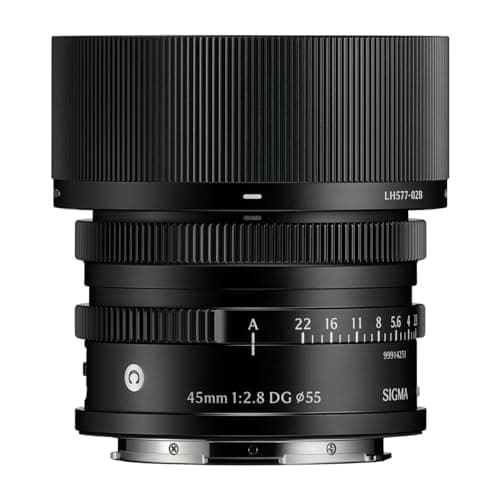
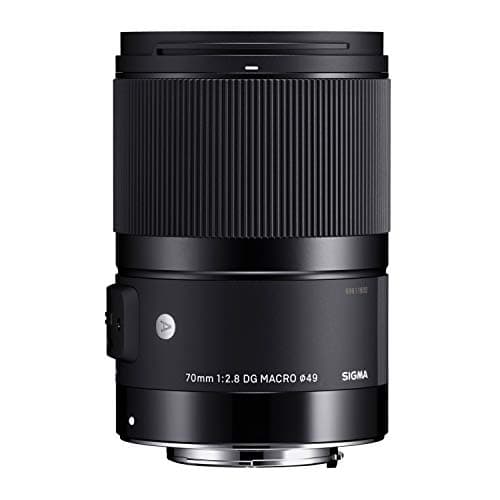
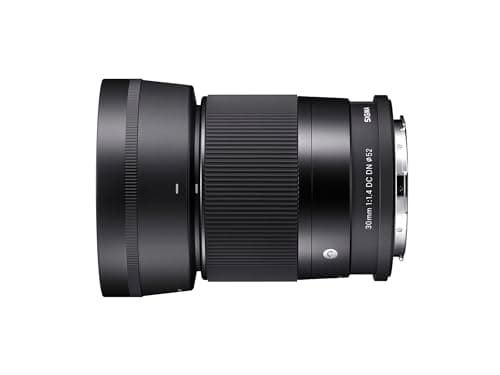
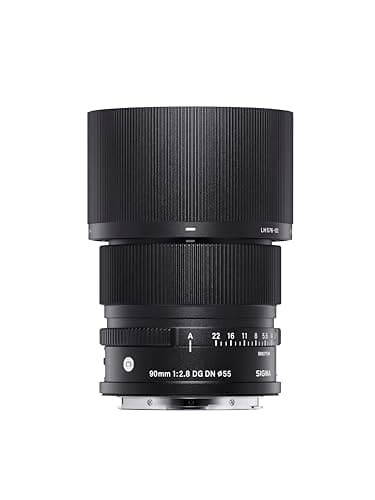
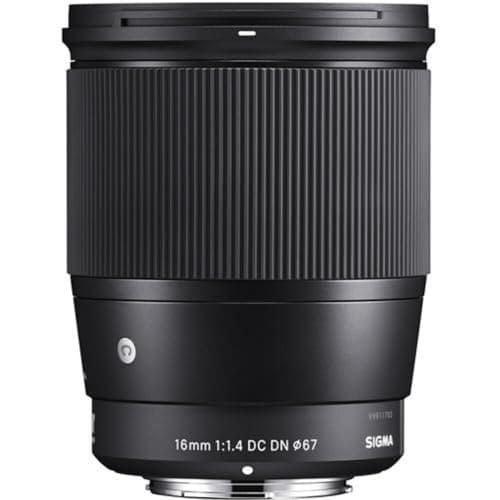
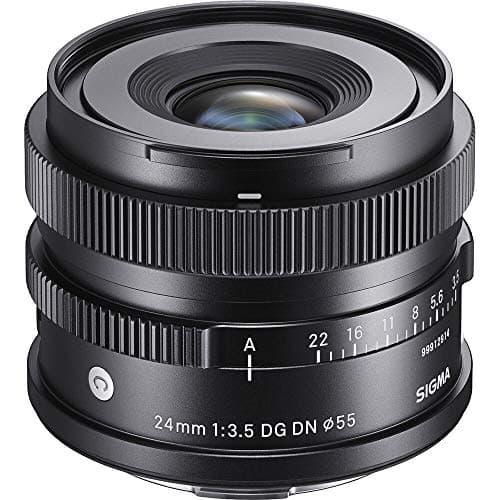
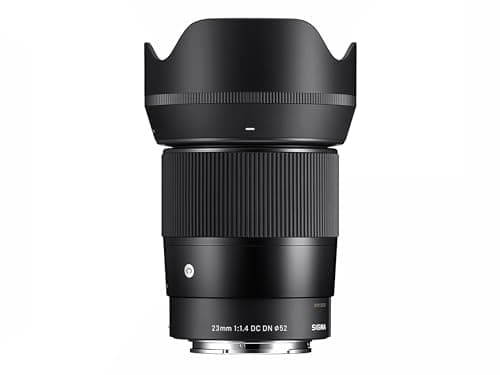
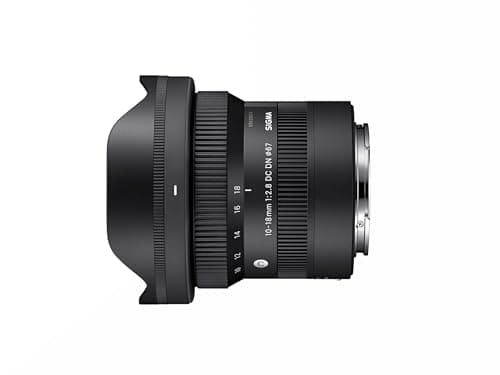
These are the best Sigma lenses for low light when you want clean files, fast and reliable autofocus, and creamy subject separation for night streets, weddings, concerts, indoor sports, and astro—across full frame and APS-C—and here’s what to look for as you buy: prioritize fast apertures (ƒ1.2–ƒ1.4 for primes; constant ƒ2.8 for zooms), strong wide-open performance (contrast and chromatic aberration control), dependable AF with good eye-detect in dim scenes (DG DN Art and the newer DC DN primes excel), stabilization strategy (pair fast glass with IBIS or lens OS for slower shutters), low coma/astigmatism if you also shoot stars, minimal focus breathing for video, gasketed mounts/weather sealing for rainy nights, shared filter sizes for one VND, and close-focus for larger bokeh at the same framing; keep firmware current for best AF in the dark. Full-frame prime heroes: 35mm ƒ/1.2 DG DN | Art (the ultimate ambient-light vacuum for environmental portraits and night streets), 50mm ƒ/1.4 DG DN | Art (fast, sharp, quick AF—your do-everything low-light normal), 85mm ƒ/1.4 DG DN | Art (portrait staple with plush bokeh and lighter carry), 135mm ƒ/1.8 DG HSM/DG DN | Art (tele compression in dim venues), plus the night-scape trio—14mm ƒ/1.4, 20mm ƒ/1.4, and 24mm ƒ/1.4 DG DN | Art—for clean corners, short exposures, and blue-hour city work. Compact travel options that still drink light: I-Series 20mm ƒ/2, 24mm ƒ/2, 35mm ƒ/2, 65mm ƒ/2, and 90mm ƒ/2 DG DN | Contemporary—quiet AF, metal builds, surprisingly confident at ISO-friendly shutters when paired with IBIS. Low-light zooms: 24–70mm ƒ/2.8 DG DN | Art (wedding/event workhorse with close-focus for detail B-roll), 28–70mm ƒ/2.8 DG DN | Contemporary (prime-like size for travel nights), and 70–200mm ƒ/2.8 DG DN OS | Sports (sealed, stabilized, and crisp for indoor courts and stages). APS-C mirrorless shooters get a stellar f/1.4 set: 16mm, 23mm, 30mm, and 56mm ƒ/1.4 DC DN | Contemporary—tiny, quiet, and sharp wide open—perfect for cafés, concerts, and handheld blue hour; add the 10–18mm ƒ/2.8 DC DN for dim interiors. DSLR APS-C classics worth adapting: 18–35mm ƒ/1.8 DC HSM | Art and 50–100mm ƒ/1.8 DC HSM | Art—zoom speed that behaves like a bag of primes for gyms and stages. Practical buyer tips: pick a two-prime spine you love (e.g., 24/1.4 + 50/1.4 or 35/1.2 + 85/1.4) and add a 24–70/2.8 for flexibility; if you shoot people in motion, favor DN Art AF for hit rate; if you mix stills/video, test breathing (the DN Arts and 70–200/2.8 OS are well-behaved) and standardize front sizes for one high-quality VND; for astro, lean 14/1.4 or 20/1.4 for shorter subs and cleaner corners. Low-light shooting tips: use eye-AF and aim near wide open, stop down 1/3–2/3 stop if you need extra eyelash crispness, set TAv or Manual + Auto-ISO to lock motion (1/125–1/250s for people; 1/500s+ for action), let IBIS/OS handle slower shutters on static scenes, keep a slim VND for video to hold 180° shutter, and watch backlit CA—Sigma’s DN primes control it well but perfect exposure helps. Whether you’re capturing candlelit vows, neon-soaked streets, indoor hoops, or the galactic core, the best Sigma low-light lenses combine big apertures, disciplined aberration control, and fast, confident AF—so your night images stay sharp, clean, and beautifully separated.
Lenses by brand:
Lenses by price:
Lenses by type:
Lenses by sensor:
Lenses by feature:
Lenses by use case:
Lenses by experience:
Cameras: