
* Product prices and availability are accurate as of the date/time indicated and are subject to change. Any price and availability information displayed on Amazon.com at the time of purchase will apply to the purchase of this product.
* Imaginated.com may receive compensation for purchases made at participating retailers linked on this site. This compensation does not affect what products or prices are displayed, or the order of prices listed. Learn more here.
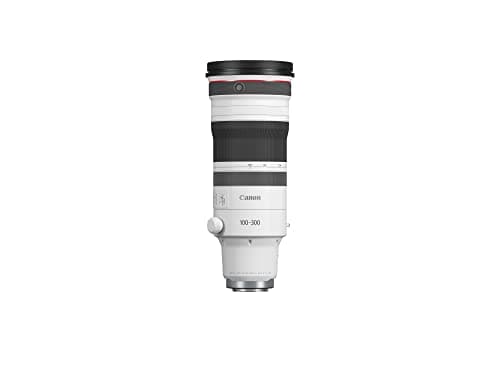
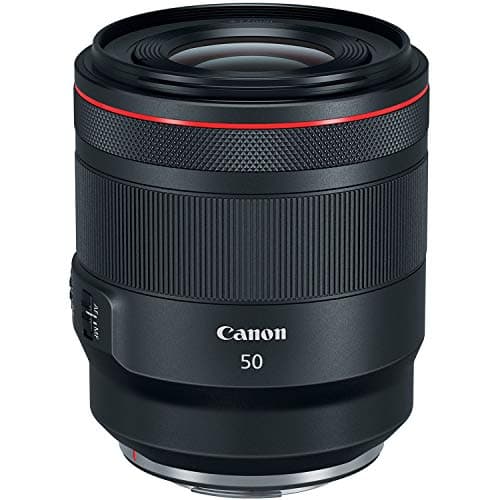
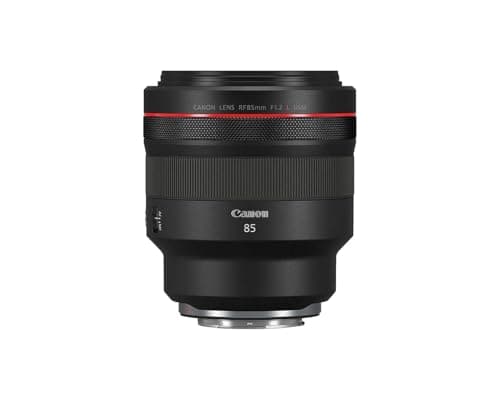
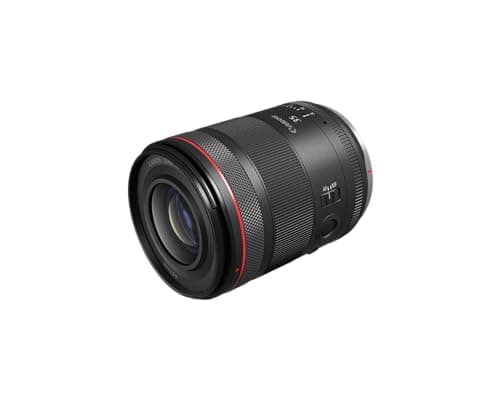
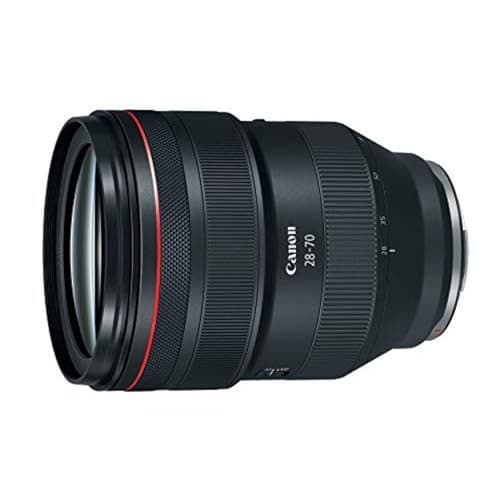
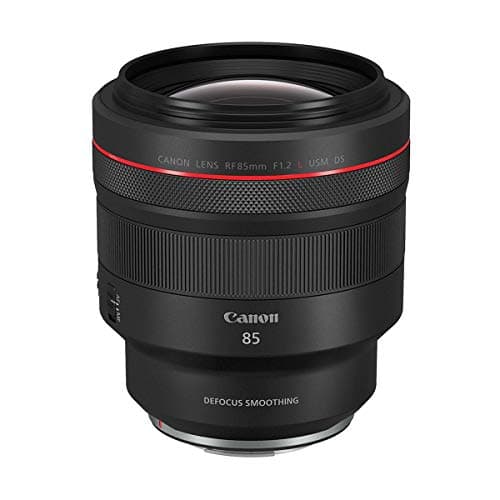
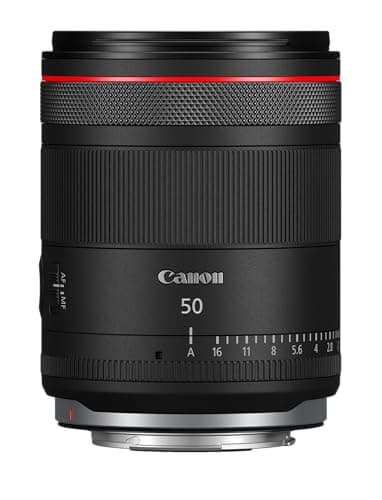
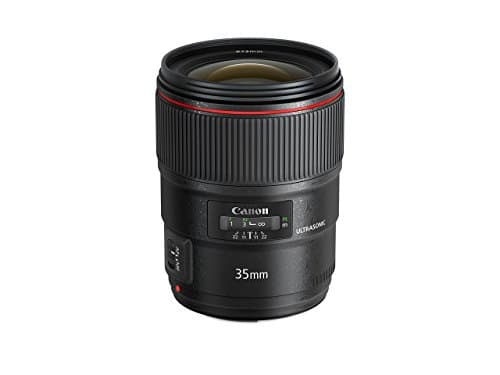
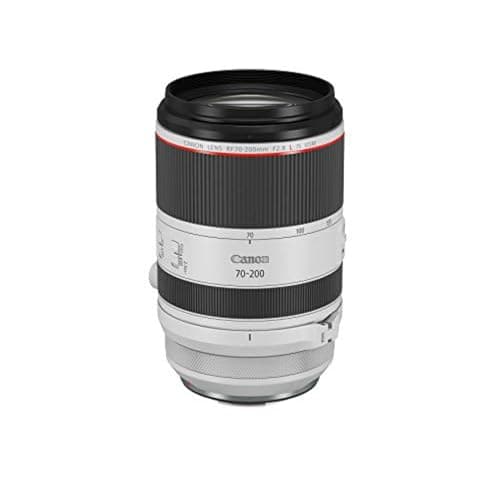
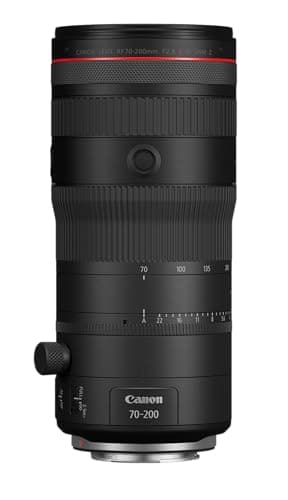
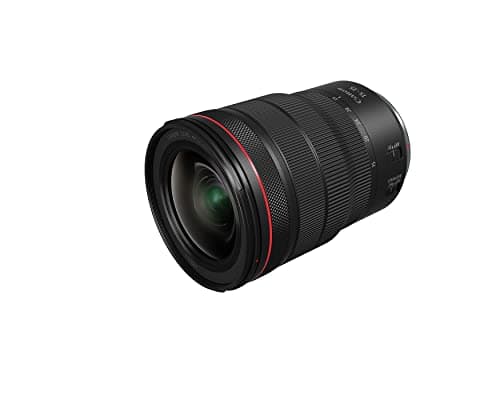
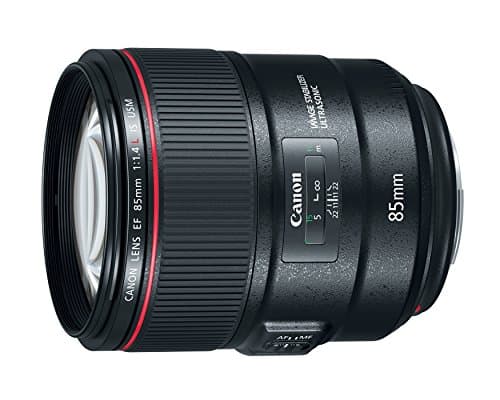
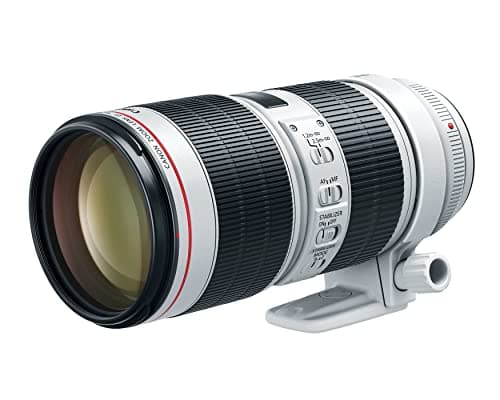
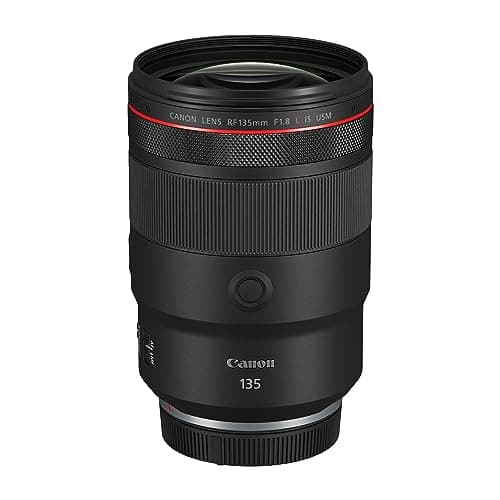
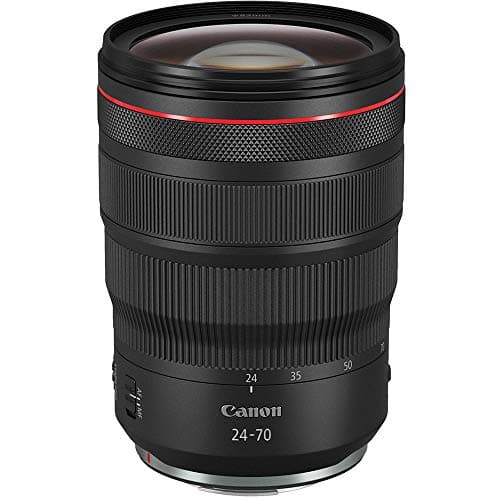
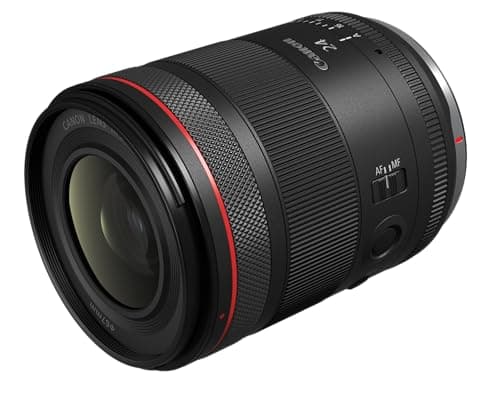
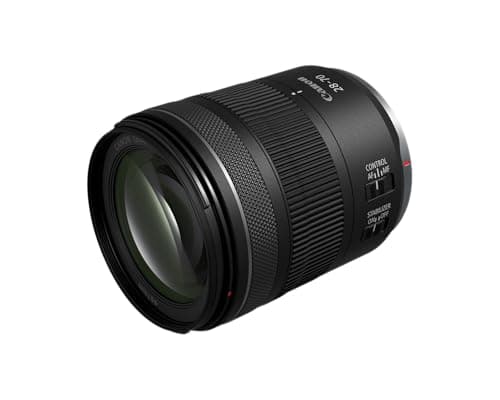
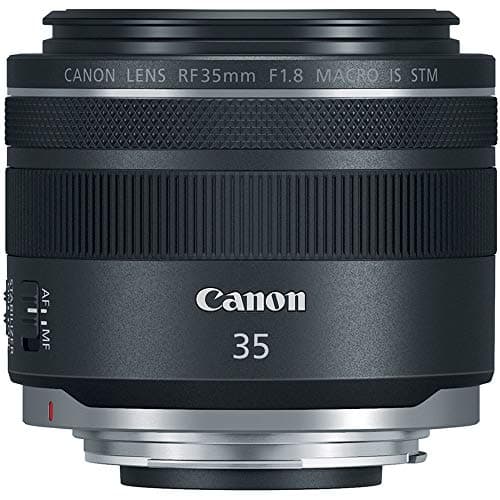
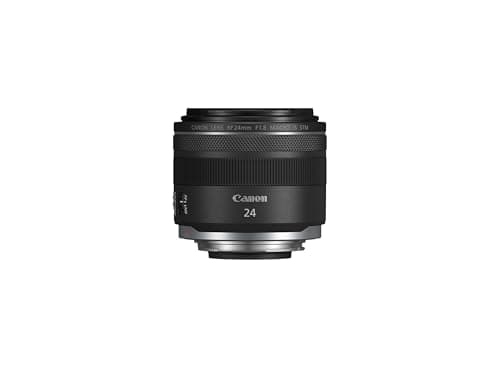
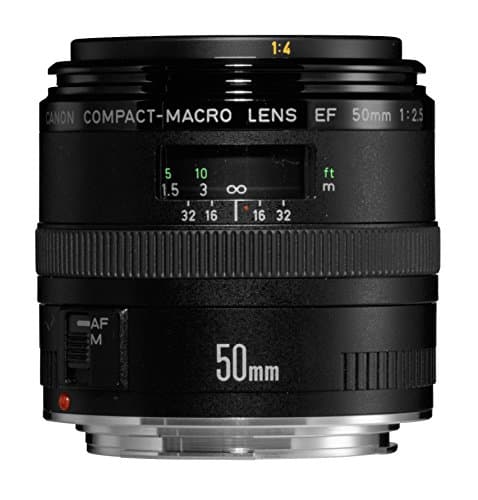
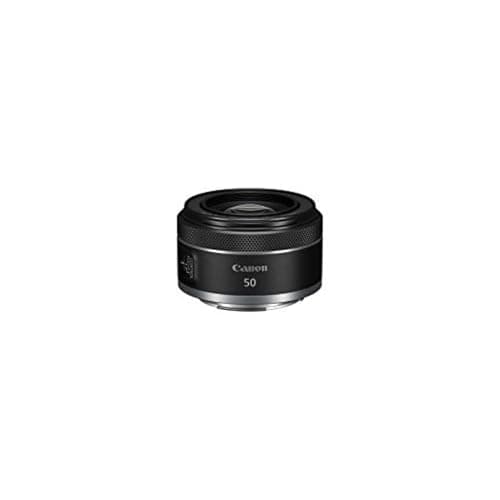
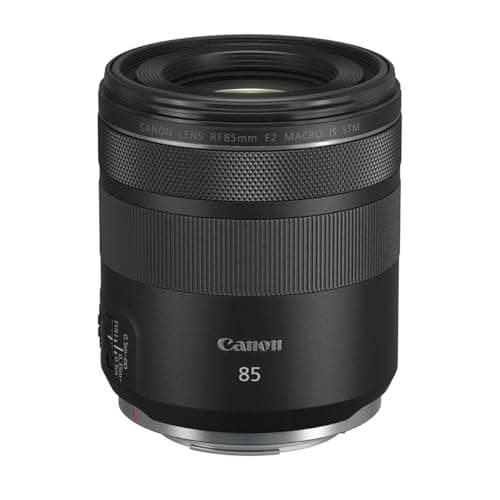
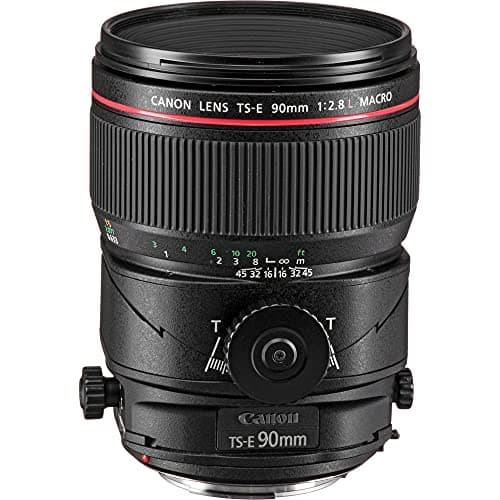
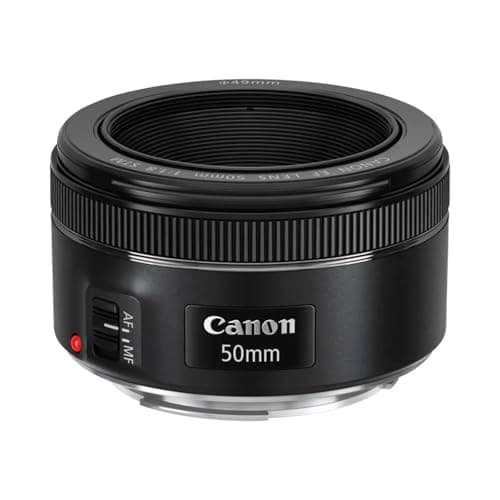
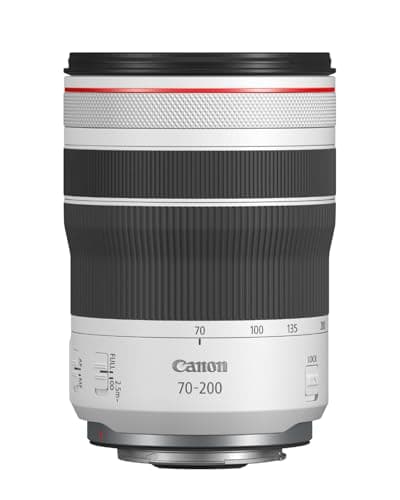
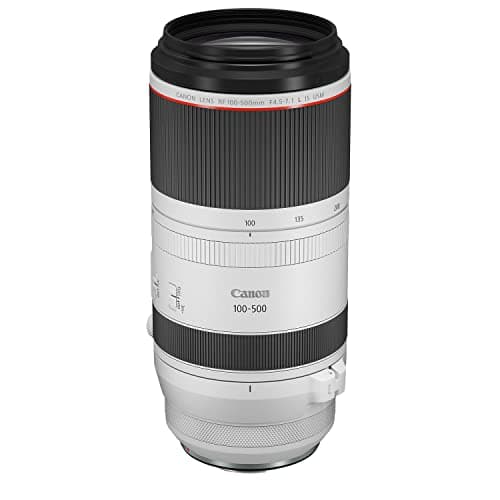
These are the best Canon lenses for low light, chosen for how they pair big apertures, fast/quiet AF, and (where helpful) image stabilization to keep shutter speeds workable without sacrificing sharpness or color in dim venues. Low light is about two levers—aperture for subject motion and ISO control, and stabilization for camera shake—so prioritize glass that opens wide and focuses confidently. Start with the icons: RF 50mm f/1.2L USM for cinematic normal scenes and ambient-lit interiors, RF 85mm f/1.2L USM (or DS) for dreamy portraits under string lights, and RF 135mm f/1.8L IS USM for dusk portraits and indoor sports where IS plus reach maintains clarity; all track eyes reliably at wide apertures. For versatile event coverage, the RF 28–70mm f/2L USM is a night-owl zoom—prime-like rendering with a full extra stop over 2.8 zooms—while the RF 24–70mm f/2.8L IS USM and RF 70–200mm f/2.8L IS USM remain workhorses when you need speed, stabilization, and quick framing in dark churches, receptions, or arenas. Wide and fast matters for astro and tight interiors: RF 24mm f/1.8 Macro IS STM is the sleeper—sharp, stabilized, and bright—while RF 35mm f/1.8 Macro IS STM stabilizes handheld documentary work and delivers flattering environmental portraits at f/1.8; budget shooters can anchor with the tiny RF 50mm f/1.8 STM and add the RF 85mm f/2 Macro IS STM for stabilized tele in candlelight. Wildlife or field sidelines in fading light benefit from the RF 100–500mm f/4.5–7.1L IS USM’s excellent IS and AF, but when the sun really drops, faster primes win—consider moving closer with a 135/1.8L or 85/1.2L instead of pushing ISO. EF classics adapt beautifully for value and speed: EF 35mm f/1.4L II (razor micro-contrast and low LoCA), EF 85mm f/1.4L IS (rare blend of speed and stabilization), EF 135mm f/2L (timeless look), and Sigma Art standouts like the 35mm f/1.4 and the APS-C king Sigma 18–35mm f/1.8 (via EF–RF adapter) for R7/R10/R50 shooters who want zoom flexibility and prime-like brightness. Image priorities in the dark include low longitudinal CA (to avoid magenta/green fringing around highlights), clean coma for night points of light, and motors that don’t hunt; L-series coatings keep veiling flare down around practicals, while Nano USM/USM drives hold focus transitions smooth for video. Technique multiplies the benefit: use IBIS+IS to handhold at 1/10–1/30s on static scenes but keep shutter high enough (1/125–1/250+) for moving subjects; enable eye-AF and map a “low-light AF assist” method to a custom button; expose to protect highlights, then lift shadows on modern sensors; add a 1/8 diffusion filter if you want gentler speculars; and remember that ISO noise is often preferable to motion blur when people are moving. The practical kit recipe is simple—build around one ultrafast prime (50/1.2 or 85/1.2) for subject isolation, add a stabilized fast prime (24/1.8 or 35/1.8 IS) for handheld storytelling, carry a fast tele (135/1.8 IS) for reach at dusk, and slot the 28–70/2 or 24–70/2.8L IS when you need framing speed. Whether you’re shooting candlelit ceremonies, blue-hour cityscapes, jazz clubs, or reception dance floors, the best Canon lenses for low light deliver wide apertures, steady frames, and confident AF that make dim scenes look rich, clean, and intentionally lit.
Lenses by brand:
Lenses by price:
Lenses by type:
Lenses by sensor:
Lenses by feature:
Lenses by use case:
Lenses by experience:
Cameras: