
10 Best Panasonic Zoom Lenses in 2026
Filters:
Name | Features | Price |
|---|---|---|
Panasonic Leica DG Vario-Summilux 10-25mm F1.7 ASPH⭐ 4.9 / 5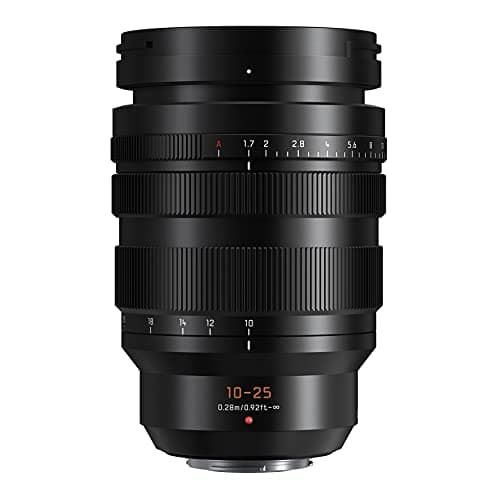 | ||
Name | Features | Price |
Panasonic Leica DG Vario-Summilux 25-50mm F1.7 ASPH⭐ 4.9 / 5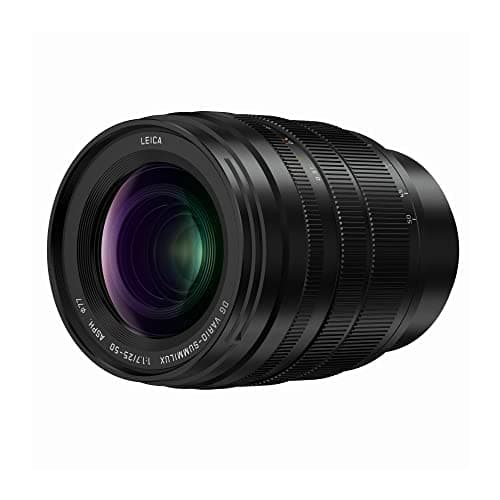 | ||
Name | Features | Price |
Panasonic Lumix G Vario 14-140mm F3.5-5.6 II ASPH Power OIS⭐ 4.8 / 5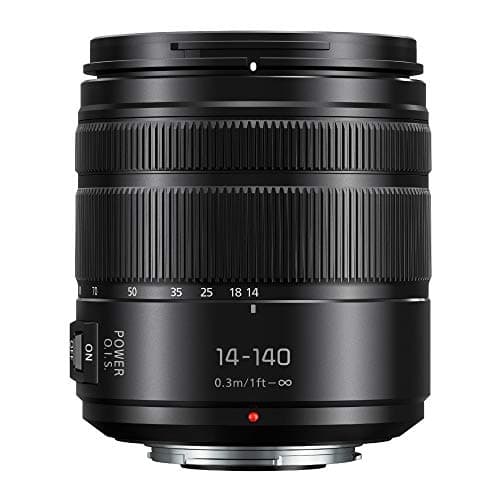 | ||
Name | Features | Price |
Panasonic Leica DG Vario-Elmarit 12-60mm F2.8-4.0 ASPH Power OIS⭐ 4.8 / 5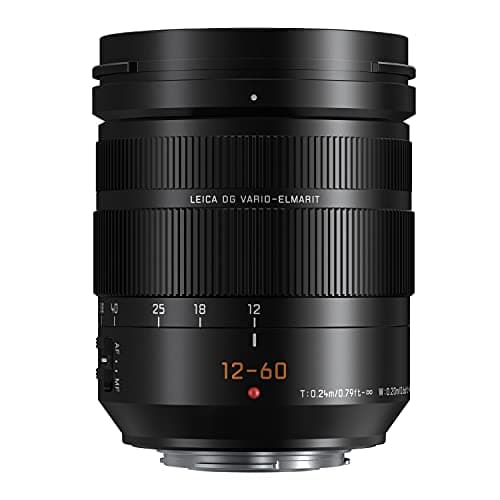 | ||
Name | Features | Price |
Panasonic Leica DG Vario-Elmarit 35-100mm F2.8 Power OIS⭐ 4.8 / 5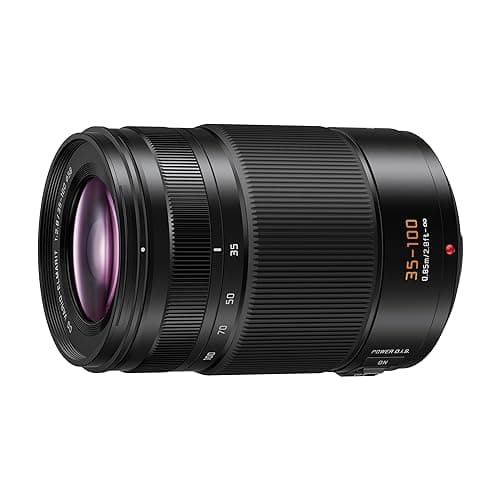 | ||
Name | Features | Price |
Panasonic Lumix G X Vario 12-35mm F2.8 II ASPH Power OIS⭐ 4.8 / 5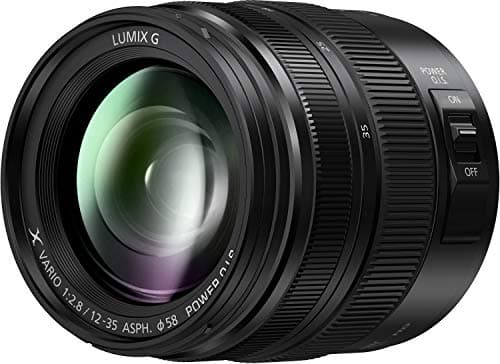 | ||
Name | Features | Price |
Panasonic Leica DG Vario-Elmarit 12-35mm F2.8 ASPH. POWER O.I.S.⭐ 4.8 / 5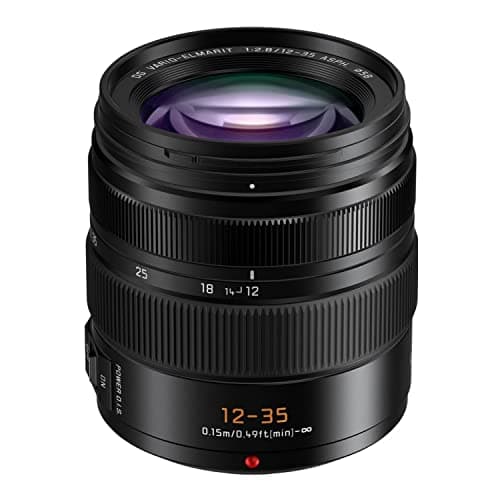 | ||
Name | Features | Price |
Panasonic Lumix S Pro 24-70mm F2.8⭐ 4.7 / 5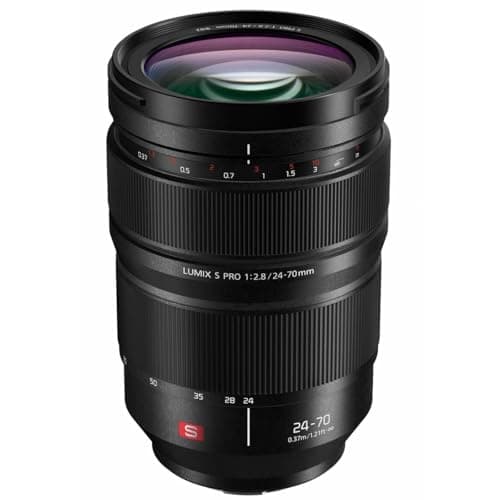 | ||
Name | Features | Price |
Panasonic Lumix S Pro 70-200 F2.8 O.I.S.⭐ 4.7 / 5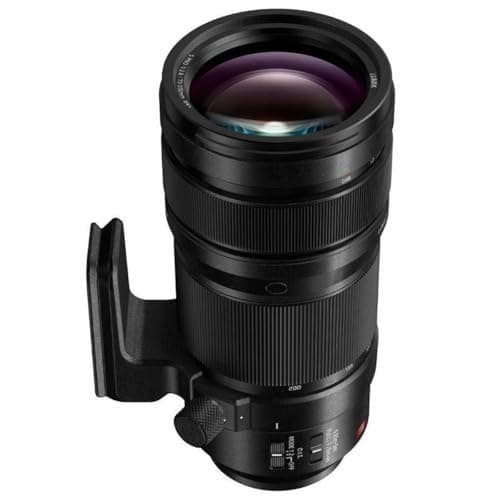 | ||
Name | Features | Price |
Panasonic Lumix S 24-105mm F4 Macro OIS⭐ 4.7 / 5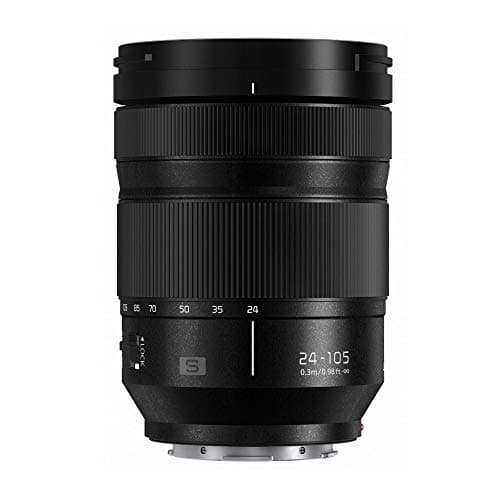 |
* Product prices and availability are accurate as of the date/time indicated and are subject to change. Any price and availability information displayed on Amazon.com at the time of purchase will apply to the purchase of this product.
* Imaginated.com may receive compensation for purchases made at participating retailers linked on this site. This compensation does not affect what products or prices are displayed, or the order of prices listed. Learn more here.
These are the best Panasonic zoom lenses when you want flexible framing, fast and quiet autofocus, and weather-sealed reliability for travel, events, documentary, sports, and studio—across both Micro Four Thirds (Lumix G) and full-frame L-Mount (Lumix S). On MFT, the Leica DG Vario-Summilux 10–25mm f/1.7 and 25–50mm f/1.7 operate like a matched “prime set in two zooms,” delivering constant f/1.7 speed, near-parfocal behavior, long focus throws, minimal breathing, and shared front diameters that simplify matte boxes and filters; pair them for everything from interiors and interviews to low-light street and B-roll. For ultra-wide versatility with filters, the Leica DG Vario-Elmarit 8–18mm f/2.8–4 (16–36mm equiv.) is the landscape/cityscape workhorse, while the Lumix G Vario 7–14mm f/4 (14–28mm equiv.) offers lightweight drama for tight spaces. Mid-range coverage comes from the Lumix G X 12–35mm f/2.8 II/III and 35–100mm f/2.8 II/III (24–70/70–200mm equiv.), both with Power O.I.S. that teams with Body I.S. (Dual I.S.) for gimbal-like steadiness and snappy AF; the Leica DG 12–60mm f/2.8–4 adds travel-friendly reach and rich Leica color, while the Leica DG 50–200mm f/2.8–4 and Leica DG 100–400mm f/4–6.3 II extend into wildlife and field sports with close-focus “near-macro” and teleconverter support. Compact travelers can grab the collapsible 12–32mm f/3.5–5.6 or the 14–140mm f/3.5–5.6 II as lightweight all-in-ones. On full frame, the Lumix S PRO 24–70mm f/2.8 is the A-cam standard—sharp, sealed, and controlled breathing—paired perfectly with the Lumix S PRO 70–200mm (f/2.8 or f/4) for events and stage; the Lumix S PRO 16–35mm f/4 and Lumix S 14–28mm f/4–5.6 Macro handle architecture, vlogs, and close-focus cutaways at the long end. One-lens travel shooters should look to the Lumix S 20–60mm f/3.5–5.6, which uniquely starts at 20mm for cramped rooms and landscapes, and the Lumix S 24–105mm f/4 Macro O.I.S., whose 0.5× close-focus plus O.I.S. cover interviews to product inserts without swaps. For long reach, the Lumix S 70–300mm f/4.5–5.6 Macro O.I.S. and Lumix S 100–400mm f/4.5–6.3 O.I.S. deliver stabilized telephoto with crisp detail and practical weight. Across the lineup, Panasonic strengths shine: quiet linear motors for clean audio, selectable linear manual-focus response for repeatable pulls, micro-stepped apertures for flicker-free ramps, robust weather sealing, and stabilization ecosystems (Dual I.S. on G, Body I.S. + O.I.S. on S) that keep handheld footage smooth and stills sharp—so your zoom kit stays small, fast, and ready for anything.
Lenses by brand:
- Best 7Artisans Zoom Lenses
- Best Canon Zoom Lenses
- Best Fujifilm Zoom Lenses
- Best Hasselblad Zoom Lenses
- Best Laowa Zoom Lenses
- Best Leica Zoom Lenses
- Best Nikon Zoom Lenses
- Best Olympus Zoom Lenses
- Best Panasonic Zoom Lenses
- Best Pentax Zoom Lenses
- Best Rokinon Zoom Lenses
- Best Sigma Zoom Lenses
- Best Sony Zoom Lenses
- Best Tamron Zoom Lenses
- Best Tokina Zoom Lenses
- Best Viltrox Zoom Lenses
- Best Voigtlander Zoom Lenses
- Best Zeiss Zoom Lenses
Lenses by price:
Lenses by type:
Lenses by sensor:
Lenses by feature:
Lenses by use case:
Lenses by experience:
Cameras: