
* Product prices and availability are accurate as of the date/time indicated and are subject to change. Any price and availability information displayed on Amazon.com at the time of purchase will apply to the purchase of this product.
* Imaginated.com may receive compensation for purchases made at participating retailers linked on this site. This compensation does not affect what products or prices are displayed, or the order of prices listed. Learn more here.
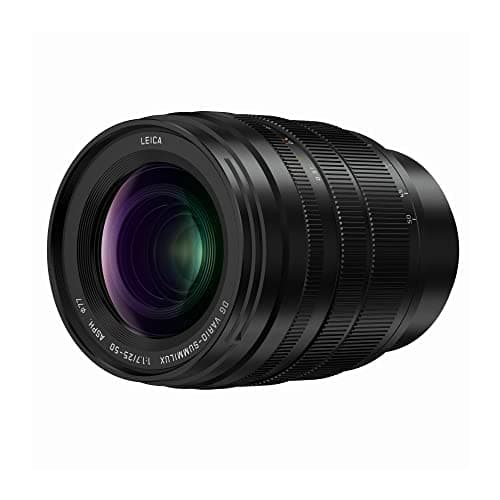
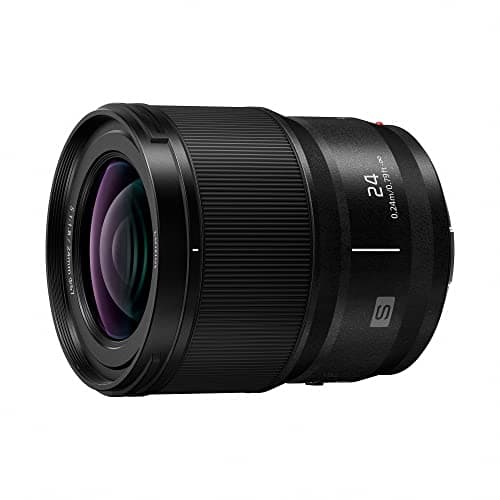
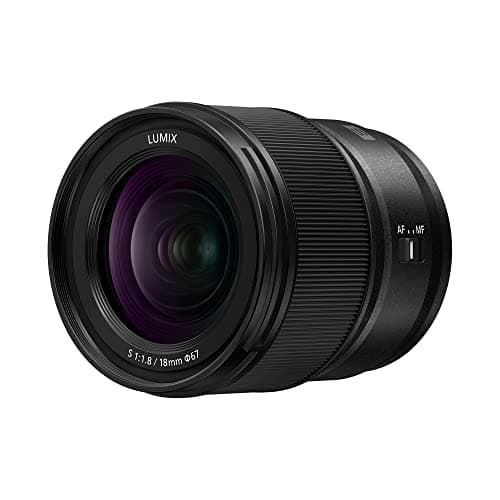
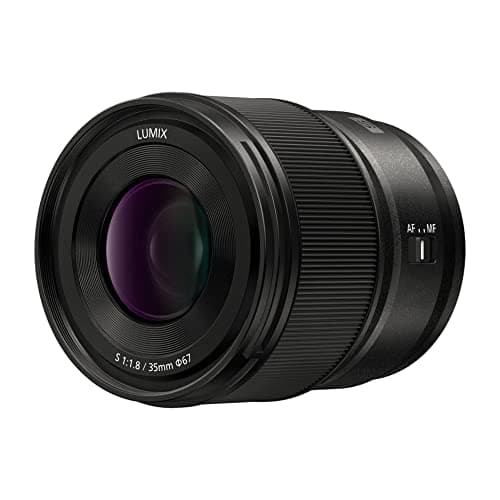
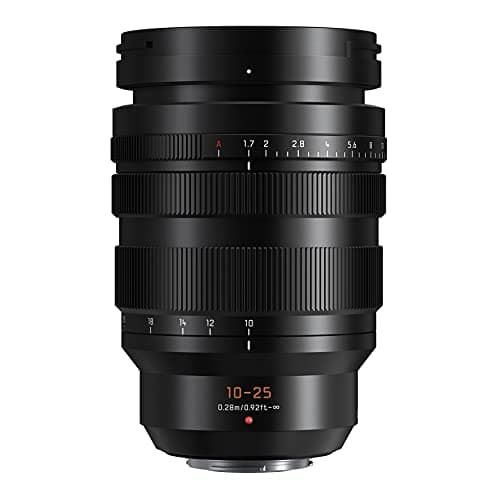
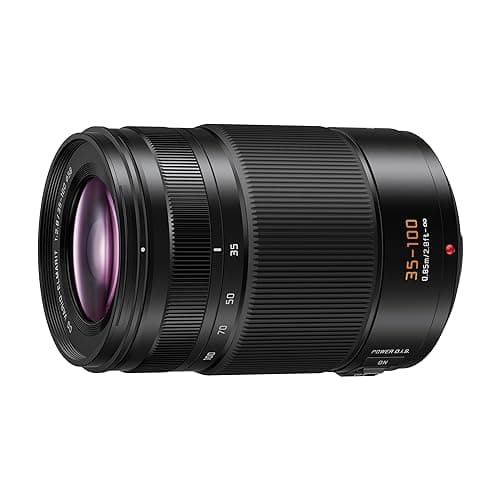
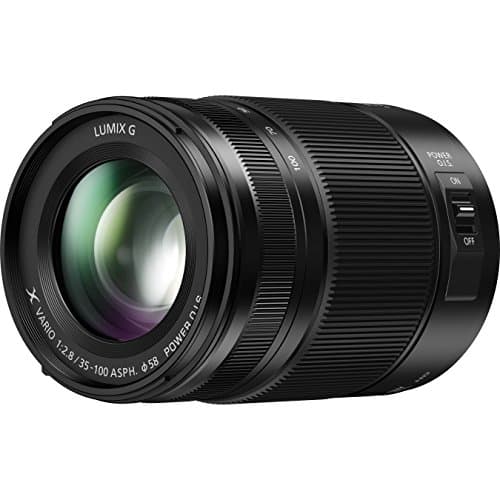
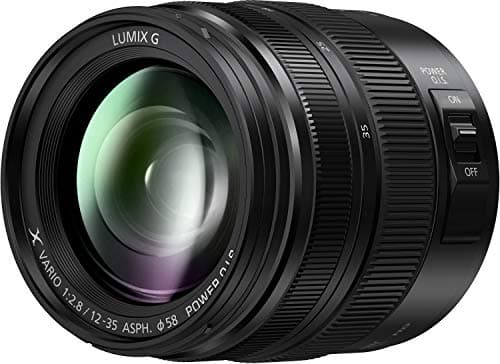
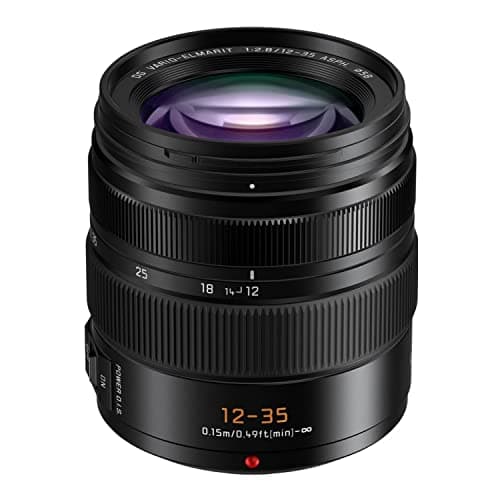
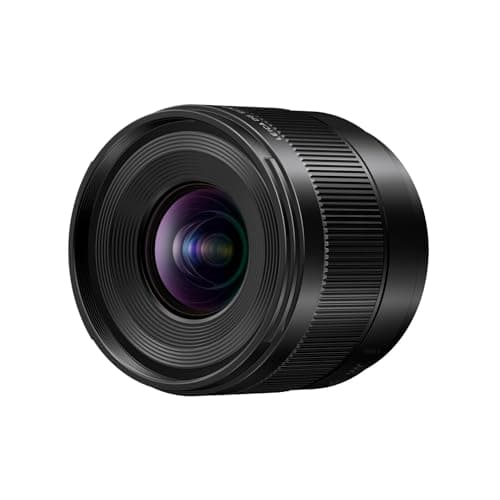
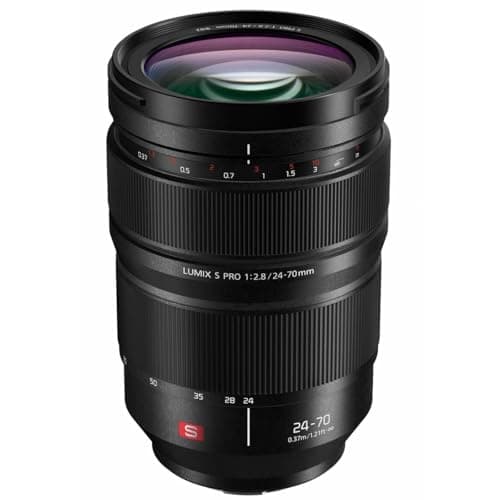
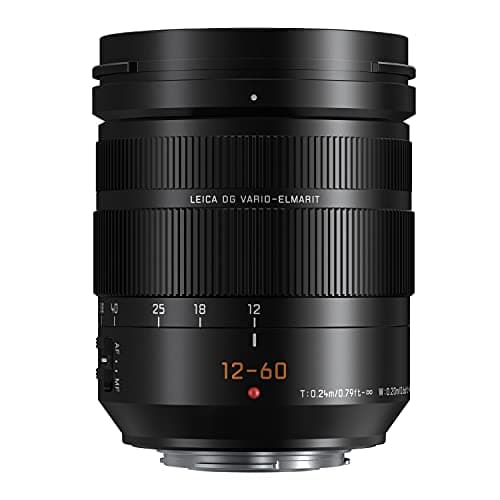
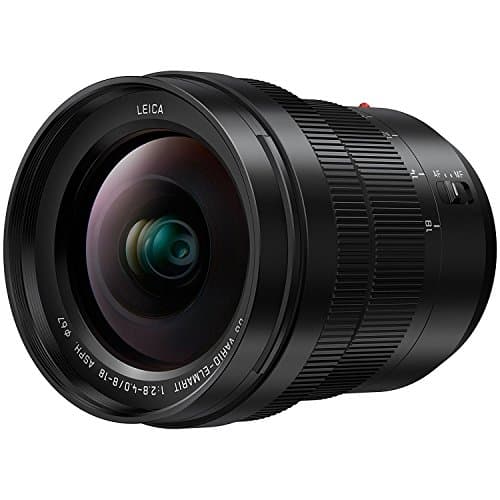
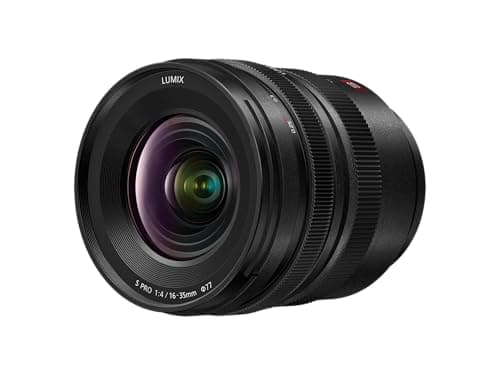
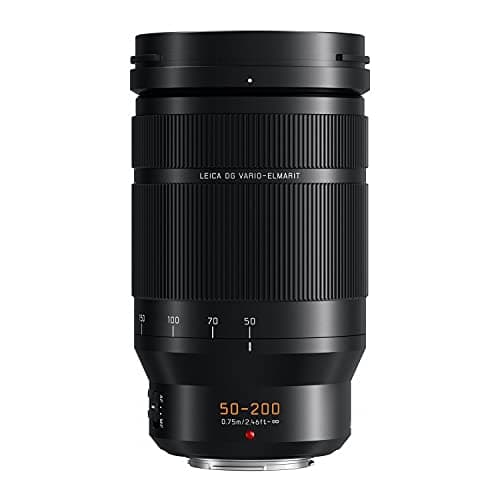
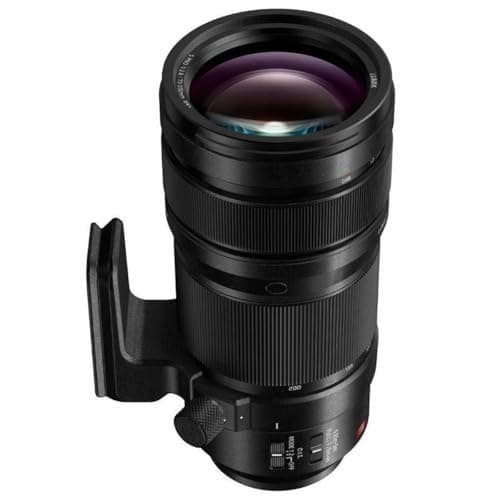
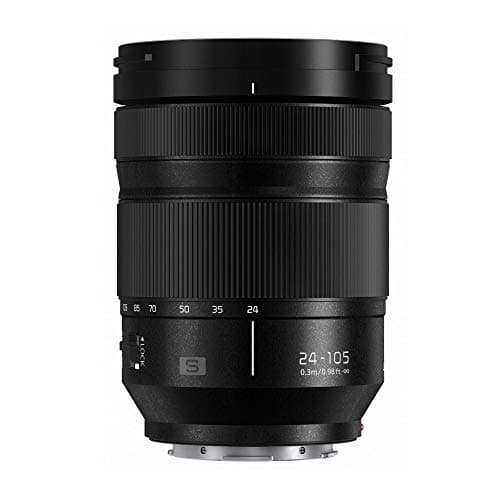
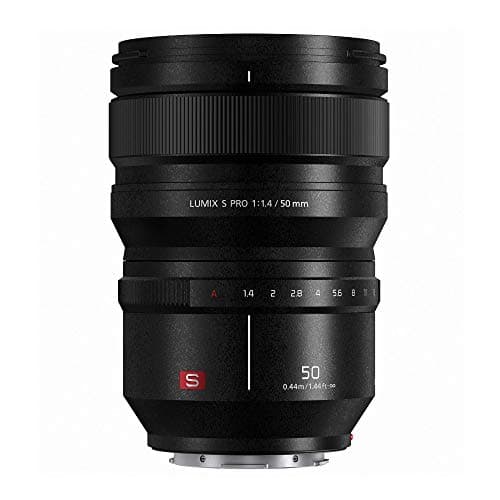
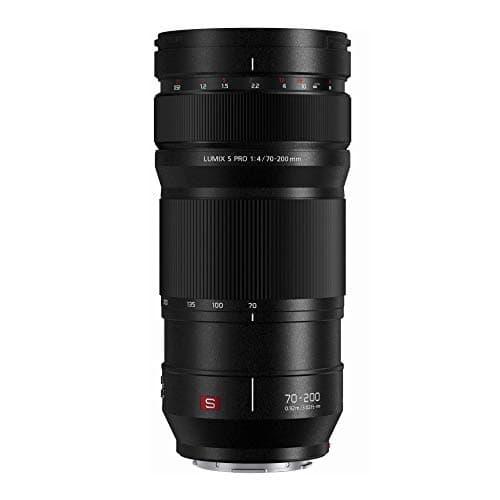
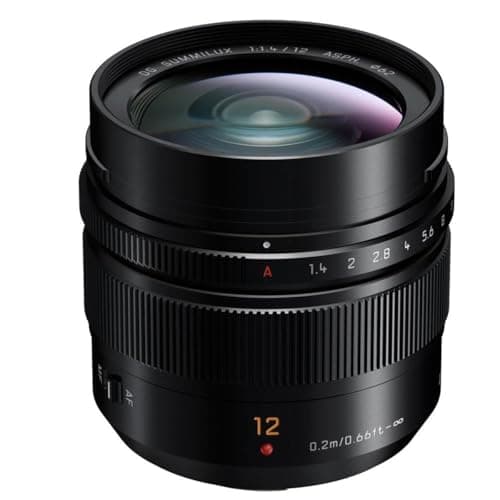
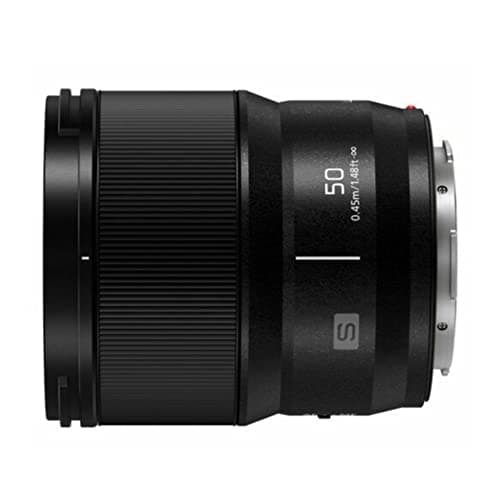
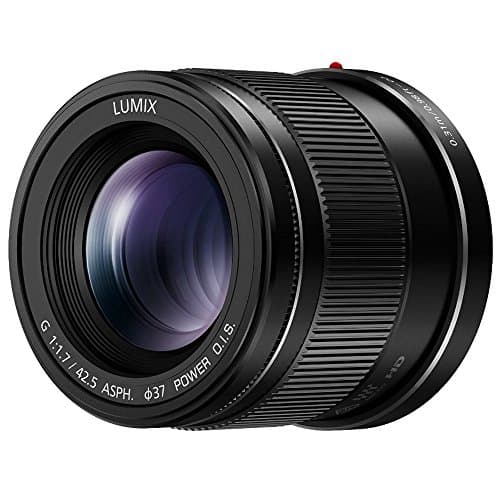
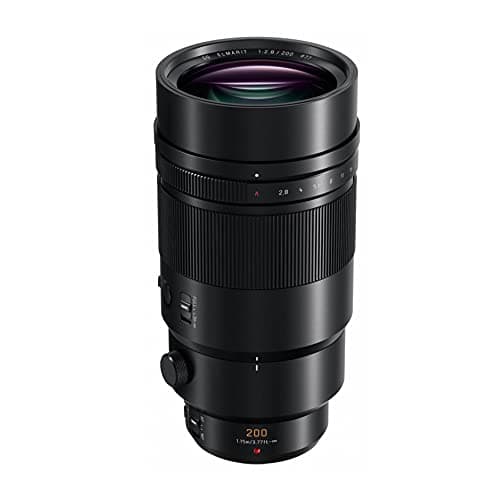
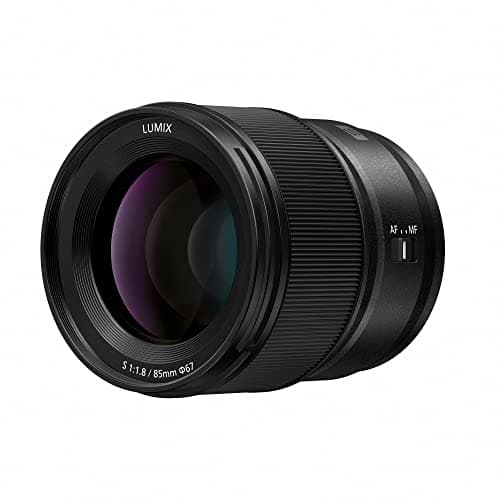
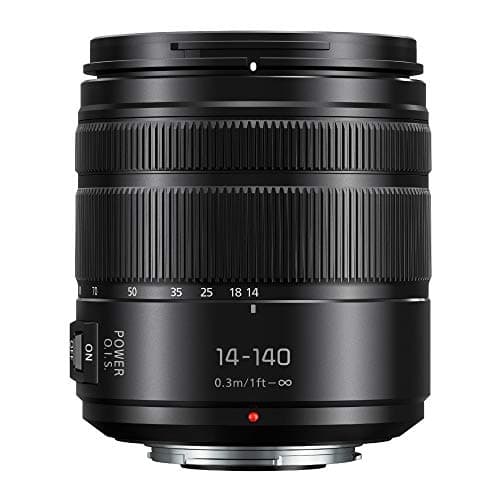
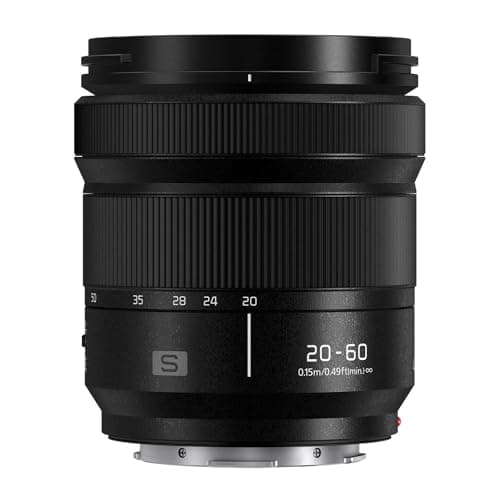
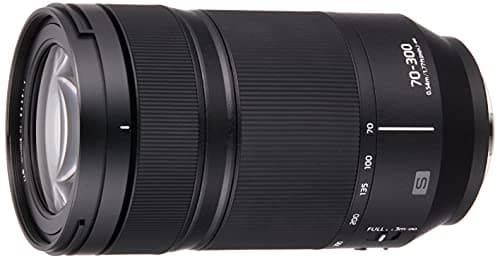
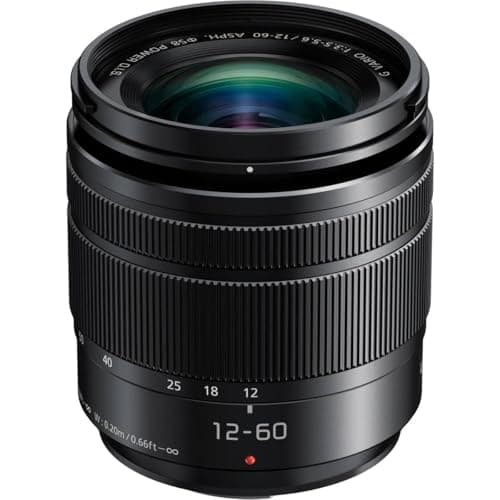
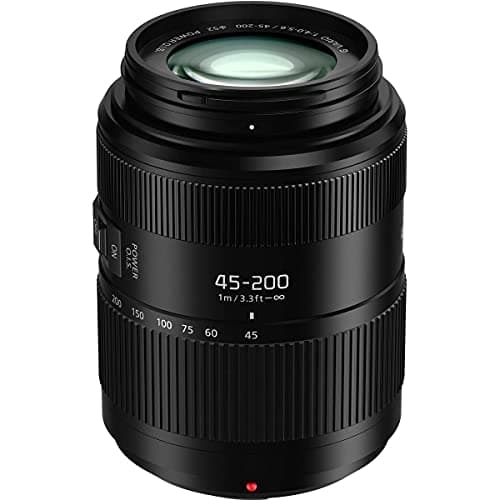
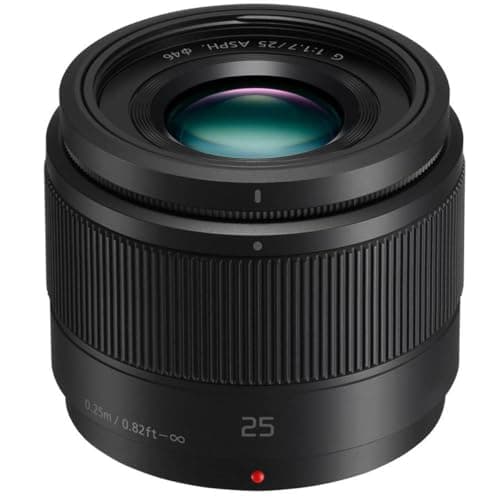
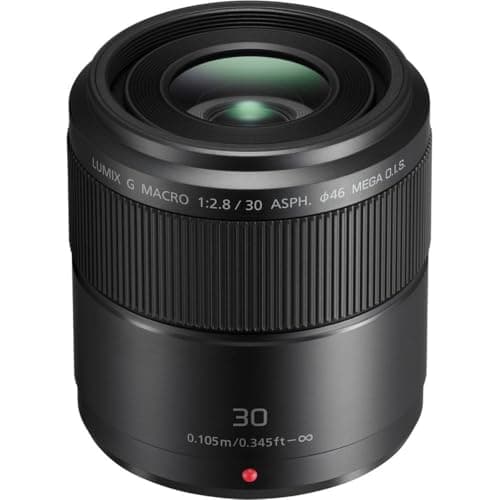
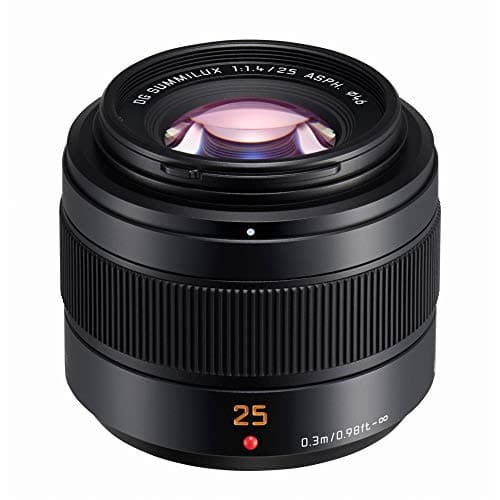
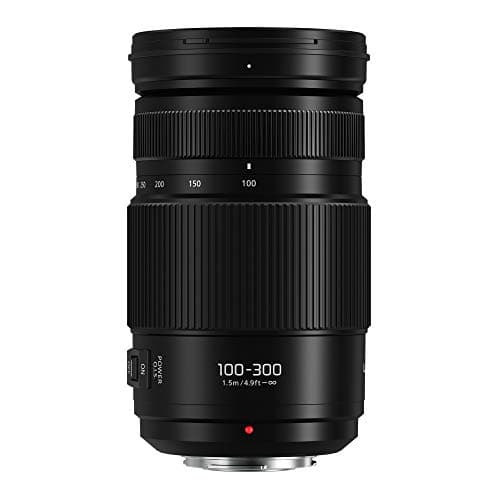
These are the best Panasonic lenses for video when you want quiet, reliable autofocus, minimized focus breathing, and stabilized, color-consistent optics that balance perfectly on gimbals—across Micro Four Thirds (Lumix G) and full-frame L-Mount (Lumix S). On MFT, the Leica DG Vario-Summilux 10–25mm f/1.7 and 25–50mm f/1.7 operate like a two-zoom prime set: constant f/1.7 speed, near-parfocal behavior, long, linear-feel throws, and minimal breathing for cinematic pulls from establishing wides to tight interviews; the Leica DG 8–18mm f/2.8–4 is the filter-friendly ultra-wide for interiors and travel reels, while the Lumix G Vario 7–14mm f/4 brings bulbous-front drama for real estate walk-throughs and stage coverage. The workhorse stabilized pair—Lumix G X 12–35mm f/2.8 II/III and 35–100mm f/2.8 II/III—adds Power O.I.S. that teams with Body I.S. (Dual I.S.) for gimbal-like handhelds, close-focus “near-macro” for B-roll, and snappy, quiet AF for live events; add the Leica DG 12–60mm f/2.8–4 for one-lens travel and the Leica DG 50–200mm f/2.8–4 or 100–400mm f/4–6.3 II when you need stabilized reach for wildlife cutaways. Compact power-zoom options—the Lumix G X 14–42mm PZ and 45–175mm PZ—deliver smooth, motorized zooms in tiny rigs, great for corporate and run-and-gun. Prime shooters get clean, fast looks from the Leica DG Summilux 12mm f/1.4, 15mm f/1.7, and 25mm f/1.4 II, plus the Leica DG Nocticron 42.5mm f/1.2 for hero interviews with O.I.S. that plays nicely with Dual I.S.; the tiny Lumix G 9mm f/1.7 adds close-focus foreground drama and handheld night scenes. On full frame, build an A-cam/B-cam backbone with the Lumix S PRO 24–70mm f/2.8 (controlled breathing, sealed, sharp) and Lumix S PRO 70–200mm f/2.8 or f/4 O.I.S. for stage and sports; the Lumix S PRO 16–35mm f/4 or compact Lumix S 14–28mm f/4–5.6 Macro covers ultra-wide interiors and adds surprisingly useful close focus at 28mm, while the sleeper Lumix S 20–60mm f/3.5–5.6 starts at an unusually wide 20mm for vlogs, car interiors, and handheld doc without rebalancing. The Lumix S 24–105mm f/4 Macro O.I.S. is the one-lens doc zoom—0.5× for detail inserts, optical IS that fuses with Body I.S., and neutral color that grades cleanly; for long, stabilized B-roll, the Lumix S 70–300mm f/4.5–5.6 Macro O.I.S. and S 100–400mm f/4.5–6.3 O.I.S. keep horizons steady without a monopod. Matched primes make multi-cam edits seamless: the Lumix S 18/24/35/50mm f/1.8 quartet shares size, weight, ring layout, and 67mm fronts for painless gimbal swaps and consistent color, the Lumix S 85mm f/1.8 flatters faces while staying light, and the Lumix S 50mm f/1.4 PRO brings flagship sharpness and luxurious bokeh for narrative and commercial work; close-up fidelity comes from the Lumix S 100mm f/2.8 Macro with quick linear AF, a focus limiter, and crisp 1:1 detail for product scenes. Across the lineup, Panasonic strengths matter on set: quiet linear motors keep audio clean, selectable linear MF response enables repeatable rack focus, micro-stepped apertures prevent flicker in iris ramps, Nano Surface/Arne coatings preserve contrast under backlight, and stabilization ecosystems—Dual I.S. on G, Body I.S. + O.I.S. on S—deliver glide-like handhelds at slow shutters. Practical picks: run 10–25/1.7 + 25–50/1.7 for an MFT two-zoom cine kit, or 12–35/2.8 + 35–100/2.8 for stabilized event work; add 8–18 for interiors and 50–200 or 100–400 for tele B-roll. On L-Mount, anchor with S PRO 24–70/2.8 + 70–200 (2.8 or 4), add 16–35/4 or 14–28 for wides, 24–105/4 Macro O.I.S. for one-lens docs, 20–60 for ultralight rigs, and the S f/1.8 primes (plus 50/1.4 PRO or 100/2.8 Macro) for interviews and product. Whether you’re filming handheld documentaries, streaming multi-cam events, or crafting commercial sequences on a gimbal, the best Panasonic lenses for video combine stabilized, breathing-controlled optics with fast, quiet drive—so footage looks polished straight off the card and your crew moves faster between setups.
Lenses by brand:
- Best Canon Lenses for Video
- Best Fujifilm Lenses for Video
- Best Leica Lenses for Video
- Best Nikon Lenses for Video
- Best Olympus Lenses for Video
- Best Panasonic Lenses for Video
- Best Pentax Lenses for Video
- Best Rokinon Lenses for Video
- Best Sigma Lenses for Video
- Best Sony Lenses for Video
- Best Tamron Lenses for Video
- Best Tokina Lenses for Video
- Best Zeiss Lenses for Video
Lenses by price:
Lenses by type:
Lenses by sensor:
Lenses by feature:
Lenses by use case:
- Best Panasonic Lenses for Astrophotography
- Best Panasonic Lenses for Event Photography
- Best Panasonic Lenses for Landscape Photography
- Best Panasonic Lenses for Lifestyle Photography
- Best Panasonic Lenses for Night Photography
- Best Panasonic Lenses for Portrait Photography
- Best Panasonic Lenses for Product Photography
- Best Panasonic Lenses for Travel Photography
- Best Panasonic Lenses for Wedding Photography
- Best Panasonic Lenses for Wildlife Photography
- Best Panasonic Lenses for Video
Lenses by experience:
Cameras: