
10 Best Leica Lenses for Photojournalism in 2026
Filters:
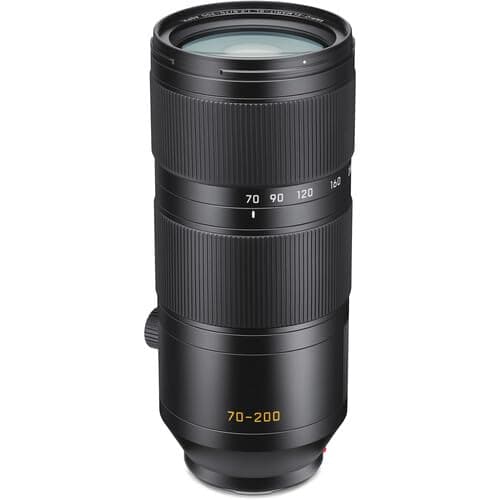
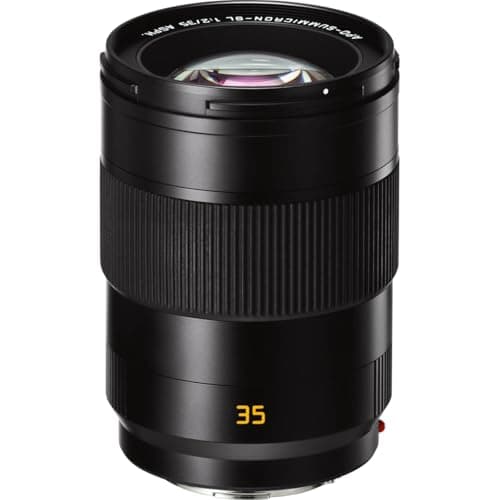
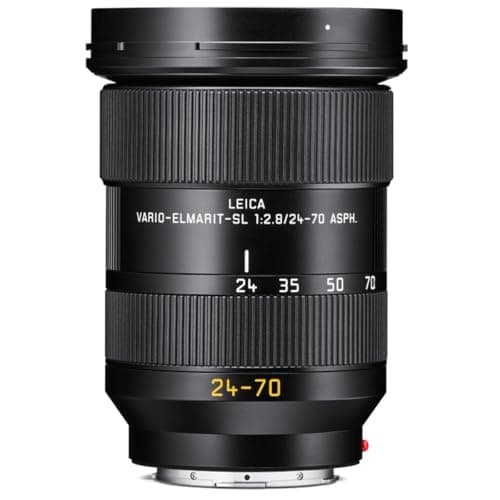
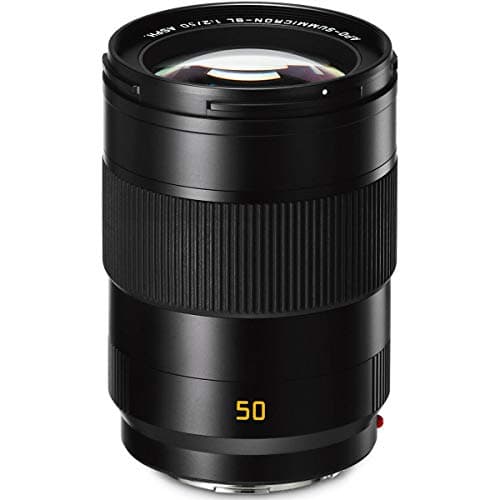
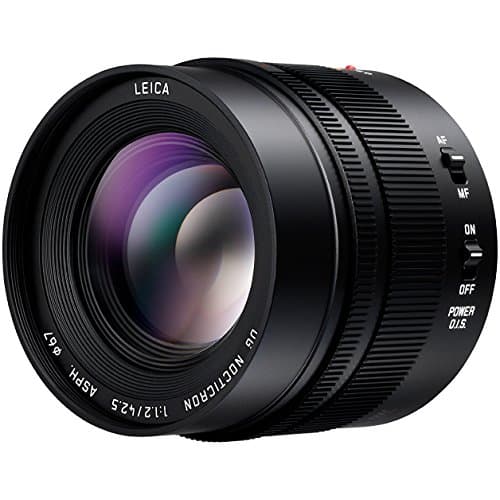
* Product prices and availability are accurate as of the date/time indicated and are subject to change. Any price and availability information displayed on Amazon.com at the time of purchase will apply to the purchase of this product.
* Imaginated.com may receive compensation for purchases made at participating retailers linked on this site. This compensation does not affect what products or prices are displayed, or the order of prices listed. Learn more here.
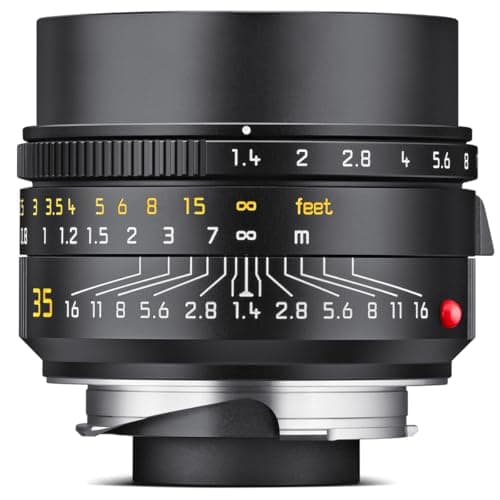
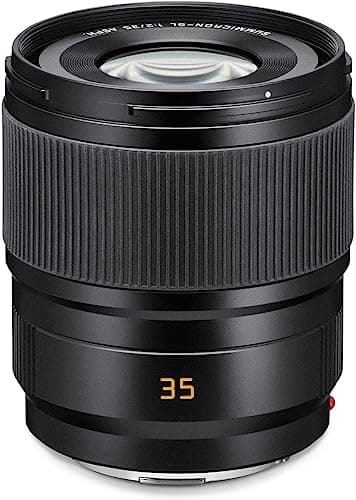
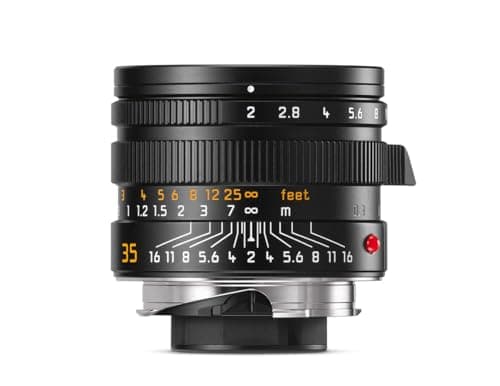
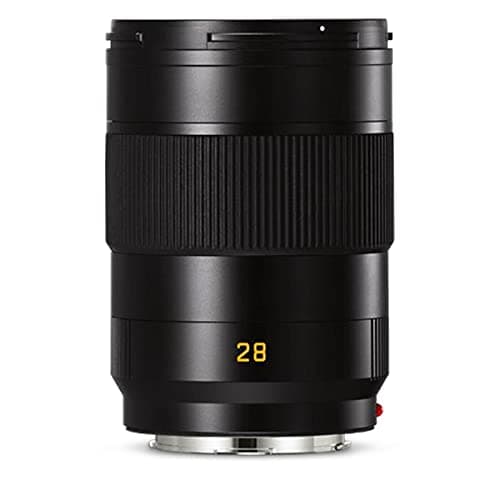
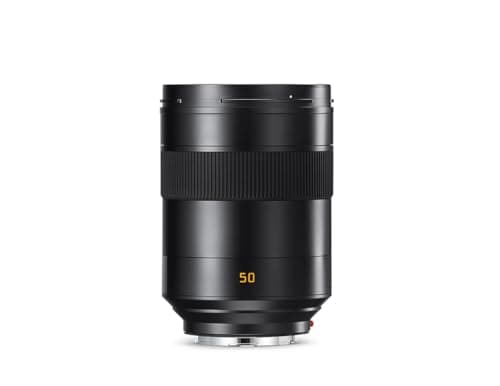
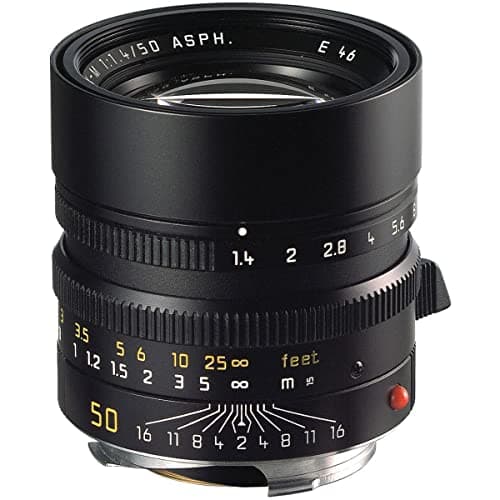
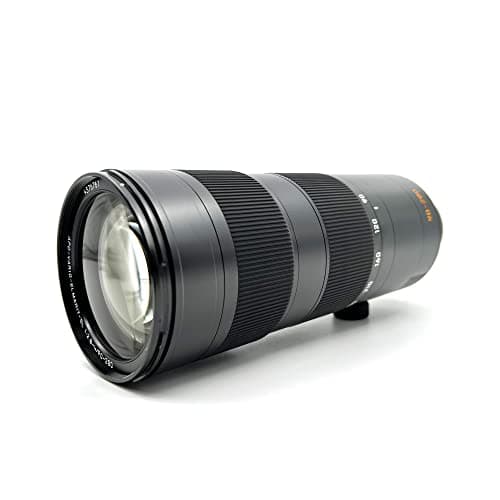
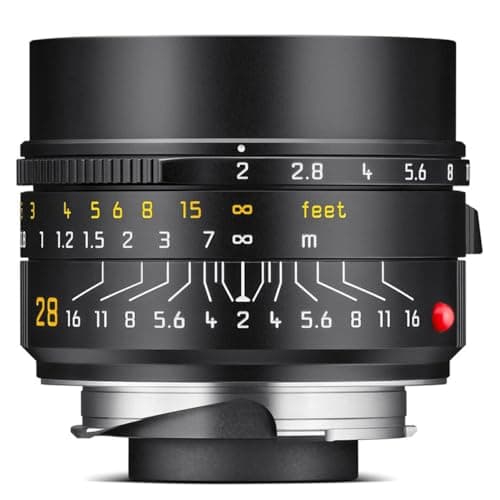
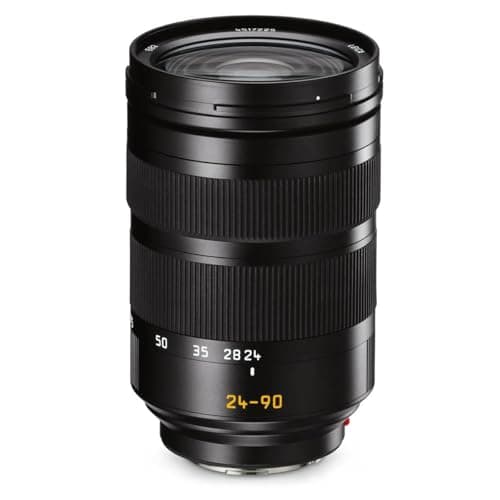
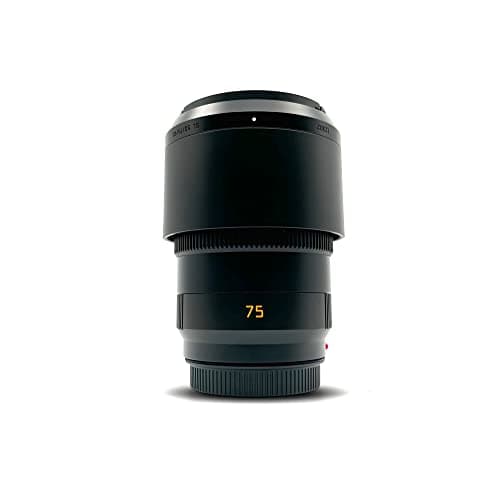
These are the best Leica lenses for photojournalism, chosen for how they balance speed, weather sealing, dependable autofocus or tactile manual control, and neutral color that grades cleanly under mixed light across modern SL/L bodies and the classic M and R platforms. PJ work is about readiness and trust: zooms that cover the story without swaps, fast primes for dim interiors and portraits, optics that shrug off rain and dust, and handling that stays predictable when you’re moving fast. On SL, build your spine with the Vario-Elmarit-SL 24–70mm f/2.8 ASPH—the everyday assignment lens with quick AF, strong close focus, and calm rendering—and the APO-Vario-Elmarit-SL 90–280mm f/2.8–4 for reach at rallies, touchlines, and stages; add the Super-Vario-Elmar-SL 16–35mm f/3.5–4.5 for press scrums, interiors, and scenesetter wides. When light dives or you need subject isolation, the Summilux-SL 35mm f/1.4 and 50mm f/1.4 ASPH are your low-light anchors—sticky AF, controlled flare, disciplined coma—and the APO-Summicron-SL 28/35/50/75/90 f/2 ASPH primes deliver weather-tough bodies, minimal LoCA, and fast, silent focus with IBIS synergy for slower shutters in dim council chambers. For stealth or legacy kits, M glass excels: Summicron-M 28mm f/2 ASPH and Summilux-M 35mm f/1.4 ASPH (FLE) are compact, fast, and flare-disciplined for street, protests, and embeds; Summilux-M 50mm f/1.4 ASPH covers portraits and low-light features; APO-Summicron-M 90mm f/2 ASPH gives clean tele compression from a small lens; the Tri-Elmar-M 16–18–21 (WATE) and 28–35–50 (MATE) provide three click-stopped focal lengths in one body for travel assignments and restricted spaces; all adapt seamlessly to SL for EVF focusing when precision matters. Adaptable Leica R lenses remain a budget-savvy, durable option on SL: Elmarit-R 28mm f/2.8 and 35mm f/2 for classic reportage width, Summicron-R 50mm f/2 for a neutral normal, Elmarit-R 90mm f/2.8 for compact reach, and the Summilux-R 80mm f/1.4 when a fast, characterful portrait is the kicker—long, smooth throws make manual focus precise with peaking. Image priorities for the best Leica PJ glass include weather sealing or proven metal builds, fast or constant apertures, coatings that hold contrast under LED boards and backlight, low focus breathing for hybrid clips, and sensible front diameters for CPL/ND use; SL bodies add dual slots and IBIS to stabilize unstabilized primes, while central/leaf shutters aren’t critical here but matter if you mix strobe outdoors. Field technique turns these into front-page frames—set Auto ISO with a minimum shutter (1/500 for action, 1/250 for people), map eye/face AF and AF-ON to back buttons, shoot silent/electronic when discretion counts, ride exposure comp to protect highlights, keep hoods on to preserve contrast in rain and flare, and standardize filter sizes with step-ups to simplify kits; for video hits, aim at a 1/50–1/125 shutter, use the APO-SL primes for minimal breathing, and carry a variable ND. The practical kit recipe is simple: SL two-body coverage with 24–70/2.8 + 90–280 for fast turnarounds, add 16–35 for scenesetters and 35/1.4 or 50/1.4 for low-light features; stealth M kit with 28/2 + 35/1.4 FLE + 50/1.4 (add 90/2 APO and WATE for breadth); R-to-SL trio 28/2.8 + 50/2 + 90/2.8 (plus 80/1.4 for portraits) when budgets demand; toss a rain cover, spare batteries/cards, and a small monopod in the bag. Whether you’re filing from wet sidelines, packed press pens, late-night chambers, or quiet neighborhood features, the best Leica lenses for photojournalism deliver the speed, reliability, and clean rendering that make fast, factual storytelling look polished and immediate.
Lenses by brand:
Lenses by price:
Lenses by type:
Lenses by sensor:
Lenses by feature:
Lenses by use case:
- Best Leica Lenses for Architectural Photography
- Best Leica Lenses for Astrophotography
- Best Leica Lenses for Night Photography
- Best Leica Lenses for Photojournalism
- Best Leica Lenses for Portrait Photography
- Best Leica Lenses for Street Photography
- Best Leica Lenses for Travel Photography
- Best Leica Lenses for Video
Lenses by experience:
Cameras: