
10 Best Fujifilm Lenses for Architectural Photography in 2026
Name | Features | Price |
|---|---|---|
Fujifilm GF 20-35mm F4 R WR⭐ 5.0 / 5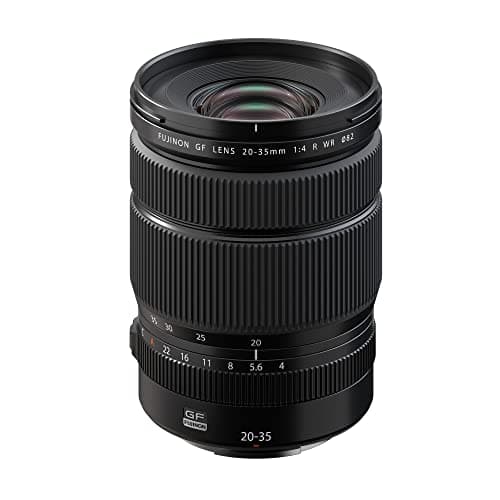 | ||
Name | Features | Price |
Fujifilm GF 23mm F4 R LM WR⭐ 5.0 / 5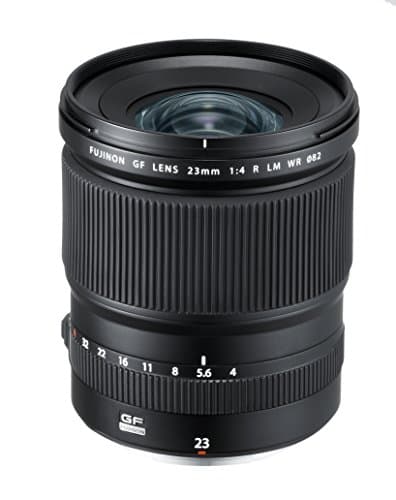 | ||
Name | Features | Price |
Fujifilm GF 30mm F3.5 R WR⭐ 4.9 / 5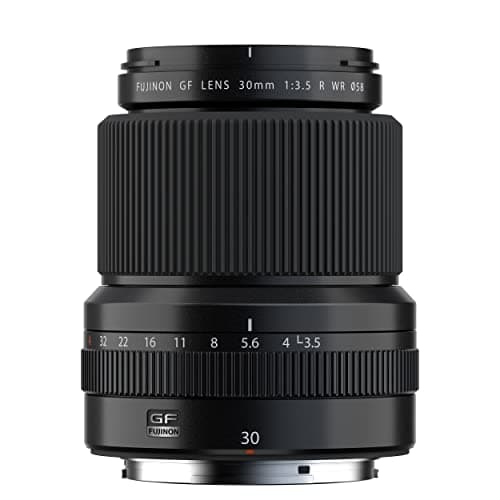 | ||
Name | Features | Price |
Fujifilm GF 110mm F5.6 T/S Macro⭐ 4.9 / 5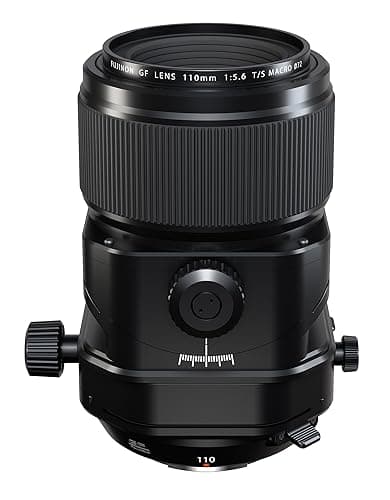 | ||
Name | Features | Price |
Fujifilm GF 32-64mm F4 R LM WR⭐ 4.8 / 5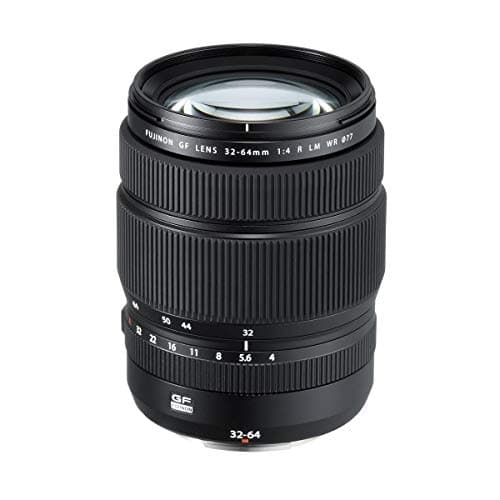 | ||
Name | Features | Price |
Fujifilm XF 10-24mm F4 R OIS WR⭐ 4.8 / 5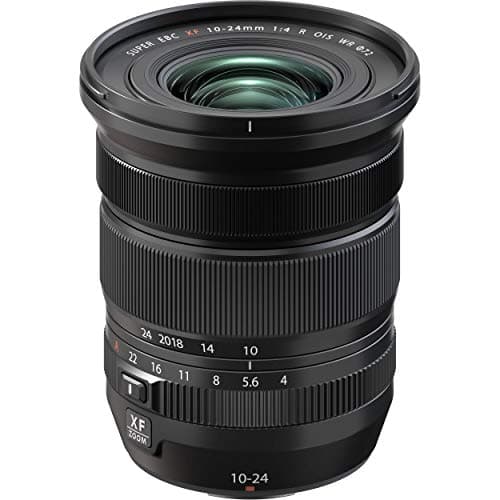 | ||
Name | Features | Price |
Fujifilm XF 8-16mm F2.8 R LM WR⭐ 4.8 / 5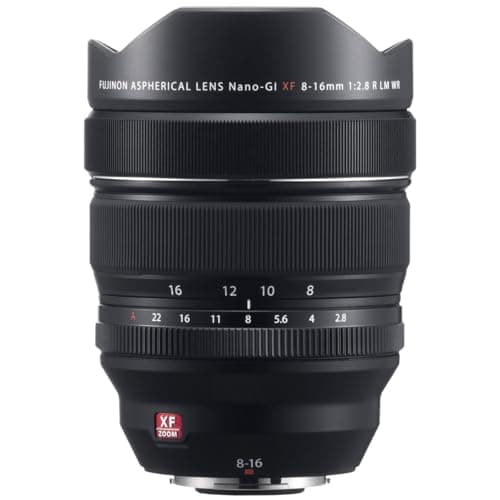 | ||
Name | Features | Price |
Fujifilm XF 8mm F3.5 R WR⭐ 4.7 / 5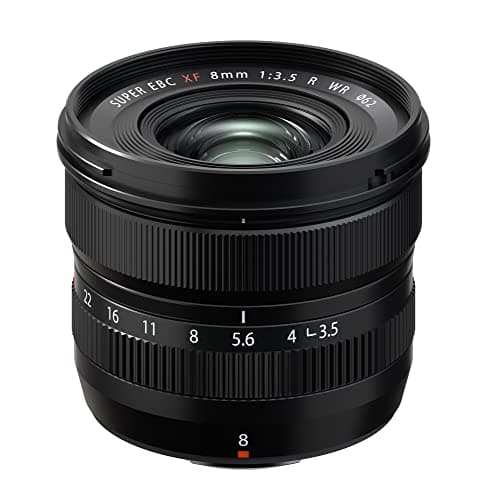 | ||
Name | Features | Price |
Fujifilm GF 100-200mm F5.6 R LM OIS WR⭐ 4.6 / 5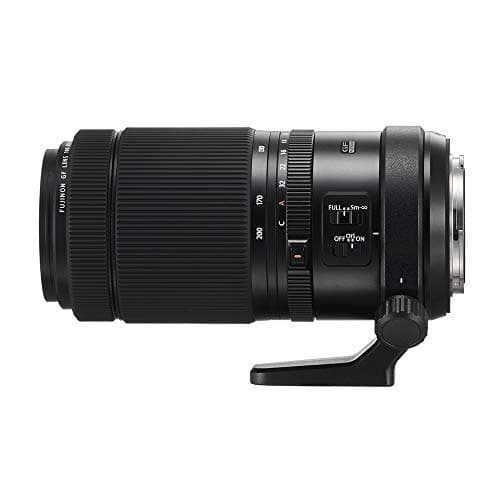 | ||
Name | Features | Price |
Fujifilm XF 18mm F1.4 R LM WR⭐ 4.5 / 5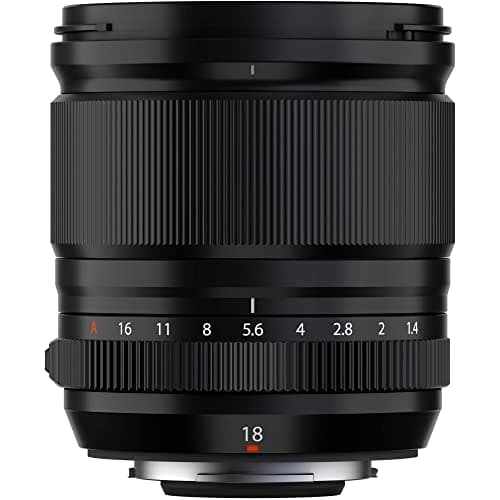 |
* Product prices and availability are accurate as of the date/time indicated and are subject to change. Any price and availability information displayed on Amazon.com at the time of purchase will apply to the purchase of this product.
* Imaginated.com may receive compensation for purchases made at participating retailers linked on this site. This compensation does not affect what products or prices are displayed, or the order of prices listed. Learn more here.
These are the best Fujifilm lenses for architectural photography, chosen for how they combine rectilinear discipline, corner-to-corner acuity, controlled flare, and handling that keeps verticals honest for exteriors and interiors alike. Architecture is about geometry and consistency: low distortion you don’t have to fix later, even sharpness at working apertures (f/5.6–f/11), coatings that tame window glare, and focusing that stays predictable on a tripod or gimbal. Start with the rectilinear staples: the XF 10–24mm f/4 R OIS WR is the real-estate and travel workhorse—stabilized, weather-sealed, and sharp with a 15–36mm-equiv range that covers tight foyers to broad façades; when you need flagship corner integrity and speed, the XF 8–16mm f/2.8 R LM WR delivers dramatic ultra-wide coverage with straight lines and robust build for pro interiors and sweeping exteriors. Prime shooters get precision with the XF 14mm f/2.8 R (cult favorite for low distortion, compact size, and tactile MF clutch), XF 16mm f/1.4 R WR (close-focus for foreground anchors and night exteriors, stops down beautifully), and the XF 18mm f/1.4 R LM WR for documentary-wide frames with modern AF and crisp micro-contrast. Featherweight ultra-wide? The XF 8mm f/3.5 R WR and Laowa 9mm f/2.8 Zero-D keep lines straight in a pocketable package, perfect for handheld scouting and gimbal walk-throughs; third-party heroes like Viltrox 13mm f/1.4 AF and Sigma 10–18mm f/2.8 DC DN add fast, clean coverage for blue-hour cityscapes and interior video. When correction matters most, tilt-shift and shift solutions unlock pro control: adapt Canon TS-E 17mm/24mm via a quality EF-to-X adapter for full tilt/shift articulation, or lean on Laowa’s “Zero-D Shift” primes (15mm/20mm) for generous image circles and smooth, repeatable movements that correct converging verticals and enable parallax-free stitches. Mid-range zooms still earn a spot for details and elevations—the XF 16–55mm f/2.8 R LM WR brings prime-like sharpness for façades, signage, and material studies without moving the sticks; for texture and finishes, a macro like the XF 30mm f/2.8 or XF 80mm f/2.8 OIS lets you document fixtures and joinery with clinical precision. Image priorities are simple and strict: rectilinear rendering (or easy-to-profile distortion), low lateral CA for window frames and rooflines, flare resistance for sun-in-frame exteriors, and minimal focus breathing for smooth interior pulls; linear motors on modern XF glass keep AF quiet and surefooted for hybrid jobs. Workflow turns good glass into great files—level the camera before shifting perspective in post, bracket exposures for high-contrast interiors, and use a slim CPL judiciously to kill glass glare (avoid uneven skies at ultra-wide angles); carry a compact square filter kit for lenses without front threads, and shoot at moderate apertures to dodge diffraction while holding edge detail. Composition tips keep frames clean: include a near-field anchor (bench, column base, paver pattern) to sell scale, mind edge stretch by keeping people and slender elements away from frame borders, and align verticals in-camera to minimize heavy corrections later. The practical kit recipe is clear—anchor with the XF 10–24mm WR for versatile rectilinear coverage, add the XF 8–16mm for flagship ultra-wide integrity, keep a Zero-D/shift prime (Laowa 9/15/20) or adapted TS-E for on-location corrections and stitches, and round out with the XF 16–55mm plus a macro for details. Whether you’re straightening glass-and-steel skylines, carving clean lines through modern interiors, documenting restoration details, or filming fluid room-scale walk-throughs, the best Fujifilm lenses for architectural photography deliver the geometry, sharpness, and control that make structures read exactly as the architect intended.
Lenses by brand:
Lenses by price:
Lenses by type:
Lenses by sensor:
Lenses by feature:
Lenses by use case:
- Best Fujifilm Lenses for Architectural Photography
- Best Fujifilm Lenses for Astrophotography
- Best Fujifilm Lenses for Automotive Photography
- Best Fujifilm Lenses for Bird Photography
- Best Fujifilm Lenses for Concert Photography
- Best Fujifilm Lenses for Event Photography
- Best Fujifilm Lenses for Food Photography
- Best Fujifilm Lenses for Landscape Photography
- Best Fujifilm Lenses for Macro Photography
- Best Fujifilm Lenses for Nature Photography
- Best Fujifilm Lenses for Night Photography
- Best Fujifilm Lenses for Portrait Photography
- Best Fujifilm Lenses for Product Photography
- Best Fujifilm Lenses for Real Estate Photography
- Best Fujifilm Lenses for Sports Photography
- Best Fujifilm Lenses for Street Photography
- Best Fujifilm Lenses for Travel Photography
- Best Fujifilm Lenses for Wedding Photography
- Best Fujifilm Lenses for Wildlife Photography
- Best Fujifilm Lenses for Video
Lenses by experience:
Cameras: