
10 Best Fisheye Lenses for Landscape Photography in 2026
Filters:
Name | Features | Price |
|---|---|---|
Fujifilm XF 8-16mm F2.8 R LM WR⭐ 4.9 / 5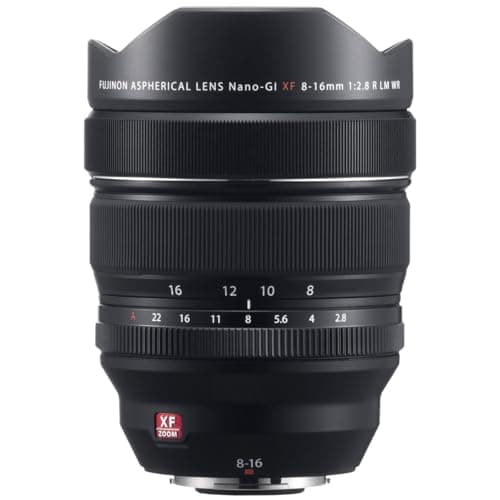 | ||
Name | Features | Price |
Fujifilm XF 8mm F3.5 R WR⭐ 4.9 / 5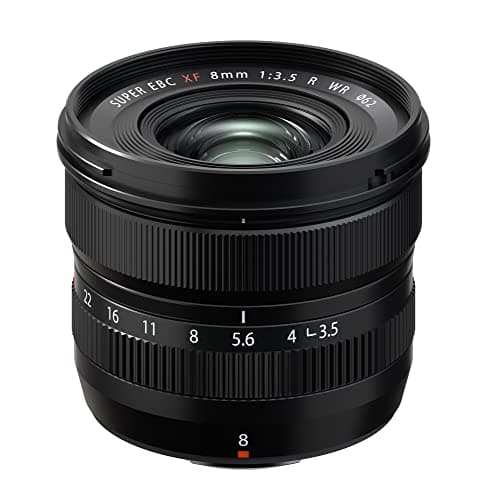 | ||
Name | Features | Price |
Irix 11mm F4⭐ 4.7 / 5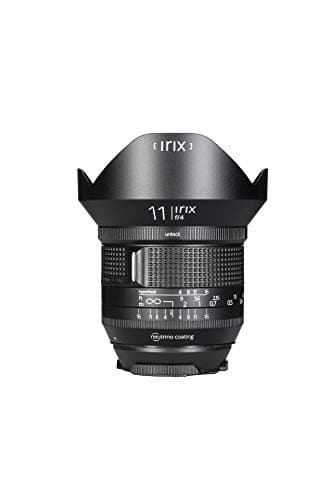 | ||
Name | Features | Price |
Nikon AF-S Nikkor Fisheye 8-15mm F3.5-4.5E ED⭐ 4.4 / 5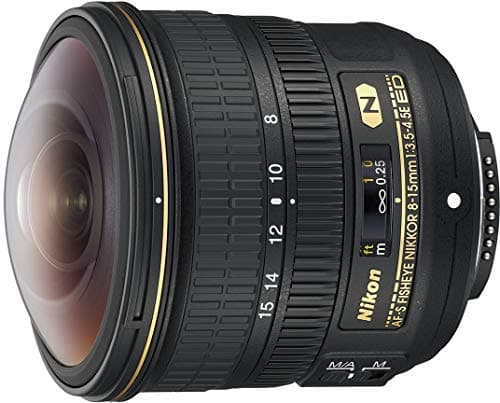 | ||
Name | Features | Price |
Olympus M.Zuiko Digital ED 8mm F1.8 Fisheye PRO⭐ 4.1 / 5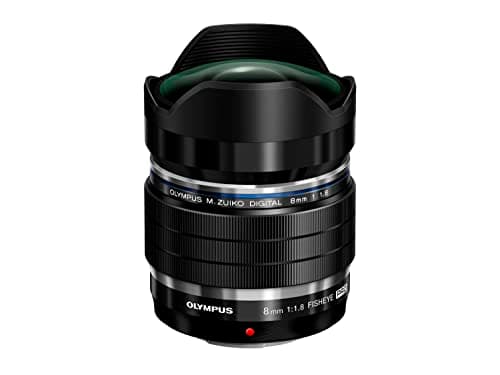 | ||
Name | Features | Price |
Venus Laowa 4mm F2.8 Fisheye MFT⭐ 4.1 / 5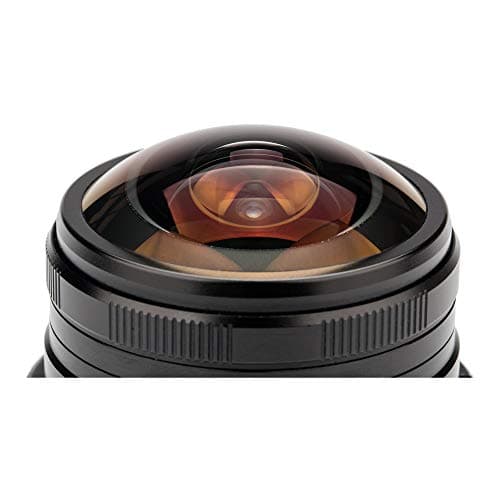 | ||
Name | Features | Price |
Kamlan 8mm F3.0 Fisheye⭐ 4.0 / 5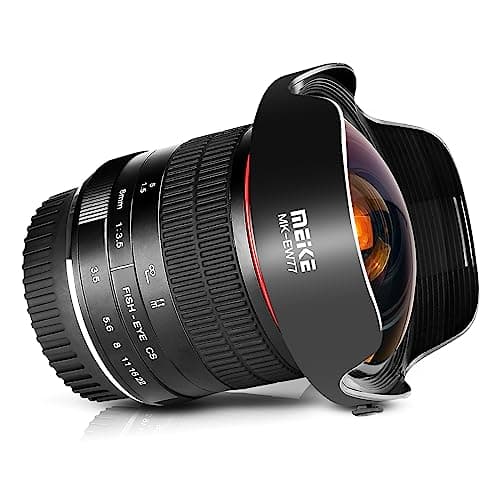 | ||
Name | Features | Price |
Pentax HD DA Fisheye 10-17mm F3.5-4.5 ED⭐ 4.0 / 5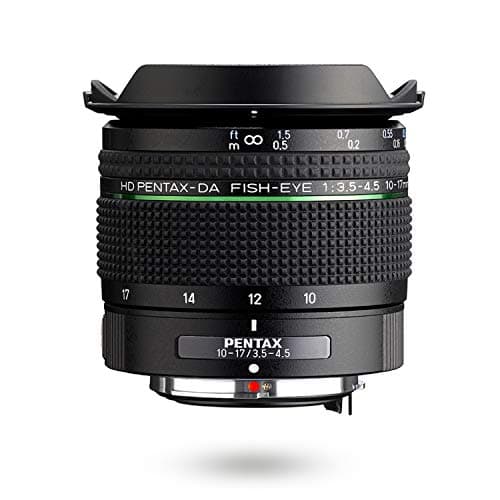 | ||
Name | Features | Price |
Canon RF-S 3.9mm F3.5 STM Dual Fisheye⭐ 2.9 / 5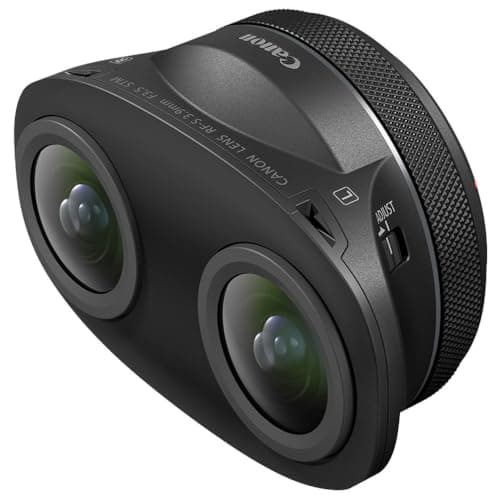 |
* Product prices and availability are accurate as of the date/time indicated and are subject to change. Any price and availability information displayed on Amazon.com at the time of purchase will apply to the purchase of this product.
* Imaginated.com may receive compensation for purchases made at participating retailers linked on this site. This compensation does not affect what products or prices are displayed, or the order of prices listed. Learn more here.
These are the best fisheye lenses for landscape photography when you want sweeping skies, towering trees, dramatic foreground exaggeration, and graphic horizons—with tight flare control for sunstars, disciplined edges stopped down, and compact builds for hikes and gimbal walk-throughs—and here’s what to look for as you buy: favor diagonal fisheyes on full-frame (cleaner corners and easier partial de-fish than circular), consistent projection (equisolid or stereographic so stretching is predictable), good coatings against low-angle sun and sea glint, close minimum focus for CFWA foregrounds inches from the dome, and light barrels that balance well on small heads; front filters are rarely usable—plan rear/gel NDs only if your system allows, skip CPLs (uneven skies), and build a de-fish workflow (Lensfun/DxO/PTGui/Fisheye-Hemi) you can apply consistently. Full-frame heroes: Canon EF 8–15mm ƒ4L Fisheye USM and Nikon AF-S 8–15mm ƒ3.5–4.5E (benchmark circular→diagonal zooms—park around 14–15 mm for diagonal frames that de-fish gracefully; excellent flare resistance and sharpness), Samyang/Rokinon 12mm ƒ2.8 diagonal (fast, lightweight, budget-friendly for blue hour and aurora), and Sigma 15mm ƒ2.8 EX diagonal (compact classic—tight corners by ƒ5.6–ƒ8); specialty primes like Nikon 16mm ƒ2.8 and Canon 15mm ƒ2.8 remain solid used buys for ultralight kits. APS-C standouts for long treks and compact rigs: Tokina AT-X 10–17mm ƒ3.5–4.5 DX and Pentax DA 10–17mm ƒ3.5–4.5 (close-focus champs—great for mossy rocks inches from the lens and forest canopies), with the Canon/Nikon 8–15s acting as diagonal fisheyes across much of their range on crop if you already own one. Micro Four Thirds winners for dawn patrol and travel: Olympus M.Zuiko 8mm ƒ1.8 PRO (fast, sealed, excellent into-the-sun behavior and crisp sunstars stopped slightly) and Panasonic Lumix G 8mm ƒ3.5 (tiny, sharp, budget option). Practical buyer tips: on full-frame, get an 8–15 for maximum flexibility (store zoom stops for circular hero frames and diagonal de-fish), pick the Samyang 12/2.8 if speed/price matter, and the Sigma 15/2.8 for featherweight reliability; on APS-C, the Tokina 10–17 is the most versatile hiking choice; on MFT, the Olympus 8/1.8 is the low-light landscape king; use rigid EF→RF/E/Z adapters with zero play, carry a slim hood/hand flag for low sun, and save per-focal-length de-fish presets so horizons and trees look consistent across a set. Landscape shooting tips: level the camera and center horizons for neutral geometry or tilt intentionally for dynamic bend, work around ƒ5.6–ƒ8 (ƒ9–ƒ11 on high-res bodies) for corner discipline, expose for highlights and bracket (-2/0/+2) when shooting into the sun, shade the front element to prevent veiling flare, and place bold foregrounds 1–12 in from the lens for scale while keeping mid-ground 2–5 m away for depth; for lakes and tide pools, skip CPLs and time for calm reflections; for forests, point slightly upward to arc the canopy and use partial de-fish to relax trunks; for nightscapes, start at ƒ2.8–ƒ3.5, 10–20 s, ISO 3200–6400, tape focus at magnified infinity, and add a gentle stop-down if corners need cleaning; for panos, shoot equal-and-opposite frames (±10–20° yaw) and stitch after light de-fish; whether you’re bending dunes under a blazing sunstar, wrapping alpine lakes into graphic bowls, arcing redwoods overhead, or framing aurora domes, the best landscape fisheye choices—8–15 zooms on full-frame, Tokina/Pentax 10–17 on APS-C, and Olympus/Panasonic 8 mm on MFT—deliver adjustable 180° drama, manageable flare, and post-friendly projection so your lines stay intentional, your corners stay clean, and your vistas feel epic yet artfully controlled.
Lenses by brand:
Lenses by price:
Lenses by type:
Lenses by sensor:
Lenses by feature:
Lenses by use case:
- Best Fisheye Lenses for Aerial Photography
- Best Fisheye Lenses for Architectural Photography
- Best Fisheye Lenses for Astrophotography
- Best Fisheye Lenses for Bird Photography
- Best Fisheye Lenses for Concert Photography
- Best Fisheye Lenses for Fashion Photography
- Best Fisheye Lenses for Food Photography
- Best Fisheye Lenses for Landscape Photography
- Best Fisheye Lenses for Macro Photography
- Best Fisheye Lenses for Night Photography
- Best Fisheye Lenses for Portrait Photography
- Best Fisheye Lenses for Real Estate Photography
- Best Fisheye Lenses for Sports Photography
- Best Fisheye Lenses for Street Photography
- Best Fisheye Lenses for Studio Photography
- Best Fisheye Lenses for Travel Photography
- Best Fisheye Lenses for Wedding Photography
- Best Fisheye Lenses for Video
Lenses by experience:
Cameras: