
10 Best Canon Lenses for Landscape Photography in 2026
Filters:
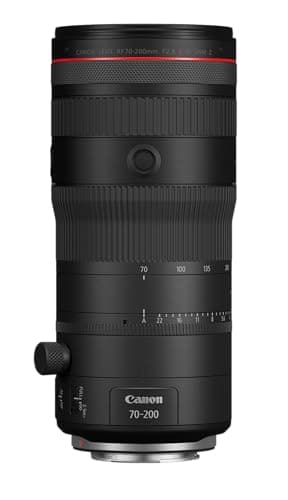
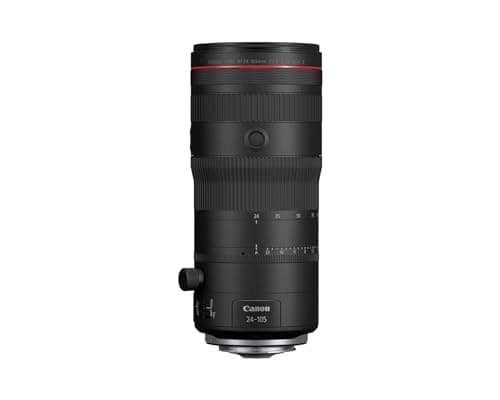
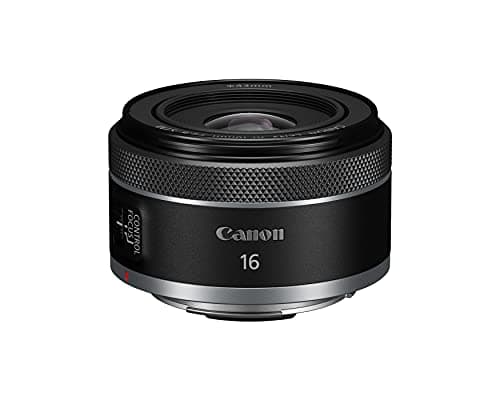
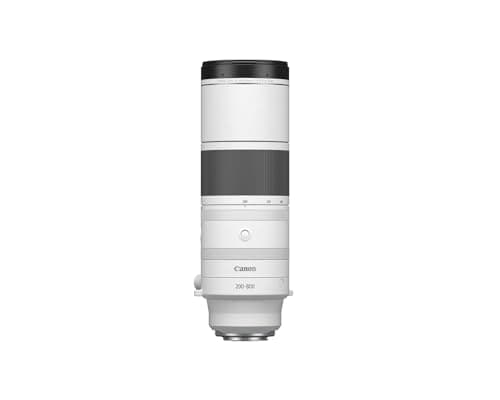
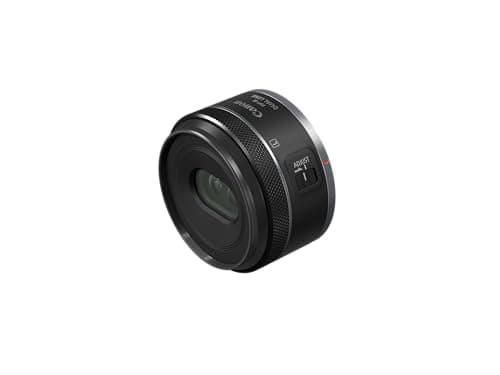
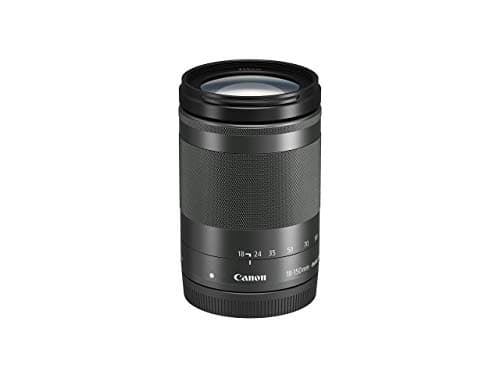
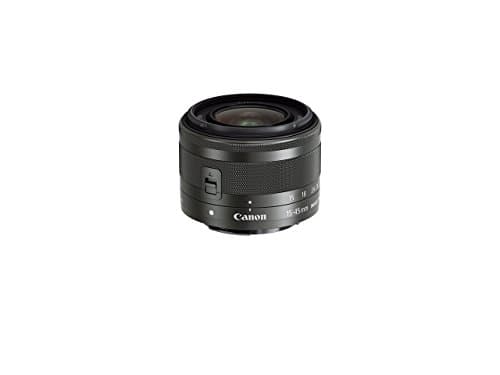
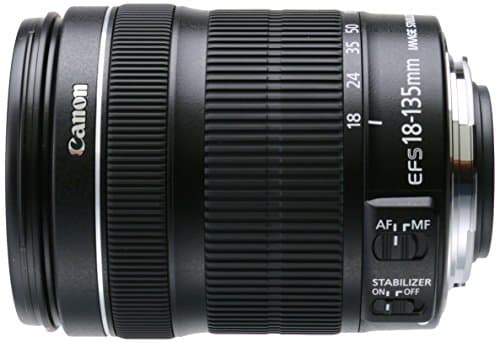
* Product prices and availability are accurate as of the date/time indicated and are subject to change. Any price and availability information displayed on Amazon.com at the time of purchase will apply to the purchase of this product.
* Imaginated.com may receive compensation for purchases made at participating retailers linked on this site. This compensation does not affect what products or prices are displayed, or the order of prices listed. Learn more here.
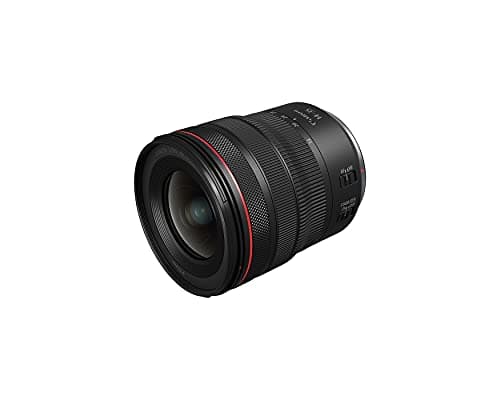
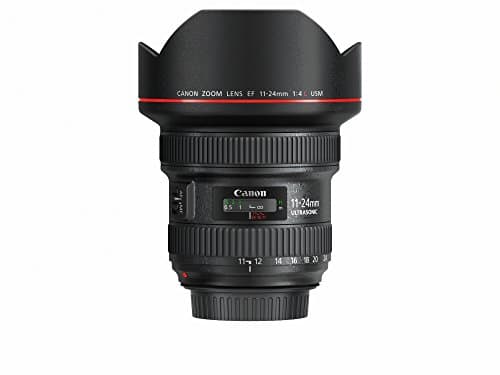
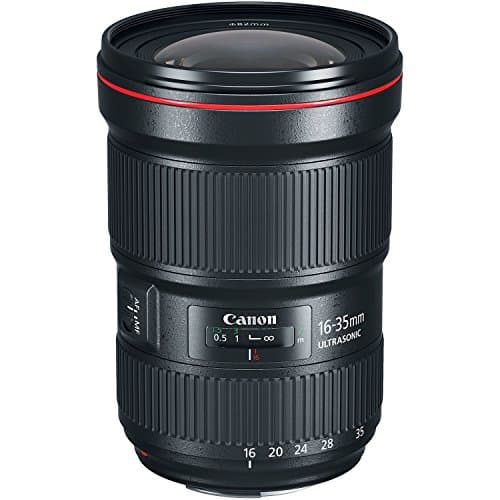
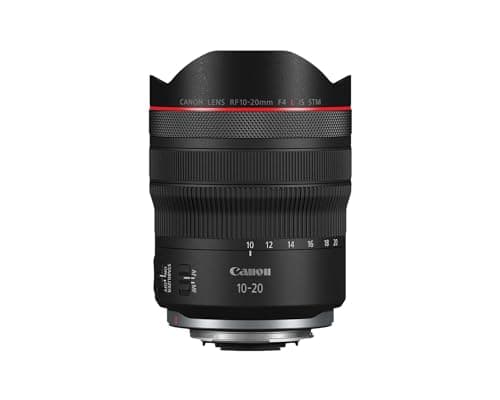
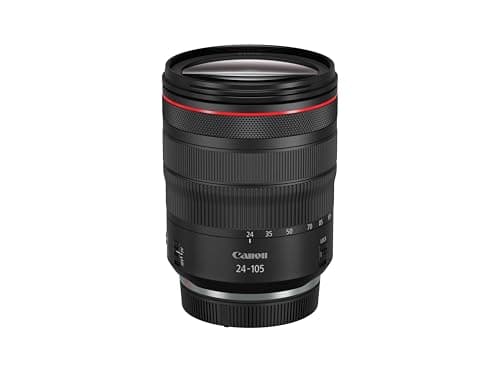
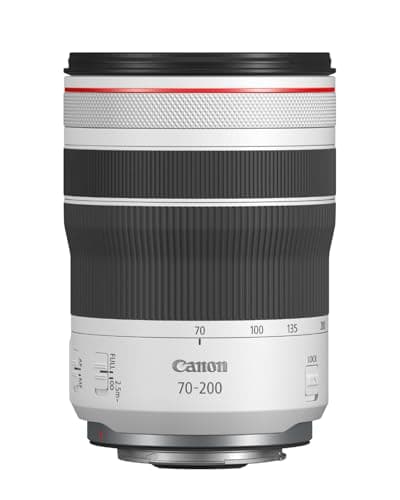
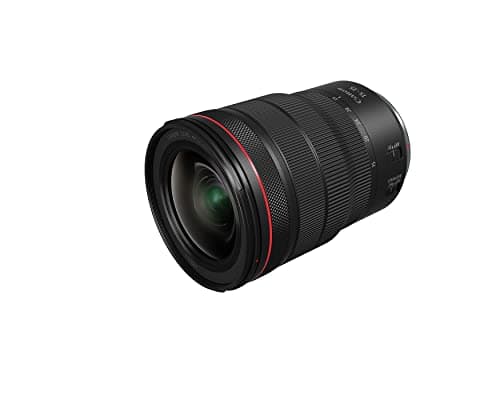
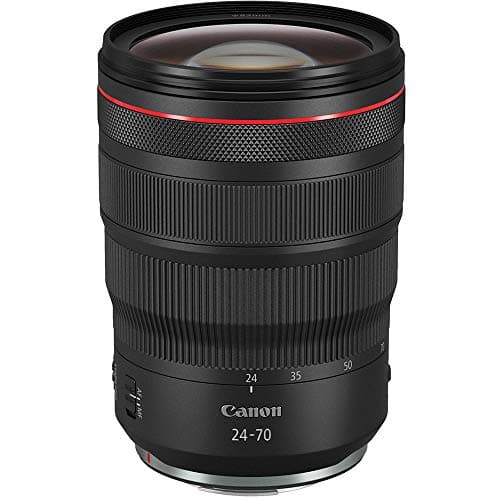
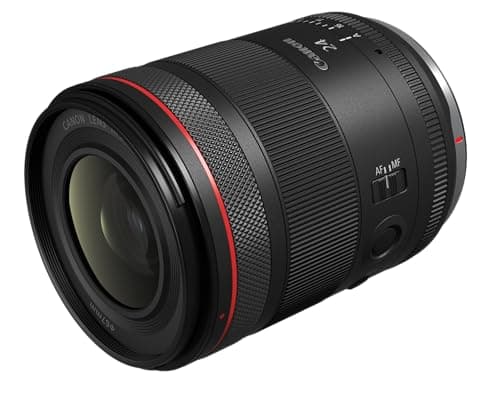
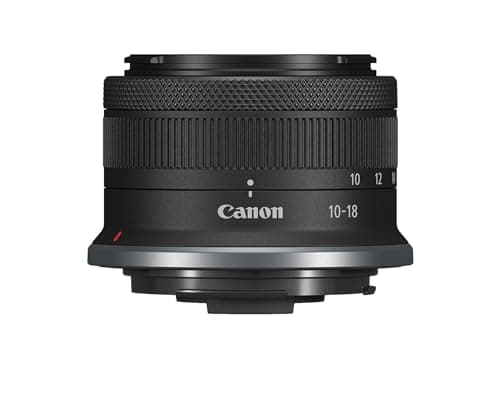
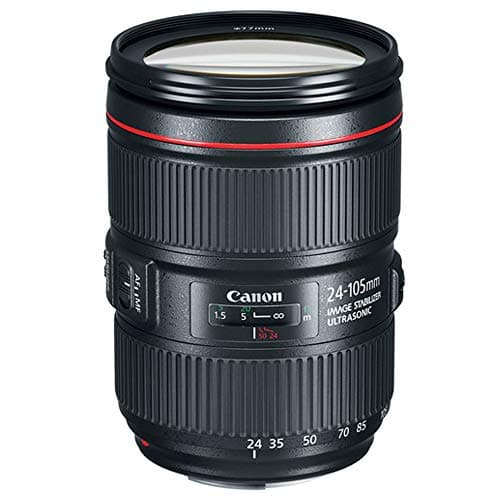
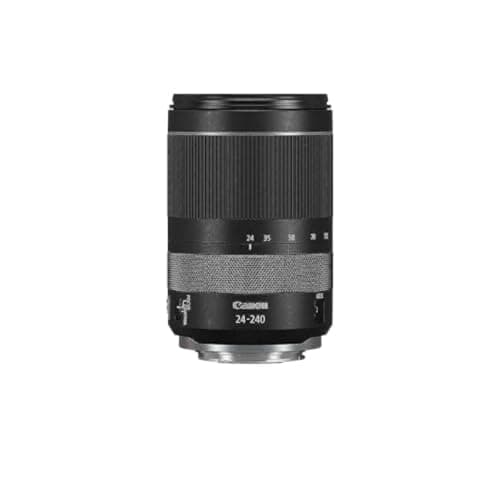
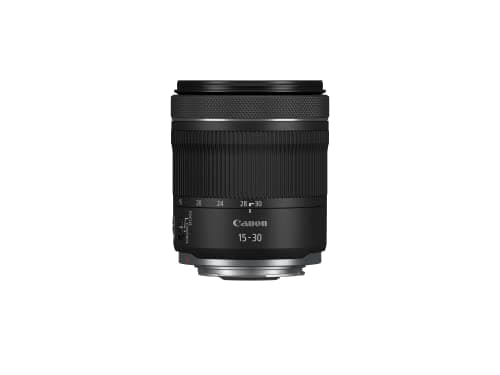
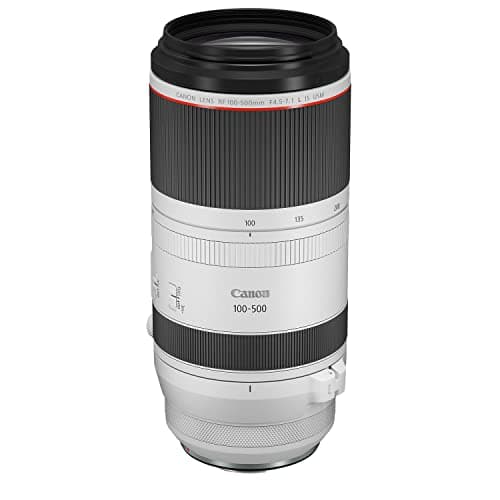
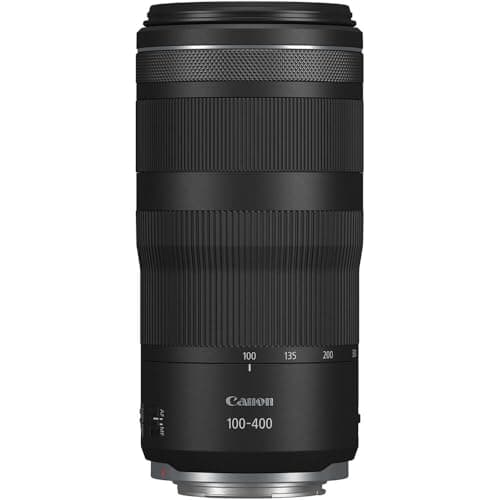
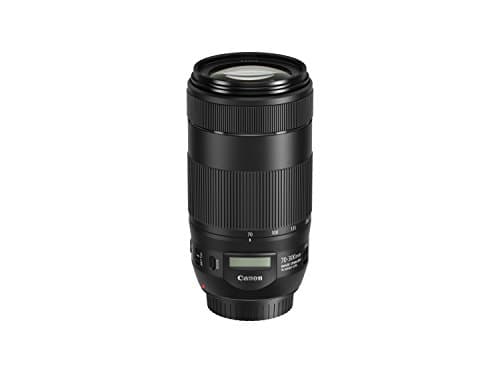
These are the best Canon lenses for landscape photography, chosen for their rectilinear control, edge-to-edge sharpness, filter friendliness, weather sealing, and stabilization that help you render disciplined lines and rich micro-contrast from blue hour to backcountry noon—whether you’re on RF mirrorless or adapting EF glass. The RF 14-35mm f/4L IS USM is the travel-friendly ultra-wide workhorse: light, sharp, stabilized, and compatible with common screw-in filters for NDs and polarizers, making it ideal for long exposures, reflections, and high-elevation hikes; if you want more speed for twilight and astro, the RF 15-35mm f/2.8L IS USM delivers prime-like corners, quiet AF, and effective IS that pairs beautifully with IBIS for hand-held scouting and dawn compositions. When space gets impossibly tight or you crave radical perspectives in canyons and interiors, the RF 10-20mm f/4 L IS STM pushes rectilinear reach while keeping weight down (plan on rear gels or dedicated holders), and the tiny RF 16mm f/2.8 STM is a pocketable ultra-wide you’ll actually carry for spontaneous vistas and Milky Way starts. For classic “one lens, all day” hikes, the RF 24-105mm f/4L IS USM is a stabilized, color-true staple that spans sweeping scenes to compressed layers, while the RF 24-70mm f/2.8L IS USM adds low-light headroom for blue-hour transitions and forest shade; if your look leans tele for stacking ridgelines and isolating patterns, the RF 70-200mm f/4L IS USM is a featherweight gem for long days, the RF 70-200mm f/2.8L IS USM adds speed for foggy mornings, and the RF 100-500mm f/4.5-7.1L IS USM reaches distant peaks and weather windows with surprising acuity. Prime lovers can build a light, disciplined kit with the RF 24mm f/1.8 Macro IS STM and RF 35mm f/1.8 Macro IS STM—both stabilized and close-focusing for foreground textures—and add the RF 135mm f/1.8L IS USM for elegant compression and weather-sliced horizons; for crystalline foreground detail and texture studies, the RF 100mm f/2.8L Macro IS USM doubles as a landscape tool with Hybrid IS and an SA Control ring to tune blur character for focus-transitions in intimate scenes. Adapting EF glass remains a budget-savvy path with proven results: the EF 16-35mm f/4L IS USM is a landscape classic—rectilinear, sharp, stabilized, and filter-friendly—while the EF 16-35mm f/2.8L III USM brings speed and improved corner performance for dawn skies; the EF 17-40mm f/4L is still a durable value hiker; the EF 11-24mm f/4L is the rectilinear extreme for cathedrals, slot canyons, and epic foregrounds (use a square system); and the EF 70-200mm f/4L IS II and EF 100-400mm f/4.5-5.6L IS II remain outstanding for layered tele landscapes with fast, accurate AF. If perspective control is part of your look, Canon’s tilt-shifts elevate landscape craft: TS-E 24mm f/3.5L II for parallax-free stitched panoramas and disciplined lines with standard filters, TS-E 17mm f/4L when you need ultra-wide coverage and generous shift for cliffs and architecture, and TS-E 50mm f/2.8L Macro for intimate landscapes where laying the focus plane beats stopping to diffraction-limited apertures. Technique turns these lenses into consistent results: level the camera first to minimize keystone stretch, stop zooms to f/5.6–f/8 (f/8–f/11 on ultra-wides) for corner discipline, and use primes at f/4–f/8 depending on depth; carry a circular polarizer for water and foliage (rotate lightly at ultra-wide angles to avoid uneven skies) and a 3–6 stop ND for smoothing water and clouds—square holders for bulbous fronts, threaded filters for 14-35/4 and close-focus primes; use manual focus with magnification for critical edges, turn off IBIS/IS on a locked tripod, and bracket or blend exposures for high-contrast scenes; for tele layers, seek backlit haze at golden/blue hour and meter for highlights, and for nightscape starts, begin around f/2.8, 10–20 seconds, ISO 1600–3200 with the RF 15-35/2.8 or RF 16/2.8, then refine. A simple, high-impact RF landscape kit is RF 14-35/4L for wide work, RF 24-105/4L for all-day coverage, and RF 70-200/4L or RF 100-500L for compression; swap the 14-35/4 for RF 15-35/2.8 when twilight and astro dominate, add RF 24/1.8 or 35/1.8 for foreground-driven scenes, and pack the RF 100/2.8L Macro for texture-rich studies. Whether you’re smoothing tide pools, stitching mountain panoramas, stacking tele layers across valleys, or rendering quiet woodland detail, Canon’s filter-friendly wides, stabilized standards, long teles, macros, and tilt-shifts provide the sharpness, handling, and control that turn landscapes into print-ready photographs.
Lenses by brand:
- Best Canon Lenses for Landscape Photography
- Best Fujifilm Lenses for Landscape Photography
- Best Hasselblad Lenses for Landscape Photography
- Best Laowa Lenses for Landscape Photography
- Best Nikon Lenses for Landscape Photography
- Best Olympus Lenses for Landscape Photography
- Best Panasonic Lenses for Landscape Photography
- Best Pentax Lenses for Landscape Photography
- Best Rokinon Lenses for Landscape Photography
- Best Sigma Lenses for Landscape Photography
- Best Sony Lenses for Landscape Photography
- Best Tamron Lenses for Landscape Photography
- Best Tokina Lenses for Landscape Photography
- Best Zeiss Lenses for Landscape Photography
Lenses by price:
Lenses by type:
Lenses by sensor:
Lenses by feature:
Lenses by use case:
- Best Canon Lenses for Aerial Photography
- Best Canon Lenses for Architectural Photography
- Best Canon Lenses for Astrophotography
- Best Canon Lenses for Automotive Photography
- Best Canon Lenses for Bird Photography
- Best Canon Lenses for Boudoir Photography
- Best Canon Lenses for Cityscape Photography
- Best Canon Lenses for Concert Photography
- Best Canon Lenses for Documentary Photography
- Best Canon Lenses for Editorial Photography
- Best Canon Lenses for Event Photography
- Best Canon Lenses for Fashion Photography
- Best Canon Lenses for Fine Art Photography
- Best Canon Lenses for Food Photography
- Best Canon Lenses for Headshot Photography
- Best Canon Lenses for Jewelry Photography
- Best Canon Lenses for Landscape Photography
- Best Canon Lenses for Lifestyle Photography
- Best Canon Lenses for Macro Photography
- Best Canon Lenses for Medical Photography
- Best Canon Lenses for Nature Photography
- Best Canon Lenses for Newborn Photography
- Best Canon Lenses for Night Photography
- Best Canon Lenses for Pet Photography
- Best Canon Lenses for Photojournalism
- Best Canon Lenses for Portrait Photography
- Best Canon Lenses for Product Photography
- Best Canon Lenses for Real Estate Photography
- Best Canon Lenses for Sports Photography
- Best Canon Lenses for Still Life Photography
- Best Canon Lenses for Stock Photography
- Best Canon Lenses for Street Photography
- Best Canon Lenses for Studio Photography
- Best Canon Lenses for Travel Photography
- Best Canon Lenses for Underwater Photography
- Best Canon Lenses for Wedding Photography
- Best Canon Lenses for Wildlife Photography
- Best Canon Lenses for Video
Lenses by experience: