
Name | Features | Price |
|---|---|---|
Nikon D3500❤️ 9.5K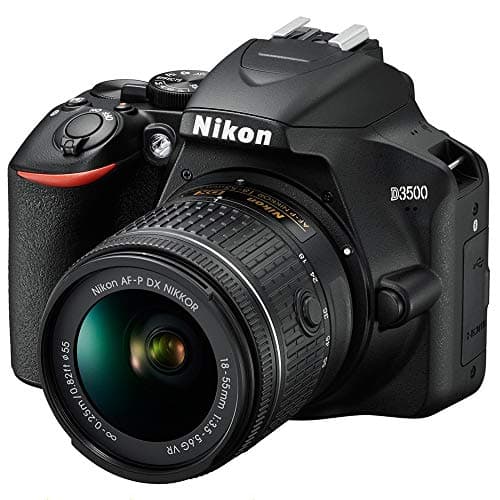 | ||
Name | Features | Price |
Canon EOS Rebel T7❤️ 9.1K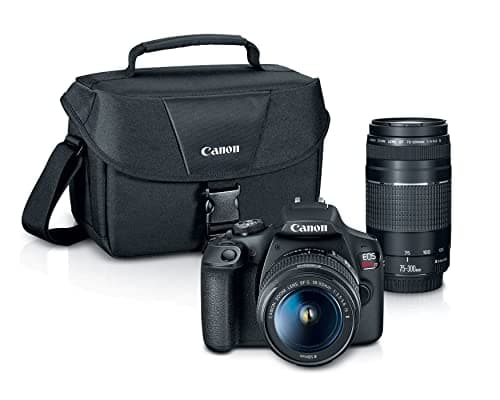 | ||
Name | Features | Price |
Nikon D5600❤️ 8.7K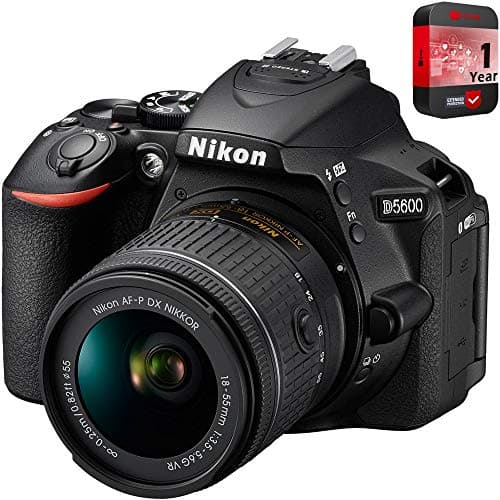 | ||
Name | Features | Price |
Canon EOS Rebel T8i❤️ 8.5K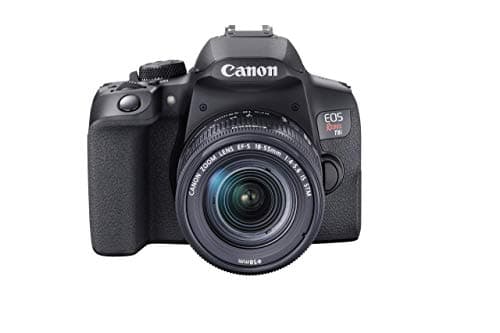 | ||
Name | Features | Price |
Canon EOS 80D❤️ 8.4K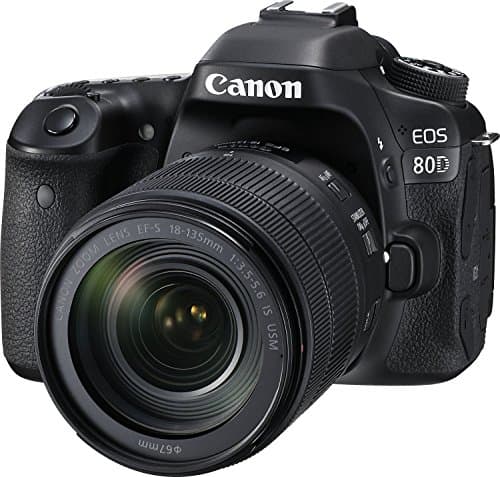 | ||
Name | Features | Price |
Canon EOS Rebel T6❤️ 8.3K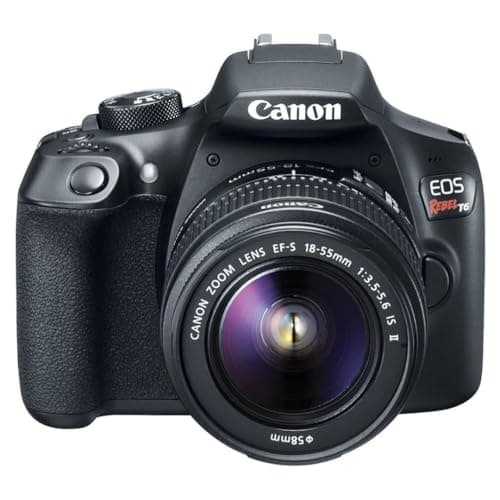 | ||
Name | Features | Price |
Canon EOS 90D❤️ 8.2K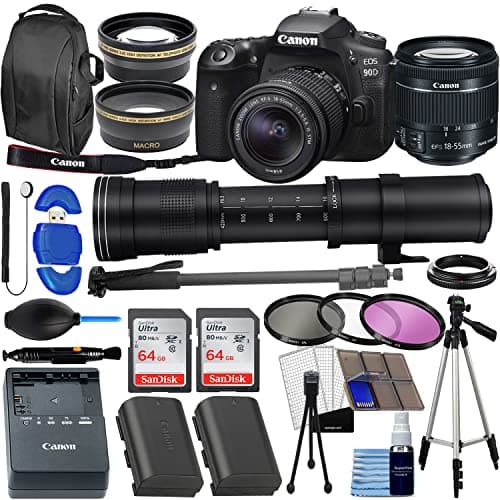 | ||
Name | Features | Price |
Nikon D3400❤️ 8.0K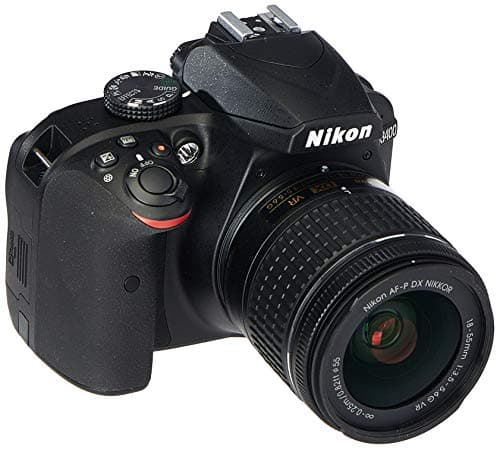 | ||
Name | Features | Price |
Canon EOS Rebel T7i❤️ 7.7K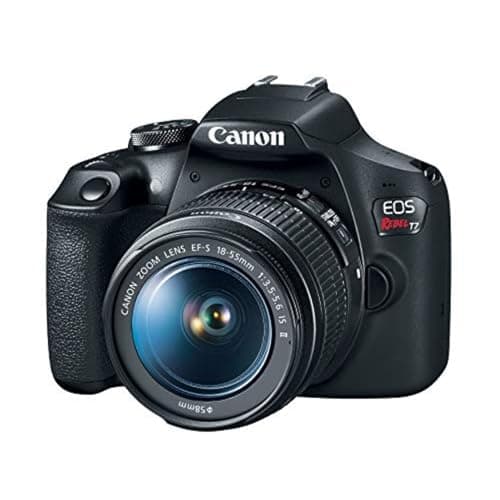 | ||
Name | Features | Price |
Nikon D7500❤️ 7.5K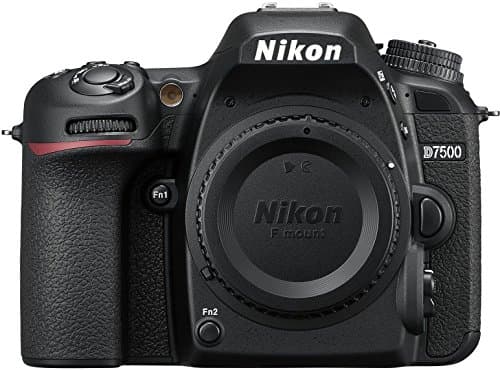 | ||
Name | Features | Price |
Canon EOS Rebel SL2❤️ 7.3K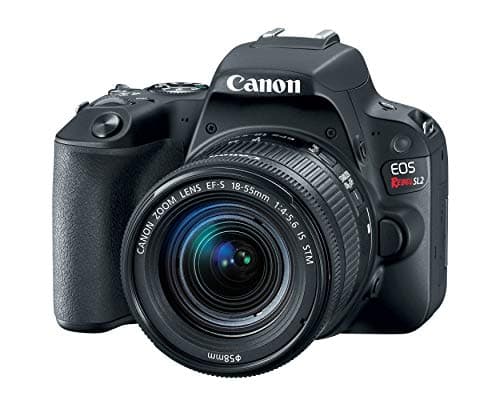 | ||
Name | Features | Price |
Canon EOS Rebel SL3❤️ 7.2K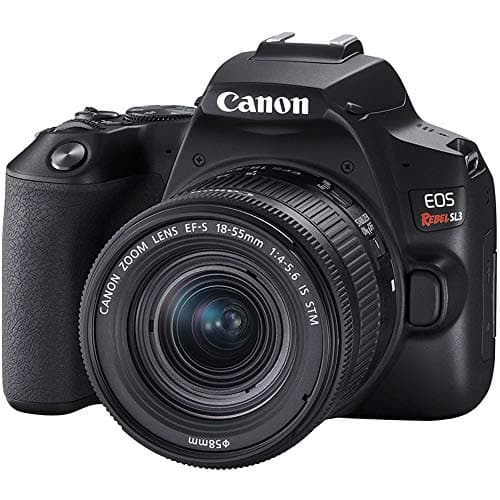 | ||
Name | Features | Price |
Canon EOS 77D❤️ 7.1K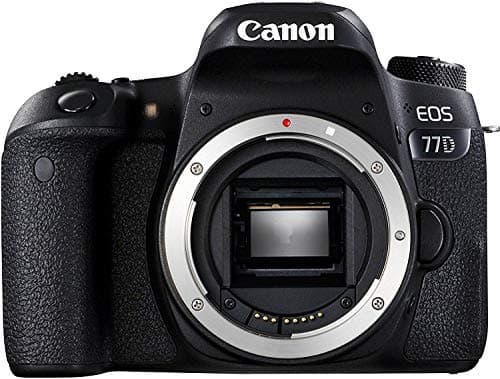 | ||
Name | Features | Price |
Nikon D500❤️ 6.9K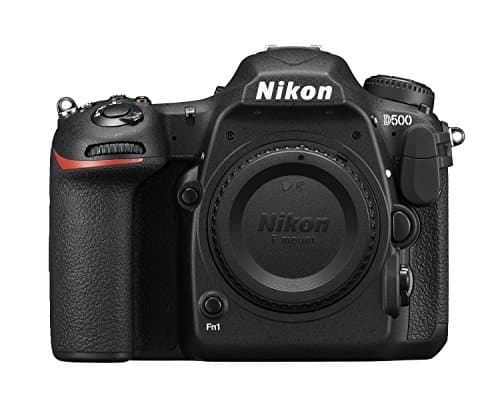 | ||
Name | Features | Price |
Canon EOS 4000D❤️ 5.1K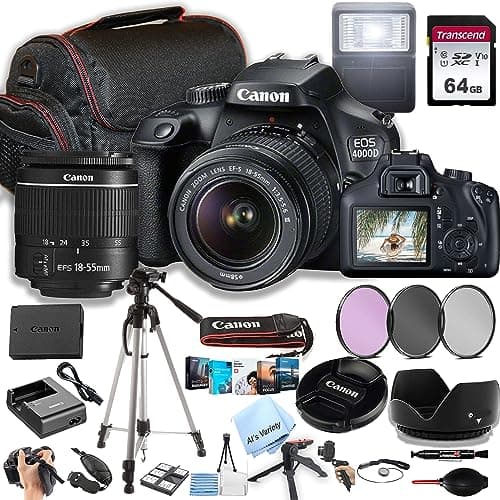 | ||
Name | Features | Price |
Pentax K-3 Mark III❤️ 3.9K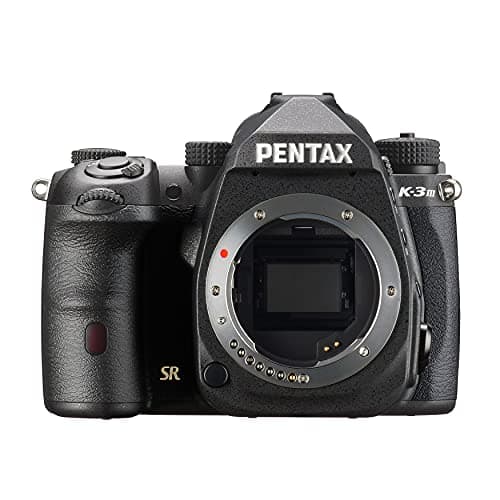 | ||
Name | Features | Price |
Pentax KP❤️ 3.4K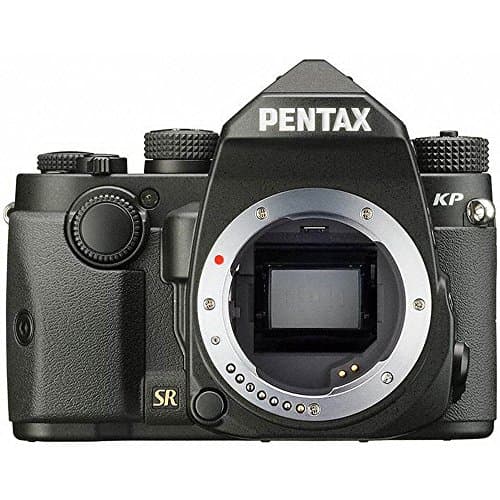 | ||
Name | Features | Price |
Pentax K-70❤️ 3.2K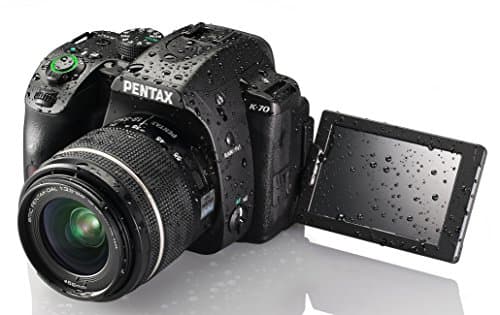 | ||
Name | Features | Price |
Pentax KF❤️ 2.9K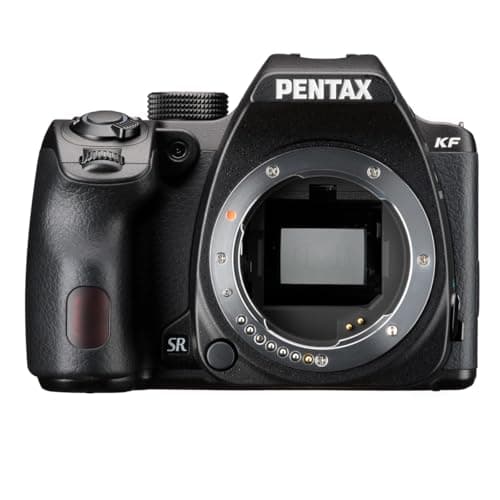 | ||
Name | Features | Price |
Pentax K-3 Mark III Monochrome❤️ 2.8K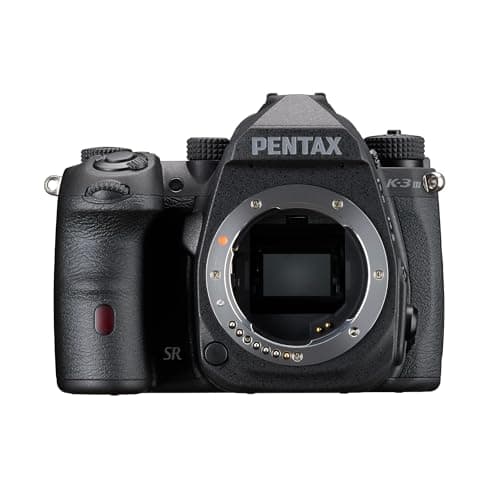 |
* Product prices and availability are accurate as of the date/time indicated and are subject to change. Any price and availability information displayed on Amazon.com at the time of purchase will apply to the purchase of this product.
* Imaginated.com may receive compensation for purchases made at participating retailers linked on this site. This compensation does not affect what products or prices are displayed, or the order of prices listed. Learn more here.
These are the best DSLR APS-C cameras, selected for their balance of image quality, affordability, and versatility. Whether you’re a beginner stepping into interchangeable-lens photography, a hobbyist upgrading from a compact camera, or an enthusiast wanting lighter gear than full-frame systems, APS-C DSLRs provide excellent performance with access to extensive lens ecosystems from Canon and Nikon. Image quality is the defining strength of APS-C DSLRs. With larger sensors than compacts or smartphones, they capture more detail, richer colors, and better low-light performance. APS-C sensors typically offer strong resolution and wide dynamic range, making them suitable for everything from portraits and landscapes to wildlife and sports. RAW support gives photographers full control in editing, allowing for professional-level adjustments to exposure, tone, and color. Affordability is a major advantage. APS-C DSLRs deliver excellent value compared to full-frame cameras, providing high-quality performance at lower price points. This makes them accessible to students, beginners, and enthusiasts, while still offering a clear upgrade path through compatible lenses and accessories. Lens system flexibility is another highlight. APS-C DSLRs are compatible with a wide range of dedicated APS-C lenses as well as full-frame lenses, giving photographers access to decades of glass across focal lengths and price ranges. From affordable kit zooms to professional-grade telephotos and fast primes, the options make APS-C DSLRs adaptable to virtually any genre of photography. Autofocus performance is strong across APS-C DSLRs. Many models feature fast, accurate AF systems with cross-type points and subject-tracking capabilities. This ensures reliable results when capturing moving subjects, whether it’s a pet running, kids at a sporting event, or wildlife in motion. Burst shooting modes further enhance their ability to freeze action. Portability is another advantage. APS-C DSLR bodies are generally smaller and lighter than their full-frame counterparts, making them easier to carry for travel, hiking, or long photo sessions. This balance of compactness and performance appeals to photographers who want professional control without heavy gear. Video capabilities add versatility. Many APS-C DSLRs record in Full HD, and newer models support 4K video, making them suitable for vlogging, school projects, or creative video work. Paired with interchangeable lenses, they allow for cinematic depth of field and greater creative control than fixed-lens cameras. Ease of use makes them beginner-friendly while still satisfying enthusiasts. Automatic modes and guided menus help new photographers learn, while full manual controls give more advanced users the freedom to experiment. Features like tilting LCDs, optical viewfinders, and intuitive button layouts enhance both usability and creativity. Durability and ergonomics ensure comfortable handling. Even entry-level APS-C DSLRs are designed with DSLR-style grips and robust builds, while mid-tier models often add weather-sealing and stronger construction for use in tougher conditions. Connectivity adds convenience. Wi-Fi, Bluetooth, and sometimes NFC allow for easy image transfers, remote shooting, and integration with smartphones or tablets. This streamlines sharing and editing, making APS-C DSLRs more adaptable to modern workflows. Battery life remains a significant strength. Thanks to optical viewfinders that use less power than mirrorless EVFs, APS-C DSLRs deliver hundreds to over a thousand shots per charge, making them excellent for long outings, travel, or event coverage. Whether you’re just starting your photography journey, an enthusiast seeking lightweight versatility, or a budget-conscious creator, the best DSLR APS-C cameras combine strong image quality, extensive lens options, and reliable performance. They offer a perfect balance of value and capability, making them a smart choice for photographers at all levels.
Cameras by brand:
Cameras by price:
Cameras by type:
Best 360-Degree APS-C Cameras
Best Action APS-C Cameras
- Best Bridge APS-C Cameras
- Best DSLR APS-C Cameras
- Best Mirrorless APS-C Cameras
- Best Point-and-Shoot APS-C Cameras
- Best Rangefinder APS-C Cameras
Cameras by sensor:
Cameras by feature:
Cameras by use case:
Cameras by experience:
Cameras lenses: