
10 Best APS-C Cameras for Portrait Photography in 2026
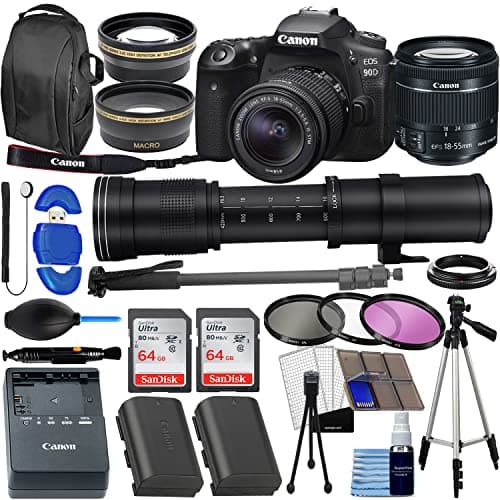
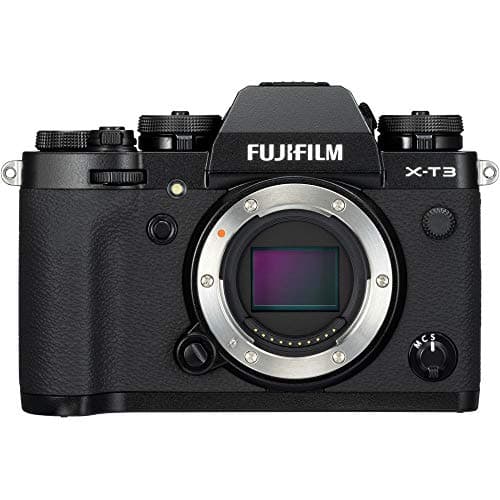
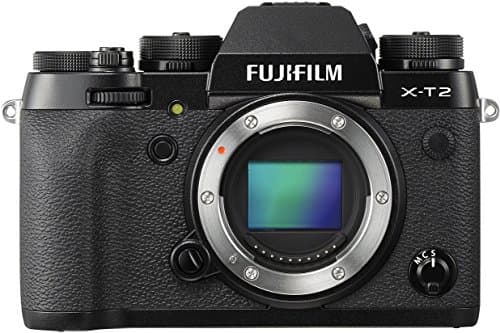
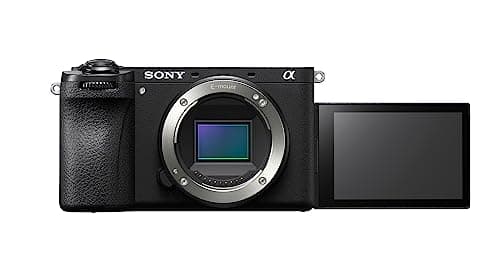
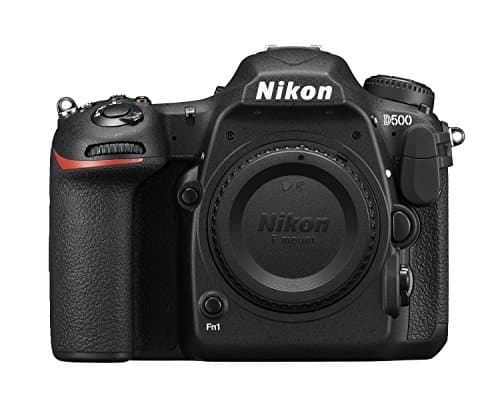
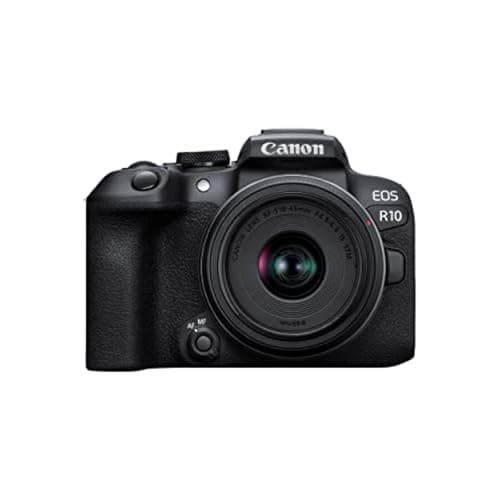
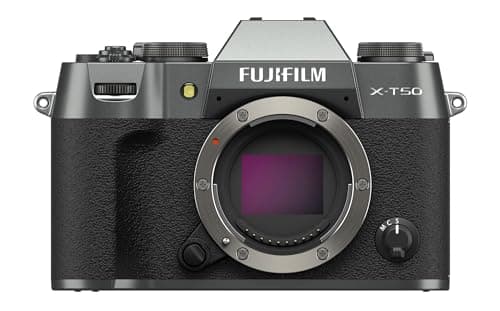
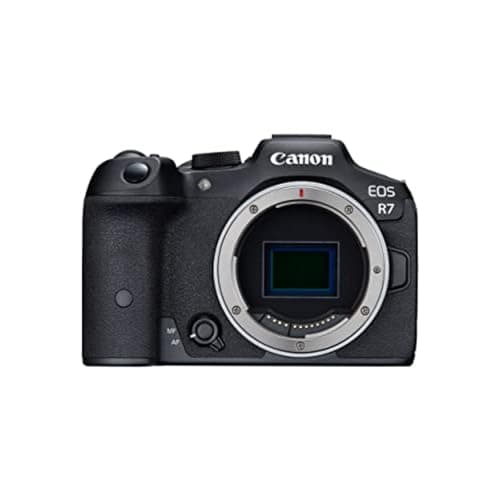
* Product prices and availability are accurate as of the date/time indicated and are subject to change. Any price and availability information displayed on Amazon.com at the time of purchase will apply to the purchase of this product.
* Imaginated.com may receive compensation for purchases made at participating retailers linked on this site. This compensation does not affect what products or prices are displayed, or the order of prices listed. Learn more here.
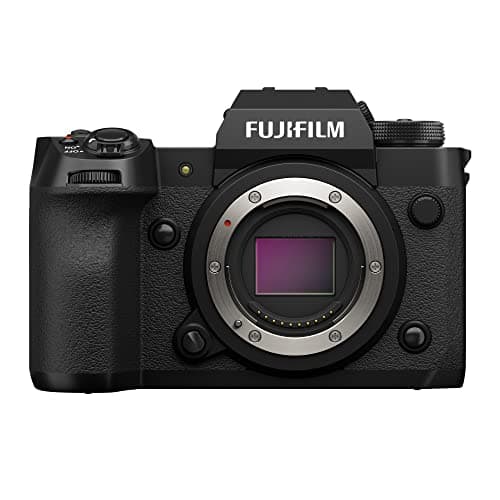
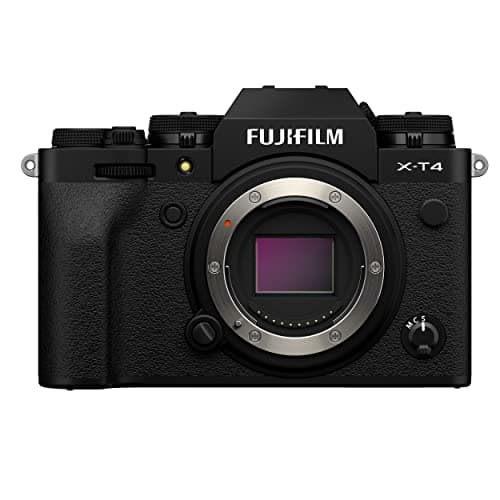
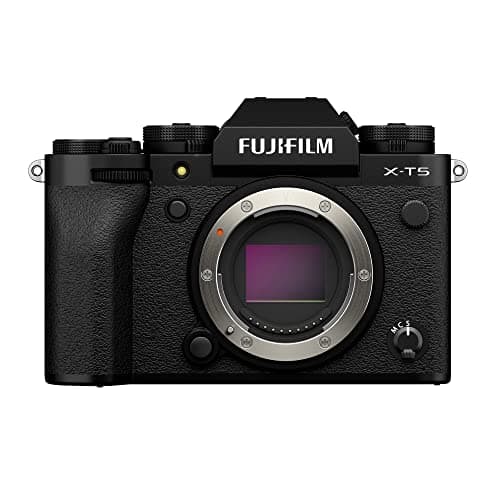
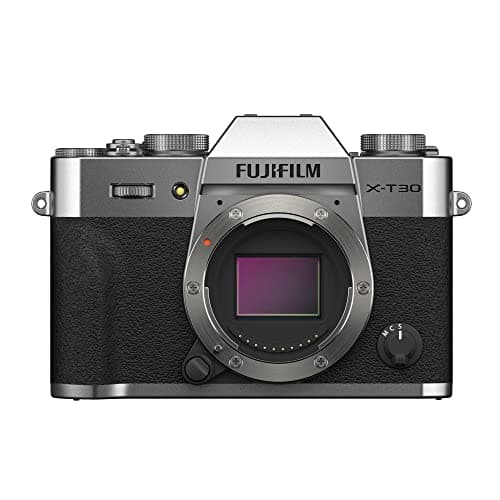
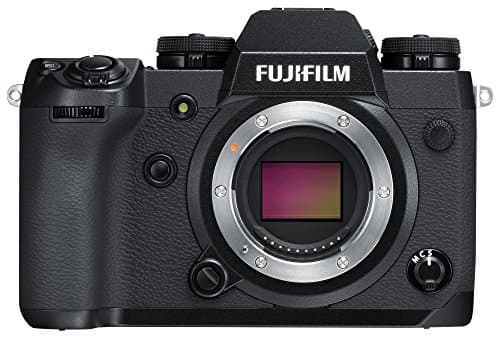
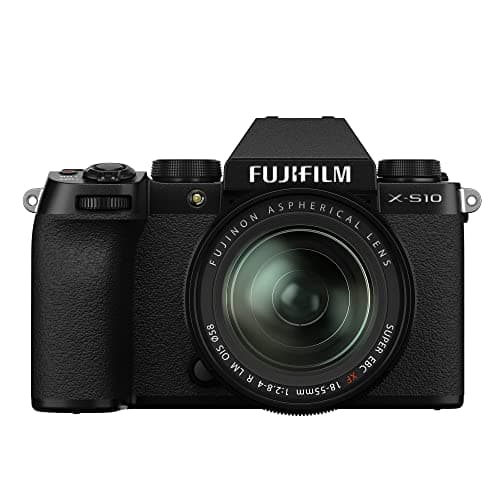
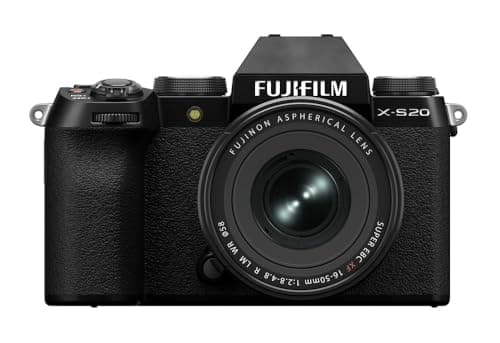
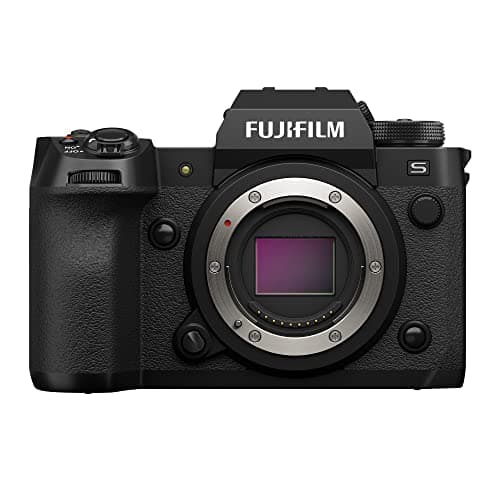
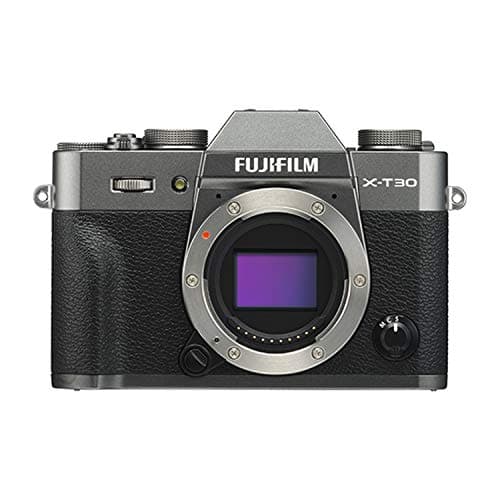
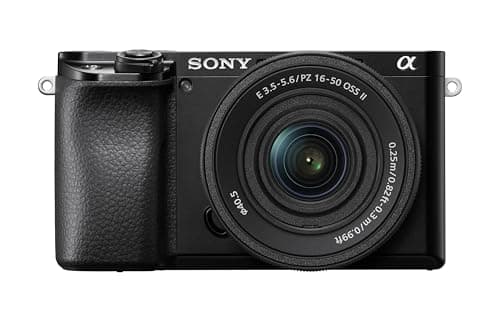
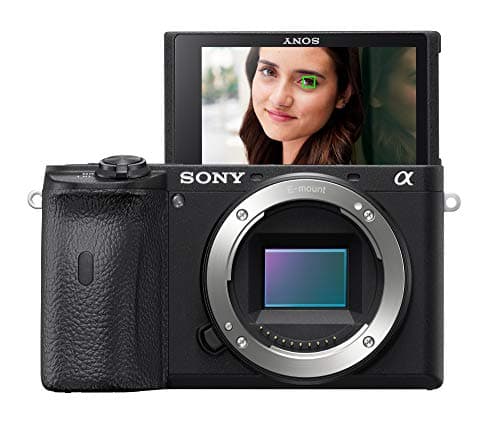
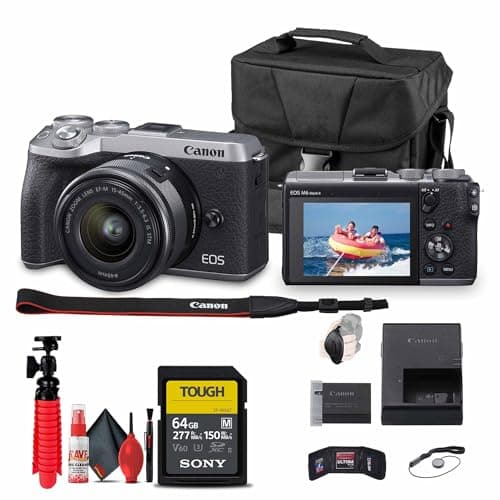
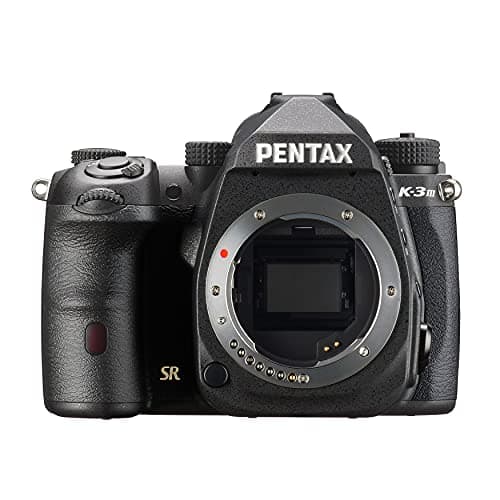
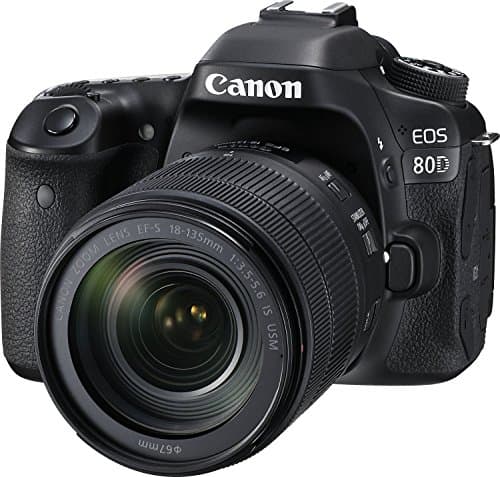
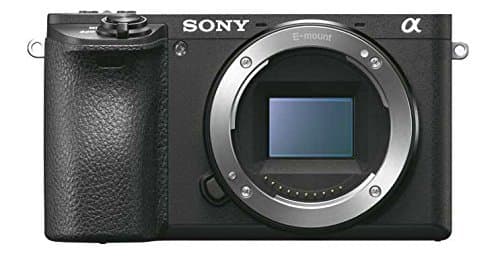
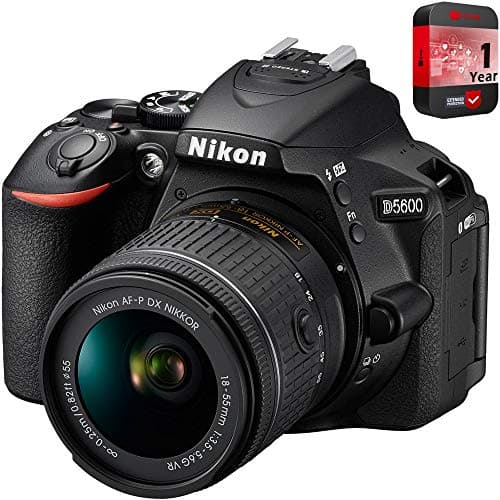
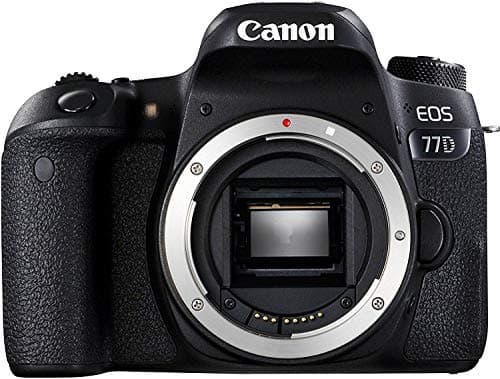
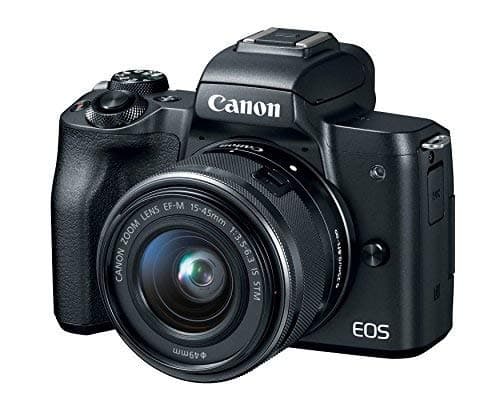
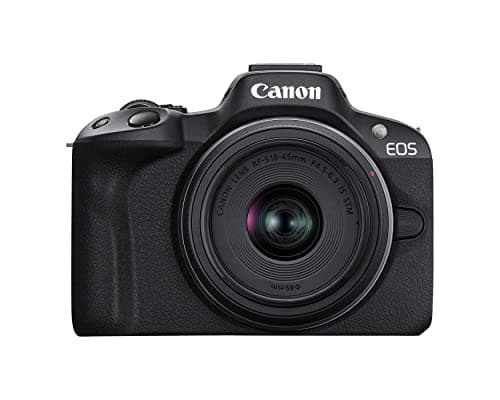
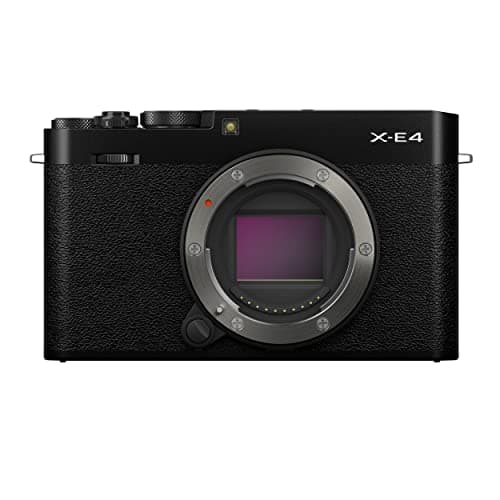
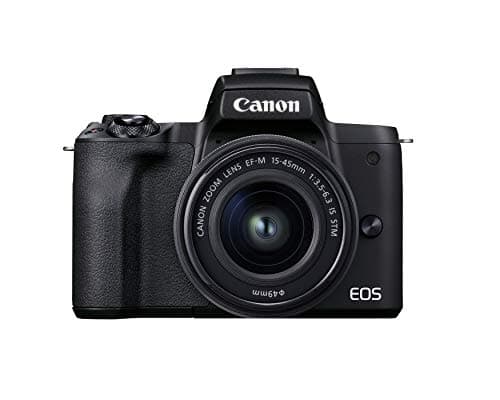
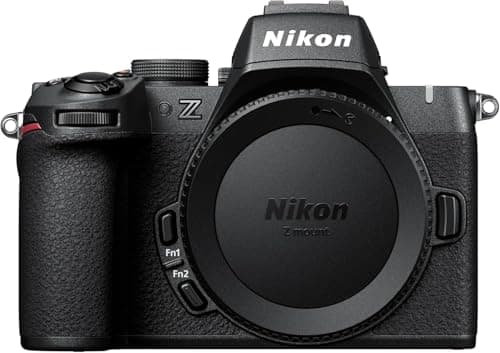
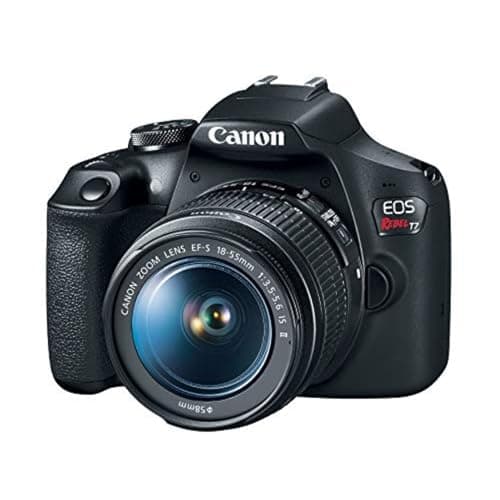
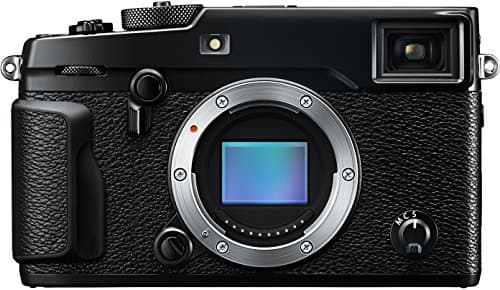
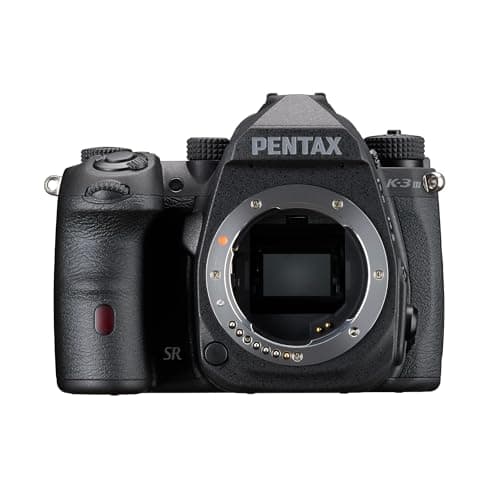
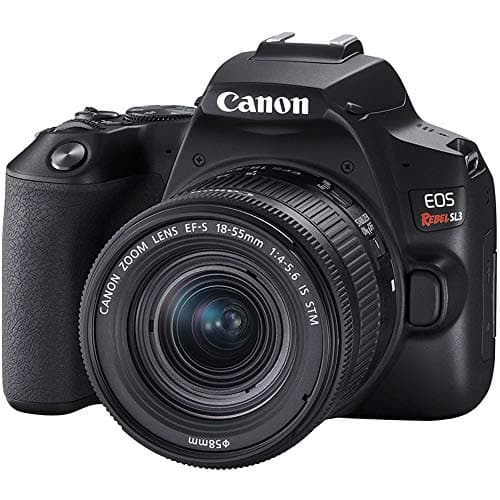
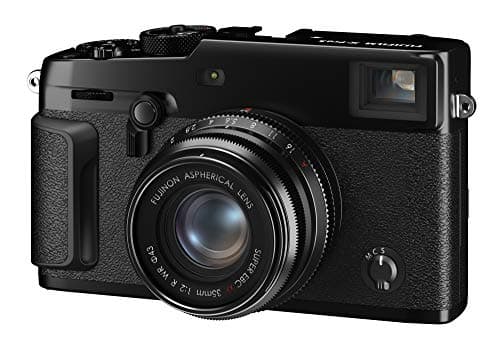
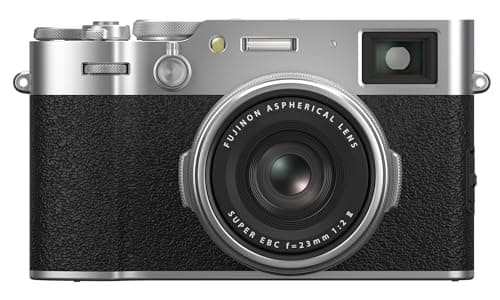
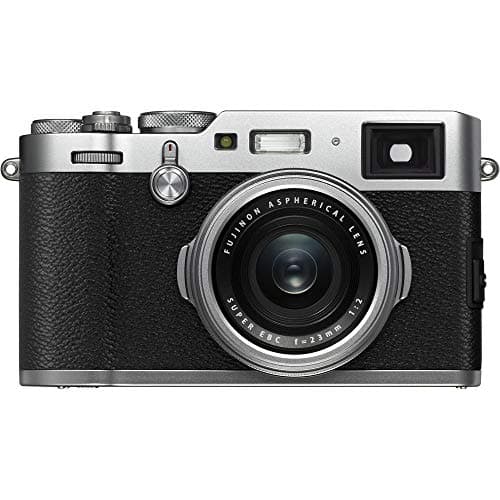
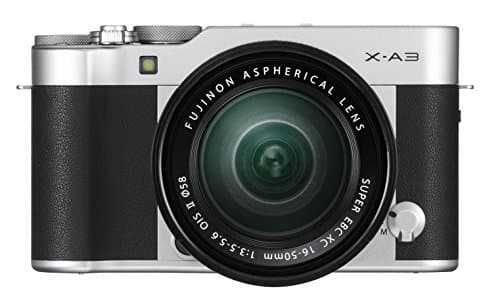
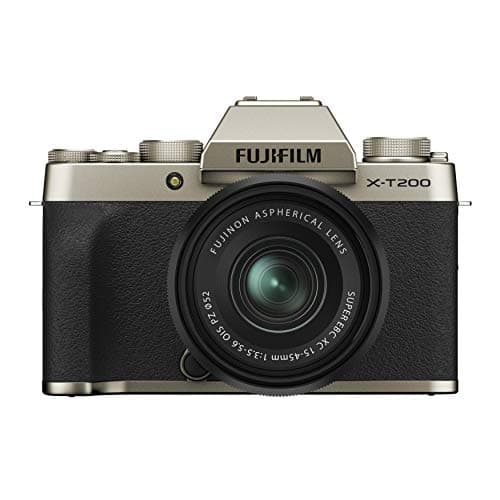
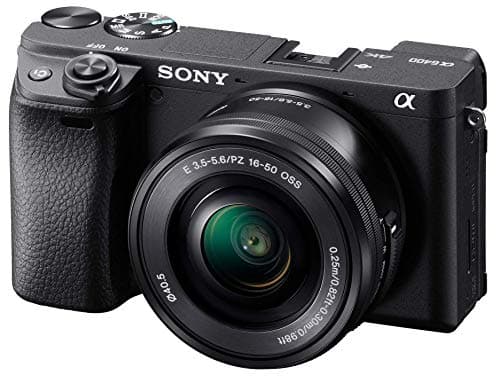
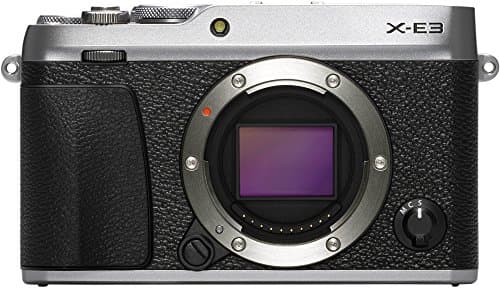
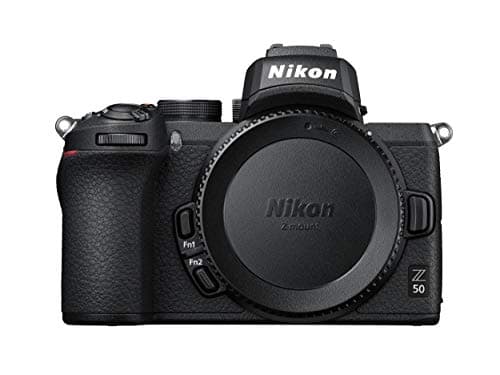
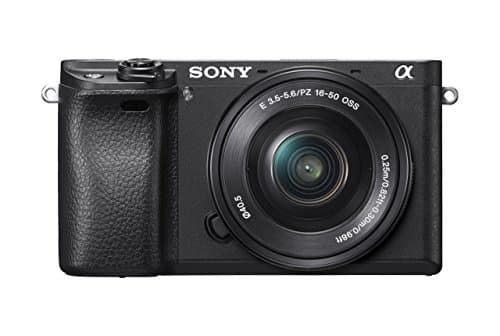
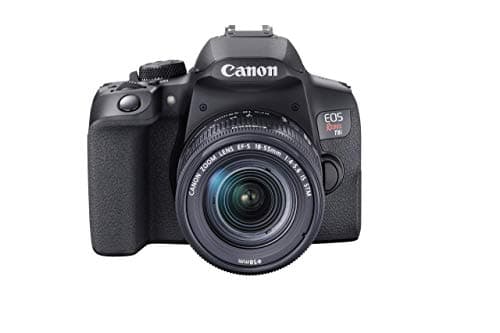
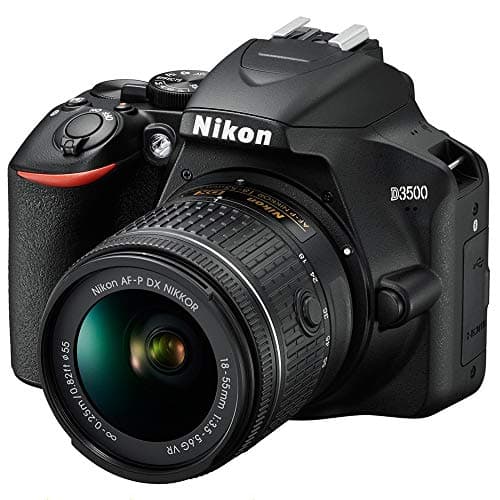
These are the best APS-C cameras for portrait photography, chosen for their ability to deliver sharp subject isolation, beautiful skin tones, and engaging performance that today’s portrait shooters demand. Portrait photography hinges on rendering expressive detail—whether in model beauty, environmental portraits, or candid expressions—making sensor quality, autofocus precision, and lens compatibility essential. APS-C cameras offer a striking mix of affordability, lightweight build, and professional image quality, ideal for both studio sessions and on-location work. Large sensors deliver flattering detail. The best APS-C cameras for portraits typically feature high-resolution sensors—like the Canon EOS R7’s 32.5 MP or Fujifilm X-T5’s 40 MP—that capture fine skin textures, subtle eye detail, and soft tonal transitions with clarity. These sensors provide enough resolution for printing large formats or cropping close-up shots without losing nuance or depth. Flattering color science and rich tone. A hallmark of great portraiture is pleasing color and skin tone. Fujifilm’s X-Trans sensors paired with Film Simulations such as Classic Chrome and Provia lend skin a natural warmth and depth, while maintaining vibrant earthy tones in hair, fabric, and backgrounds. Canon’s EOS R-series excels in realistic and smooth skin hues, with excellent highlight recovery and tonally rich renderings that flatter subjects across diverse lighting conditions. Fast, accurate autofocus locks in expression. Portrait shoots demand reliable autofocus—especially for fleeting expressions or moving subjects. Cameras like the Sony a6700 boast fast eye-detection AF that keeps focus sharp on the iris, while Canon’s Dual Pixel autofocus in the EOS R7 offers smooth, precise tracking for both stills and video. Fujifilm models combine face/eye detection with rapid single-shot response, ensuring expressive moments are captured crisply and consistently. Wide aperture lens performance for depth and bokeh. Depth of field control is critical in portraiture, and APS-C systems benefit from bright lenses that deliver dreamy backgrounds. Fujifilm’s X-mount has a strong lineup of fast primes—such as the XF 56mm f/1.2—known for their beautiful bokeh, while Sony’s E-mount and Canon’s RF-S/EOS R-S systems feature similarly fast 50mm–85mm options. These optics allow portable setups to rival full-frame blur and separation on a smaller, lighter scale. Stable shooting, even without a tripod. Cameras with in-body image stabilization (IBIS), like the Fujifilm X-T5 and X-S20 or Canon’s EOS R7, help keep handheld portraits sharp—especially in low-light or when shooting at 85mm–135mm equivalent focal lengths. This lets photographers rely less on fast shutter speeds or top-tier lighting setups, improving mobility and convenience during sessions. Elegant handling for studio and location. Ergonomics are key—grippy bodies, responsive control layouts, and lightweight builds make long portrait sessions easier. The Fujifilm X-T5 strikes a balance between heft and comfort, while the Canon EOS R7 and Sony a6700 offer compact mobility without sacrificing composure. Clean, tactile dials and intuitive menus help photographers focus on expression rather than settings. Expressive monochrome and creative modes. Many Fujifilm APS-C cameras allow instant, in-camera black-and-white portraits using Acros or Monochrome simulations, eliminating post-processing for stark, expressive shots. Sony offers S-Cinetone-style profiles for skin-friendly cinematic tones, and Canon’s Picture Styles let users fine-tune contrast and saturation to match portrait subject moods or artistic intent. Lens ecosystems that expand stylistic range. Portraiture often benefits from lens variety—from environmental 35mm frames to tight 85mm crops. APS-C systems provide broad ecosystem depth: Sony’s E-mount includes fast, affordable primes; Fujifilm’s well-regarded XF lenses pair performance with compactness; Canon’s R-series extends backward compatibility through adapters to EF-S glass—letting photographers mix new and legacy styles effortlessly. Seamless workflow with modern connectivity. Built-in Wi-Fi, Bluetooth, and USB-C facilitate instant image transfers, tethered shooting, and on-location proofing. Canon and Sony offer smartphone pairing and remote live view for client review, while Fujifilm features wireless control apps for creative framing. Easy wireless or wired options streamline portrait sessions and enhance client interactions. Whether you’re shooting formal headshots, candid lifestyle portraits, or creative editorial spreads, the best APS-C cameras for portrait photography bring clarity, style, and flexibility into your workflow. They combine lush image quality, smart autofocus, beautiful lenses, and practical design—empowering you to capture expressive moments with elegance and ease.
Cameras by brand:
Cameras by price:
Cameras by type:
Cameras by sensor:
- Best APS-C Cameras for Portrait Photography
- Best Full-Frame Cameras for Portrait Photography
- Best Medium Format Cameras for Portrait Photography
Best Micro Four Thirds Cameras for Portrait Photography
Cameras by feature:
Cameras by use case:
Best APS-C Cameras for Aerial Photography
Best APS-C Cameras for Architectural Photography
- Best APS-C Cameras for Astrophotography
Best APS-C Cameras for Automotive Photography
Best APS-C Cameras for Boudoir Photography
Best APS-C Cameras for Cityscape Photography
Best APS-C Cameras for Commercial Photography
Best APS-C Cameras for Concert Photography
Best APS-C Cameras for Corporate Photography
Best APS-C Cameras for Documentary Photography
Best APS-C Cameras for Editorial Photography
Best APS-C Cameras for Event Photography
Best APS-C Cameras for Fashion Photography
Best APS-C Cameras for Fine Art Photography
Best APS-C Cameras for Food Photography
Best APS-C Cameras for Headshot Photography
Best APS-C Cameras for Jewelry Photography
- Best APS-C Cameras for Landscape Photography
Best APS-C Cameras for Lifestyle Photography
Best APS-C Cameras for Macro Photography
Best APS-C Cameras for Medical Photography
Best APS-C Cameras for Newborn Photography
Best APS-C Cameras for Night Photography
Best APS-C Cameras for Pet Photography
Best APS-C Cameras for Photojournalism
- Best APS-C Cameras for Portrait Photography
Best APS-C Cameras for Product Photography
- Best APS-C Cameras for Real Estate Photography
Best APS-C Cameras for Sports Photography
Best APS-C Cameras for Still Life Photography
Best APS-C Cameras for Stock Photography
Best APS-C Cameras for Street Photography
Best APS-C Cameras for Studio Photography
- Best APS-C Cameras for Travel Photography
Best APS-C Cameras for Underwater Photography
Best APS-C Cameras for Weather Photography
- Best APS-C Cameras for Wedding Photography
- Best APS-C Cameras for Wildlife Photography
- Best APS-C Cameras for Video
Cameras by experience:
Cameras lenses: