
Best Zoom Lenses Under $500 in 2026
Filters:
* Product prices and availability are accurate as of the date/time indicated and are subject to change. Any price and availability information displayed on Amazon.com at the time of purchase will apply to the purchase of this product.
* Imaginated.com may receive compensation for purchases made at participating retailers linked on this site. This compensation does not affect what products or prices are displayed, or the order of prices listed. Learn more here.
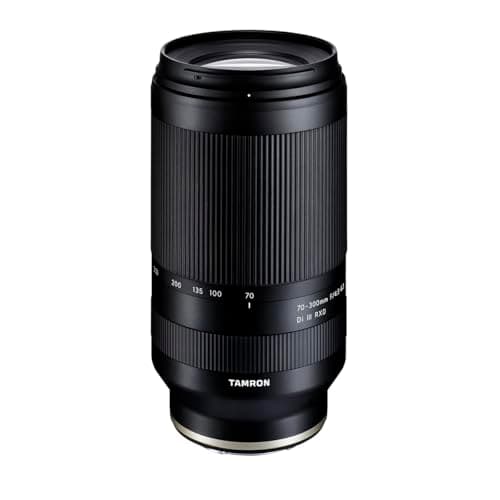
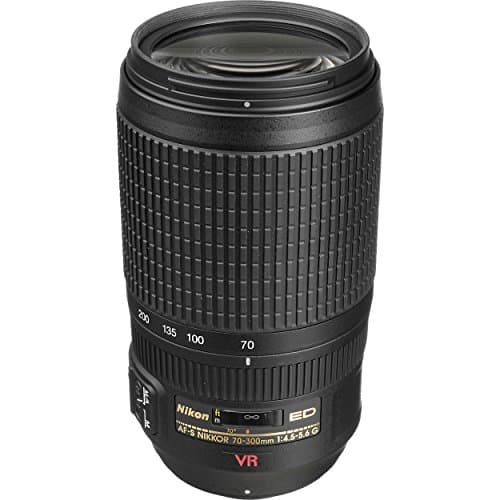
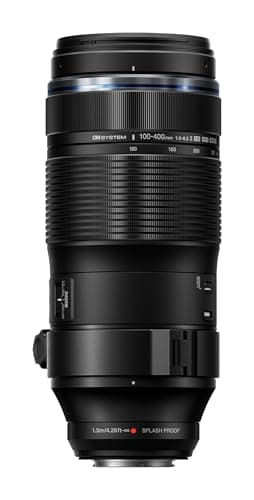
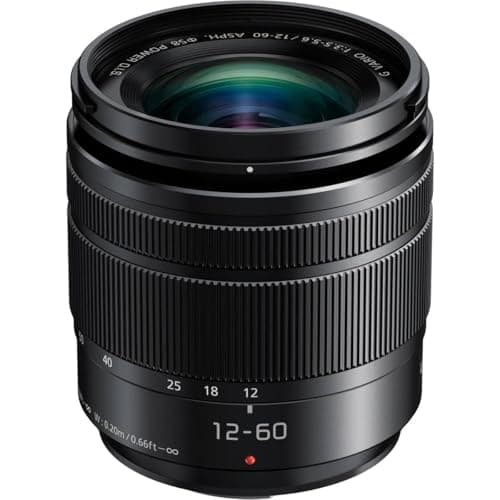
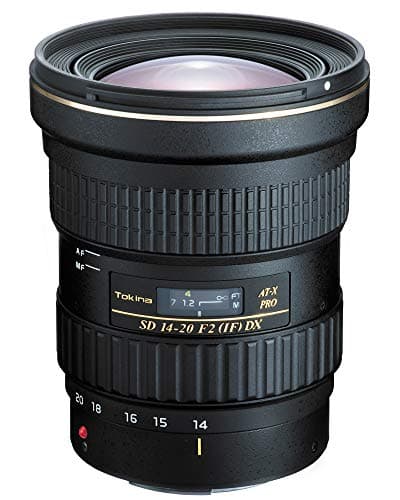
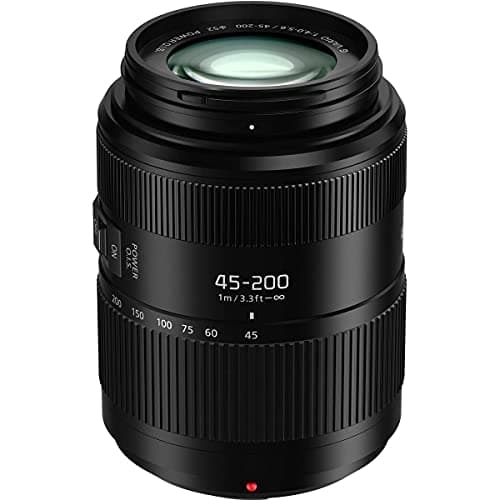
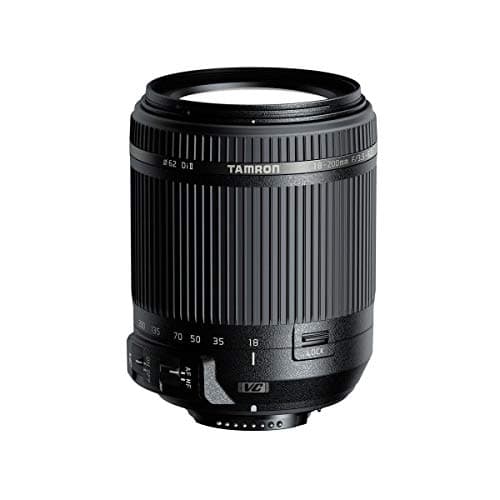
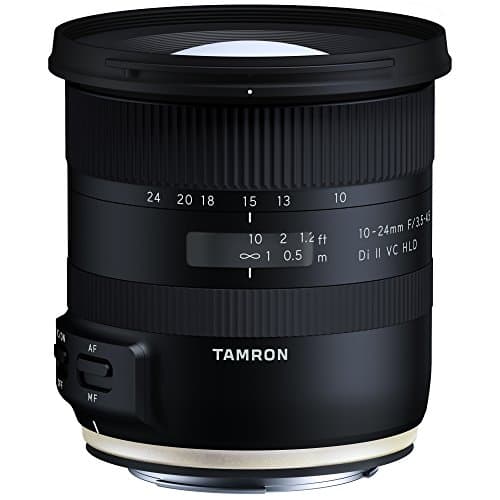
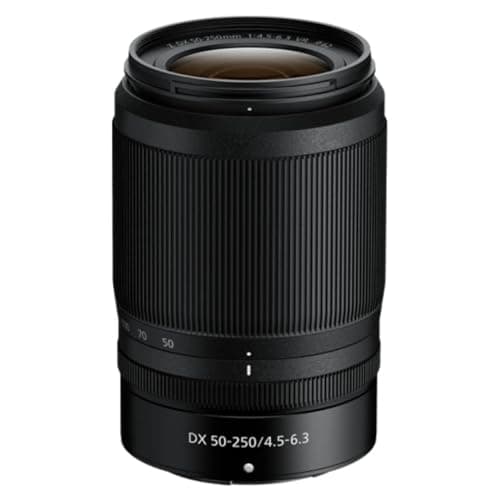
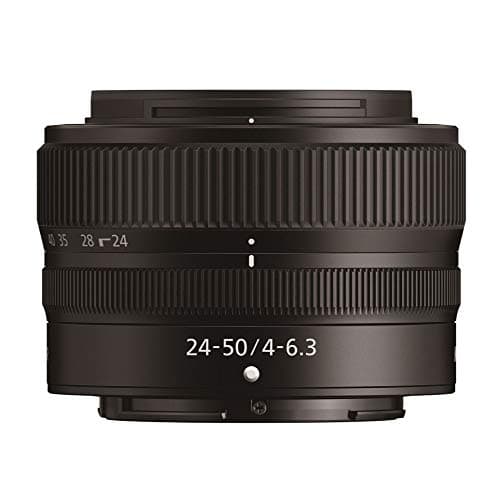
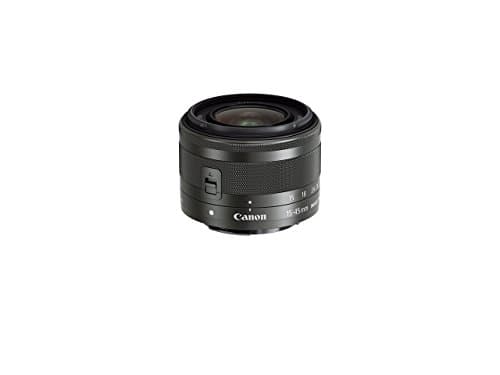
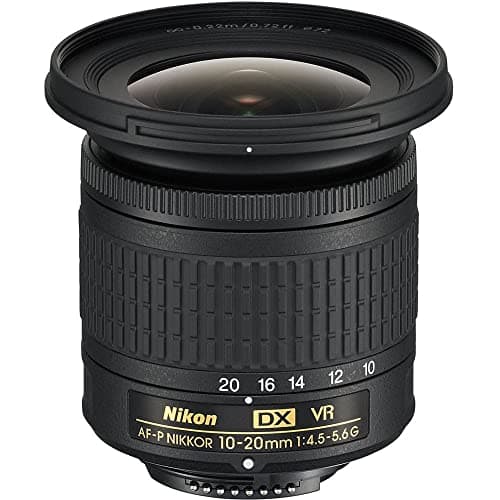
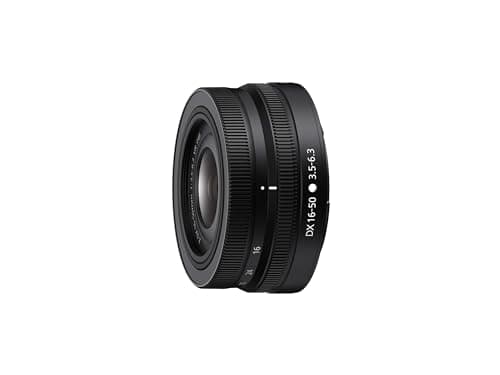
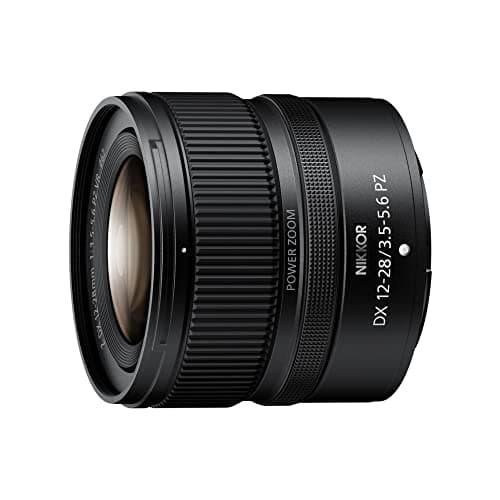
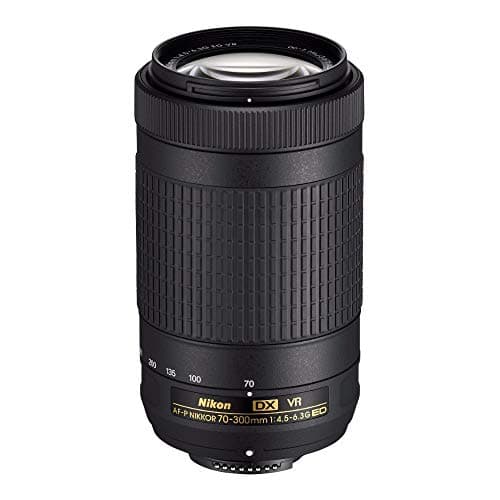
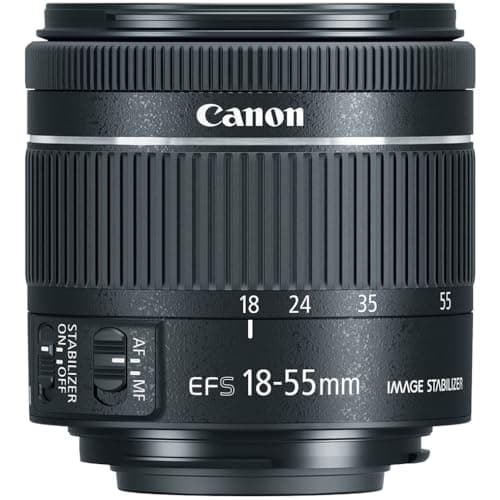
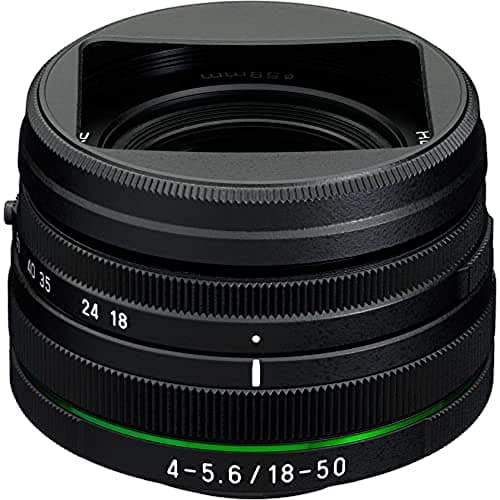
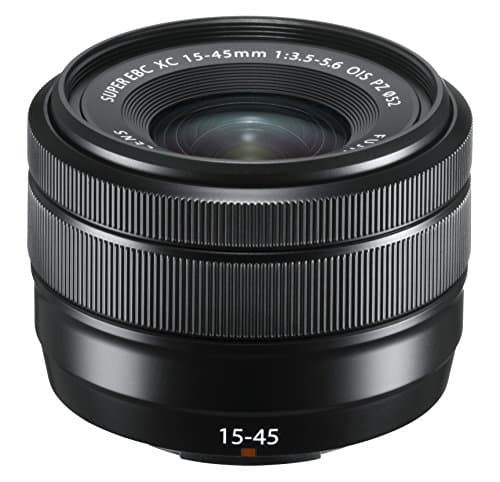
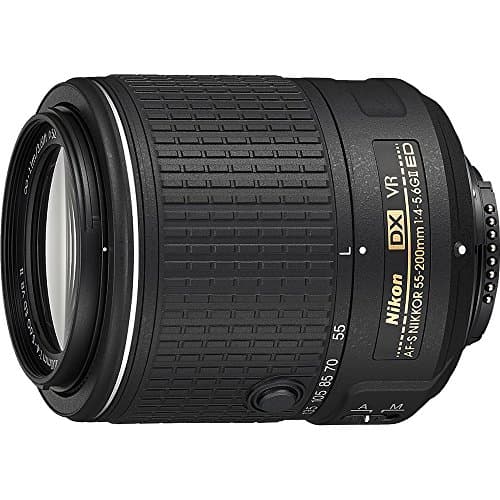
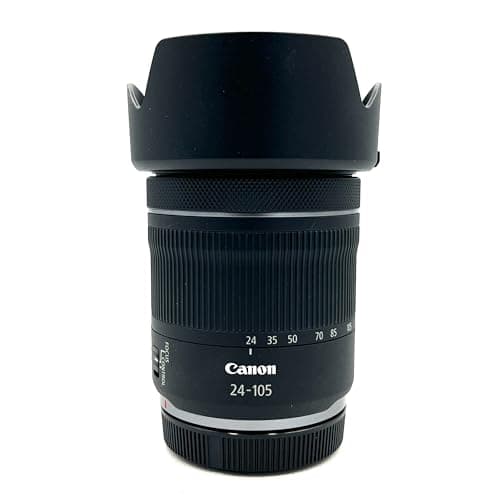
These are the best zoom lenses under $500 when you want real range, reliable AF, honest geometry, and strong value—whether you’re traveling light, shooting family, learning video, or building a budget kit—and here’s what to look for as you buy: prioritize compact size and weight (you’ll carry it more), rectilinear rendering with low distortion, effective stabilization (in-lens IS/OSS/VR or IBIS in body), decent close-focus for details, front threads for one VND/CPL (49–67–72mm common), and fast, quiet AF (linear/STM) if you film; at this price, variable apertures are normal—favor sharpness at practical ƒ5.6–ƒ8 and good coatings for backlight; stretch your dollars by considering refurbished/used from reputable sellers to dip into higher tiers while staying ≤$500. Full-frame value picks (often ≤$500 new or easily ≤$500 used/refurb): Sony FE 28–70mm ƒ3.5–5.6 OSS (light, stabilized walkaround), Sony FE 24–240mm ƒ3.5–6.3 (used—huge travel range), Tamron 70–300mm ƒ4.5–6.3 Di III RXD (Sony E; featherweight tele with crisp AF), Nikon Z 24–50mm ƒ4–6.3 (pancake-ish kit with tidy geometry), Nikon AF-P/AF-S 70–300mm VR (F-mount used + FTZ), Canon RF 24–105mm ƒ4–7.1 IS STM (shockingly useful starter), Canon EF 70–300mm IS II USM (used + EF-to-RF adapter), L-Mount APS-C users snag the Sigma 18–50mm ƒ2.8 DC DN (often at or just under $500—tiny, fast, sharp). APS-C standouts (new ≤$500 or well under used): Sony E 16–50mm PZ ƒ3.5–5.6 OSS (pocketable starter), E 18–135mm ƒ3.5–5.6 OSS (used—do-it-all range), E 55–210mm ƒ4.5–6.3 OSS (cheap reach), Sigma 18–50mm ƒ2.8 DC DN (Sony/Fuji/L—fast, tiny, excellent value), Tamron 17–70mm ƒ4 (older/used variants) or 70–300mm Di III RXD (Sony E) for budget tele, Fujifilm XC 15–45mm ƒ3.5–5.6 PZ (light with true wide start), XC 50–230mm ƒ4.5–6.7 OIS II (good reach), XF 55–200mm ƒ3.5–4.8 (used—great optics), Canon RF-S 18–45mm ƒ4.5–6.3 IS and RF-S 55–210mm ƒ5–7.1 IS (tiny stabilized pair), EF-S 10–18mm ƒ4.5–5.6 IS STM and 55–250mm ƒ4–5.6 IS STM (cheap used via EF-to-RF), Nikon Z DX 12–28mm PZ ƒ3.5–5.6 (ultrawide power zoom for video), Z DX 50–250mm ƒ4.5–6.3 VR (sharp budget tele), Z DX 16–50mm ƒ3.5–6.3 VR (pancake everyday). Micro Four Thirds picks (tiny, sharp, inexpensive): Olympus/OM SYSTEM 14–42mm EZ and 40–150mm ƒ4–5.6 R (featherweight duo), Panasonic 12–60mm ƒ3.5–5.6 (great travel range), Panasonic 35–100mm ƒ4–5.6 OIS and 45–150mm ƒ4–5.6 OIS (compact tele options), Olympus 12–50mm ƒ3.5–6.3 EZ (macro-ish close focus), and Panasonic 14–140mm ƒ3.5–5.6 (used—one-lens trip). Specialty/value wides under or near the cap (often used/refurb): Canon EF-S 10–18mm IS STM, Nikon AF-P 10–20mm VR, Sony E 10–18mm ƒ4 (used sneaks near $500), and Laowa/Samyang manual wides for creative budgets. Practical buyer tips: if you own IBIS, unstabilized zooms are fine for daylight but lens IS helps for video and dusk; standardize front diameters so one compact VND and a mild CPL handle everything (use CPL lightly on ultrawides to avoid blotchy skies); pick zooms that start truly wide on crop (10–12mm APS-C; 12mm MFT) if you shoot interiors/travel; for reach, 55–210/50–250 budget teles are better than cropping; don’t fear kit zooms—learn their sweet spots (often ~ƒ8 at mid-range) and add a fast prime later. Technique to punch above your budget: keep the camera roughly level for natural lines, favor mid focal lengths for people and extremes for drama, and add foreground anchors for depth; stop to ƒ5.6–ƒ8 for crispness, set a sensible shutter floor (1/125–1/250s for people; 1/500s+ for action), and use Auto-ISO with exposure comp to protect highlights; for low light, brace on walls, use burst to land a tack frame, and let ISO rise—clean exposure beats underexposed mush; for video, lock a 180° shutter with a small VND, use IBIS/IS + good handholding (heel-toe steps, brief holds), set slow AF transitions, and avoid fast zoom moves—cut between focal lengths instead; keep firmware current, micro-adjust your expectations (edge perfection costs more), and remember the best zoom under $500 is the one you’ll actually bring everywhere. Whether you’re building a first kit, traveling light, or adding budget reach and width, the best zoom lenses under $500 combine practical range, decent stabilization, and solid optical discipline—so your photos and clips look clean, steady, and far more expensive than the price tag.
Lenses by brand:
Lenses by price:
Lenses by type:
Lenses by sensor:
Lenses by feature:
Lenses by use case:
Lenses by experience:
Cameras: