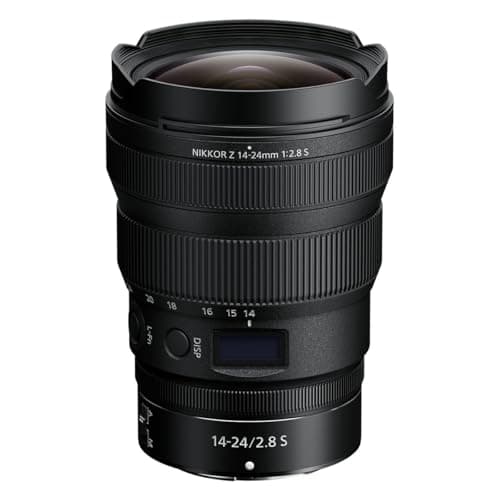
Nikon Nikkor Z 14-24mm F2.8 S❤️9.0K | Type
Focal Length14-24mmLens Mount
Features
| |
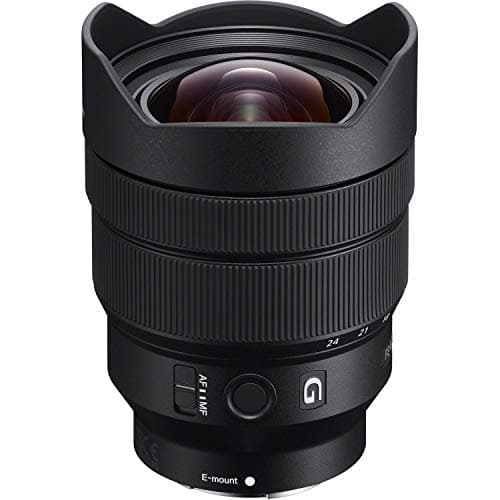
Sony FE 12-24mm F4 G❤️8.9K | Type
Focal Length12-24mmLens Mount
Features
|
Best Wide-Angle Lenses for Underwater Photography in 2025
* Product prices and availability are accurate as of the date/time indicated and are subject to change. Any price and availability information displayed on Amazon.com at the time of purchase will apply to the purchase of this product.
* Imaginated.com may receive compensation for purchases made at participating retailers linked on this site. This compensation does not affect what products or prices are displayed, or the order of prices listed. Learn more here.
These are the best wide-angle lenses for underwater photography when you want crisp corners behind a dome, punchy color in blue/green water, fast and reliable AF on moving subjects, and flare control for sunballs—whether you’re shooting reefs, wrecks, kelp forests, or big animals—and here’s what to look for as you buy: prioritize optics that play well with domes or water-contact front elements, close-focus ability (to minimize water column), rectilinear vs fisheye rendering depending on subject (fisheye for CFWA and big animals, rectilinear for wreck lines and people), strong edge performance at working apertures (often ƒ8–ƒ13 underwater), coatings that resist veiling flare, minimal focus breathing for video, and housing support (zoom gears, focus gears, correct extension rings and dome size—180/200/230 mm for rectilinears; mini-domes for compact fisheye rigs). Full-frame fisheye heroes (CFWA champs): Canon 8–15mm ƒ4L Fisheye (adaptable on RF), Nikon 8–15mm ƒ3.5–4.5E, Sigma 15mm ƒ2.8 Fisheye, and Sony FE 28mm ƒ2 paired with a water-contact converter like Nauticam WWL-1B/WWL-C for rectilinear-ish look with excellent corners and close focus; for premium rectilinear behind large domes, Sony FE 16–35mm ƒ2.8 GM II, Nikon Z 14–24mm ƒ2.8 S, Canon RF 15–35mm ƒ2.8L IS, and Sigma 14–24mm ƒ2.8 DG DN Art deliver when matched to the right 200–230 mm dome and extension—stop down for disciplined edges and use correct port charts. Water-contact “wet” wide masters (optical designs for seawater interface, stellar corners and near-zero distortion when assembled right): Nauticam WACP-1/WACP-C paired with 28–70/28–60 kit zooms (FF) for stunning sharpness and close-focus, WWL-1B/WWL-C with 24–28 mm class primes/zooms (FF/APS-C), AOI UWL-09 and Inon UWL-H100/UWL-95 series for compact and mirrorless housings—these let you switch between macro and wide in a dive by swapping front optics. APS-C standouts: Tokina 10–17mm ƒ3.5–4.5 Fisheye (legendary flexibility with mini-domes), Sony E 10–18mm ƒ4 (rectilinear with big dome), Sigma 10–20mm and 8–16mm (rectilinear options with careful porting), Canon EF-S 10–18mm (great value with proper dome), and Sony E 16–50/28–60 with WWL-C for travel-light rigs. Micro Four Thirds stars: OM SYSTEM 8mm ƒ1.8 Fisheye Pro (sharp, close-focus CFWA beast), Olympus 7–14mm ƒ2.8 Pro and Panasonic 8–18mm ƒ2.8–4 (rectilinear with 180–200 mm domes), Panasonic Leica 10–25mm ƒ1.7 or 12–60 with WWL-C for convertible macro-to-wide days. Compact camera combos that punch above their size: Sony RX100/Canon G7X in Nauticam/Fantasea housings with wet wides (WWL-C, AOI UWL-09, Inon UWL-H100) for real-world corner quality and flexible field of view. Practical buyer tips: dome size and extension rings are everything—follow your housing maker’s port charts religiously; if you shoot rectilinear, budget for a 200–230 mm dome and correct extension to tame corner softness; fisheyes tolerate smaller domes and focus closer for dramatic CFWA; water-contact optics (WACP/WWL) often out-resolve traditional dome setups underwater and let you get closer (less backscatter, richer color); standardize gear sets (zoom gears, flip adapters) for quick swaps, and choose lenses with fast, quiet AF for schooling fish and sea lions; for video, test breathing and AF smoothness, consider linear MF, and use internal focus lenses that balance on your rig. Field technique that keeps underwater frames clean and vivid: get close—then get closer—to cut haze and backscatter; angle strobes outward and slightly behind dome edges to avoid lighting the particulate, and keep strobes wide for fisheye coverage; shoot upward for blue water backgrounds, guard the dome with a neoprene shade from sunball ghosts, and stop to ƒ8–ƒ13 for tidy corners (ISO up as needed); for wreck lines, use rectilinear at 16–20 mm behind a big dome and keep the camera level to preserve straight bulkheads; for CFWA, press fisheye/WWL right in—focus on a near subject and let the reef roll into blue; lock WB for ambient blends, run faster shutters for sunball texture (1/160–1/250s at sync), and use vacuum leak checks, anti-fog inserts, and meticulous fresh-water rinses post-dive; for split-shots (over/under), pick a large dome, shoot at ƒ11+, and mind horizon placement. Whether you’re framing shy turtles, fast pelagics, cathedral-light caverns, or coral gardens inches from the glass, the best wide-angle lenses for underwater photography pair the right optics with the right dome or wet converter—so your edges stay crisp, your colors stay saturated, and your stories feel immersive from reef to surface.
Lenses by brand:
Lenses by price:
Lenses by type:
Lenses by sensor:
Lenses by feature:
Lenses by use case:
- Best Wide-Angle Lenses for Architectural Photography
- Best Wide-Angle Lenses for Astrophotography
- Best Wide-Angle Lenses for Automotive Photography
- Best Wide-Angle Lenses for Cityscape Photography
- Best Wide-Angle Lenses for Concert Photography
- Best Wide-Angle Lenses for Event Photography
- Best Wide-Angle Lenses for Fashion Photography
- Best Wide-Angle Lenses for Food Photography
- Best Wide-Angle Lenses for Landscape Photography
- Best Wide-Angle Lenses for Macro Photography
- Best Wide-Angle Lenses for Nature Photography
- Best Wide-Angle Lenses for Night Photography
- Best Wide-Angle Lenses for Pet Photography
- Best Wide-Angle Lenses for Photojournalism
- Best Wide-Angle Lenses for Portrait Photography
- Best Wide-Angle Lenses for Product Photography
- Best Wide-Angle Lenses for Real Estate Photography
- Best Wide-Angle Lenses for Sports Photography
- Best Wide-Angle Lenses for Street Photography
- Best Wide-Angle Lenses for Travel Photography
- Best Wide-Angle Lenses for Underwater Photography
- Best Wide-Angle Lenses for Wedding Photography
- Best Wide-Angle Lenses for Wildlife Photography
- Best Wide-Angle Lenses for Video
Lenses by experience:
Cameras:
Filtered By:
Image | Name | Type | Focal Length | Lens Mount | Features | Price |
|---|---|---|---|---|---|---|
Nikon Nikkor Z 14-24mm F2.8 S❤️ 9.0K |
| 14-24mm |
|
| Price Updated from Amazon: 11-02-2025 | |
Image | Name | Type | Focal Length | Lens Mount | Features | Price |
Sony FE 12-24mm F4 G❤️ 8.9K |
| 12-24mm |
|
| Price Updated from Amazon: 11-02-2025 |
Best Wide-Angle Lenses for Underwater Photography in 2025
* Product prices and availability are accurate as of the date/time indicated and are subject to change. Any price and availability information displayed on Amazon.com at the time of purchase will apply to the purchase of this product.
* Imaginated.com may receive compensation for purchases made at participating retailers linked on this site. This compensation does not affect what products or prices are displayed, or the order of prices listed. Learn more here.
These are the best wide-angle lenses for underwater photography when you want crisp corners behind a dome, punchy color in blue/green water, fast and reliable AF on moving subjects, and flare control for sunballs—whether you’re shooting reefs, wrecks, kelp forests, or big animals—and here’s what to look for as you buy: prioritize optics that play well with domes or water-contact front elements, close-focus ability (to minimize water column), rectilinear vs fisheye rendering depending on subject (fisheye for CFWA and big animals, rectilinear for wreck lines and people), strong edge performance at working apertures (often ƒ8–ƒ13 underwater), coatings that resist veiling flare, minimal focus breathing for video, and housing support (zoom gears, focus gears, correct extension rings and dome size—180/200/230 mm for rectilinears; mini-domes for compact fisheye rigs). Full-frame fisheye heroes (CFWA champs): Canon 8–15mm ƒ4L Fisheye (adaptable on RF), Nikon 8–15mm ƒ3.5–4.5E, Sigma 15mm ƒ2.8 Fisheye, and Sony FE 28mm ƒ2 paired with a water-contact converter like Nauticam WWL-1B/WWL-C for rectilinear-ish look with excellent corners and close focus; for premium rectilinear behind large domes, Sony FE 16–35mm ƒ2.8 GM II, Nikon Z 14–24mm ƒ2.8 S, Canon RF 15–35mm ƒ2.8L IS, and Sigma 14–24mm ƒ2.8 DG DN Art deliver when matched to the right 200–230 mm dome and extension—stop down for disciplined edges and use correct port charts. Water-contact “wet” wide masters (optical designs for seawater interface, stellar corners and near-zero distortion when assembled right): Nauticam WACP-1/WACP-C paired with 28–70/28–60 kit zooms (FF) for stunning sharpness and close-focus, WWL-1B/WWL-C with 24–28 mm class primes/zooms (FF/APS-C), AOI UWL-09 and Inon UWL-H100/UWL-95 series for compact and mirrorless housings—these let you switch between macro and wide in a dive by swapping front optics. APS-C standouts: Tokina 10–17mm ƒ3.5–4.5 Fisheye (legendary flexibility with mini-domes), Sony E 10–18mm ƒ4 (rectilinear with big dome), Sigma 10–20mm and 8–16mm (rectilinear options with careful porting), Canon EF-S 10–18mm (great value with proper dome), and Sony E 16–50/28–60 with WWL-C for travel-light rigs. Micro Four Thirds stars: OM SYSTEM 8mm ƒ1.8 Fisheye Pro (sharp, close-focus CFWA beast), Olympus 7–14mm ƒ2.8 Pro and Panasonic 8–18mm ƒ2.8–4 (rectilinear with 180–200 mm domes), Panasonic Leica 10–25mm ƒ1.7 or 12–60 with WWL-C for convertible macro-to-wide days. Compact camera combos that punch above their size: Sony RX100/Canon G7X in Nauticam/Fantasea housings with wet wides (WWL-C, AOI UWL-09, Inon UWL-H100) for real-world corner quality and flexible field of view. Practical buyer tips: dome size and extension rings are everything—follow your housing maker’s port charts religiously; if you shoot rectilinear, budget for a 200–230 mm dome and correct extension to tame corner softness; fisheyes tolerate smaller domes and focus closer for dramatic CFWA; water-contact optics (WACP/WWL) often out-resolve traditional dome setups underwater and let you get closer (less backscatter, richer color); standardize gear sets (zoom gears, flip adapters) for quick swaps, and choose lenses with fast, quiet AF for schooling fish and sea lions; for video, test breathing and AF smoothness, consider linear MF, and use internal focus lenses that balance on your rig. Field technique that keeps underwater frames clean and vivid: get close—then get closer—to cut haze and backscatter; angle strobes outward and slightly behind dome edges to avoid lighting the particulate, and keep strobes wide for fisheye coverage; shoot upward for blue water backgrounds, guard the dome with a neoprene shade from sunball ghosts, and stop to ƒ8–ƒ13 for tidy corners (ISO up as needed); for wreck lines, use rectilinear at 16–20 mm behind a big dome and keep the camera level to preserve straight bulkheads; for CFWA, press fisheye/WWL right in—focus on a near subject and let the reef roll into blue; lock WB for ambient blends, run faster shutters for sunball texture (1/160–1/250s at sync), and use vacuum leak checks, anti-fog inserts, and meticulous fresh-water rinses post-dive; for split-shots (over/under), pick a large dome, shoot at ƒ11+, and mind horizon placement. Whether you’re framing shy turtles, fast pelagics, cathedral-light caverns, or coral gardens inches from the glass, the best wide-angle lenses for underwater photography pair the right optics with the right dome or wet converter—so your edges stay crisp, your colors stay saturated, and your stories feel immersive from reef to surface.
Lenses by brand:
Lenses by price:
Lenses by type:
Lenses by sensor:
Lenses by feature:
Lenses by use case:
- Best Wide-Angle Lenses for Architectural Photography
- Best Wide-Angle Lenses for Astrophotography
- Best Wide-Angle Lenses for Automotive Photography
- Best Wide-Angle Lenses for Cityscape Photography
- Best Wide-Angle Lenses for Concert Photography
- Best Wide-Angle Lenses for Event Photography
- Best Wide-Angle Lenses for Fashion Photography
- Best Wide-Angle Lenses for Food Photography
- Best Wide-Angle Lenses for Landscape Photography
- Best Wide-Angle Lenses for Macro Photography
- Best Wide-Angle Lenses for Nature Photography
- Best Wide-Angle Lenses for Night Photography
- Best Wide-Angle Lenses for Pet Photography
- Best Wide-Angle Lenses for Photojournalism
- Best Wide-Angle Lenses for Portrait Photography
- Best Wide-Angle Lenses for Product Photography
- Best Wide-Angle Lenses for Real Estate Photography
- Best Wide-Angle Lenses for Sports Photography
- Best Wide-Angle Lenses for Street Photography
- Best Wide-Angle Lenses for Travel Photography
- Best Wide-Angle Lenses for Underwater Photography
- Best Wide-Angle Lenses for Wedding Photography
- Best Wide-Angle Lenses for Wildlife Photography
- Best Wide-Angle Lenses for Video
Lenses by experience:
Cameras: