
10 Best Telephoto Lenses for Nature Photography in 2026
Filters:
Name | Features | Price |
|---|---|---|
Nikon Z 180-600mm F5.6-6.3 VR⭐ 4.9 / 5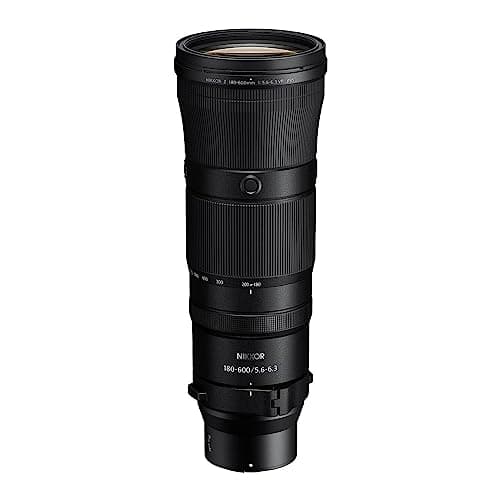 |
* Product prices and availability are accurate as of the date/time indicated and are subject to change. Any price and availability information displayed on Amazon.com at the time of purchase will apply to the purchase of this product.
* Imaginated.com may receive compensation for purchases made at participating retailers linked on this site. This compensation does not affect what products or prices are displayed, or the order of prices listed. Learn more here.
These are the best telephoto lenses for nature photography when you want sticky AF, honest long-end sharpness, weather-ready build, and rich micro-contrast for wildlife, birds, distant peaks, forest layers, waterfalls, flora details, and atmospheric tele-scapes—without lugging a tripod everywhere—and here’s what to look for as you buy: prioritize effective optical stabilization (VR/IS/OSS/OIS) with clean IBIS pairing, fast linear/USM/LM/STM motors for tracking, low distortion and strong flare control for sun-in-frame scenes, good close-focus for flowers and textures, internal zoom/focus for balance in wind and dust, teleconverter compatibility for seasonal reach, and fluorine-coated fronts for rain and spray; pick range by subject—70–200mm for compressed landscapes and larger mammals, 100–400mm for everyday wildlife/peaks, and 180/200–600mm (or 150–600mm) when birds or distant elk rule. Full-frame standouts: Sony FE 70–200mm ƒ2.8 GM II (light, blazing AF), FE 70–200mm ƒ4 G II (macro-ish close focus for flowers), FE 100–400mm GM (crisp long end), FE 200–600mm G (internal zoom, hike-able reach), Sigma 100–400mm ƒ5–6.3 DG DN OS (light “mini-wildlife” value), Sigma 150–600mm DG DN Sports (long, stabilized), and Sony PF-style light primes like FE 300/2.8 GM if budget stretches; Canon RF 70–200mm ƒ2.8L/ƒ4L IS (tiny, weather-sealed), RF 100–500mm ƒ4.5–7.1L IS (versatile, TC-friendly at the long end), RF 200–500mm ƒ4L IS (speed + reach for action), RF 600mm ƒ11 and 800mm ƒ11 (featherweight long primes for bright days), plus adapted EF 100–400mm II and EF 300/400/500 PF-era super-teles for value; Nikon Z 70–200mm ƒ2.8 S (stellar corners/VR), Z 100–400mm ƒ4.5–5.6 S (fast AF, TC-ready), Z 180–600mm ƒ5.6–6.3 (internal zoom, weather-tough), featherweight PF primes Z 400mm ƒ4.5 VR S and Z 600mm ƒ6.3 VR S (carry-all-day reach), and adapted F-mount 300mm ƒ4 PF / 500mm ƒ5.6 PF for hikers; L-mount: Panasonic S 70–200mm ƒ2.8 OIS and S 70–300mm ƒ4.5–5.6 OIS (close-focus champs), Sigma 100–400mm DG DN OS and 150–600mm DG DN Sports (balanced long options). APS-C and Micro Four Thirds winners: Sony E 70–350mm ƒ4.5–6.3 G OSS (sharp, stabilized, great for trails), Fujifilm XF 70–300mm ƒ4–5.6 OIS (light, TC-friendly), XF 100–400mm ƒ4.5–5.6 OIS (serious reach), XF 50–140mm ƒ2.8 OIS (compressed landscapes and larger fauna), Canon RF-S 55–210mm IS STM (compact starter), Nikon Z DX 50–250mm VR (punchy long end); Micro Four Thirds: OM SYSTEM 40–150mm ƒ2.8 PRO / ƒ4 PRO (weather-sealed, crisp), M.Zuiko 300mm ƒ4 IS PRO (legendary handholdable prime), OM SYSTEM 100–400mm ƒ5–6.3 IS and Panasonic/Leica 100–400mm (huge EFL reach in backpack size). Practical buyer tips: choose a 70–200mm if you love layered mountains, waterfalls, and larger animals; a 100–400mm is the all-day nature sweet spot for parks and coasts; step to 180/200–600 or 150–600 when birds/small wildlife dominate; internal-zoom designs (Sony 200–600, Nikon 180–600) handle wind/dust and balance on gimbals; confirm TC support and AF performance; standardize filter diameters for one CPL (use lightly on foliage/water) and ND/grad set; used EF/F-mount 70–200 ƒ4 IS, 100–400 II, and PF primes remain budget-savvy nature tools via adapters. Nature tele shooting tips: run AF-C with subject/eye detect and a limiter, keep shutter speeds honest (≈1/(focal length × crop) for static scenes; 1/1000–1/2000s for birds-in-flight), shoot near wide open then stop 1/3–2/3 stop for extra bite, brace on trees/rocks or use a monopod, fire short bursts to beat micro-shake, watch heat shimmer over long distances (shorten distance or shoot earlier/later rather than just zooming), manage backlight—use a hood and slight angle to preserve micro-contrast, and expose for highlights on water/feathers; for compressed landscapes, lock on a sturdy tripod, mid apertures (≈ƒ5.6–ƒ8 FF), electronic first curtain/2–5s timer, and consider stitched panos at 100–200mm for huge detail; respect wildlife ethics—keep distance, avoid nesting areas, and leave no trace—so your nature images come back sharp, steady, and beautifully alive.
Lenses by brand:
Lenses by price:
Lenses by type:
Lenses by sensor:
Lenses by feature:
Lenses by use case:
- Best Telephoto Lenses for Aerial Photography
- Best Telephoto Lenses for Architectural Photography
- Best Telephoto Lenses for Astrophotography
- Best Telephoto Lenses for Automotive Photography
- Best Telephoto Lenses for Bird Photography
- Best Telephoto Lenses for Cityscape Photography
- Best Telephoto Lenses for Concert Photography
- Best Telephoto Lenses for Fashion Photography
- Best Telephoto Lenses for Food Photography
- Best Telephoto Lenses for Headshot Photography
- Best Telephoto Lenses for Landscape Photography
- Best Telephoto Lenses for Macro Photography
- Best Telephoto Lenses for Nature Photography
- Best Telephoto Lenses for Night Photography
- Best Telephoto Lenses for Portrait Photography
- Best Telephoto Lenses for Product Photography
- Best Telephoto Lenses for Sports Photography
- Best Telephoto Lenses for Street Photography
- Best Telephoto Lenses for Travel Photography
- Best Telephoto Lenses for Wedding Photography
- Best Telephoto Lenses for Wildlife Photography
- Best Telephoto Lenses for Video
Lenses by experience:
Cameras: