
* Product prices and availability are accurate as of the date/time indicated and are subject to change. Any price and availability information displayed on Amazon.com at the time of purchase will apply to the purchase of this product.
* Imaginated.com may receive compensation for purchases made at participating retailers linked on this site. This compensation does not affect what products or prices are displayed, or the order of prices listed. Learn more here.
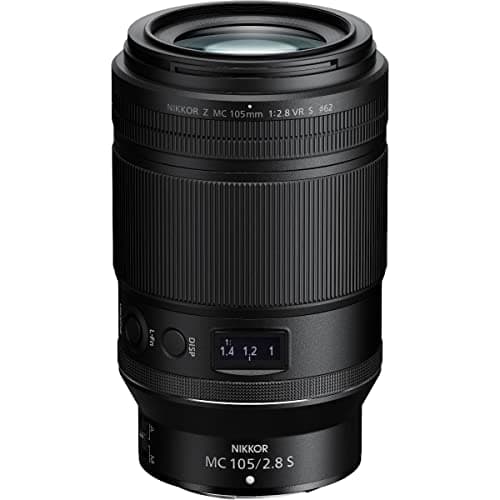
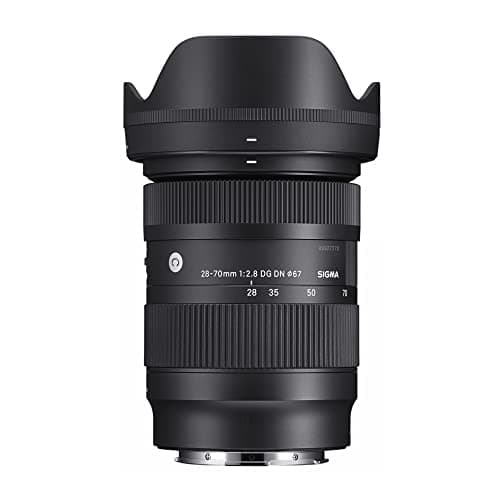
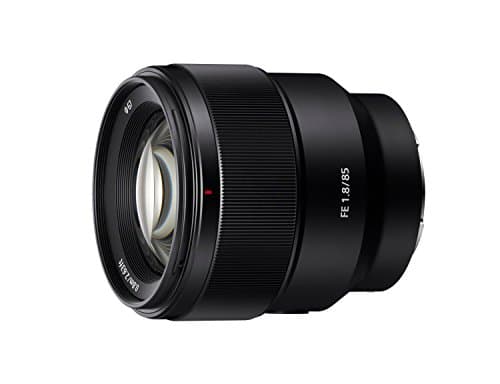
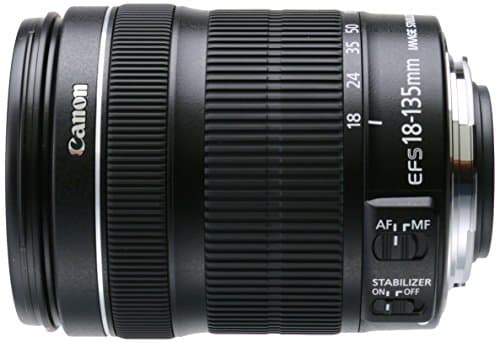
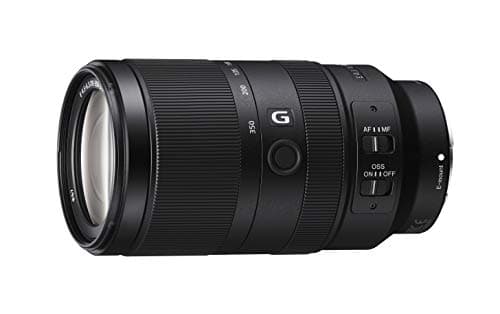
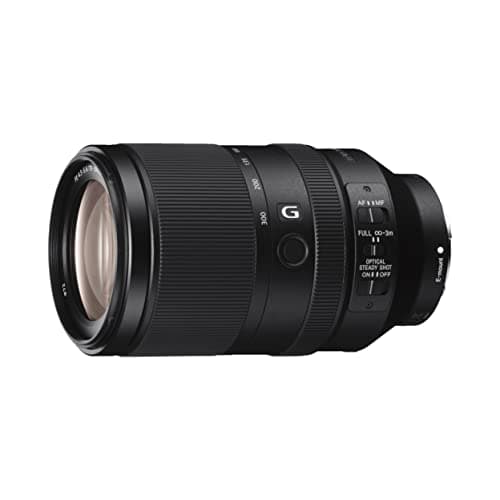
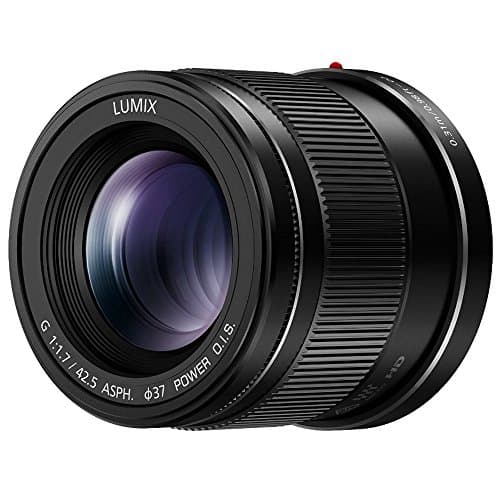
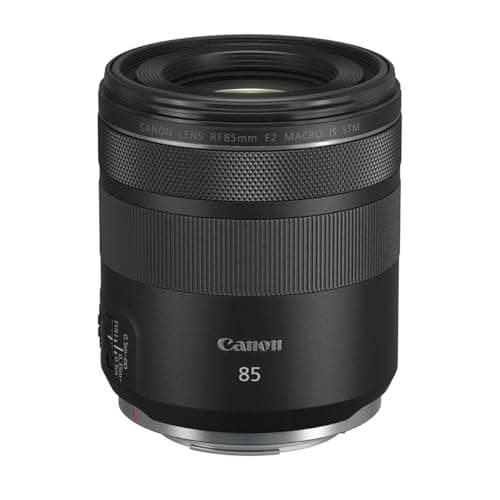
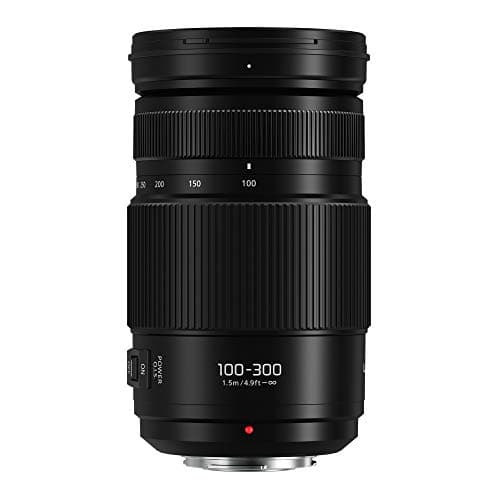
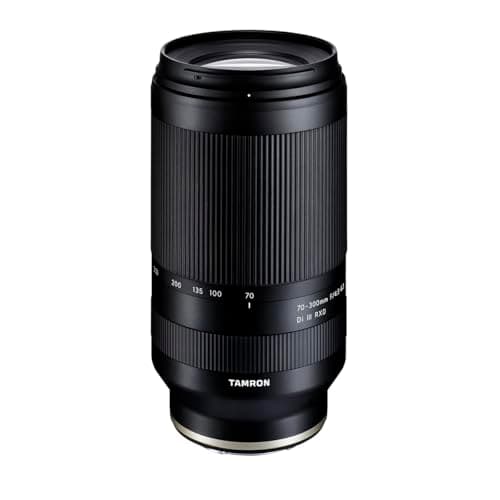
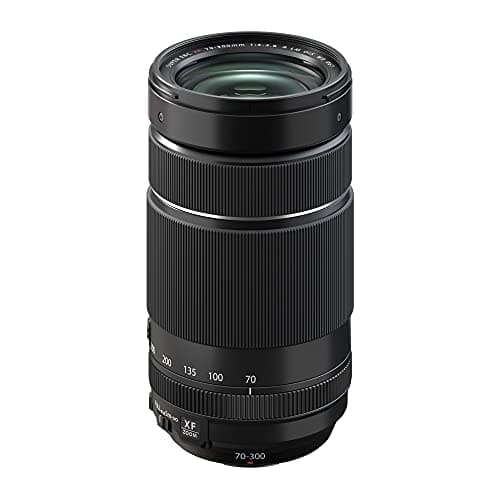
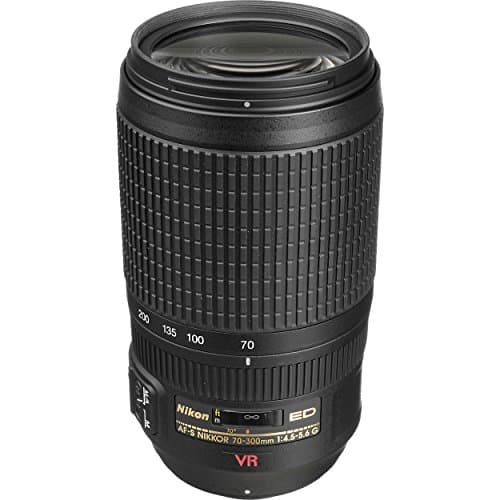
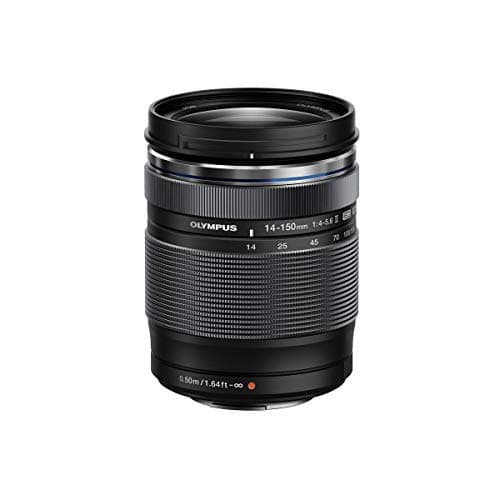
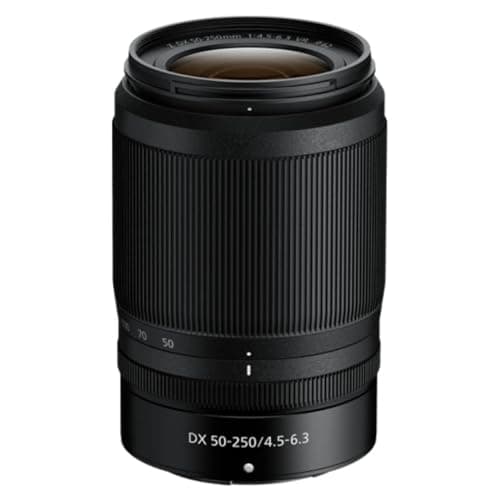
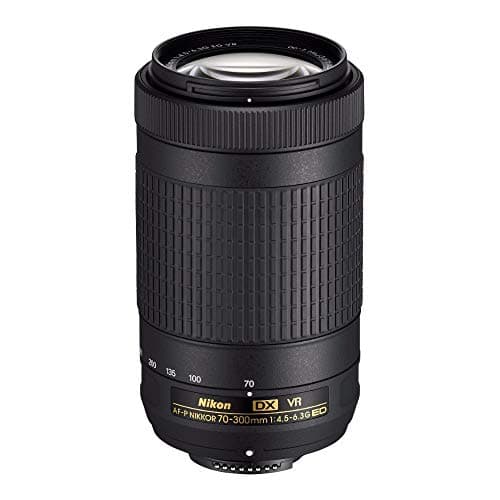
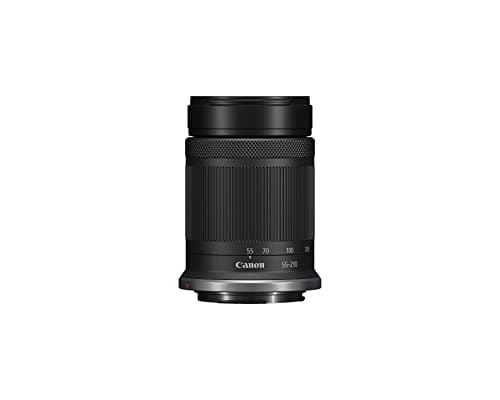
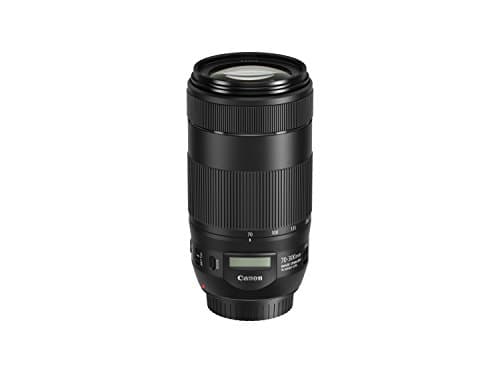
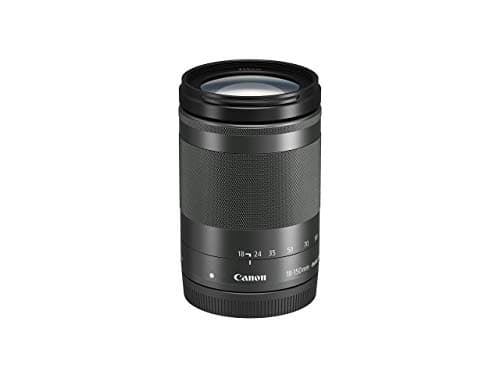
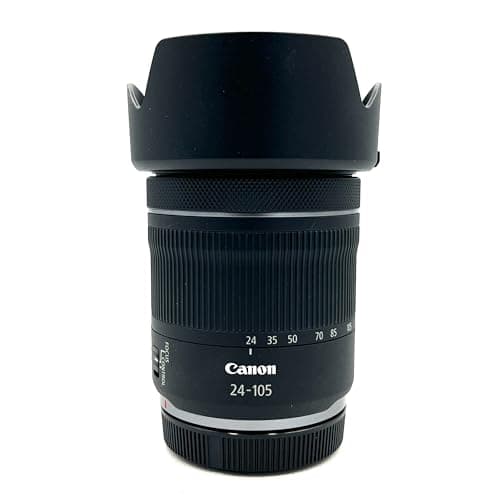
These are the best telephoto lenses for beginners when you want real reach, fast and reliable autofocus, and steady handheld shots for wildlife, sports, portraits, travel candids, and city layers—without overspending or carrying a boat anchor—and here’s what to look for as you buy: prioritize optical stabilization (VR/IS/OSS/OIS) or strong IBIS pairing, quick stepping/linear AF motors, honest sharpness at the long end (many budget teles soften past 250–300mm), light weight so you’ll actually bring it, and decent close-focus for details; start with ranges that cover everyday needs—55/70–200/210/250mm for compact kits, 70–300/100–400mm for parks and daylight sports—and don’t ignore used DSLR glass via adapters for huge value. Easy full-frame picks that stay friendly to learn on: Sony FE 70–300mm ƒ4.5–5.6 (solid OSS and reach), Tamron 70–300mm ƒ4.5–6.3 Di III RXD (featherweight, sharp for the price), Sigma 100–400mm ƒ5–6.3 DG DN OS (longer reach without huge weight), Sony FE 70–200mm ƒ4 G II (compact with great AF); Canon RF 100–400mm ƒ5.6–8 IS (shockingly good for cost/weight), RF 70–200mm ƒ4L IS (tiny travel tele), and adapted EF 70–200mm ƒ4L IS II or EF 70–300mm IS II (budget kings with fast AF); Nikon Z 70–180mm ƒ2.8 (compact constant-aperture value), Z 70–200mm ƒ4/ƒ2.8 if you’ll grow into pro work, Z 100–400mm ƒ4.5–5.6 S if budget allows, and adapted F-mount AF-P 70–300mm VR (light, snappy, cheap used). APS-C beginner winners (small, stabilized, and sharp enough): Sony E 70–350mm ƒ4.5–6.3 G OSS (best balance of reach/weight), Sony 55–210mm OSS (starter tele that’s super light), Sigma 56mm ƒ1.4 DC DN (short-tele portrait magic); Canon RF-S 55–210mm IS STM (tiny, stabilized, perfect for parks), plus RF 85mm ƒ2 Macro IS on R bodies when you want brighter portraits; Nikon Z DX 50–250mm ƒ4.5–6.3 VR (kit sleeper—sharp, steady), Fujifilm XC 50–230mm ƒ4.5–6.7 OIS II (light and affordable), XF 55–200mm ƒ3.5–4.8 OIS (great used buy), and XF 70–300mm ƒ4–5.6 OIS (longer reach with TC option). Micro Four Thirds pocket tele champs: OM SYSTEM 40–150mm ƒ4 PRO (featherweight, weather-sealed), 40–150mm ƒ4–5.6 R (ultra-budget starter), Panasonic 35–100mm ƒ2.8 II OIS (small and bright), and Panasonic/Leica 100–400mm for huge effective reach when you’re ready. Prime options for simple portrait excellence: Sony FE 85mm ƒ1.8, Canon RF 85mm ƒ2 Macro IS, Nikon Z 85mm ƒ1.8 S, Fujifilm XF 90mm ƒ2, Sigma 56mm ƒ1.4 DC DN (APS-C)—all easy to use and deliver creamy backgrounds. Practical buyer tips: pick a stabilized 55/70–200/210/250 if you want the smallest everyday tele, step to a 70–300 or 100–400 for wildlife/airshows, and add an 85/90/100mm prime for low-light portraits; favor newer AF motors (STM/AF-P/RXD/LM) for better tracking, standardize filter sizes with a slim step-up ring for one CPL/ND, and buy used “kit pulls” or last-gen DSLR lenses for huge savings—glass holds value far better than bodies. Beginner tele shooting tips: set AF-C with subject/eye detection and a focus limiter if available, use Auto-ISO with a minimum shutter (≈1/(focal length × crop) for static subjects; 1/1000s+ for action), shoot near wide open then stop 1/3–2/3 stop for extra bite, brace elbows or use a cheap monopod, fire short bursts to beat micro-shake, mind backgrounds—move a step for clean color fields—and watch heat shimmer at long distances (closer vantage beats more zoom); for portraits, expose for faces and let highlights clip gracefully; for video, follow the 180° shutter rule, pair OIS with IBIS/electronic IS, and choose lenses with low breathing; as you grow, you can add teleconverters or step into internal-zoom 180/200–600mm designs for wildlife; the best beginner telephoto lenses combine stabilization, responsive AF, and manageable size—so your faraway moments come back sharp, steady, and confidence-boosting from day one.
Lenses by brand:
Lenses by price:
Lenses by type:
Lenses by sensor:
Lenses by feature:
Lenses by use case:
Lenses by experience:
Cameras: