
Best Telephoto Lenses for Astrophotography in 2026
Filters:
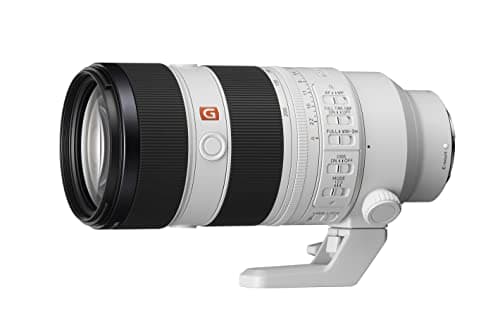
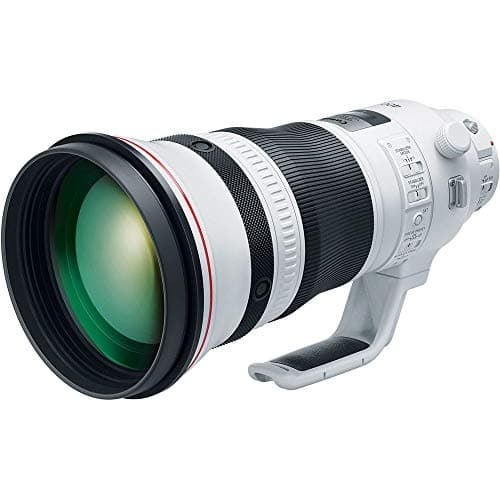
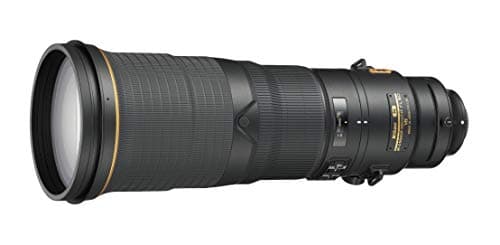
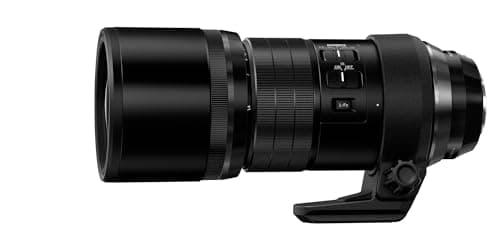
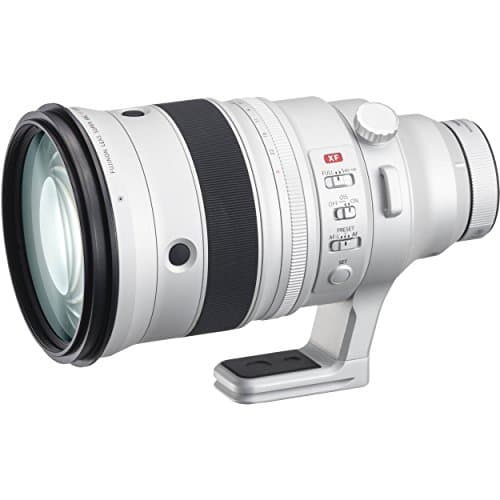
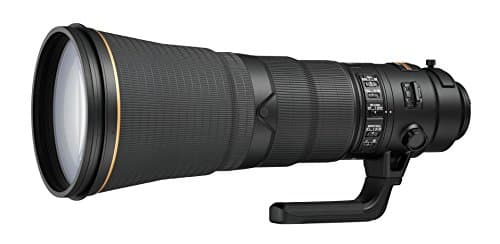
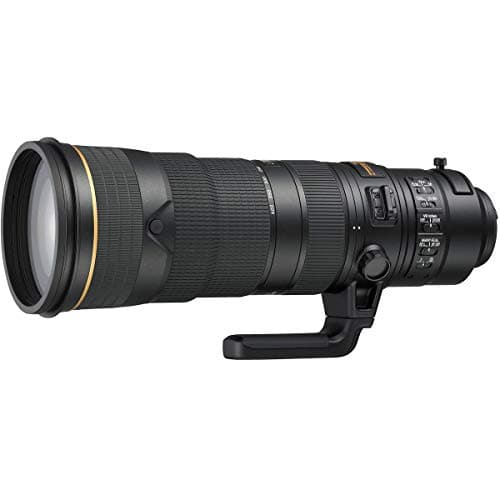
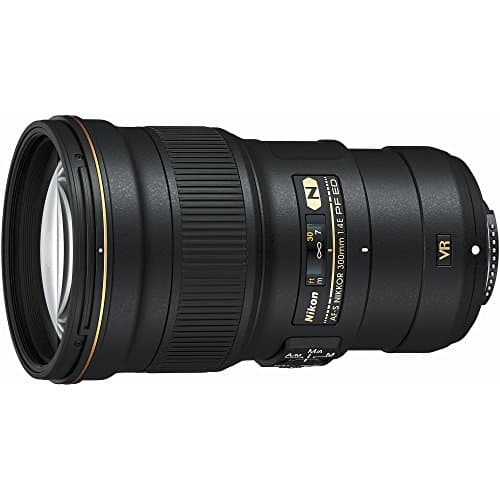
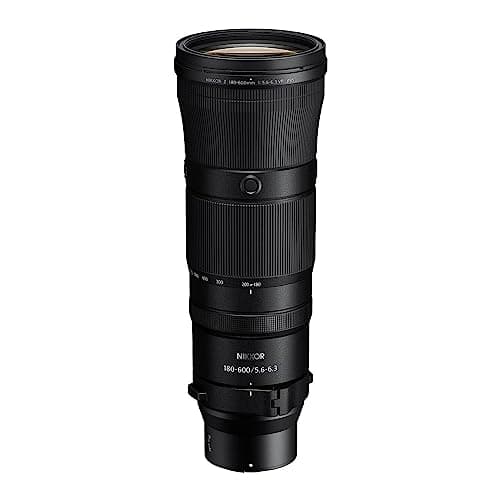
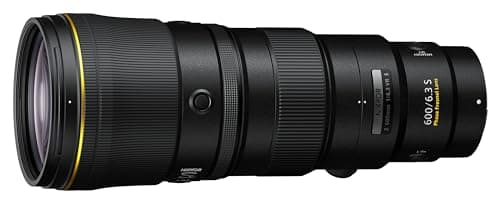
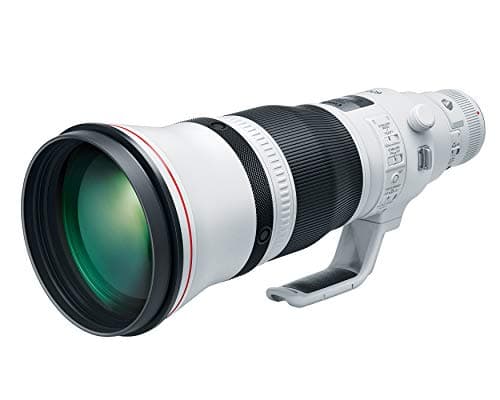
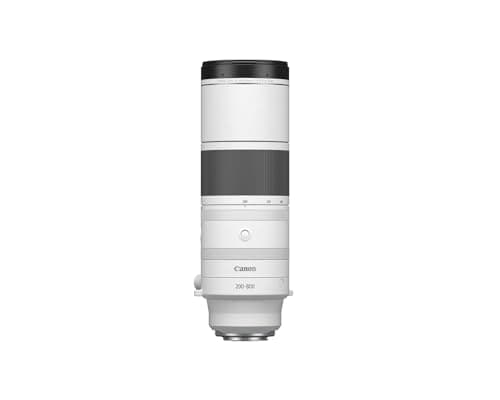
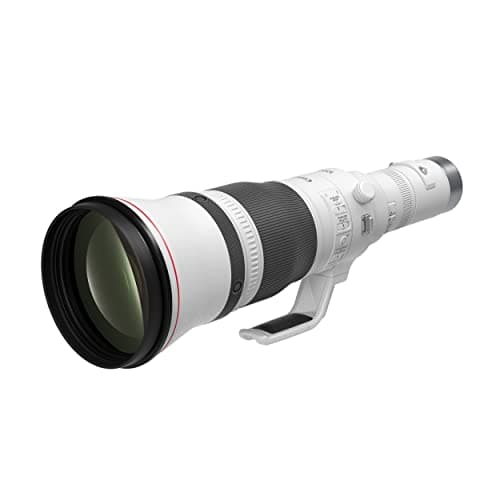
* Product prices and availability are accurate as of the date/time indicated and are subject to change. Any price and availability information displayed on Amazon.com at the time of purchase will apply to the purchase of this product.
* Imaginated.com may receive compensation for purchases made at participating retailers linked on this site. This compensation does not affect what products or prices are displayed, or the order of prices listed. Learn more here.
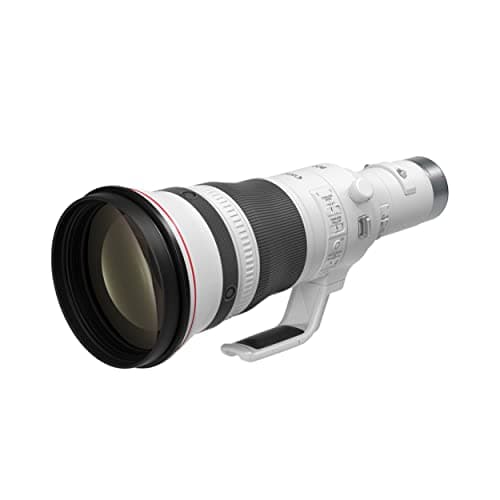
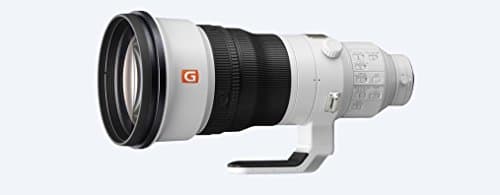
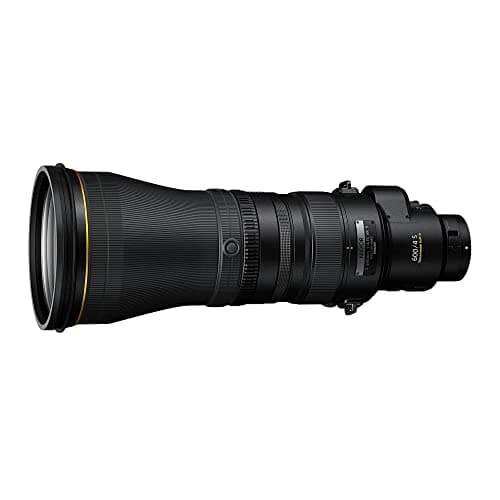
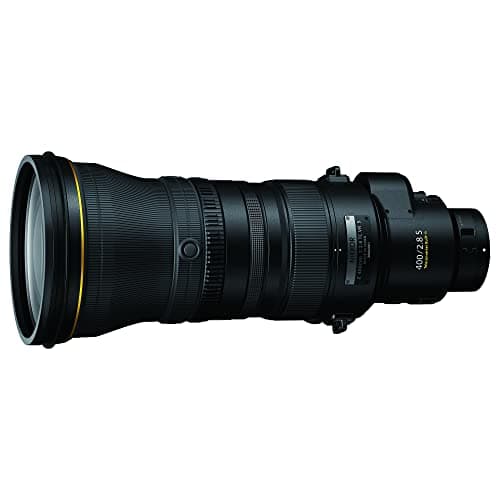
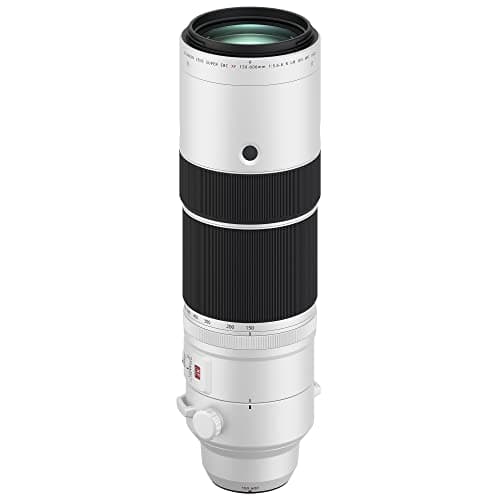
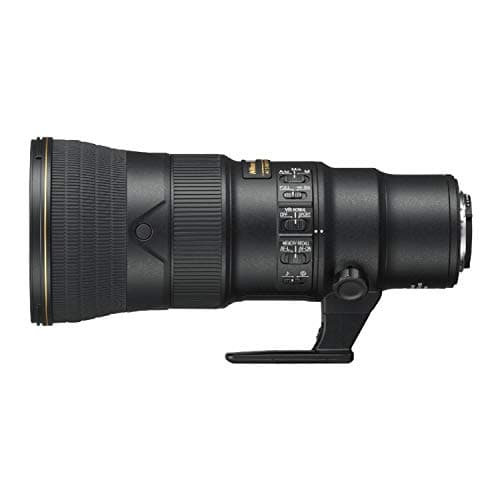
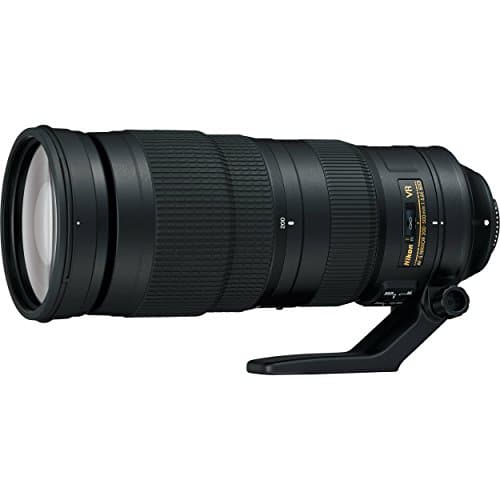
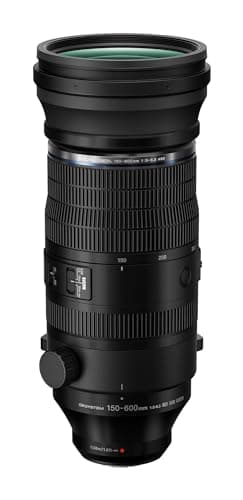
These are the best telephoto lenses for astrophotography when you want crisp stars, high micro-contrast, and controlled color on the Moon, constellations, nebula fields, and compressed Milky Way “tele-scapes”—without lugging a telescope—and here’s what to look for as you buy: prioritize excellent longitudinal/latitudinal CA control (ED/APO elements for clean star color), low sagittal coma and astigmatism at the edges, repeatable manual focus with a hard or accurate infinity mark, tripod collar for balanced mounting, and sturdy build that tolerates long, tracked exposures; stabilization doesn’t help on a locked tripod—switch IS/VR/OSS off—while a lens that’s sharp near wide open saves ISO or tracking burden; 135–200mm is the sweet spot for bright nebula complexes and dense star fields, 300–400mm isolates smaller targets and the Moon, and 500–600mm reaches lunar detail and larger galaxies (planets still prefer telescopes or barlows). Full-frame tele-astro heroes: Samyang/Rokinon 135mm ƒ2 (cult-classic: bright, great corners when stopped slightly), Sigma 135mm ƒ1.8 Art (biting contrast, stellar coma control), Sony FE 135mm ƒ1.8 GM (razor stars), Canon RF 135mm ƒ1.8L IS and Nikon Z 135mm ƒ1.8 S Plena (luxury star fields), classic EF/F sleepers like Canon EF 200mm ƒ2.8L II and Nikon 180mm ƒ2.8 ED (budget-friendly with a stop-down); sharp long primes that track beautifully: Canon EF 300mm ƒ4L IS, Nikon 300mm ƒ4 PF, Nikon 500mm ƒ5.6 PF (light, stiff, great on trackers), Canon EF 400mm ƒ5.6L (clean stars), Sony FE 400mm ƒ2.8/600mm ƒ4 if you own them; flexible zooms that punch above their weight for “tele-scapes”: 70–200mm ƒ2.8 flagships (Sony GM II, Canon RF, Nikon Z—use 85–150–200mm and stop 1 stop), 70–200mm ƒ4 (lighter, excellent corners), 100–400mm class (Sony GM, Canon RF L, Nikon Z S, Sigma 100–400 DG DN—best stopped 2/3–1 stop). APS-C and Micro Four Thirds picks: Fujifilm XF 90mm ƒ2 (135-eq star blade), XF 50–140mm ƒ2.8 and XF 70–300mm OIS (light, good corners with a stop), Sony E 70–350mm G OSS (use 90–200mm-eq ranges for clean stars), Canon RF-S 55–210mm IS (compact tele for constellations), Nikon Z DX 50–250mm VR (surprisingly crisp), OM SYSTEM 40–150mm ƒ2.8 PRO and 300mm ƒ4 IS PRO, Panasonic/Leica 100–400mm (tiny rigs with huge EFL for lunar work—mind seeing). Practical buyer tips: favor 135–200mm fast primes for rich nebula/star fields and minimal tracking load; pick 300–400mm when you want lunar frames or smaller DSOs on a sturdy star tracker; zooms are versatile for framing but usually need a modest stop-down to tame corners; apochromatic or ED-rich designs keep bright stars from purple/green bleeding; use a rotating tripod collar or L-bracket, and standardize rings to run a slim dew heater; teleconverters can help scaling but will magnify aberrations—test before big nights. Tele-astro shooting tips: mount solidly (Arca plate on the lens collar), turn off IS/IBIS, use electronic first curtain/remote, set manual focus with live-view magnification on a bright star and tape the ring, start near wide open then stop 1/3–1 stop to sharpen corners, follow the NPF rule (more accurate than the 500-rule) or use a tracker (Star Adventurer, SkyGuider, MSM) for 1–4 minute subs, shoot RAW at ISO 800–3200 depending on sensor, gather many short exposures and stack (dither between sets), capture darks/flats/bias for cleaner calibration, watch dew (heater > wipes), shield from stray light, and frame with foreground silhouettes at 135–200mm for cinematic tele-Milky Way layers; whether you’re carving out the Cygnus wall, tracing Orion’s dust lanes, or detailing lunar maria, the best telephoto lenses for astrophotography combine disciplined aberration control, precise manual focus, and stable handling—so your stars stay tight, your colors stay true, and your night skies look deep and beautifully resolved.
Lenses by brand:
Lenses by price:
Lenses by type:
Lenses by sensor:
Lenses by feature:
Lenses by use case:
- Best Telephoto Lenses for Aerial Photography
- Best Telephoto Lenses for Architectural Photography
- Best Telephoto Lenses for Astrophotography
- Best Telephoto Lenses for Automotive Photography
- Best Telephoto Lenses for Bird Photography
- Best Telephoto Lenses for Cityscape Photography
- Best Telephoto Lenses for Concert Photography
- Best Telephoto Lenses for Fashion Photography
- Best Telephoto Lenses for Food Photography
- Best Telephoto Lenses for Headshot Photography
- Best Telephoto Lenses for Landscape Photography
- Best Telephoto Lenses for Macro Photography
- Best Telephoto Lenses for Nature Photography
- Best Telephoto Lenses for Night Photography
- Best Telephoto Lenses for Portrait Photography
- Best Telephoto Lenses for Product Photography
- Best Telephoto Lenses for Sports Photography
- Best Telephoto Lenses for Street Photography
- Best Telephoto Lenses for Travel Photography
- Best Telephoto Lenses for Wedding Photography
- Best Telephoto Lenses for Wildlife Photography
- Best Telephoto Lenses for Video
Lenses by experience:
Cameras: