
* Product prices and availability are accurate as of the date/time indicated and are subject to change. Any price and availability information displayed on Amazon.com at the time of purchase will apply to the purchase of this product.
* Imaginated.com may receive compensation for purchases made at participating retailers linked on this site. This compensation does not affect what products or prices are displayed, or the order of prices listed. Learn more here.
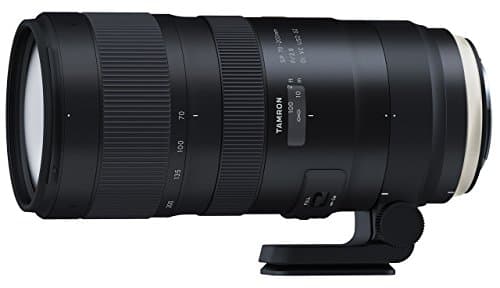
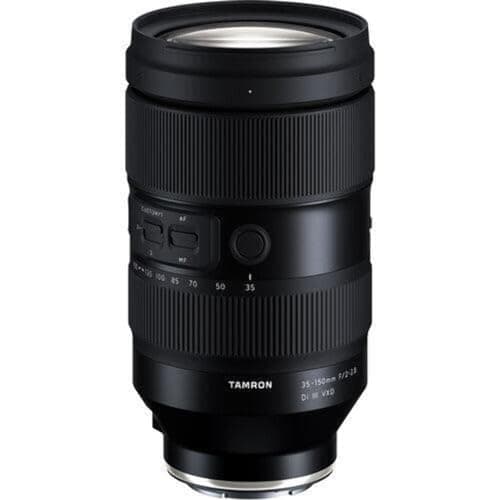
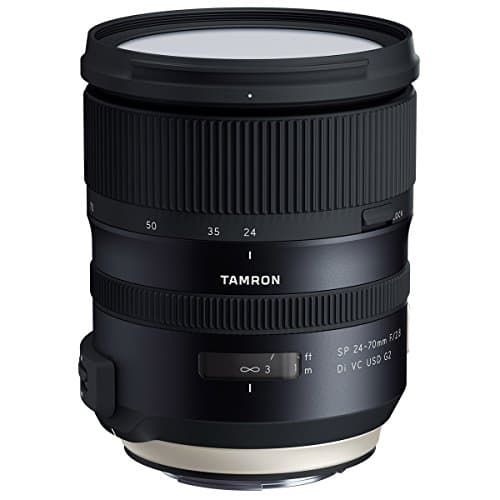
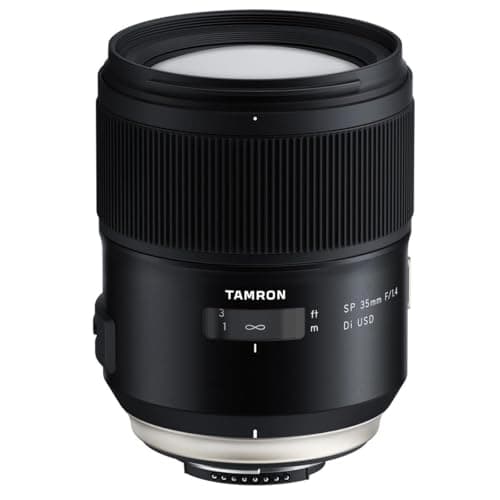
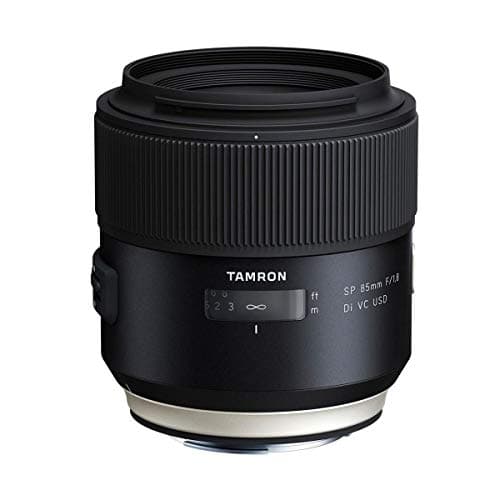
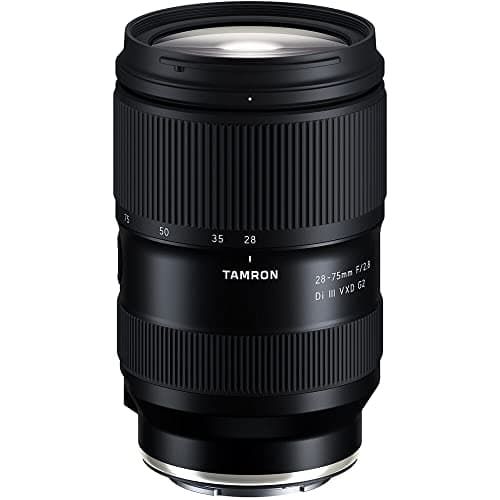
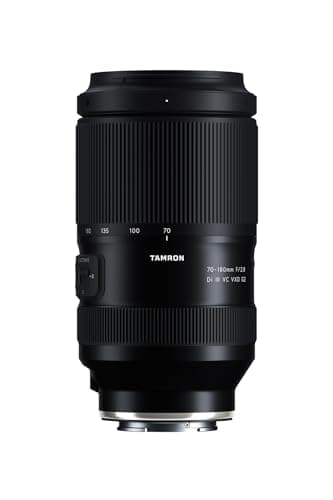
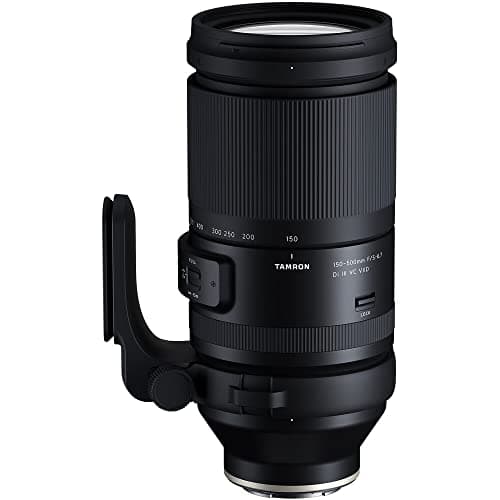
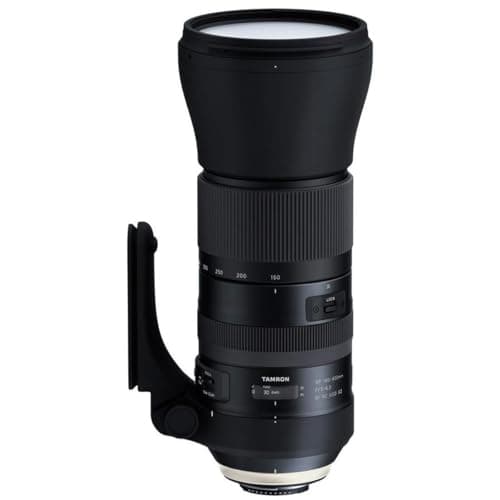
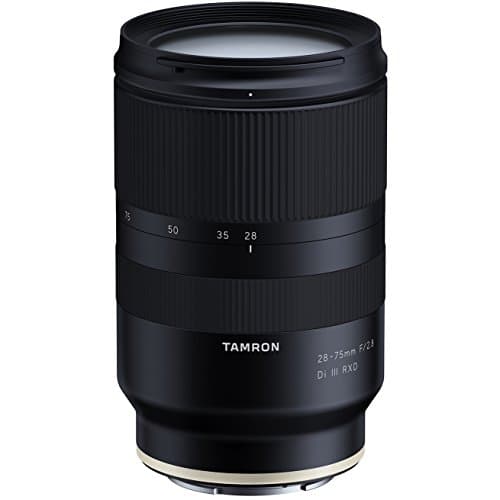
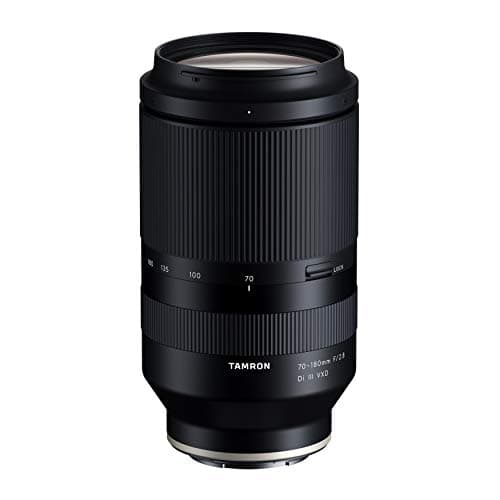
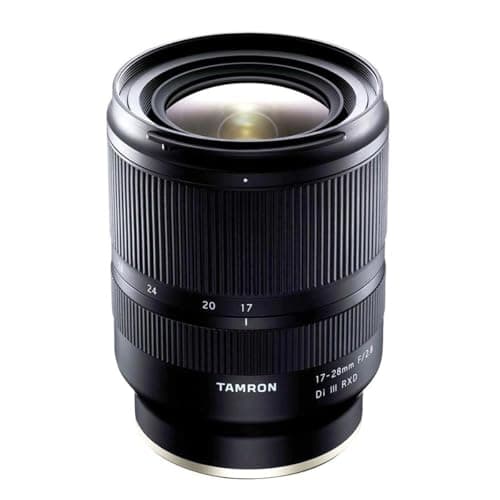
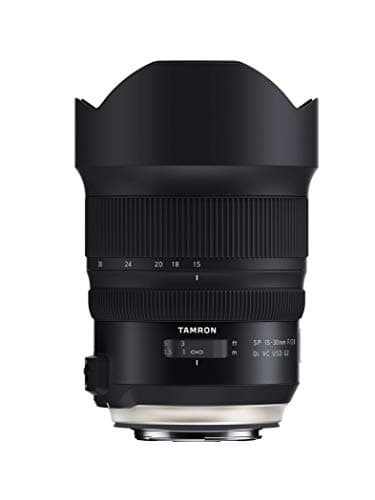
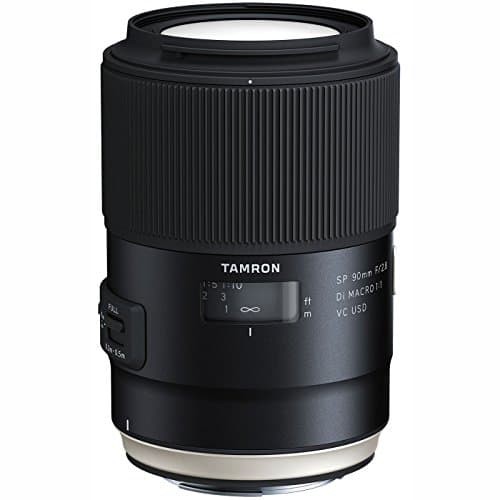
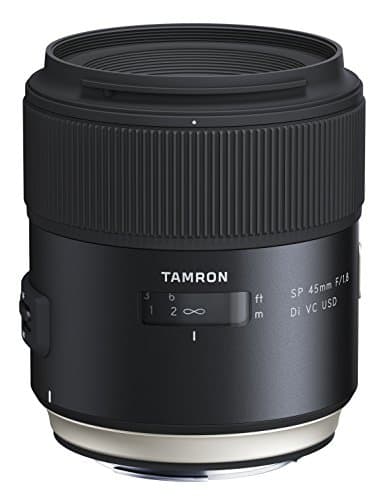
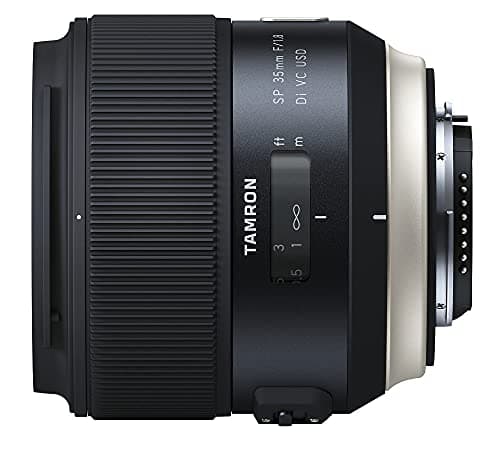
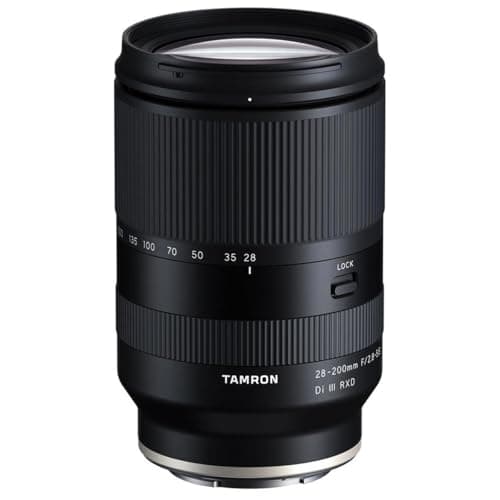
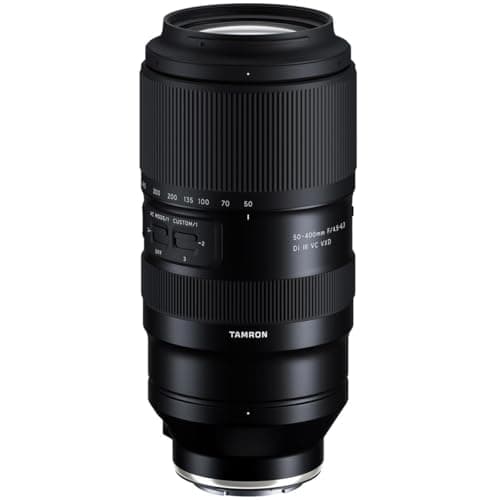
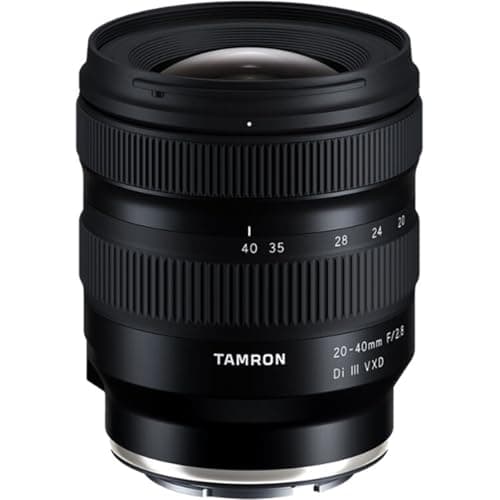
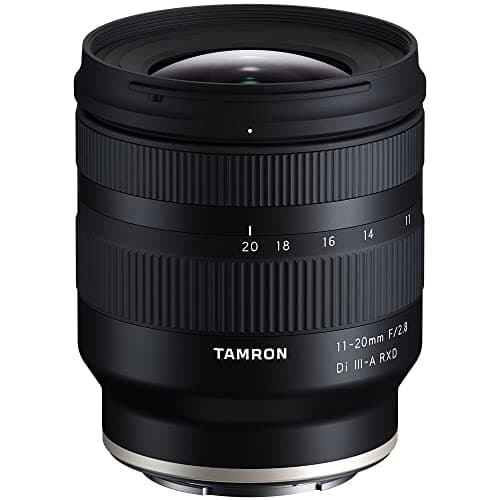
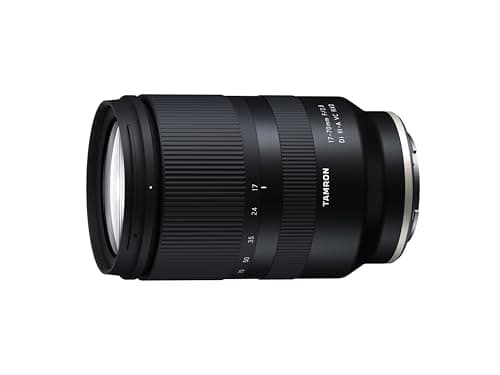
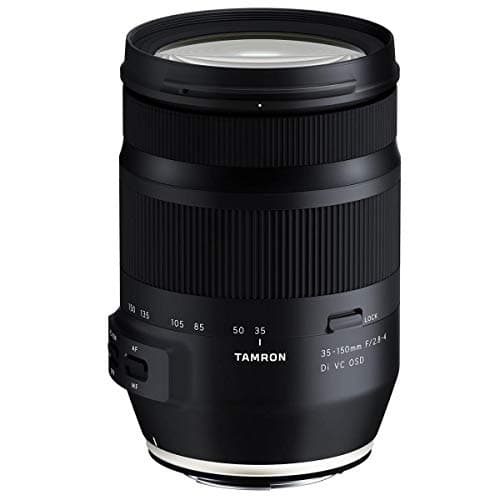
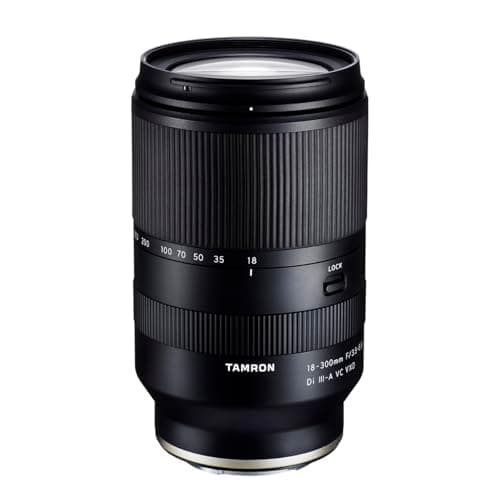
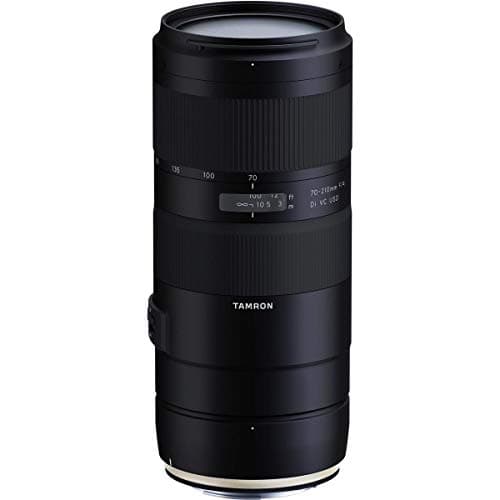
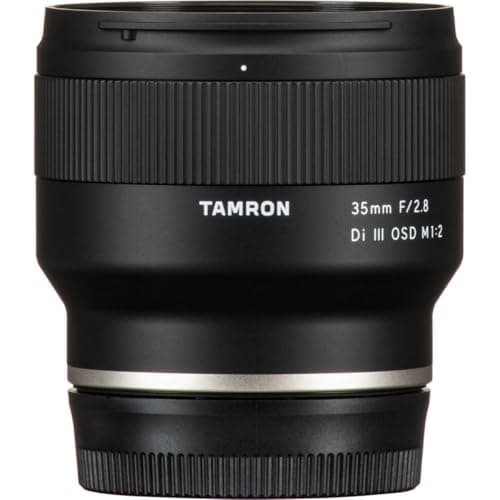
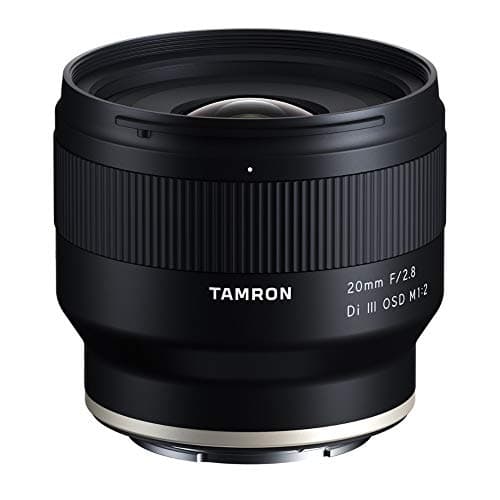
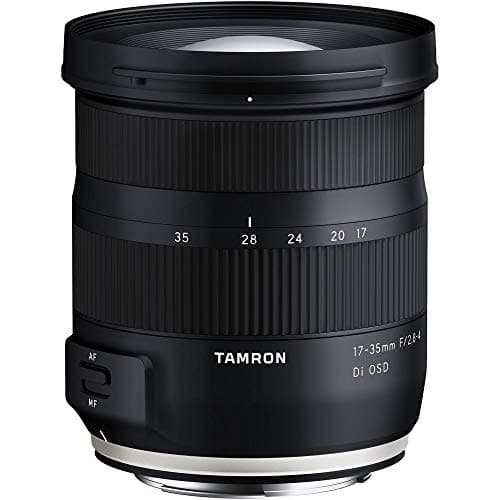
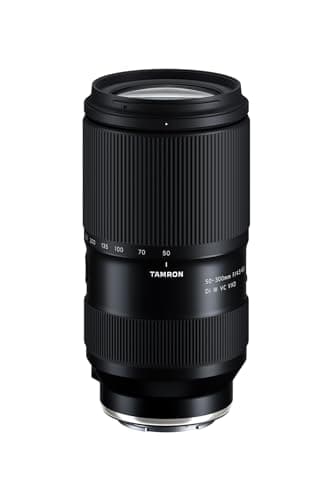
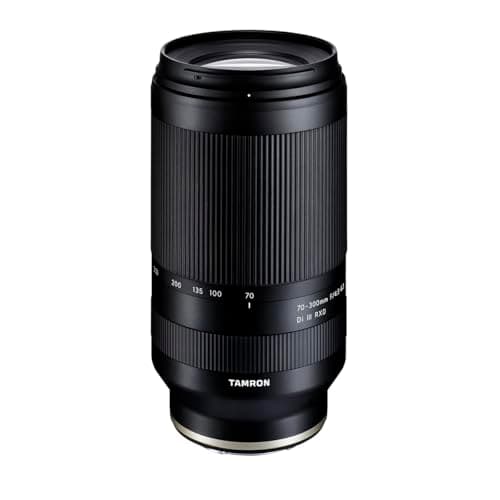
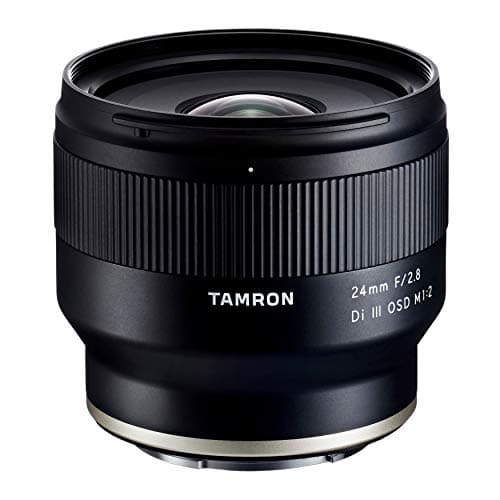
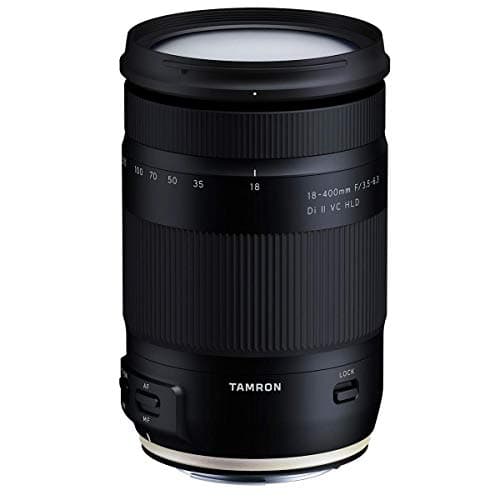
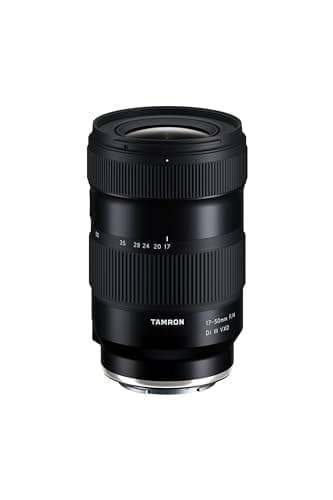
These are the best Tamron lenses for video when you want quiet, confident AF, low focus breathing, clean color, and ergonomic control for narratives, docs, weddings, YouTube, and travel—and here’s what to look for as you buy: prioritize VXD/RXD motors (nearly silent, precise), lenses with minimal breathing and good support for in-camera breathing compensation, de-clickable or well-damped aperture rings (where applicable) and linear-feel MF for predictable pulls, OSS/VC on tele options to pair with IBIS/Active for handheld, internal focus/short barrels for gimbal balance, and shared filter threads (often 67 mm) so one high-quality VND (plus a mild 1/8 diffusion if you like halation) covers the kit; strong close-focus is clutch for product B-roll, and weather sealing helps on run-and-gun jobs. Full-frame prime/compact heroes: 20mm ƒ2.8, 24mm ƒ2.8, and 35mm ƒ2.8 Di III OSD M1:2 (tiny, sharp, half-macro for detail inserts; great as light A-/B-cam primes), plus adapted DSLR gems like SP 35mm ƒ1.4 Di USD (flagship look for interviews/night) and SP 85mm ƒ1.8 VC (flattering tele with stabilized elegance). Power-zoom and cine-leaning workhorses: 20–40mm ƒ2.8 VXD (gimbal sweetheart—covers walk-and-talks, wides, and interiors in one), 17–50mm ƒ4 VXD (constant ƒ4 with tidy handling and excellent Super35 crop utility), and 17–28mm ƒ2.8 RXD (featherweight UWA with crisp corners and friendly flare control); fast zoom anchors: 28–75mm ƒ2.8 Di III VXD G2 (bread-and-butter A-cam—prime-like sharpness, stellar close-focus), 35–150mm ƒ2–2.8 VXD (range king that replaces multiple primes on events and narrative—creamy pulls from 35/2 to 150/2.8), 70–180mm ƒ2.8 Di III VC VXD G2 (tele interviews, ceremonies, sports B-roll—adds VC and closer MFD; the earlier 70–180/2.8 VXD is a great value if you rely on IBIS), 50–400mm ƒ4.5–6.3 VC VXD (documentary reach with surprisingly smooth bokeh and 0.5× at 50 mm for macro-ish sequences), and 150–500mm ƒ5–6.7 VC VXD (long-reach storytelling, wildlife B-roll, airshows—VC helps framing, switch off on sticks). Value/legacy stabilized workhorses (adapt where supported): SP 24–70mm ƒ2.8 G2 VC and SP 70–200mm ƒ2.8 G2 VC (excellent stabilization and “cinematic” damping), plus SP 90mm ƒ2.8 Macro VC for tactile product shots. APS-C creators: 11–20mm ƒ2.8 Di III-A RXD (bright, tiny UWA for rooms and vlogs), 17–70mm ƒ2.8 Di III-A VC RXD (stabilized do-it-all mid-range with great close-focus), and 18–300mm ƒ3.5–6.3 Di III-A VC VXD (one-lens travel doc tool); full-frame 20–40/2.8, 17–28/2.8, and 28–75/2.8 G2 also shine on crop for compact rigs. Practical buyer tips: build a two-zoom spine (20–40/2.8 + 28–75/2.8 G2 for nimble A/B-cams, or 17–50/4 + 35–150/2–2.8 for hybrid doc + narrative) and add a macro option (SP 90 VC or 28–75’s close-focus) for beauty/product; standardize to 67 mm with step-up rings so one VND/diffusion fits everything, add silicone gear rings for follow-focus, use lens support on heavier builds, and test breathing/AF transitions on your body—enable compensation and set AF Transition Speed/Responsiveness to taste. Video-shooting tips: lock a 180° shutter (1/50–1/60s at 24/30p) and ride ND for exposure, set AF-C with eye/subject detect and slow transitions for elegant pulls, favor linear-response MF for racks with peaking + magnification, and combine VC with IBIS/Active for walk-and-talks (disable stabilization on a tripod to avoid micro-jitter); avoid stacking filters (flare), shade the front element to prevent veiling, and watch LED flicker—fine-tune shutter or enable anti-flicker; keep rigs light—internal-focus zooms (20–40/2.8, 17–28/2.8, 70–180/2.8 G2) balance fast on gimbals; whether you’re filming handheld docs, client brand pieces, weddings, or travel films, the best Tamron lenses for video combine quiet linear AF, low breathing, and smart, lightweight ergonomics—so motion looks smooth, focus transitions feel intentional, and your footage comes off the card looking polished.
Lenses by brand:
- Best Canon Lenses for Video
- Best Fujifilm Lenses for Video
- Best Leica Lenses for Video
- Best Nikon Lenses for Video
- Best Olympus Lenses for Video
- Best Panasonic Lenses for Video
- Best Pentax Lenses for Video
- Best Rokinon Lenses for Video
- Best Sigma Lenses for Video
- Best Sony Lenses for Video
- Best Tamron Lenses for Video
- Best Tokina Lenses for Video
- Best Zeiss Lenses for Video
Lenses by price:
Lenses by type:
Lenses by sensor:
Lenses by feature:
Lenses by use case:
- Best Tamron Lenses for Astrophotography
- Best Tamron Lenses for Bird Photography
- Best Tamron Lenses for Landscape Photography
- Best Tamron Lenses for Macro Photography
- Best Tamron Lenses for Portrait Photography
- Best Tamron Lenses for Real Estate Photography
- Best Tamron Lenses for Sports Photography
- Best Tamron Lenses for Travel Photography
- Best Tamron Lenses for Wedding Photography
- Best Tamron Lenses for Wildlife Photography
- Best Tamron Lenses for Video
Lenses by experience:
Cameras: