
Name | Features | Price |
|---|---|---|
Tamron 35-150mm F2-2.8 Di III VXD⭐ 5.0 / 5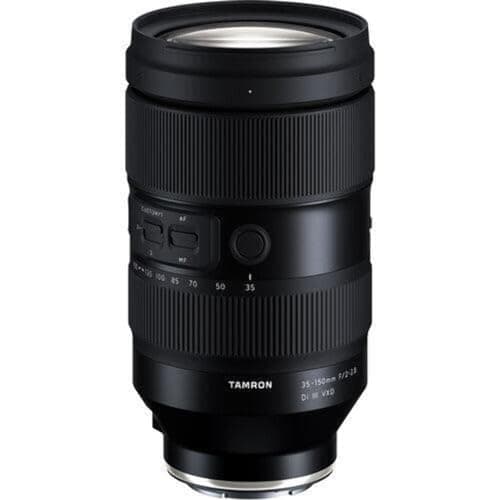 | ||
Name | Features | Price |
Tamron SP 35mm F1.4 Di USD⭐ 4.9 / 5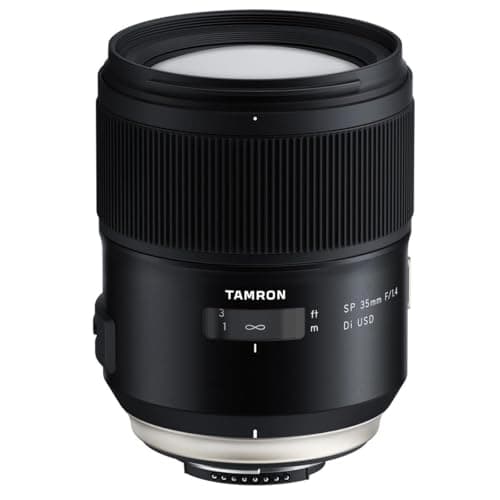 | ||
Name | Features | Price |
Tamron SP 70-200mm F2.8 Di VC USD G2⭐ 4.9 / 5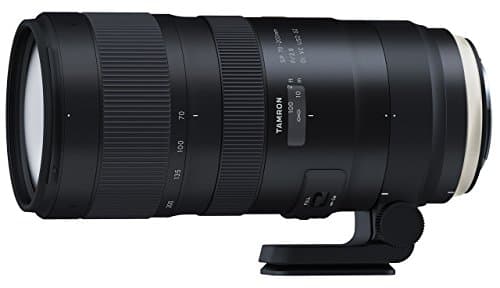 | ||
Name | Features | Price |
Tamron SP 35mm F1.8 Di VC USD⭐ 4.8 / 5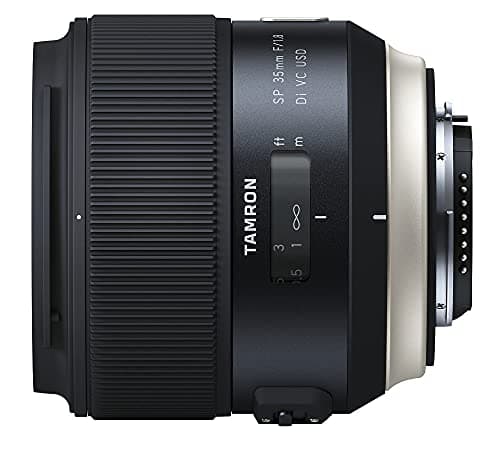 | ||
Name | Features | Price |
Tamron SP 24-70mm F2.8 Di VC USD G2⭐ 4.8 / 5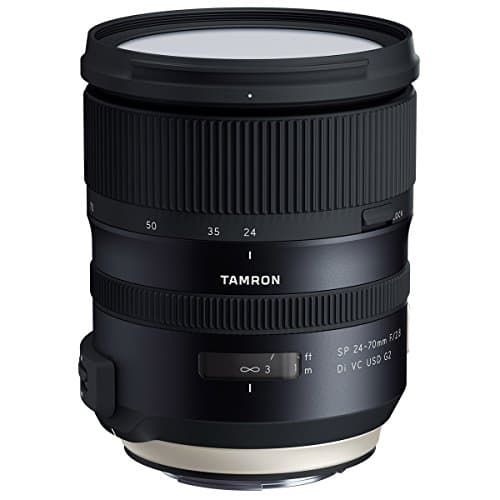 | ||
Name | Features | Price |
Tamron 70-180mm F2.8 Di III VC VXD G2⭐ 4.8 / 5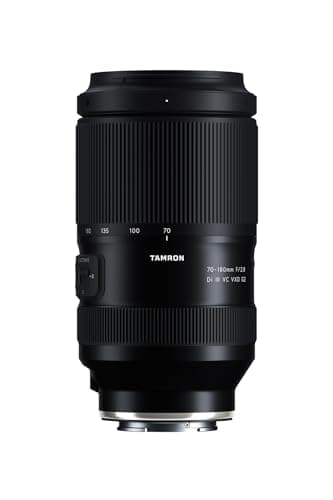 | ||
Name | Features | Price |
Tamron SP 15-30mm F2.8 Di VC USD G2⭐ 4.8 / 5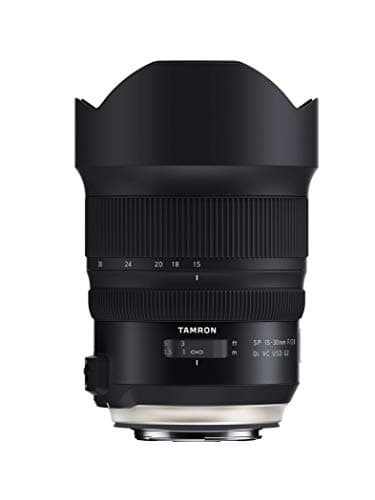 | ||
Name | Features | Price |
Tamron SP 85mm F1.8 Di VC USD⭐ 4.8 / 5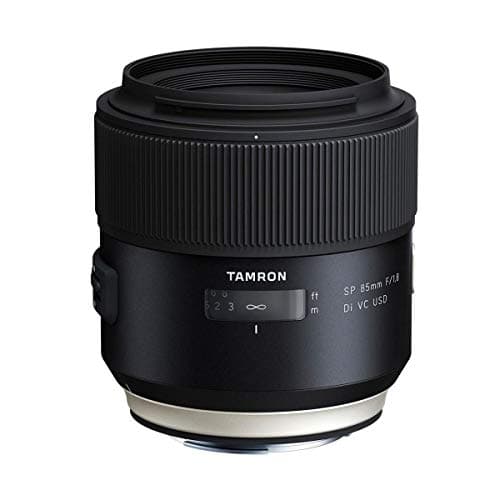 | ||
Name | Features | Price |
Tamron 17-70mm F2.8 Di III-A VC RXD⭐ 4.7 / 5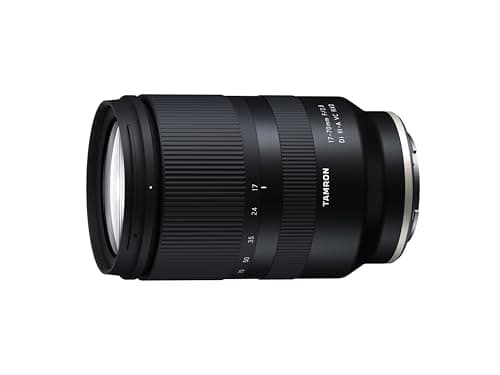 | ||
Name | Features | Price |
Tamron 28-75mm F2.8 Di III RXD⭐ 4.7 / 5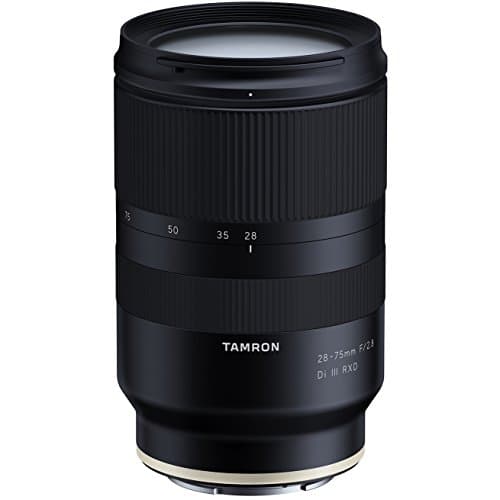 |
* Product prices and availability are accurate as of the date/time indicated and are subject to change. Any price and availability information displayed on Amazon.com at the time of purchase will apply to the purchase of this product.
* Imaginated.com may receive compensation for purchases made at participating retailers linked on this site. This compensation does not affect what products or prices are displayed, or the order of prices listed. Learn more here.
These are the best Tamron lenses for low light when you want fast, clean files, confident AF, creamy separation, and steady handhelds for concerts, weddings, street nights, interiors, and travel—and here’s what to look for as you buy: prioritize fast glass (ƒ1.4–ƒ2 on adapted SP primes; constant ƒ2.8 on mirrorless zooms), strong wide-open contrast (good LoCA control), linear VXD/RXD/OSD motors that lock in dim scenes, stabilization (VC) where available and smart pairing with IBIS/Active, minimal focus breathing if you film, and shared filter threads (often 67 mm) so one high-quality VND and mild 1/8 diffusion cover the kit; good close-focus helps detail B-roll without cranking ISO, and weather sealing is a plus for rainy sidewalks and humid venues. Full-frame prime heroes (adaptable DSLR gems): SP 35mm ƒ1.4 Di USD (flagship sharpness and bokeh—night street/editorial killer), SP 85mm ƒ1.8 Di VC USD (flattering portraits under LEDs with stabilizing VC), SP 45mm ƒ1.8 Di VC USD (close-focusing normal for restaurants and handheld A-roll), and SP 90mm ƒ2.8 Di Macro VC (not just macro—beautiful nighttime detail with VC); Tamron’s native compact primes—20/2.8, 24/2.8, 35/2.8 Di III OSD M1:2—aren’t super-fast but their half-macro and low weight make them great low-ISO helpers for detail and travel. Full-frame zoom workhorses that shine after dark: 35–150mm ƒ2–2.8 VXD (range king for events—ƒ2 at the wide end, prime-like look across the set), 28–75mm ƒ2.8 Di III VXD G2 (bread-and-butter night zoom—sharp, great close-focus), 20–40mm ƒ2.8 VXD (gimbal-friendly walk-and-talks, tight interiors), 17–28mm ƒ2.8 RXD (featherweight UWA for blue-hour city and astro foregrounds), and 70–180mm ƒ2.8 Di III VC VXD G2 (adds VC and closer MFD—indoor courts, stages, receptions; the earlier 70–180/2.8 VXD is a value pick if you rely on IBIS). Long-reach after dark: 50–400mm ƒ4.5–6.3 VC VXD and 150–500mm ƒ5–6.7 VC VXD are slower but stabilized—great with brighter venues, night games, and tele-portraits when you lean on VC/IBIS and clean high ISO. APS-C low-light standouts: 17–70mm ƒ2.8 Di III-A VC RXD (stabilized do-it-all—concert pits, cafés, travel nights), 11–20mm ƒ2.8 Di III-A RXD (bright UWA for interiors and astro), and the full-frame 28–75/2.8 G2 or 70–180/2.8 G2 on crop for extra “reach” without losing speed; the 18–300mm ƒ3.5–6.3 VC VXD is slower but its VC helps for city night documentary. Practical buyer tips: build a two-zoom spine (35–150/2–2.8 + 17–28/2.8 for events, or 28–75/2.8 G2 + 70–180/2.8 G2 VC for weddings/sports) and add one fast SP prime (35/1.4 or 85/1.8 VC) for the darkest scenes; standardize to 67 mm with step-up rings so one premium VND fits everything; if adapting DSLR glass, use a proven adapter for reliable AF in low light; test flare/ghosting against neon and spotlights before big gigs; lighter lenses mean steadier holds when shutter speeds drop. Low-light shooting tips: use Eye/Subject AF with AF-C and a flexible zone, start around ƒ1.8–ƒ2.8 and stop 1/3–2/3 stop for eyelash-sharp results, run Manual or TAv with Auto-ISO and a minimum shutter (≈1/125–1/250s for people; 1/500s+ for action), enable Anti-flicker under nasty LEDs and prefer mechanical shutter to avoid banding/rolling skew, lean on VC/IBIS for static handhelds (brace to ride 1/10–1/30s at wide angles), expose for faces and let speculars clip gracefully, and keep hoods on to block oblique flare; for video, hold a 180° shutter with a quality VND, set AF transition speed/sensitivity to taste, enable breathing compensation, and favor internal-focus zooms (20–40/2.8, 17–28/2.8, 70–180/2.8 G2) for gimbals; whether you’re shooting neon-soaked streets, candlelit vows, cramped jazz clubs, or blue-hour skylines, the best Tamron low-light choices combine fast apertures, disciplined rendering, and stabilization where it counts—so your frames stay sharp, your colors stay rich, and your nights look clean and cinematic.
Lenses by brand:
Lenses by price:
Lenses by type:
Lenses by sensor:
Lenses by feature:
Lenses by use case:
Lenses by experience:
Cameras: