Best Sony Lenses for Car Photography in 2026
Filters:
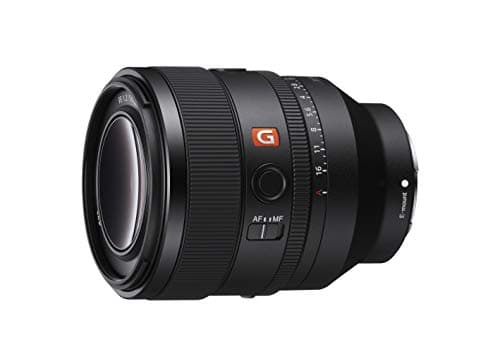
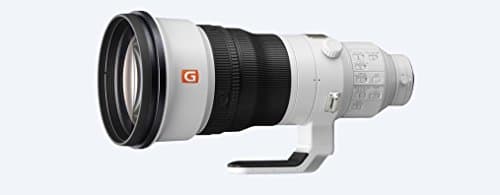
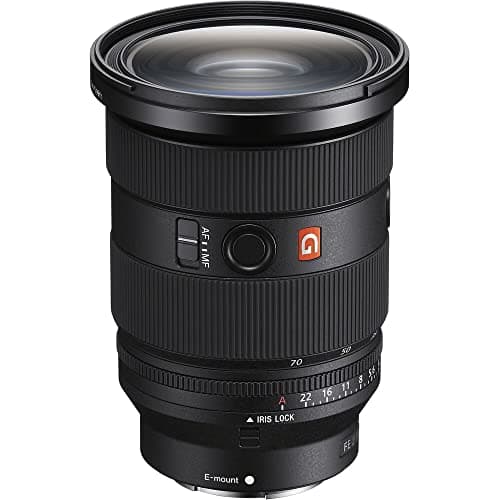
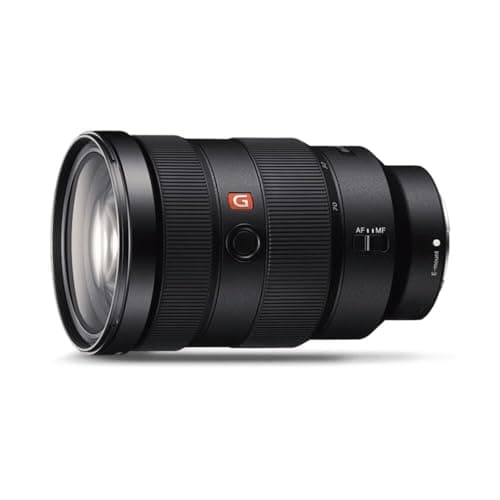
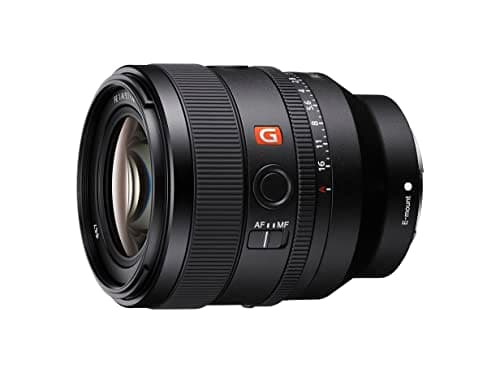
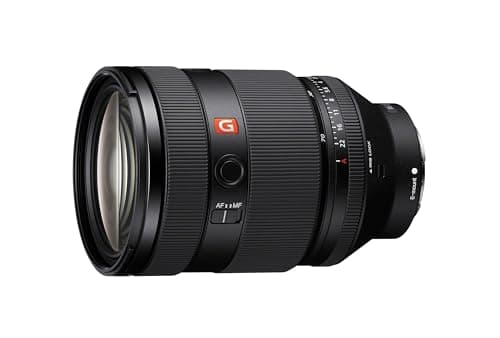
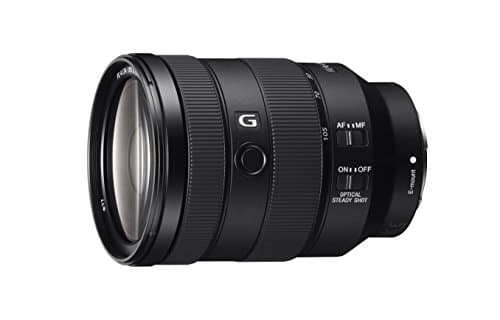
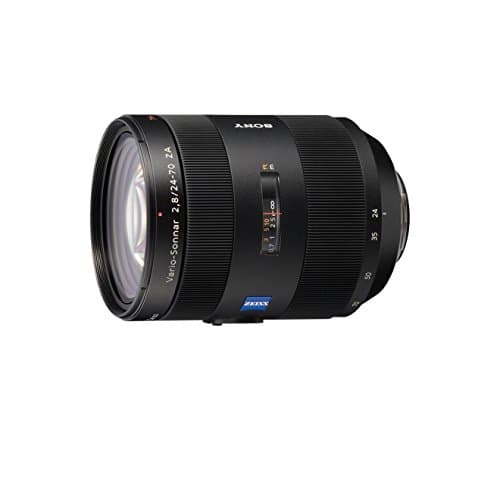
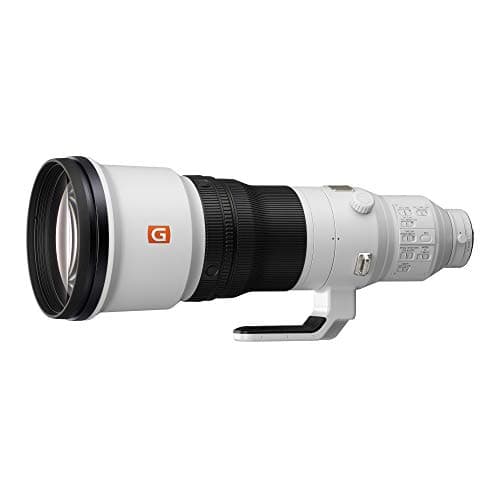
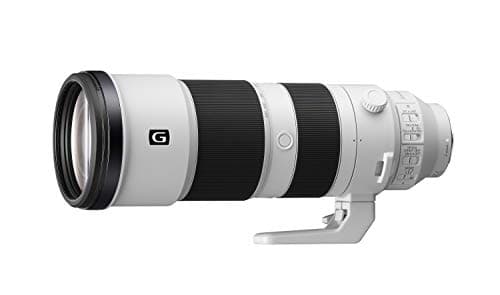
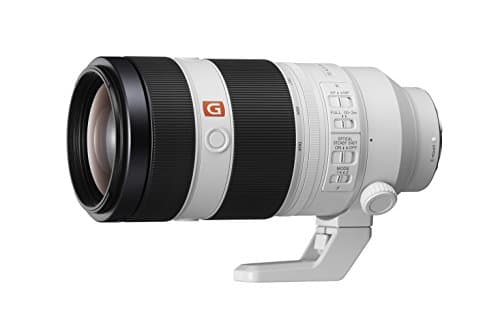
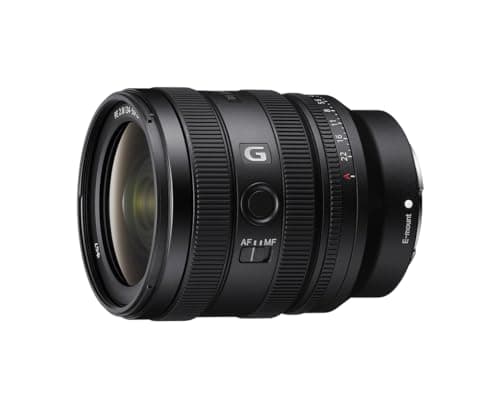
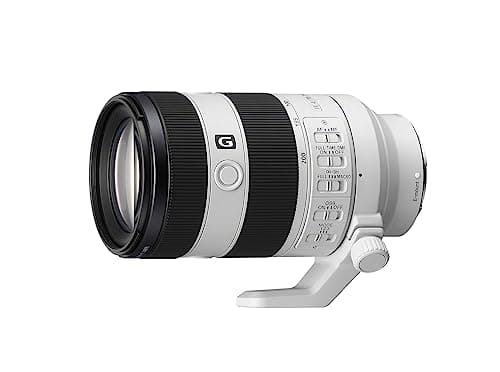
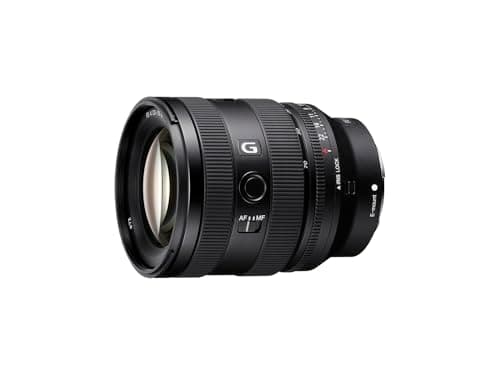
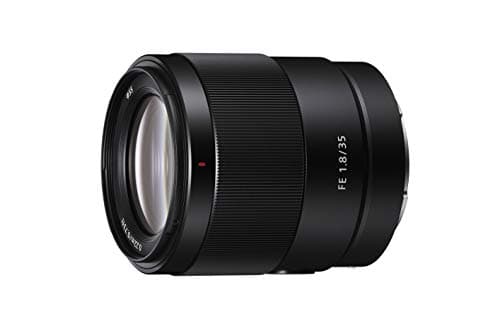
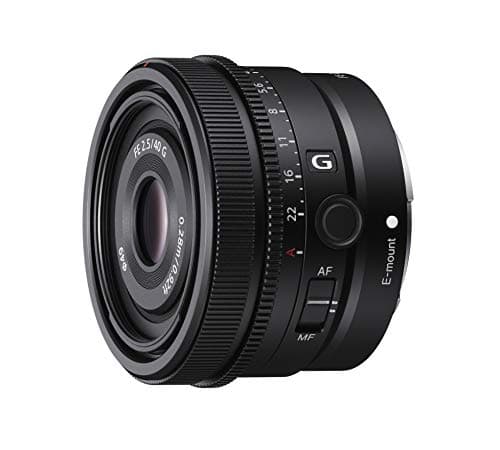
* Product prices and availability are accurate as of the date/time indicated and are subject to change. Any price and availability information displayed on Amazon.com at the time of purchase will apply to the purchase of this product.
* Imaginated.com may receive compensation for purchases made at participating retailers linked on this site. This compensation does not affect what products or prices are displayed, or the order of prices listed. Learn more here.
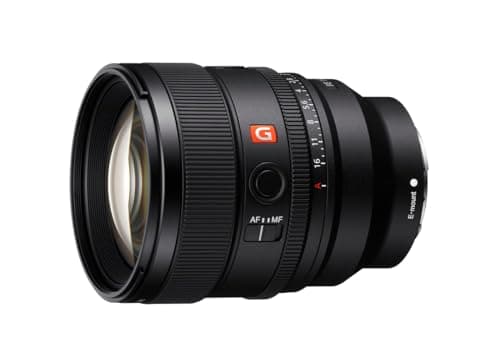
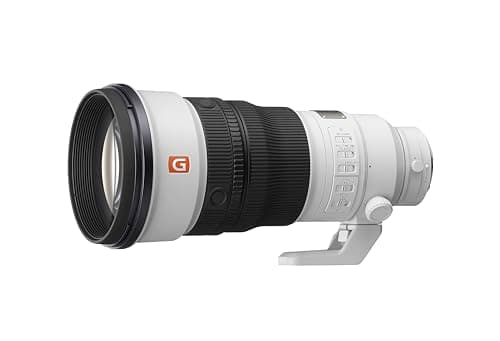
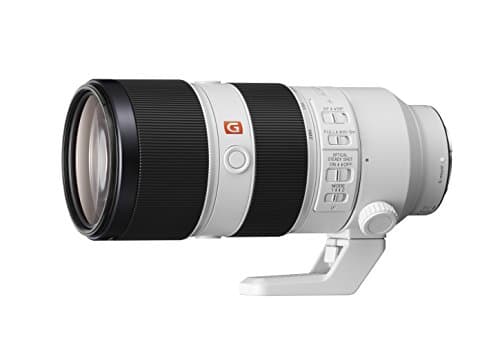
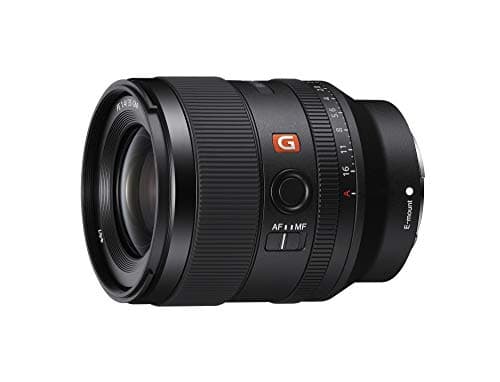
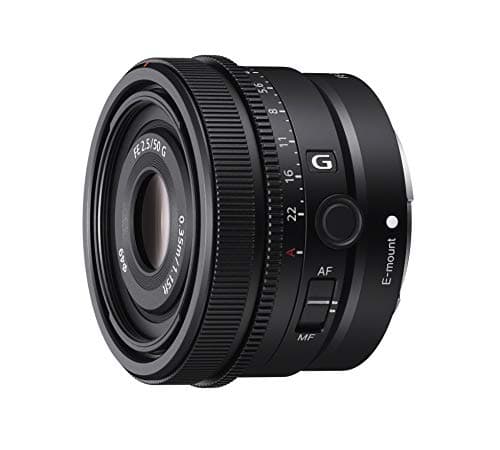
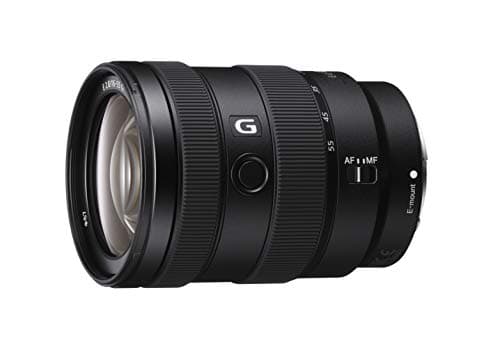
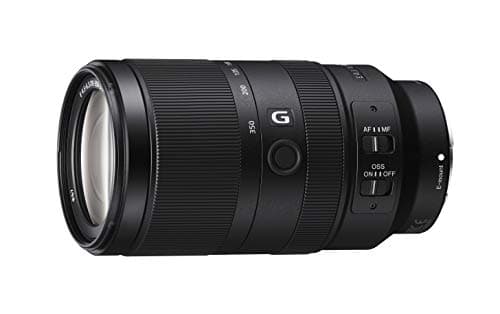
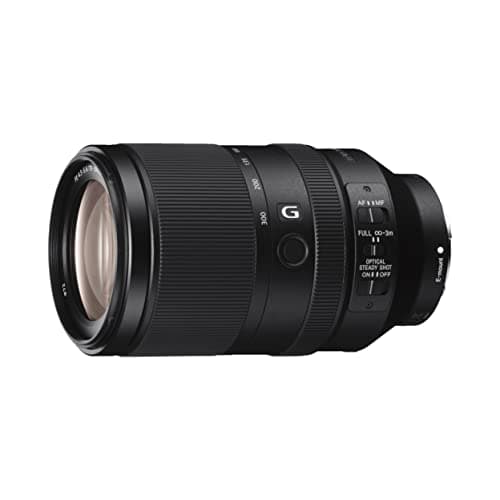
These are the best Sony lenses for automotive photography when you want crisp lines, glossy paint without harsh reflections, confident tracking AF, and flexible focal coverage for static heroes, rollers, track action, and interiors—and here’s what to look for as you buy: prioritize fast, contrasty optics with high micro-contrast for metallic flake, linear-motor AF for sticky subject tracking, minimal focus breathing for video, OSS (and Mode 2 for panning) when handholding teles, well-controlled flare/ghosting for backlit chrome, and common filter diameters so one premium CPL/ND covers your kit; a circular polarizer is essential to manage windshield/paint reflections (rotate to taste, watch skies), and weather sealing helps at dusty paddocks and rainy grids. Full-frame prime heroes: FE 35mm ƒ1.4 GM (garage/editorial storytelling with dimensional pop), FE 50mm ƒ1.4 GM (clean proportions and creamy separation), FE 85mm ƒ1.4 GM (portraits with car + driver), and FE 135mm ƒ1.8 GM (long “compression” glamour with razor detail); for interiors/tight stages, FE 20mm ƒ1.8 G and FE 24mm ƒ1.4 GM keep lines tidy while staying bright; specialty detail glass: FE 90mm ƒ2.8 Macro G OSS (badges, stitching, carbon fiber) and FE 50mm ƒ2.8 Macro for close quarters. Wide/standard zoom workhorses: FE 16–35mm ƒ2.8 GM II (agile, sharp for dramatic low angles), FE PZ 16–35mm ƒ4 G (power zoom and minimal breathing for video), and FE 24–70mm ƒ2.8 GM II (from pits to pitsops—fast, close-focus, rock-solid); tele for track and airfield rollers: FE 70–200mm ƒ2.8 GM OSS II (elite AF/OSS, gorgeous rendering) or FE 70–200mm ƒ4 Macro G II (lighter, still pin-sharp); for distance and air-to-air sequences, FE 100–400mm ƒ4.5–5.6 GM OSS adds reach without giving up AF. Travel-friendly do-it-all: FE 24–105mm ƒ4 G (great range, reliable stabilization) and FE 20–70mm ƒ4 G (wide start for cramped garages, modern AF). Budget-friendly full-frame options: FE 35mm ƒ1.8, FE 50mm ƒ1.8, FE 85mm ƒ1.8 (light, fast AF, excellent once stopped to their sweet spots), plus the FE 28mm ƒ2 (compact with UWA converter options). APS-C shooters get standout coverage with E 11mm ƒ1.8 (tight interiors and dynamic wides), E 15mm ƒ1.4 G (environmental detail), E 16–55mm ƒ2.8 G (pro mid-range), E PZ 10–20mm ƒ4 G (tiny, gimbal-friendly power zoom), and E 70–350mm ƒ4.5–6.3 G OSS for track reach. Practical buyer tips: build a two-lens spine (24–70/2.8 + 70–200/2.8 or 16–35/2.8 + 135/1.8) and add a macro for product-level details; standardize to one high-quality 82mm CPL (plus a solid ND for video at 180° shutter); if you shoot rollers or action, favor GM/G lenses with dual linear motors for hit rate; for mixed stills/video, test breathing (PZ 16–35/4 G, 24–70/2.8 GM II, and 70–200/2.8 GM II are well-behaved) and prefer internal zoom/focus for gimbals. Automotive shooting tips: for static heroes, park in open shade or backlight and polarize selectively (don’t kill all reflections—leave shape-defining speculars), compose low and square to avoid keystone, and work around ƒ4–ƒ8 for panel crispness; for panning, start near 1/30–1/60s at 50–100mm (Mode 2 OSS, AF-C with tracking), then experiment to taste; for track freezes, 1/1000–1/2000s with AF-C + zone and pre-focus as cars enter the line; for rollers, rig safely, keep 1/80–1/160s for tasteful blur, and communicate via hand signals; for interiors, bring small LEDs/bounce cards, watch mixed WB, and use macro for stitch/knurl detail; for video, use ND to hold 1/50–1/60s, enable breathing compensation, and stabilize with IBIS/OSS plus good footwork. Whether you’re crafting glossy brochure heroes, gritty pit-lane candids, silky pans at golden hour, or cinematic rollers, the best Sony lenses for automotive photography combine fast, linear AF, controlled reflections, and crisp optics—so your lines stay straight, your paint glows, and your machines look fast even when standing still.
Lenses by brand:
Lenses by price:
Lenses by type:
Lenses by sensor:
Lenses by feature:
Lenses by use case:
- Best Sony Lenses for Aerial Photography
- Best Sony Lenses for Architectural Photography
- Best Sony Lenses for Astrophotography
- Best Sony Lenses for Automotive Photography
- Best Sony Lenses for Bird Photography
- Best Sony Lenses for Boudoir Photography
- Best Sony Lenses for Cityscape Photography
- Best Sony Lenses for Concert Photography
- Best Sony Lenses for Documentary Photography
- Best Sony Lenses for Event Photography
- Best Sony Lenses for Fashion Photography
- Best Sony Lenses for Food Photography
- Best Sony Lenses for Headshot Photography
- Best Sony Lenses for Jewelry Photography
- Best Sony Lenses for Landscape Photography
- Best Sony Lenses for Lifestyle Photography
- Best Sony Lenses for Macro Photography
- Best Sony Lenses for Nature Photography
- Best Sony Lenses for Newborn Photography
- Best Sony Lenses for Night Photography
- Best Sony Lenses for Pet Photography
- Best Sony Lenses for Photojournalism
- Best Sony Lenses for Portrait Photography
- Best Sony Lenses for Product Photography
- Best Sony Lenses for Real Estate Photography
- Best Sony Lenses for Sports Photography
- Best Sony Lenses for Street Photography
- Best Sony Lenses for Studio Photography
- Best Sony Lenses for Travel Photography
- Best Sony Lenses for Underwater Photography
- Best Sony Lenses for Wedding Photography
- Best Sony Lenses for Wildlife Photography
- Best Sony Lenses for Video
Lenses by experience: