
10 Best Prime Lenses for Macro Photography in 2026
Name | Features | Price |
|---|---|---|
Sigma 105mm F2.8 DG DN Macro⭐ 5.0 / 5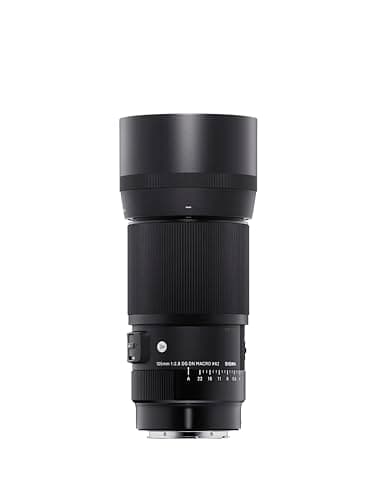 | ||
Name | Features | Price |
Nikon Nikkor Z MC 105mm F2.8 VR S⭐ 5.0 / 5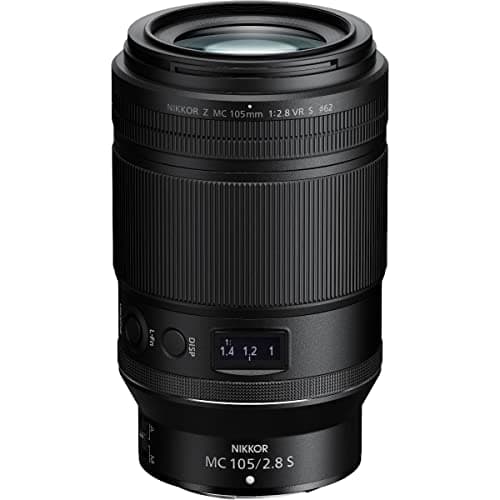 | ||
Name | Features | Price |
Leica APO-Macro-Elmarit-TL 60mm f2.8 ASPH⭐ 5.0 / 5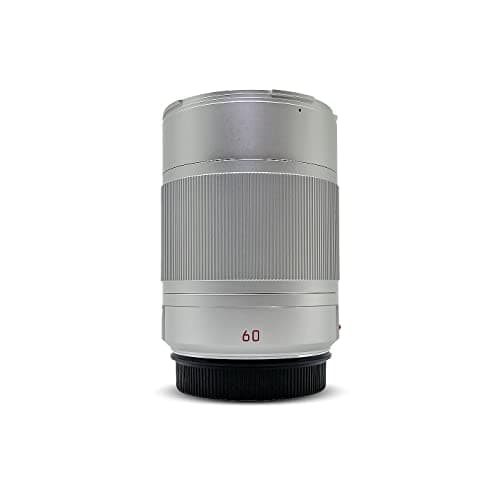 | ||
Name | Features | Price |
Panasonic Lumix S 100mm F2.8 Macro⭐ 5.0 / 5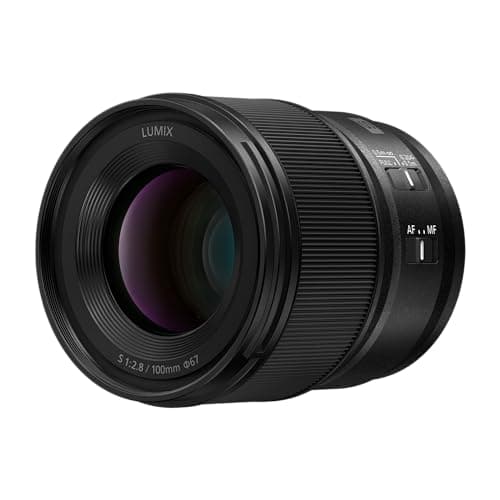 | ||
Name | Features | Price |
Voigtlander 65mm F2 Macro APO-Lanthar⭐ 5.0 / 5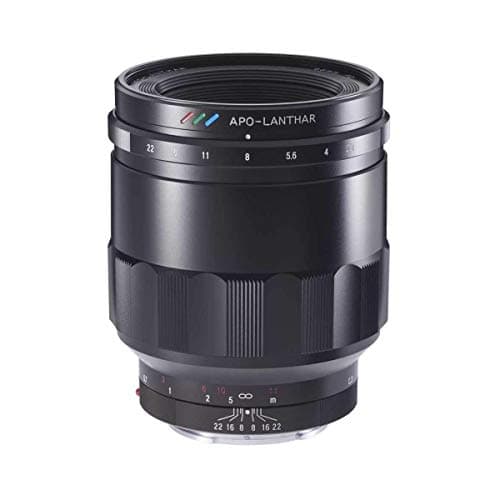 | ||
Name | Features | Price |
Venus Laowa 100mm F2.8 2X Ultra Macro APO⭐ 5.0 / 5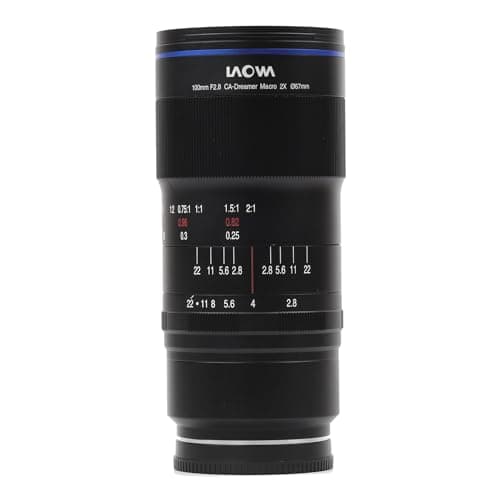 | ||
Name | Features | Price |
Venus Laowa 65mm F2.8 2x Ultra Macro APO⭐ 5.0 / 5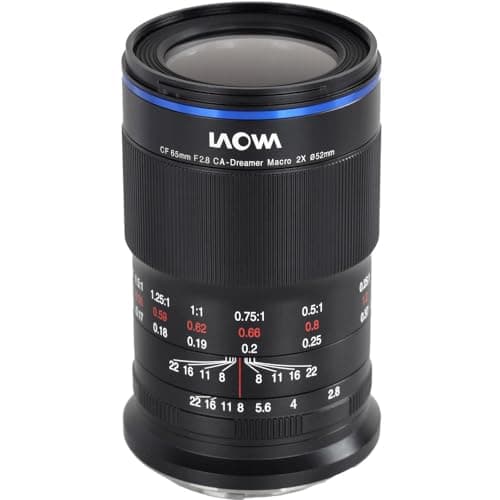 | ||
Name | Features | Price |
Canon RF 100mm F2.8L Macro IS USM⭐ 5.0 / 5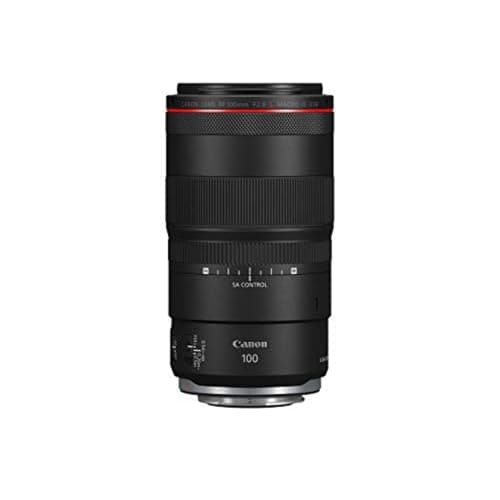 | ||
Name | Features | Price |
Fujifilm XF 80mm F2.8 R LM OIS WR Macro⭐ 5.0 / 5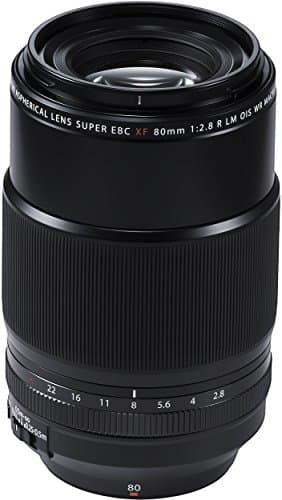 | ||
Name | Features | Price |
OM System M.Zuiko Digital ED 90mm F3.5 Macro IS Pro⭐ 5.0 / 5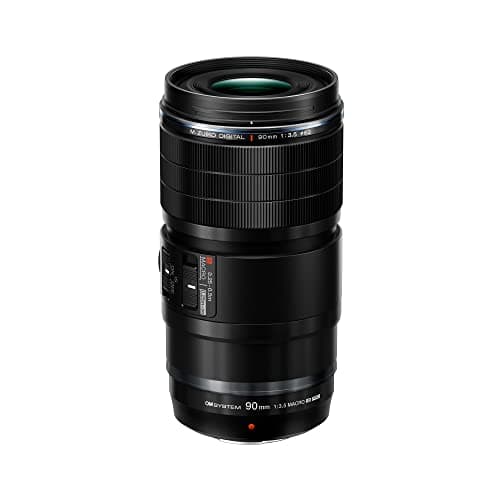 |
* Product prices and availability are accurate as of the date/time indicated and are subject to change. Any price and availability information displayed on Amazon.com at the time of purchase will apply to the purchase of this product.
* Imaginated.com may receive compensation for purchases made at participating retailers linked on this site. This compensation does not affect what products or prices are displayed, or the order of prices listed. Learn more here.
These are the best prime lenses for macro photography when you want 1:1 (or greater) magnification, crisp micro-contrast, smooth bokeh, and reliable focus—whether you’re shooting jewelry, insects, flora, food textures, or product details—and here’s what to look for as you buy: prioritize true macro (1:1; some go 2:1), working distance that fits your subjects (90–105mm for insects/comfort; 50–60mm for studio/tabletop; 150–200mm for skittish subjects), flat-field rendering with low field curvature, disciplined longitudinal/lateral CA on specular highlights, stabilized optics or body IBIS for ambient handheld, internal focus to keep balance and avoid scaring subjects, a long, repeatable MF throw (focus stacking love), and filter-friendly fronts for diffusion/ND/polarizers; if you light with flash, look for short focus breathing and firmware that plays nicely with focus bracketing. Full-frame macro prime heroes: Sony FE 90mm ƒ2.8 Macro G OSS (reference sharpness, OSS, gorgeous rendering), Sony FE 50mm ƒ2.8 Macro (compact 1:1), Canon RF 100mm ƒ2.8L Macro IS (Hybrid IS + SA Control for tunable foreground/background bokeh), RF 85mm ƒ2 IS Macro (0.5× with stabilization—great hybrid portrait/detail), Nikon Z MC 105mm ƒ2.8 VR S (tack sharp, VR, beautiful color), Nikon Z MC 50mm ƒ2.8 (light 1:1), Sigma 105mm ƒ2.8 DG DN Macro Art (modern coatings, clutch MF feel), Sigma 70mm ƒ2.8 DG Macro Art (flat-field specialist), Tamron 90mm ƒ2.8 “Di” lineage (legendary value on DSLR mounts via adapter), and long-reach options like Sigma 150mm ƒ2.8 OS Macro and Sigma 180mm ƒ2.8 OS Macro for more working distance and buttery backgrounds. Creative/specialty primes: Laowa 100mm ƒ2.8 2× APO (2:1 without tubes, apochromatic control), Laowa 85mm ƒ5.6 2× Ultra Macro APO (featherweight mirrorless travel), Laowa 24mm ƒ14 2× Probe (insane perspectives into bottles/food sets with near-zero front shadowing), Laowa 60mm ƒ2.8 2× (compact 2:1), and Laowa 25mm ƒ2.8 2.5–5× Ultra Macro (extreme magnification). APS-C standouts: Sony E 30mm ƒ3.5 Macro (tiny 1:1 for tabletop), Sony E 50mm ƒ2.8 Macro and E 70–350 support for context, Sigma 70mm ƒ2.8 DG Macro (adapted) and Sigma 105mm DG DN on crop for extra reach, Fujifilm XF 80mm ƒ2.8 R LM OIS WR Macro (stabilized 1:1 beast), XF 60mm ƒ2.4 Macro (0.5× with lovely rendering), Viltrox 75mm ƒ1.2 Pro (not macro but close-focus portrait/detail versatility), and Canon EF-S 60mm ƒ2.8 Macro or RF 85mm ƒ2 IS on RF-S bodies. Micro Four Thirds picks that punch above their size: Olympus/OM SYSTEM 60mm ƒ2.8 Macro (1:1, weather-sealed, razor detail), Panasonic 45mm ƒ2.8 Macro OIS (tiny with stabilization), Laowa 50mm ƒ2.8 2× (huge magnification in a compact), and for creative field depth the OM 90mm ƒ3.5 Macro IS PRO (2× on sensor; Sync IS + long working distance). Practical buyer tips: choose focal length by working distance—longer macros keep you clear of subjects and shadows but need more tripod discipline; standardize front diameters for one diffuser and small VND; stabilization helps composition, but flash freezes motion—treat IS/IBIS as framing aid, not a cure-all; apochromatic designs (APO) reduce color fringing on chrome and water drops; for dual-role kits, 85–105mm macros double as portraits at ƒ2.8–ƒ4. Field technique that makes macro sing: control the light—small diffused flash close to the subject (4–10 inches) at low power (1/64–1/16) gives sharp, clean files with low ISO; feather the modifier to avoid specular hotspots on shells/metal and consider cross-polarization (CPL + gelled lights) for labels and glare; shoot Manual around ƒ5.6–ƒ11 for depth (diffraction grows with magnification—test your lens), keep shutter at sync (1/160–1/250s) with flash or raise ISO for ambient; stabilize—use a rail, beanbag, or ground the lens hood, and “rock” through focus in short bursts while peaking confirms plane; stack for static subjects (in-camera bracketing where available or external rails) and practice clean handoffs between frames; watch perspective stretch at very close distances—keep critical features near the center third and align sensor plane when you want flat subjects tack sharp; for natural light, add a reflector/flag, enable IBIS/IS, and expect a lower keeper rate; for field hygiene, carry a blower/brush, a clear/UV filter as a splash guard, and spare batteries (flash at low power recycles fast but adds cycles). Whether you’re rendering dewdrops like crystal, revealing the weave of fabric, exploring tiny habitats, or shooting delectable garnish in a bistro, the best prime lenses for macro photography combine true magnification, flat-field sharpness, friendly working distance, and lighting-savvy design—so your small subjects feel epic, tactile, and beautifully detailed.
Lenses by brand:
Lenses by price:
Lenses by type:
Lenses by feature:
Lenses by use case:
- Best Prime Lenses for Aerial Photography
- Best Prime Lenses for Architectural Photography
- Best Prime Lenses for Astrophotography
- Best Prime Lenses for Automotive Photography
- Best Prime Lenses for Concert Photography
- Best Prime Lenses for Event Photography
- Best Prime Lenses for Food Photography
- Best Prime Lenses for Headshot Photography
- Best Prime Lenses for Landscape Photography
- Best Prime Lenses for Lifestyle Photography
- Best Prime Lenses for Macro Photography
- Best Prime Lenses for Nature Photography
- Best Prime Lenses for Night Photography
- Best Prime Lenses for Pet Photography
- Best Prime Lenses for Photojournalism
- Best Prime Lenses for Portrait Photography
- Best Prime Lenses for Product Photography
- Best Prime Lenses for Real Estate Photography
- Best Prime Lenses for Sports Photography
- Best Prime Lenses for Street Photography
- Best Prime Lenses for Studio Photography
- Best Prime Lenses for Travel Photography
- Best Prime Lenses for Wedding Photography
- Best Prime Lenses for Wildlife Photography
- Best Prime Lenses for Video
Lenses by experience:
Cameras: