
10 Best Prime Lenses for Concert Photography in 2026
* Product prices and availability are accurate as of the date/time indicated and are subject to change. Any price and availability information displayed on Amazon.com at the time of purchase will apply to the purchase of this product.
* Imaginated.com may receive compensation for purchases made at participating retailers linked on this site. This compensation does not affect what products or prices are displayed, or the order of prices listed. Learn more here.
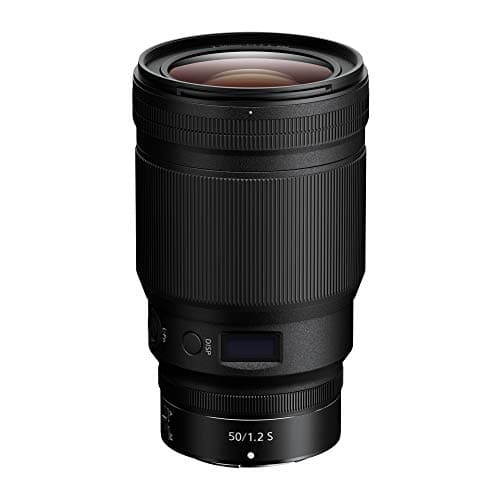
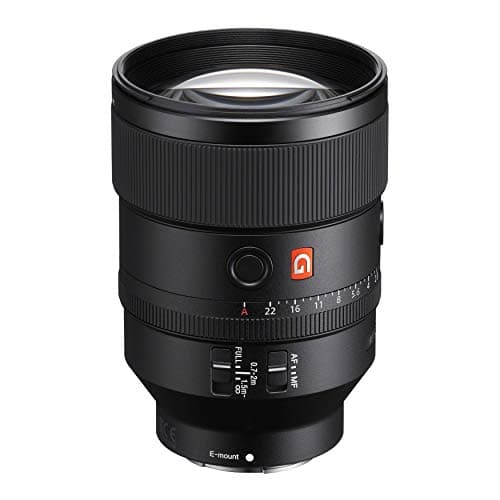
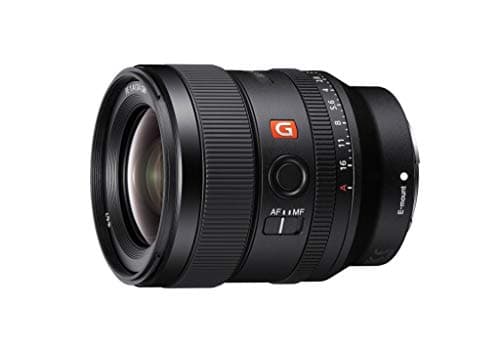
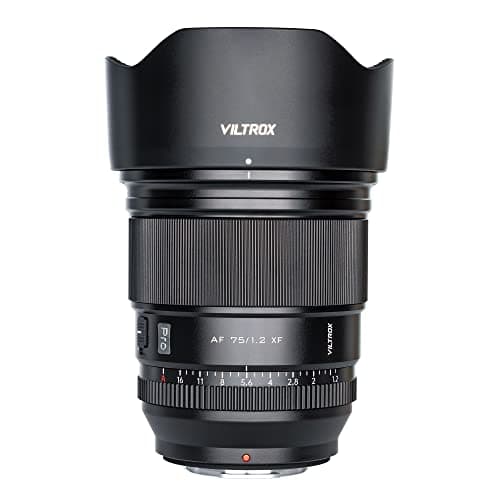
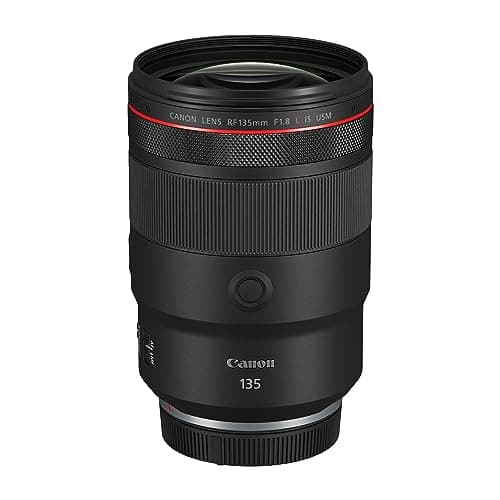
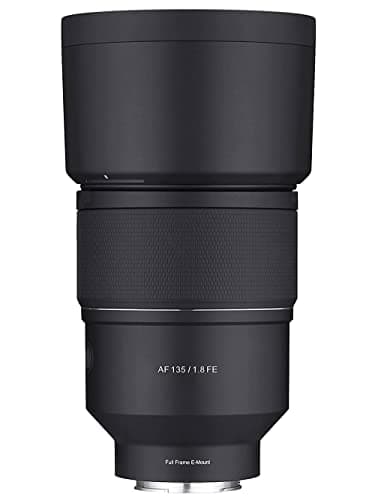
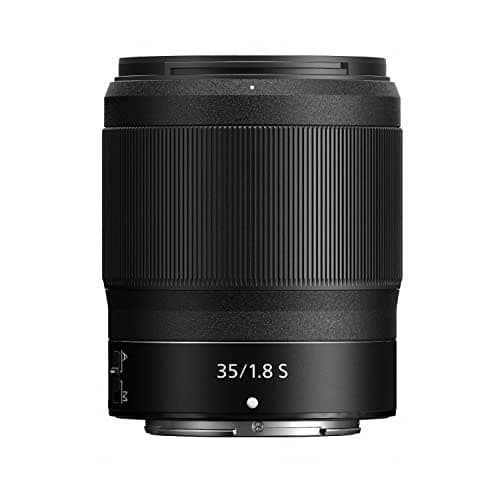
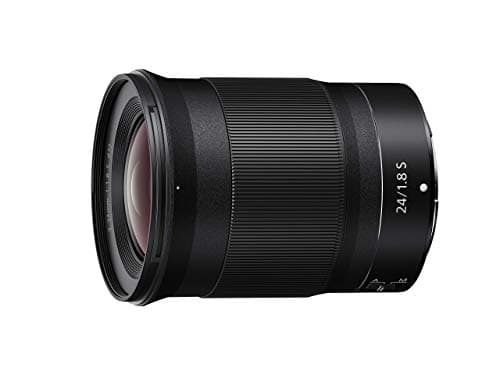
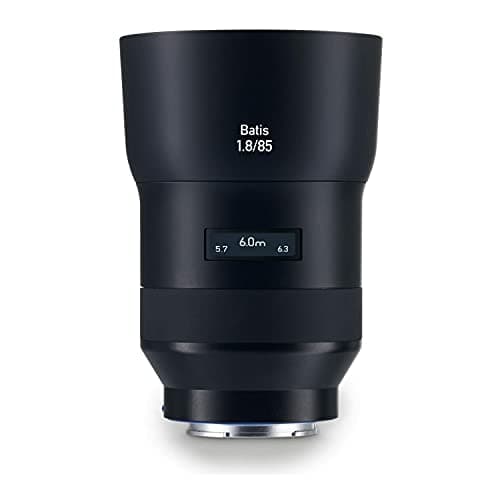
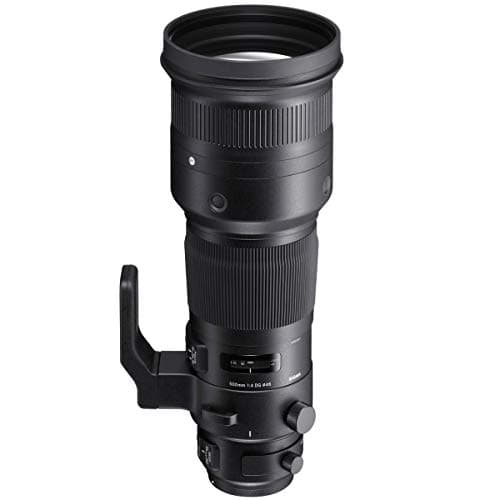
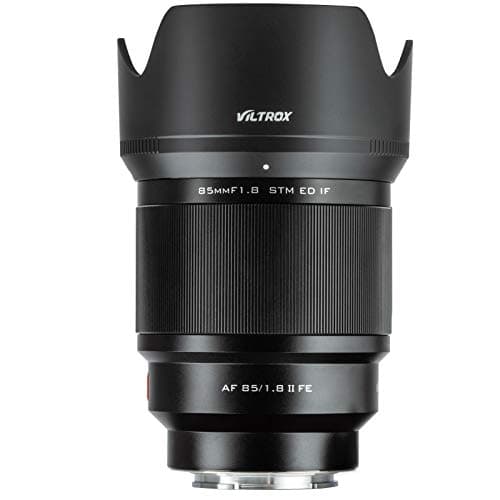
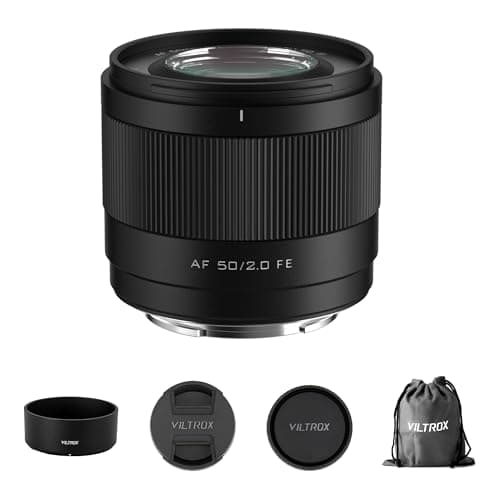
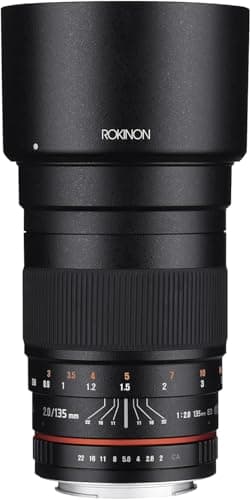
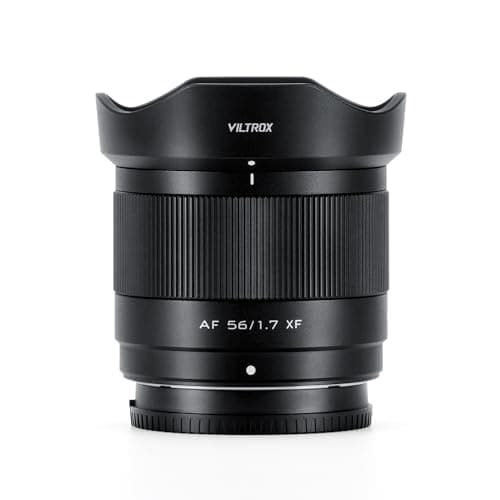
These are the best prime lenses for concert photography when you want fast apertures, sticky Eye AF in low contrast, disciplined flare/ghosting against brutal LEDs, and punchy color—whether you’re in the pit, backstage, up in the seats, or on a small club stage—and here’s what to look for as you buy: prioritize speed (ƒ1.2–ƒ1.8 for people; ƒ2 for longer teles), strong wide-open contrast with controlled longitudinal CA on specular highlights, quiet linear/STM motors that won’t chatter on quiet passages, reliable manual focus throw for fine tuning, minimal focus breathing if you film, and stabilization strategy (IS/OSS or IBIS) for handheld ballads; coatings matter—pick glass that resists veiling flare from spotlights and LED walls, and favor threaded fronts (67–82mm) if you need a clear protector per venue rules. Full-frame pit-to-stage heroes (Sony/Nikon/Canon/L-mount): 24mm ƒ1.4 (Sony FE 24/1.4 GM, Sigma 24/1.4 DG DN Art, Canon RF 24/1.8 IS, Nikon Z 24/1.8 S) for wide context with clean faces, 35mm ƒ1.4–ƒ1.8 (Sony FE 35/1.4 GM, Sigma 35/1.4 DN, Nikon Z 35/1.8 S, Canon RF 35/1.8 IS) for storytelling and stage edge, 50mm ƒ1.2–ƒ1.4 (Sony FE 50/1.4 GM or 1.2 GM, Canon RF 50/1.2L, Sigma 50/1.4 DN, Nikon Z 50/1.8 S as a value killer) for lead-singer punch, 85mm ƒ1.4–ƒ1.8 (Sony FE 85/1.4 GM, Sigma 85/1.4 DN, Nikon Z 85/1.8 S, Canon RF 85/2 IS) for intimate portraits from the aisle, and 135mm ƒ1.8 (Sony FE 135/1.8 GM, Sigma 135/1.8 Art, Canon RF 135/1.8L IS) for tight headliners with creamy backgrounds; macro-capable primes like RF 85/2 IS, Sony FE 90/2.8 Macro OSS, and Nikon Z MC 105/2.8 pull double duty for rings, picks, and pedalboards. APS-C standouts for nimble kits and smaller pits: Sony E 11mm ƒ1.8 (tight clubs), E 15mm ƒ1.4 G (22.5-eq with threads), Sigma 16/30/56mm ƒ1.4 DC DN trio (legendary value and low-light sharpness), Sony E 35/1.8 OSS and 50/1.8 OSS (stabilized classics), Fujifilm XF 16/1.4, XF 18/1.4, XF 23/1.4 LM WR, XF 33/1.4 LM WR, and XF 56/1.2 WR (buttery portraits with fast linear AF), plus Viltrox 75/1.2 Pro (Fuji X) for creamy tele looks. Micro Four Thirds picks that punch above their size: OM SYSTEM 17/25/45mm ƒ1.2 Pro (rounded blades, weather-sealed), Olympus 45mm ƒ1.8 and 75mm ƒ1.8 (tiny tele portraits), Panasonic Leica 25mm ƒ1.4 and 42.5mm ƒ1.2 Nocticron OIS (lux rendering with stabilization), and Panasonic 20mm ƒ1.7 for featherweight clubs. Practical buyer tips: build a two- or three-prime spine you trust—24/1.4 + 50/1.4 + 85/1.8 covers most stages; standardize front diameters for one clear protector (skip CPLs—polarizers nuke gel color and create uneven skies in outdoor festivals); chase lenses with robust hoods and nano coatings for head-on spots; if you shoot hybrid, test breathing and AF smoothness (many modern 24/1.4, 35/1.4, 50/1.4 designs behave well) and enable linear MF where supported; keep firmware current for Eye AF and flicker handling improvements. Field technique that lands keepers: shoot Manual or T/Av with Auto-ISO and a smart ceiling (ISO 12,800–25,600), lock motion around 1/160–1/320s for performers (1/500s+ for jumps), work near wide open and stop 1/3–2/3 stop for eyelash-sharp faces, use Eye AF with a movable point to survive backlight, ride exposure comp to protect gels/spotlit skin, and trust the histogram over the rear preview; brace elbows, time shots between cymbal hits to minimize micro-shake, and fire short bursts to net a tack frame; mind stage haze and lasers—use the hood always and avoid direct hits into the front element; for video, set a 180° shutter (~1/100–1/125s at 24/25p under LED), enable breathing compensation, use IS/IBIS for walk-throughs, and set slow AF transitions for cinematic racks. Whether you’re in sweaty punk basements, neon-drenched theaters, festival main stages, or acoustic halls, the best prime lenses for concert photography combine big apertures, flare-savvy coatings, quiet, confident AF, and reliable handling—so your stage images stay sharp, colorful, and electric.
Lenses by brand:
Lenses by price:
Lenses by type:
Lenses by feature:
Lenses by use case:
- Best Prime Lenses for Aerial Photography
- Best Prime Lenses for Architectural Photography
- Best Prime Lenses for Astrophotography
- Best Prime Lenses for Automotive Photography
- Best Prime Lenses for Concert Photography
- Best Prime Lenses for Event Photography
- Best Prime Lenses for Food Photography
- Best Prime Lenses for Headshot Photography
- Best Prime Lenses for Landscape Photography
- Best Prime Lenses for Lifestyle Photography
- Best Prime Lenses for Macro Photography
- Best Prime Lenses for Nature Photography
- Best Prime Lenses for Night Photography
- Best Prime Lenses for Pet Photography
- Best Prime Lenses for Photojournalism
- Best Prime Lenses for Portrait Photography
- Best Prime Lenses for Product Photography
- Best Prime Lenses for Real Estate Photography
- Best Prime Lenses for Sports Photography
- Best Prime Lenses for Street Photography
- Best Prime Lenses for Studio Photography
- Best Prime Lenses for Travel Photography
- Best Prime Lenses for Wedding Photography
- Best Prime Lenses for Wildlife Photography
- Best Prime Lenses for Video
Lenses by experience:
Cameras: