
-primary-image.jpg&w=3840&q=75)
-primary-image.jpg&w=3840&q=75)
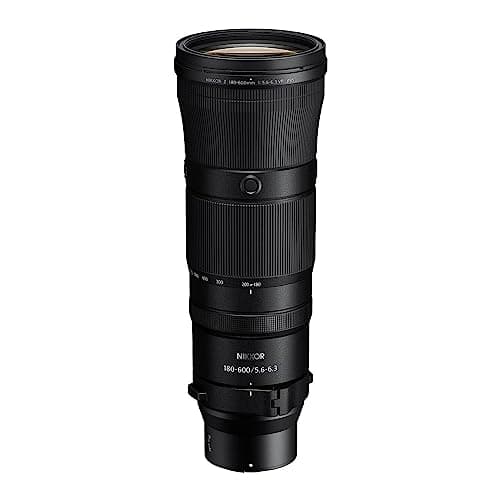
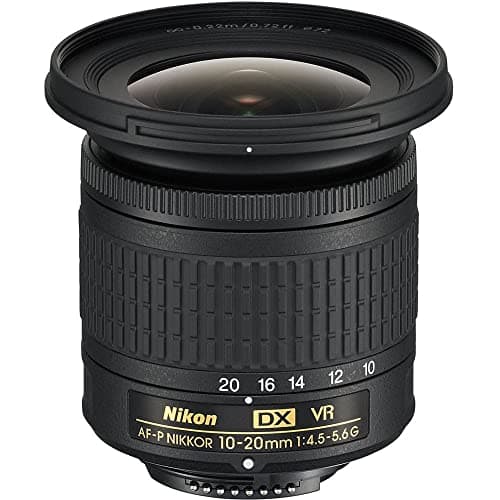
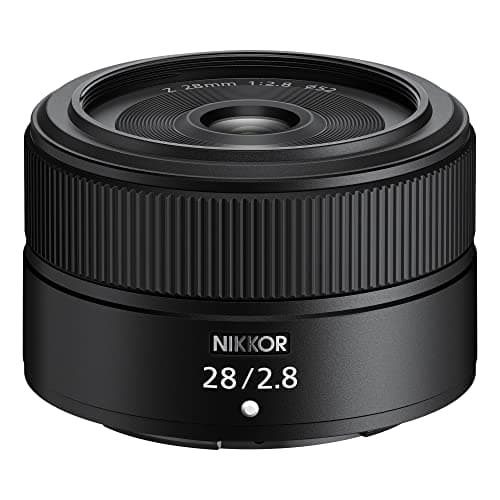
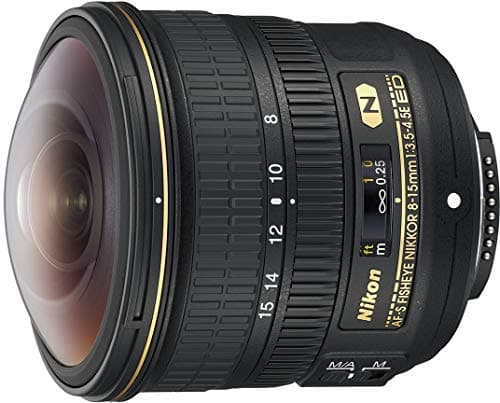
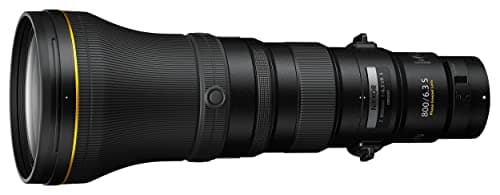
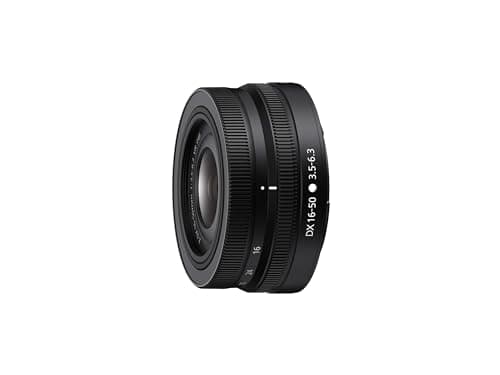
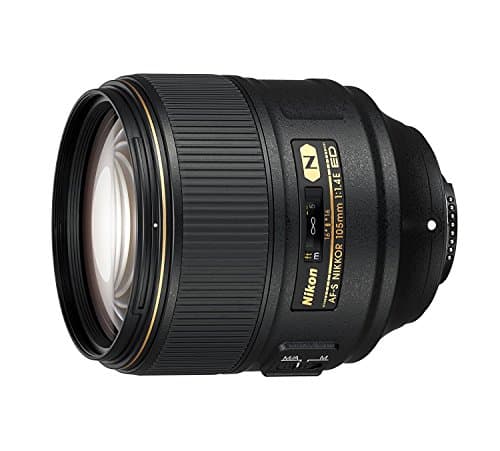
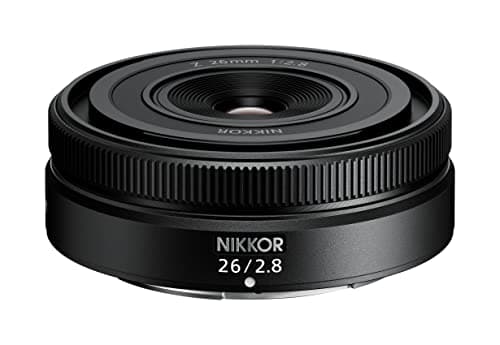
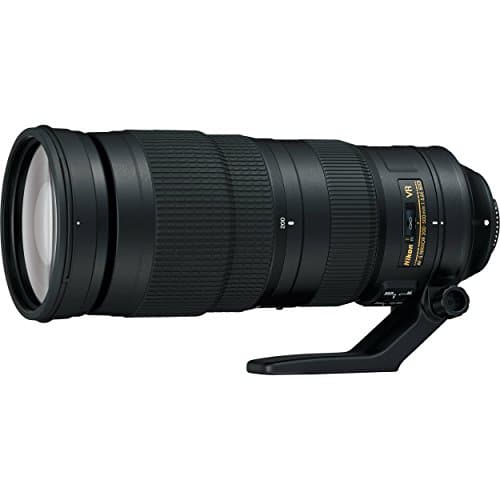
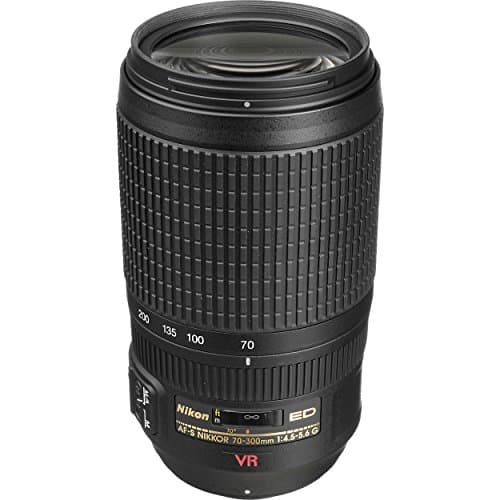
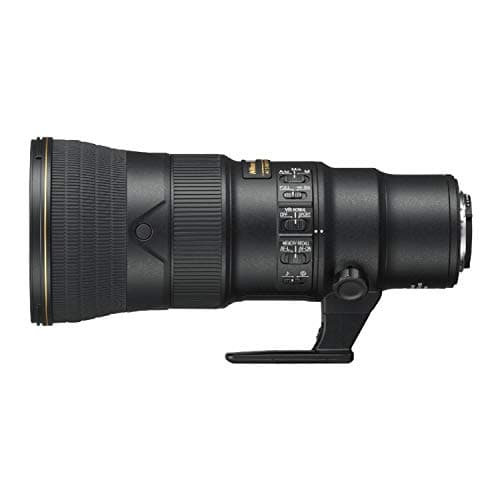
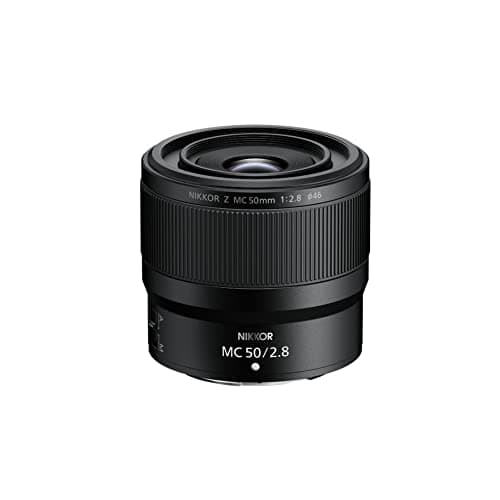
* Product prices and availability are accurate as of the date/time indicated and are subject to change. Any price and availability information displayed on Amazon.com at the time of purchase will apply to the purchase of this product.
* Imaginated.com may receive compensation for purchases made at participating retailers linked on this site. This compensation does not affect what products or prices are displayed, or the order of prices listed. Learn more here.
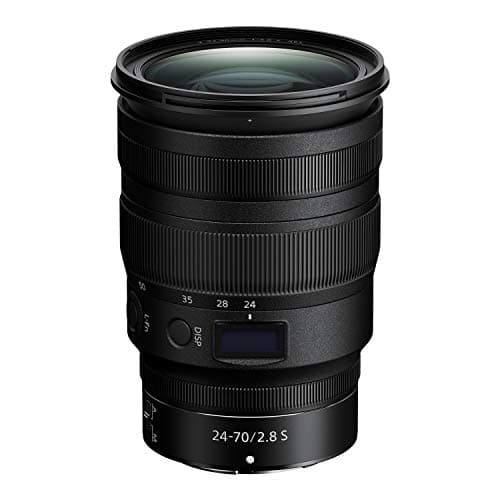
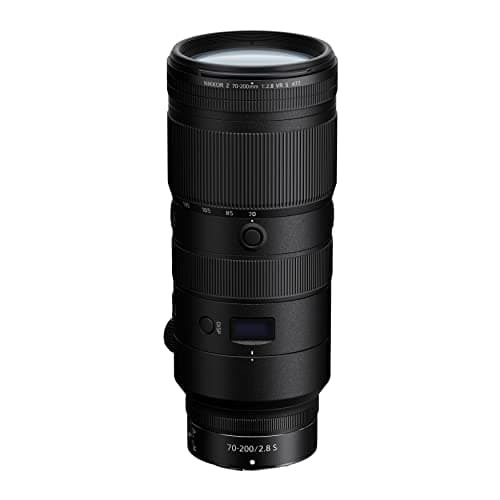
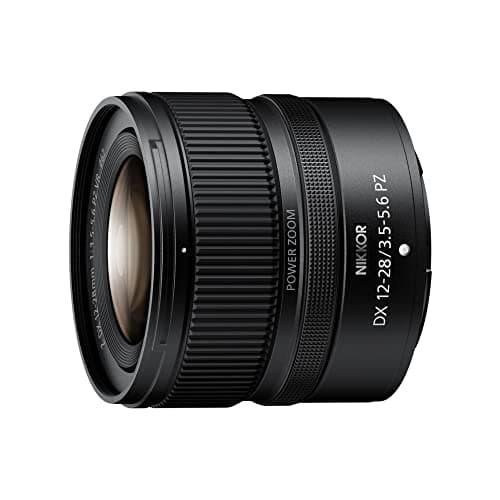
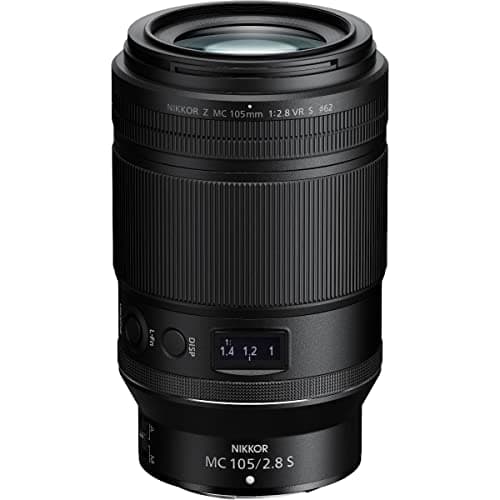
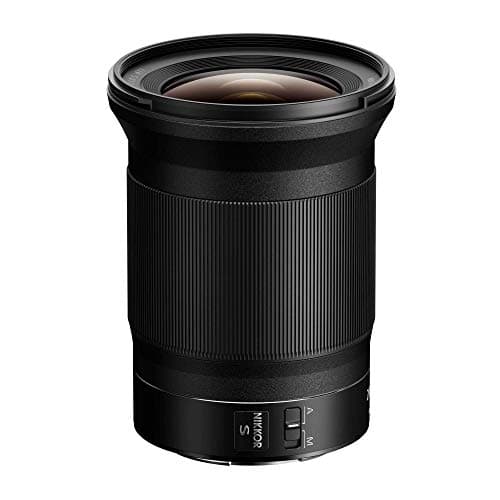
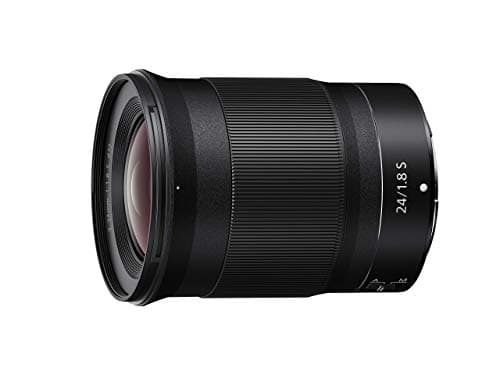
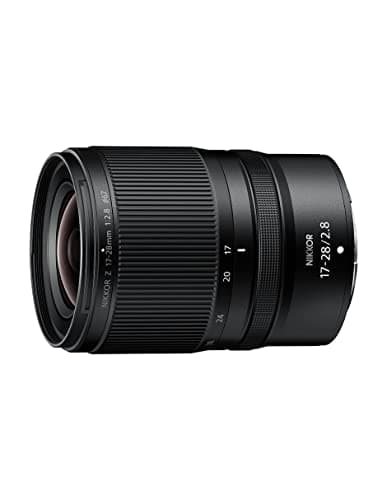
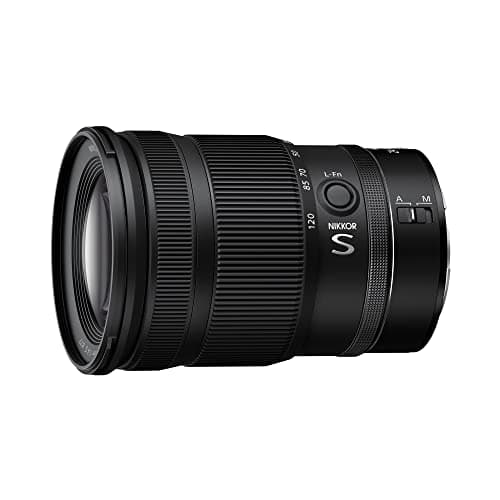
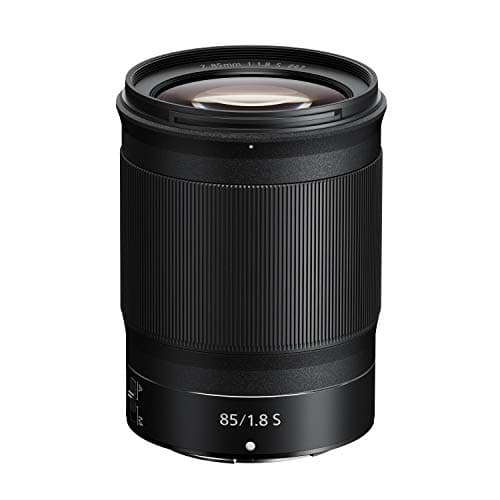
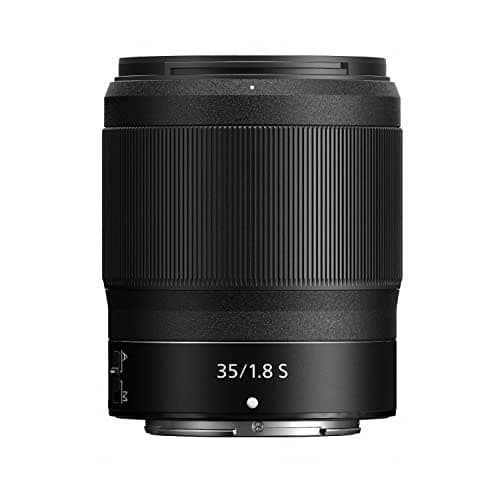
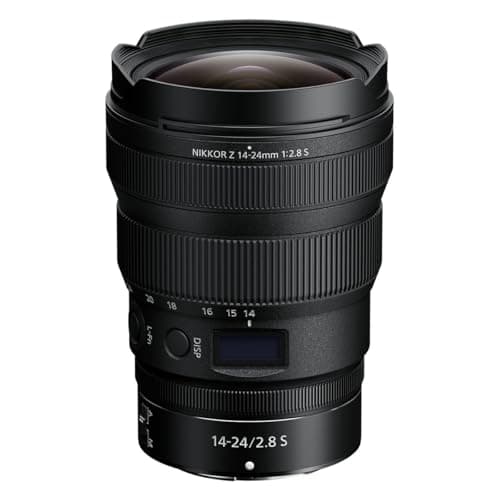
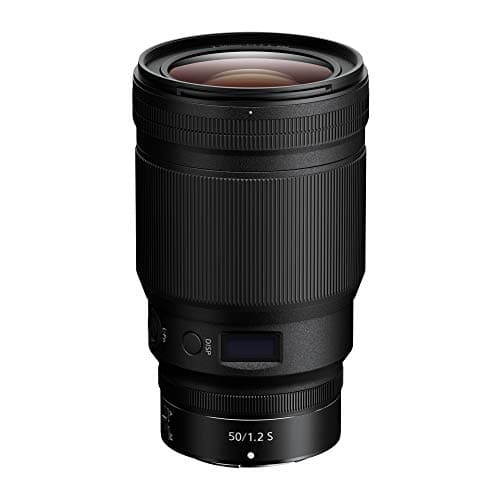
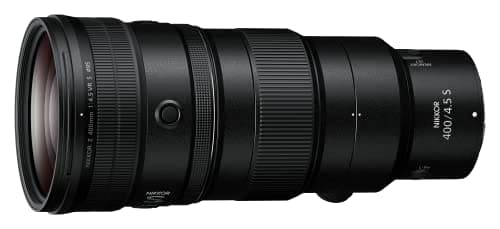
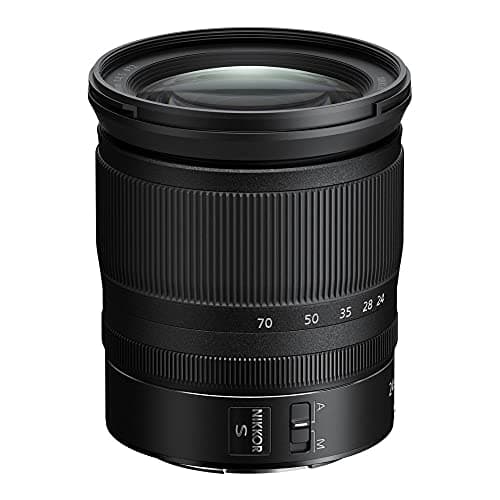
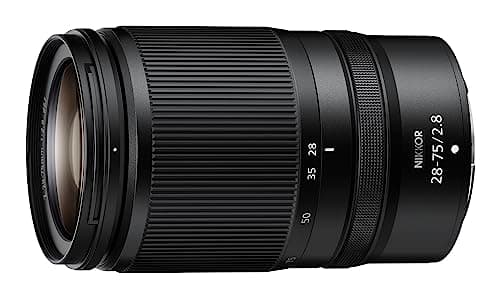
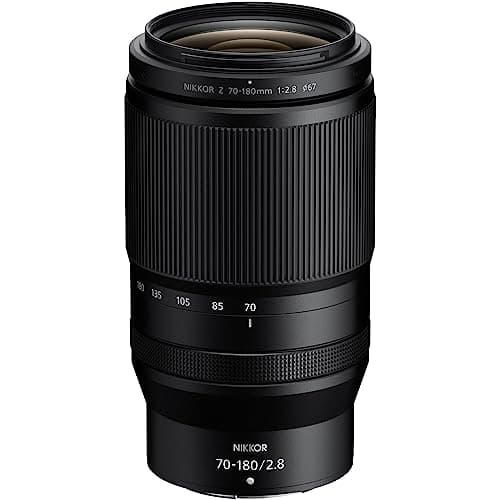
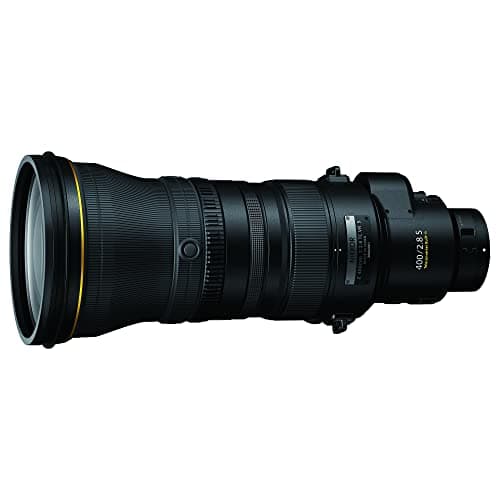
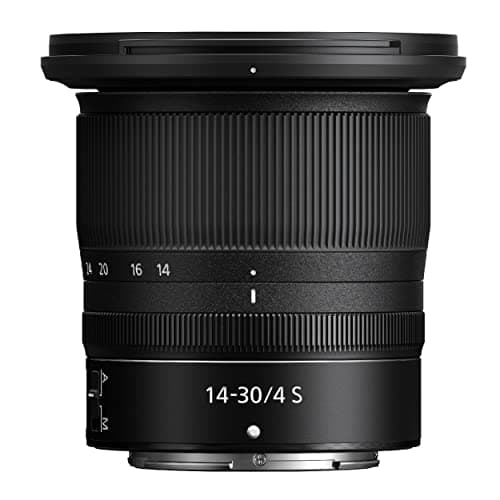
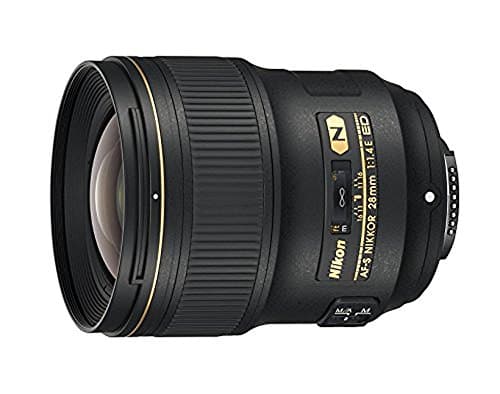
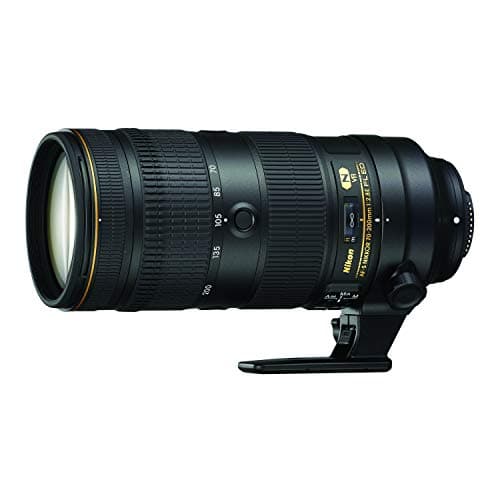
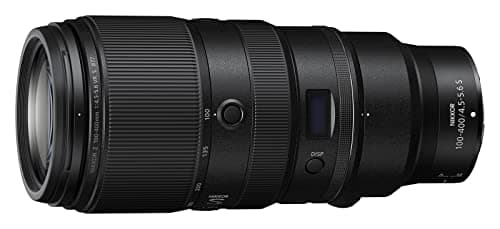
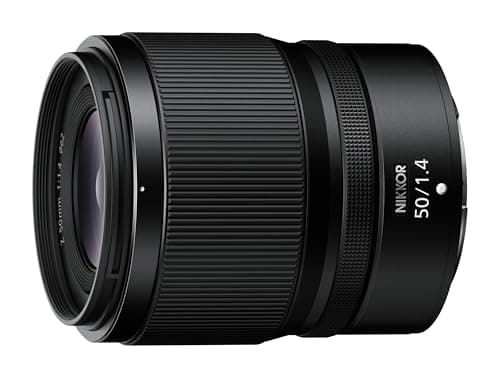
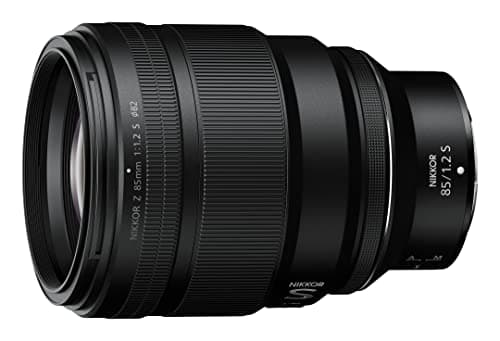
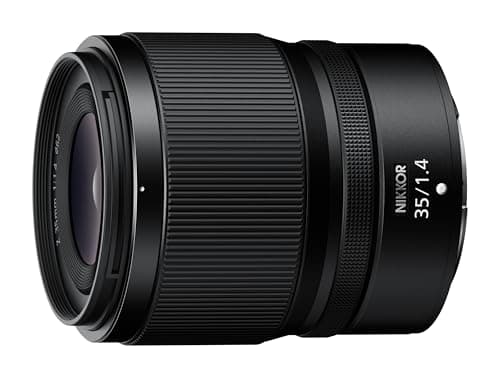
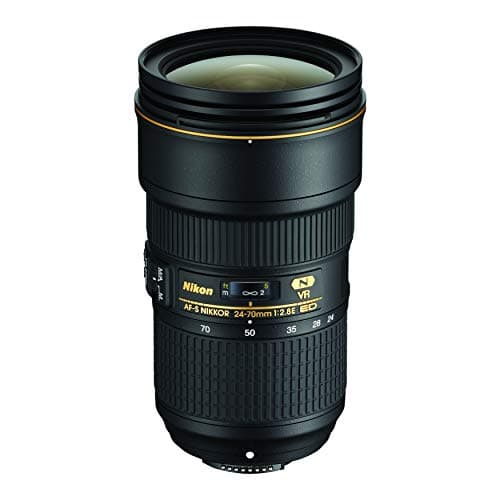
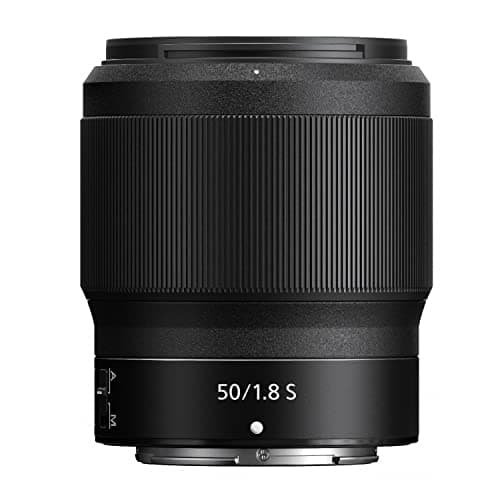
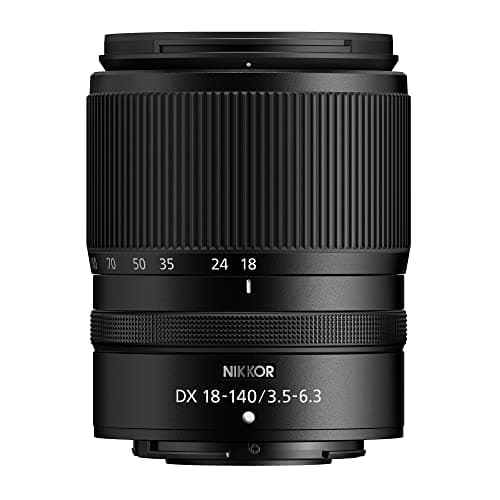
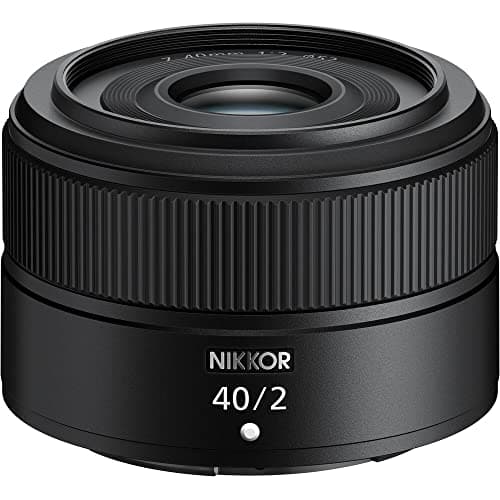
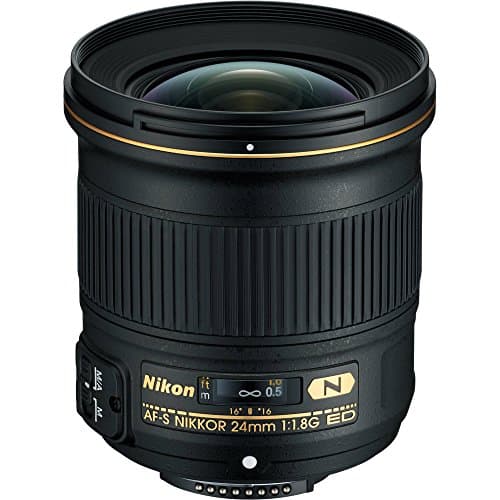
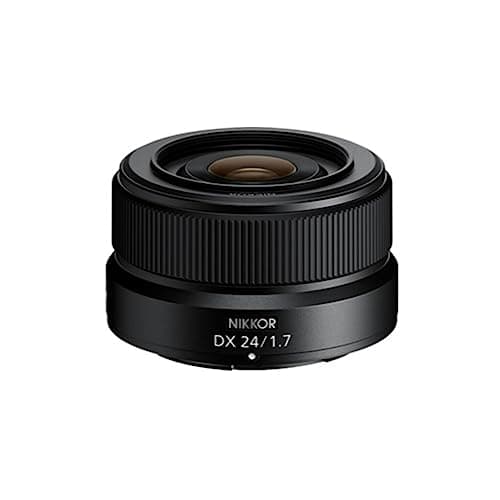
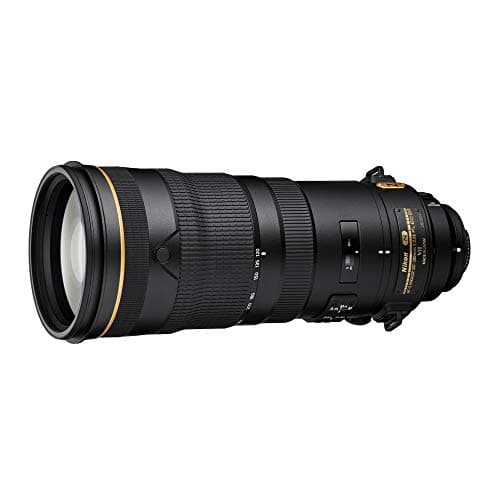
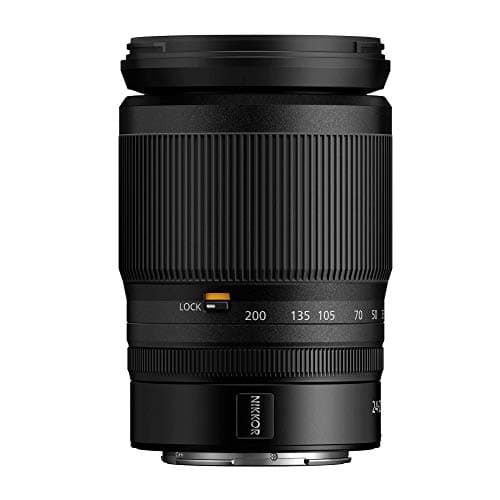
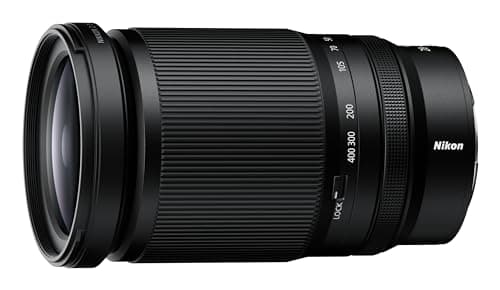
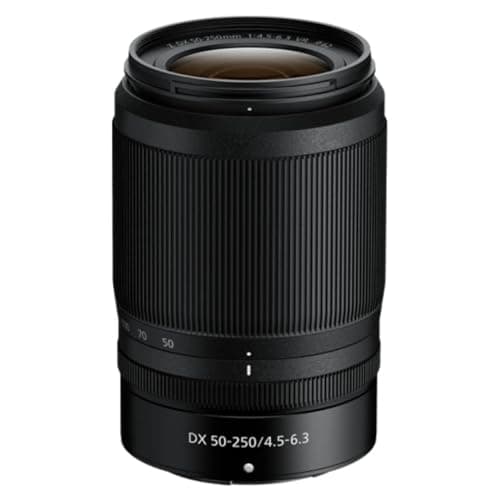
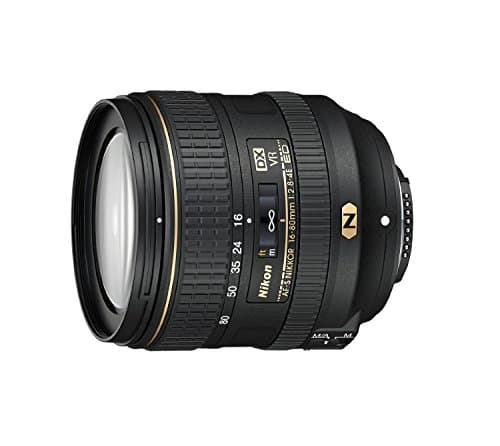
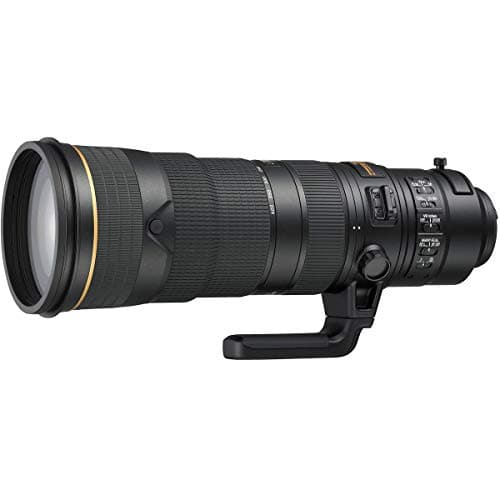
These are the best Nikon lenses for video, chosen for how they deliver quiet, confident autofocus, minimal focus breathing, smooth exposure control, reliable stabilization, and weather-ready handling—mixing sharp S-line zooms/primes in Z-mount with budget standouts, adaptable F-mount classics via FTZ, and a few native-Z cine/anamorphic options. Video is about steadiness and control: parfocal-like zoom behavior (or close to it), consistent color across lenses, focus rings you can pull by feel, and optics whose rendering stays calm under mixed light; pair lens VR with IBIS, assign the Z control ring to aperture/ISO/ISO fine-tune, and keep rigs light for gimbals. Start with the NIKKOR Z 24–70mm f/2.8 S as the run-and-gun spine—prime-like sharpness, very low breathing, close focus for cutaways, smooth fly-by-wire MF, and silent AF—then add the Z 70–200mm f/2.8 S for interviews, stage, compressed b-roll, and sports cut-ins (takes Z 1.4×/2.0× TCs cleanly with restrained breathing); the Z 24–120mm f/4 S is a superb one-lens doc/travel option with consistent color and honest geometry, while the compact Z 28–75mm f/2.8 and Z 17–28mm f/2.8 form a lightweight, gimbal-friendly duo from interiors to night streets; for ultrawide establishing shots and astro/time-lapse, the Z 14–24mm f/2.8 S brings flagship sharpness, controlled flare, and rear-gel options. Prime anchors with cinematic falloff and quiet motors include the Z 20mm/24mm/35mm/50mm f/1.8 S set (neutral color, tidy flare, gentle bokeh) and upgrades like the Z 50mm f/1.2 S and Z 85mm f/1.2 S when you need luxurious separation with sticky AF; the Z 85mm f/1.8 S remains the featherweight interview hero, and the Z 135mm f/1.8 S Plena gives long, cat’s-eye-free compression that grades beautifully. Macro detail for product/food/beauty belongs to the NIKKOR Z MC 105mm f/2.8 VR S—flat field, near-APO control, quiet AF with limiter, and polished bokeh—while the tiny Z MC 50mm f/2.8 covers overheads and tight tabletops. For wildlife, events, and travel reach, the Z 100–400mm f/4.5–5.6 S focuses fast with excellent close-focus for “compressed macro,” and the Z 180–600mm f/5.6–6.3 adds internal-zoom balance that behaves predictably on monopods and shoulder rigs; the Z 70–180mm f/2.8 is a light, budget-friendly tele with pleasing rendering. DX shooters get a gift in the NIKKOR Z DX 12–28mm f/3.5–5.6 PZ VR—true power-zoom for smooth, speed-controlled pulls on gimbals—backed by the tiny Z DX 16–50mm VR and Z DX 50–250mm VR for stabilized coverage; the Z DX 24mm f/1.7 handles low-light interviews, and Viltrox 23/33/56mm f/1.4 Z add quiet, fast primes on a budget. Via FTZ, F-mount workhorses stay relevant: AF-S 24–70mm f/2.8G/E and 70–200mm f/2.8G/FL for classic two-zoom storytelling, AF-S 16–35mm f/4G VR for filter-friendly wides, AF-S 35/50/85mm f/1.8G for small, neutral primes, and AF-S Micro 105mm f/2.8G VR for detail; third-party F-mount zooms (Sigma/Tamron 24–70/2.8, 70–200/2.8) adapt well with quiet AF. Native-Z cine and creative looks are growing: Meike FF-Prime (T2.1) and APS-C lines in Z-mount offer geared rings and consistent T-stops, while Sirui/Z-mount anamorphics (1.33×/1.6×) and Laowa Nanomorphs bring cinematic squeeze and characteristic flares in compact barrels; for super-macro B-roll, Laowa 90mm/100mm 2× Ultra Macro APO (Z) and the Laowa 24mm Probe (F/Z) create unique perspectives without breathing drama. What makes these “best” for video: quiet STM/linear-feel MF, low focus breathing (S-line excels), restrained LoCA so speculars don’t fringe, coated optics that keep contrast under backlights and LEDs, smooth aperture changes via body or control ring, and VR/IBIS synergy for handheld drift; internal-zoom options balance rigs better, and consistent color across S-line cuts simplifies grading. Technique turns glass into cinematic results—follow a 180° shutter (1/50–1/125 depending on frame rate), set AF speed/sensitivity for subject and scene, use subject-detect AF for faces but switch to manual with peaking for repeatable racks, keep a good variable ND (or matte box) to hold aperture, standardize filter sizes with step-ups, and use breathing compensation if your body supports it; balance gimbals with mid-range zooms that don’t extend wildly, stabilize longer lenses on a monopod, and record scratch + dual-system audio to keep AF noise invisible. Practical kit recipes are simple: run-and-gun spine—Z 24–70/2.8 S + Z 70–200/2.8 S with MC 105/2.8 S for detail; lightweight f/2.8 duo—Z 17–28/2.8 + Z 28–75/2.8 and a fast 50/1.8 S for night; doc/travel—Z 24–120/4 S plus Z 100–400 S for reach, with 20/1.8 S in pocket; gimbal set—DX 12–28 PZ VR (or FX 20/1.8 S/24/1.8 S) and 28–60/4–5.6 for tiny rigs; cine look—Meike T2.1 Z-primes (24/35/50/85) or Sirui/Laowa anamorphics for stylized projects; FTZ value—AF-S 24–70/2.8 + 70–200/2.8 with 35/1.8G and Micro 105/2.8G. Whether you’re filming weddings and docs, commercial b-roll and interviews, travel reels and city nights, or wildlife sequences on a monopod, the best Nikon video lenses deliver quiet, controllable focus, low breathing, consistent color, and stabilized, weather-tough handling that make footage look polished, intentional, and cinematic straight out of camera.
Lenses by brand:
- Best Canon Lenses for Video
- Best Fujifilm Lenses for Video
- Best Leica Lenses for Video
- Best Nikon Lenses for Video
- Best Olympus Lenses for Video
- Best Panasonic Lenses for Video
- Best Pentax Lenses for Video
- Best Rokinon Lenses for Video
- Best Sigma Lenses for Video
- Best Sony Lenses for Video
- Best Tamron Lenses for Video
- Best Tokina Lenses for Video
- Best Zeiss Lenses for Video
Lenses by price:
Lenses by type:
Lenses by sensor:
Lenses by feature:
Lenses by use case:
- Best Nikon Lenses for Aerial Photography
- Best Nikon Lenses for Architectural Photography
- Best Nikon Lenses for Astrophotography
- Best Nikon Lenses for Automotive Photography
- Best Nikon Lenses for Bird Photography
- Best Nikon Lenses for Boudoir Photography
- Best Nikon Lenses for Cityscape Photography
- Best Nikon Lenses for Concert Photography
- Best Nikon Lenses for Documentary Photography
- Best Nikon Lenses for Event Photography
- Best Nikon Lenses for Fashion Photography
- Best Nikon Lenses for Fine Art Photography
- Best Nikon Lenses for Food Photography
- Best Nikon Lenses for Headshot Photography
- Best Nikon Lenses for Jewelry Photography
- Best Nikon Lenses for Landscape Photography
- Best Nikon Lenses for Lifestyle Photography
- Best Nikon Lenses for Macro Photography
- Best Nikon Lenses for Medical Photography
- Best Nikon Lenses for Nature Photography
- Best Nikon Lenses for Newborn Photography
- Best Nikon Lenses for Night Photography
- Best Nikon Lenses for Pet Photography
- Best Nikon Lenses for Photojournalism
- Best Nikon Lenses for Portrait Photography
- Best Nikon Lenses for Product Photography
- Best Nikon Lenses for Real Estate Photography
- Best Nikon Lenses for Sports Photography
- Best Nikon Lenses for Still Life Photography
- Best Nikon Lenses for Street Photography
- Best Nikon Lenses for Studio Photography
- Best Nikon Lenses for Travel Photography
- Best Nikon Lenses for Underwater Photography
- Best Nikon Lenses for Wedding Photography
- Best Nikon Lenses for Wildlife Photography
- Best Nikon Lenses for Video
Lenses by experience:
Cameras: