
10 Best Macro Lenses for Studio Photography in 2026
Filters:
Name | Features | Price |
|---|---|---|
Sigma 105mm F2.8 DG DN Macro⭐ 4.9 / 5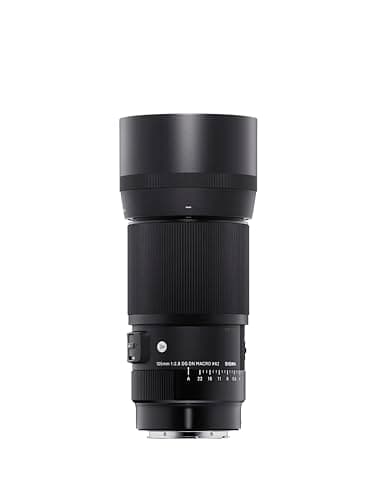 | ||
Name | Features | Price |
Canon TS-E 50mm F2.8L Macro⭐ 4.9 / 5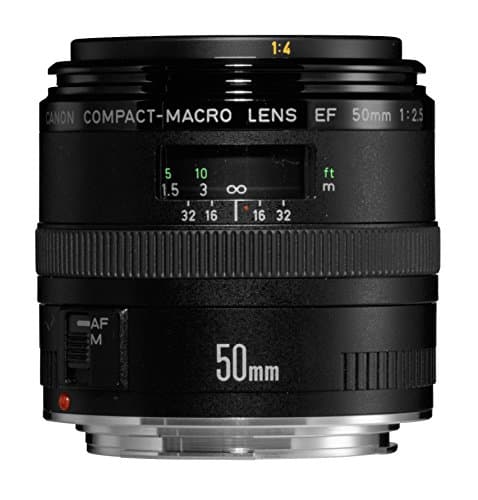 | ||
Name | Features | Price |
Nikon Nikkor Z MC 105mm F2.8 VR S⭐ 4.9 / 5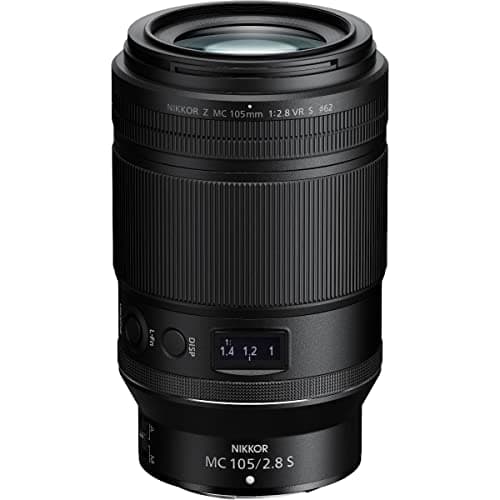 | ||
Name | Features | Price |
Voigtlander 65mm F2 Macro APO-Lanthar⭐ 4.9 / 5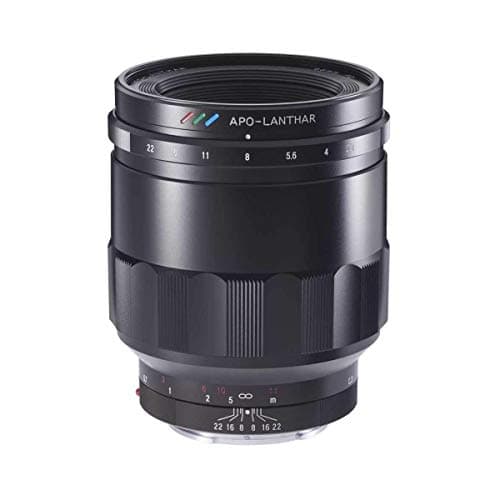 | ||
Name | Features | Price |
Fujifilm GF 110mm F5.6 T/S Macro⭐ 4.9 / 5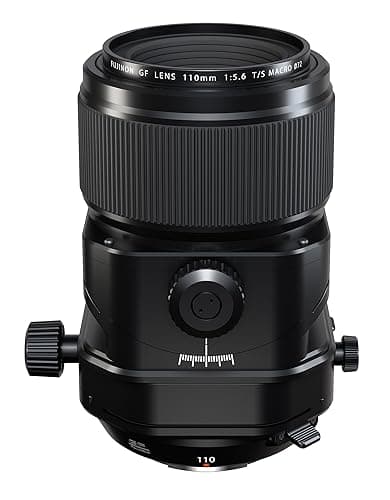 | ||
Name | Features | Price |
Canon TS-E 135mm F4L Macro⭐ 4.9 / 5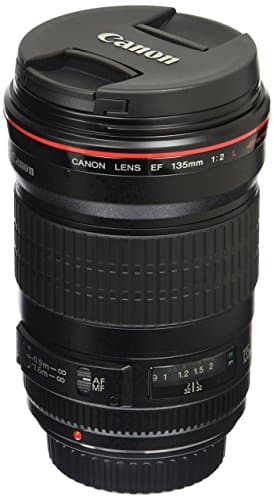 | ||
Name | Features | Price |
Tamron 90mm F2.8 Di III Macro VXD⭐ 4.9 / 5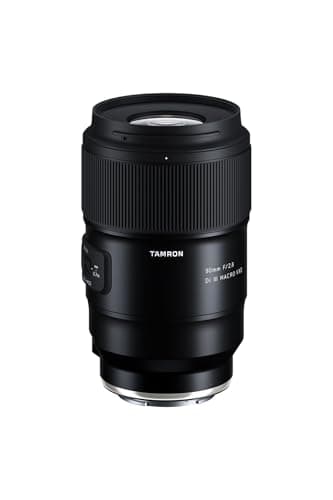 | ||
Name | Features | Price |
Zeiss Milvus 50mm F2 Macro⭐ 4.9 / 5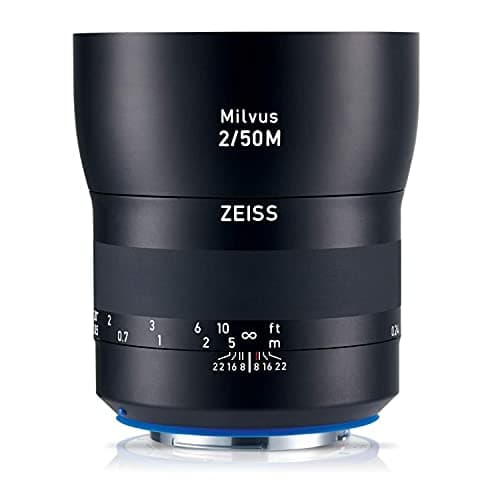 | ||
Name | Features | Price |
Canon TS-E 90mm F2.8L Macro⭐ 4.9 / 5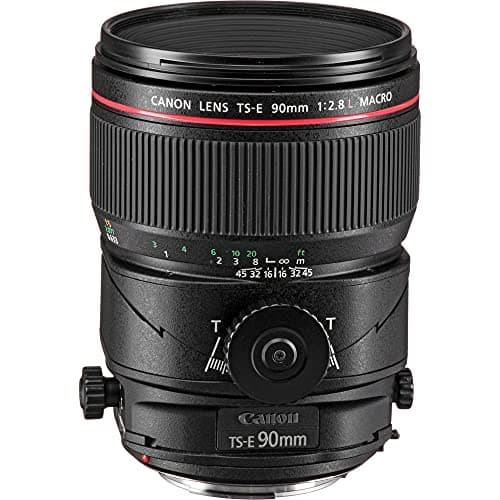 | ||
Name | Features | Price |
Hasselblad XCD 120mm F3.5 Macro⭐ 4.9 / 5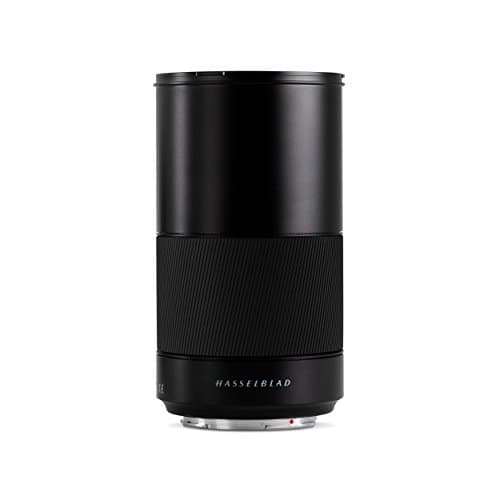 |
* Product prices and availability are accurate as of the date/time indicated and are subject to change. Any price and availability information displayed on Amazon.com at the time of purchase will apply to the purchase of this product.
* Imaginated.com may receive compensation for purchases made at participating retailers linked on this site. This compensation does not affect what products or prices are displayed, or the order of prices listed. Learn more here.
These are the best macro lenses for studio photography when you want flat-field precision, neutral color, and velvety, controllable blur on cosmetics, tech, beverages, jewelry, textiles, and artwork—under repeatable light—and here’s what to look for as you buy: prioritize true 1:1 magnification (2:1 for micro-print and textures), apochromatic/low-LoCA designs to keep purple/green fringing off glossy edges, very low distortion and disciplined corners for packaging and flat-lays, long and smooth manual-focus throw for stacking, internal focusing with a limiter for confident AF around reflective surfaces, and—if you ever handhold—stabilization (VR/IS/OSS/OIS or strong IBIS pairing), though rails and strobes matter more in studio; pick focal length by working distance—~90–105mm for room to place scrims/flags and to clean up reflections, ~50–70mm for cramped tables and copy work, and consider tilt-shift macros for plane control on boxes, watches, and books. Full-frame studio heroes: Sony FE 90mm ƒ2.8 Macro G OSS (benchmark flat-field and color neutrality), Canon RF 100mm ƒ2.8L Macro IS USM (1.4× reach with Hybrid IS and SA Control to tune specular glow), Canon EF 100mm ƒ2.8L IS USM (classic stabilized value), Nikon Z MC 105mm ƒ2.8 VR S (low LoCA, razor micro-contrast, VR), Sigma 105mm ƒ2.8 DG DN Macro Art (mirrorless-optimized correction and tidy corners), Tamron SP 90mm ƒ2.8 Di VC USD F017/F004 (VC with graceful rolloff), and Laowa 100mm ƒ2.8 2× APO (manual, true APO, 2× for labels/engraving); plane-control specialists: Canon TS-E 50mm ƒ2.8L Macro, TS-E 90mm ƒ2.8L Macro, TS-E 135mm ƒ4L Macro, and Nikon PC-E 85mm ƒ2.8D Micro (all 1:2 with tilt/shift); tight-set companions: Sony FE 50mm ƒ2.8 Macro, Canon RF 85mm ƒ2 Macro IS STM (0.5×), RF 35mm ƒ1.8 Macro IS STM (0.5×). APS-C and Micro Four Thirds standouts: Fujifilm XF 80mm ƒ2.8 R LM OIS WR (OIS, gorgeous contrast for product edges), Fujifilm XF 60mm ƒ2.4 Macro (0.5× portrait/detail hybrid), Laowa 65mm ƒ2.8 2× APO (APS-C manual, zero-CA look at 2×), Sony FE 50mm ƒ2.8 Macro on A6xxx (short-tele field of view; pair with IBIS), Nikon Z MC 50mm ƒ2.8 (tiny, color-true), OM SYSTEM M.Zuiko 60mm ƒ2.8 Macro (beloved 1:1 with focus scale), OM SYSTEM 90mm ƒ3.5 Macro IS PRO (2:1 with Sync IS and exquisite control), and Panasonic Leica 45mm ƒ2.8 Macro-Elmarit OIS (compact, stabilized, elegant rendering). Practical buyer tips: choose an APO ~100mm if you shoot reflective glass/metal—clean edges slash retouch time; pick 2×-capable lenses (Laowa 100/2×, Laowa 65/2×) for micro-textures and micro-print; tilt-shift macros are transformative for perfectly plane-aligned flat-lays and front-on product shots; standardize filter diameters for one premium CPL, diffusion, and ND; invest first in rails, tethering, scrims/flags, and repeatable lighting before chasing an extra 1/3 stop—control beats speed in studio; used DSLR stabilized macros (EF 100L IS, Tamron 90 VC, Sigma 105 OS, Nikon 105 VR) remain stellar value. Studio macro shooting tips: build large, soft, wraparound light (scrim/tent) and sculpt gradients with white/black cards; use cross-polarization (polarizing film on lights + CPL on lens) to kill harsh glare while letting some life through plastics and glass; stop to ƒ5.6–ƒ11 for depth and edge discipline (watch diffraction past ƒ16 on smaller sensors), switch to manual focus on a rail and bracket short stacks (5–50 frames) for full-depth sharpness, use electronic first curtain/remote to avoid micro-shake, and lock mirrors/shutters as needed; set custom white balance for accurate brand color, keep ISO low, place catchlights intentionally to reveal form, and leave copy space for designers; clean subjects obsessively (blower, microfiber, putty)—dust is gigantic at 1:1—and keep backgrounds matte so the hero pops. Whether you’re photographing skincare kits, beverages, tech gadgets, jewelry, or editorial flat-lays, the best macro lenses for studio photography combine apochromatic correction, flat-field precision, and comfortable working distance—so every edge is clean, every label reads, and every gradient looks premium and intentional.
Lenses by brand:
Lenses by price:
Lenses by sensor:
Lenses by feature:
Lenses by use case:
- Best Macro Lenses for Architectural Photography
- Best Macro Lenses for Astrophotography
- Best Macro Lenses for Automotive Photography
- Best Macro Lenses for Boudoir Photography
- Best Macro Lenses for Concert Photography
- Best Macro Lenses for Fashion Photography
- Best Macro Lenses for Food Photography
- Best Macro Lenses for Headshot Photography
- Best Macro Lenses for Jewelry Photography
- Best Macro Lenses for Landscape Photography
- Best Macro Lenses for Nature Photography
- Best Macro Lenses for Newborn Photography
- Best Macro Lenses for Night Photography
- Best Macro Lenses for Pet Photography
- Best Macro Lenses for Portrait Photography
- Best Macro Lenses for Product Photography
- Best Macro Lenses for Sports Photography
- Best Macro Lenses for Still Life Photography
- Best Macro Lenses for Stock Photography
- Best Macro Lenses for Street Photography
- Best Macro Lenses for Studio Photography
- Best Macro Lenses for Travel Photography
- Best Macro Lenses for Underwater Photography
- Best Macro Lenses for Wedding Photography
- Best Macro Lenses for Wildlife Photography
- Best Macro Lenses for Video
Lenses by experience:
Cameras: