
Best Macro Lenses for Jewelry Photography in 2026
Filters:
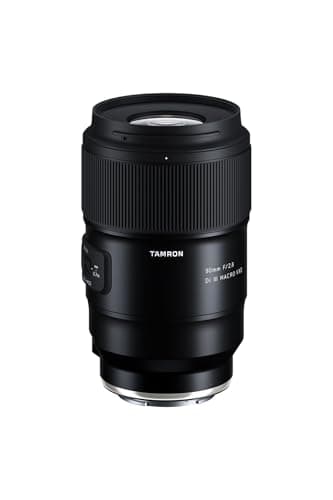
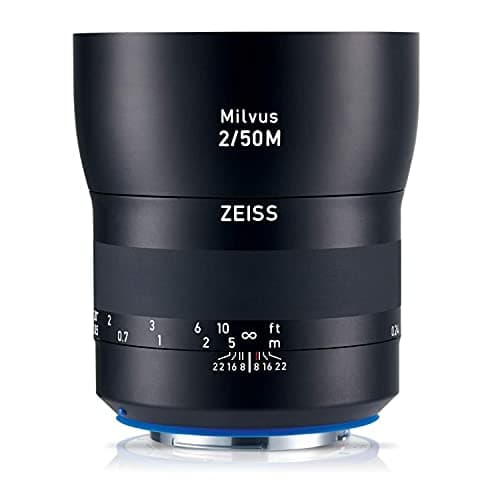
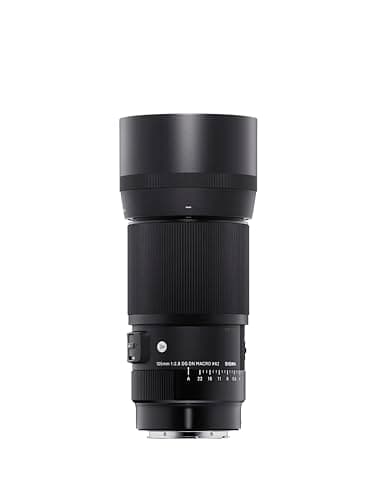
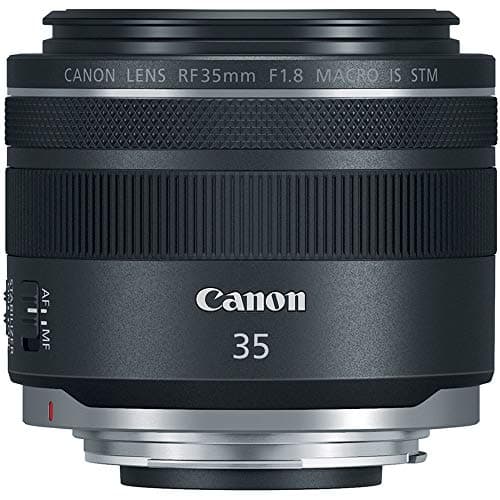
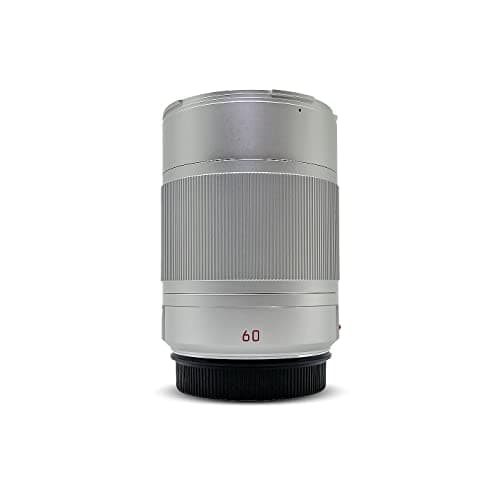
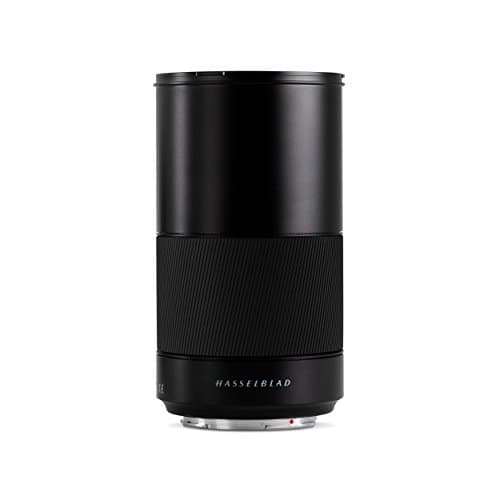
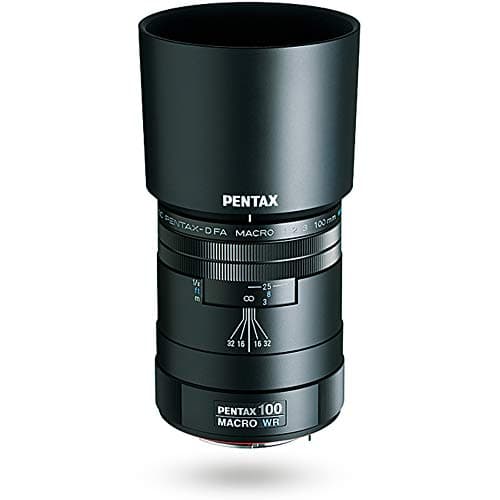
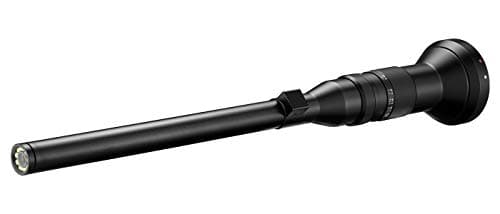
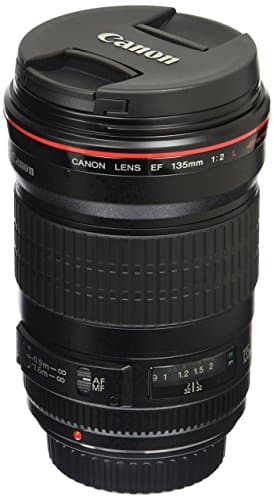
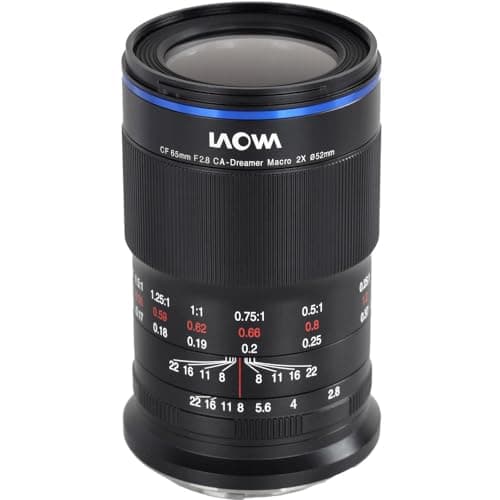
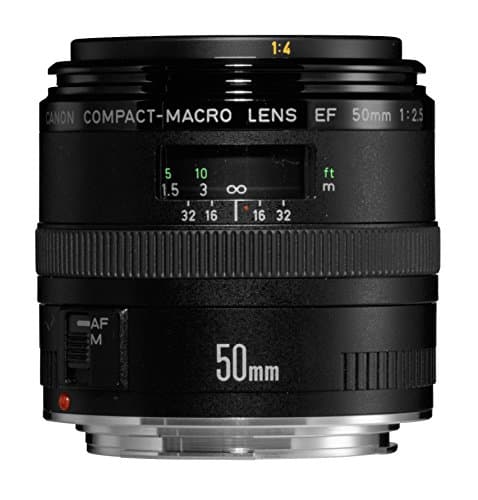
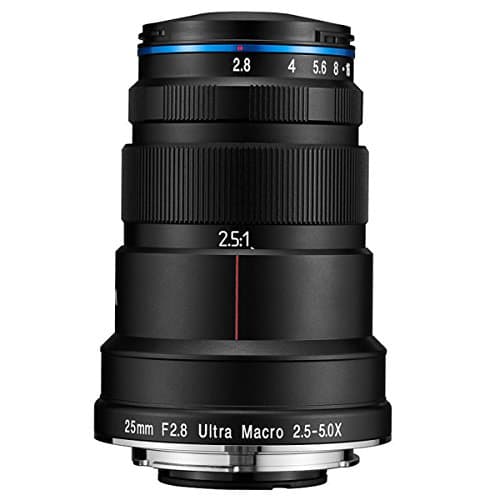
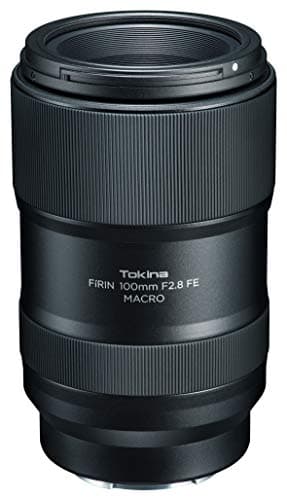
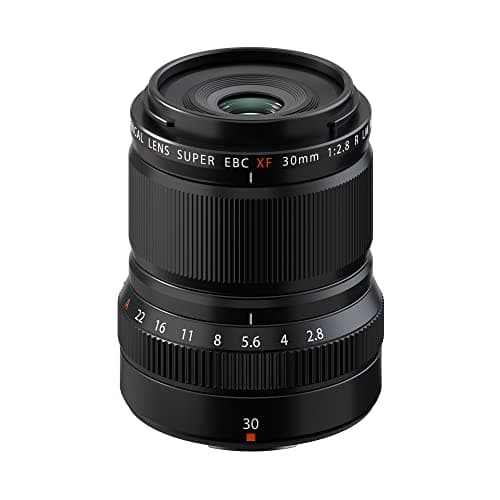
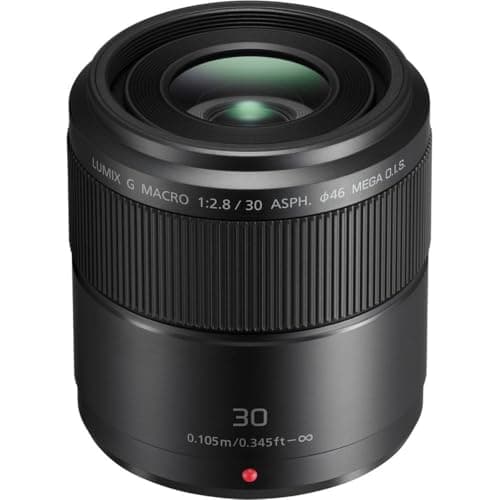
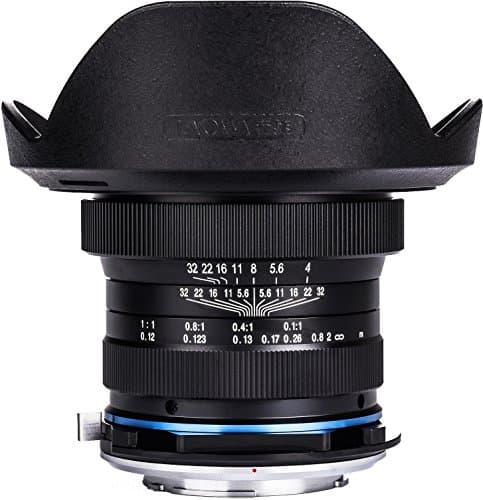
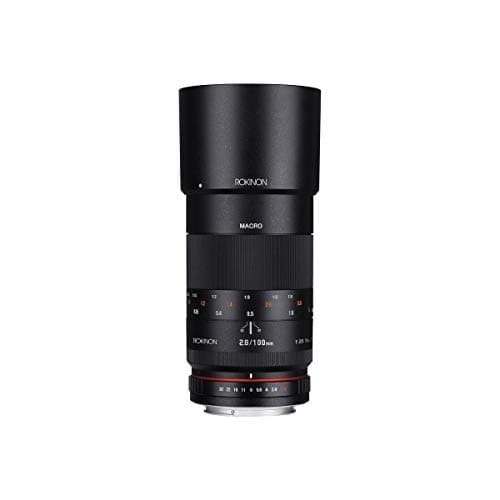
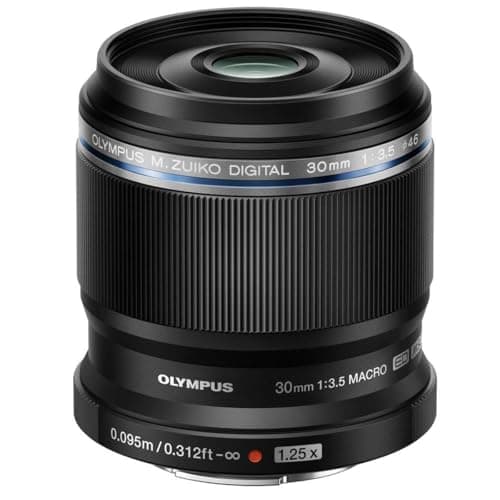
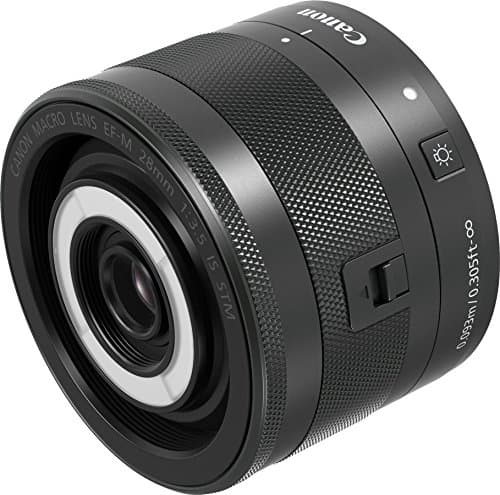
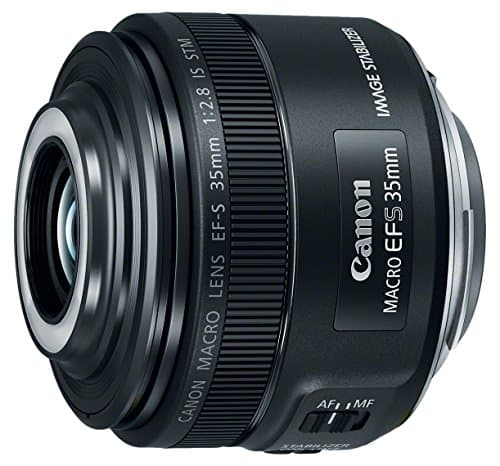
* Product prices and availability are accurate as of the date/time indicated and are subject to change. Any price and availability information displayed on Amazon.com at the time of purchase will apply to the purchase of this product.
* Imaginated.com may receive compensation for purchases made at participating retailers linked on this site. This compensation does not affect what products or prices are displayed, or the order of prices listed. Learn more here.
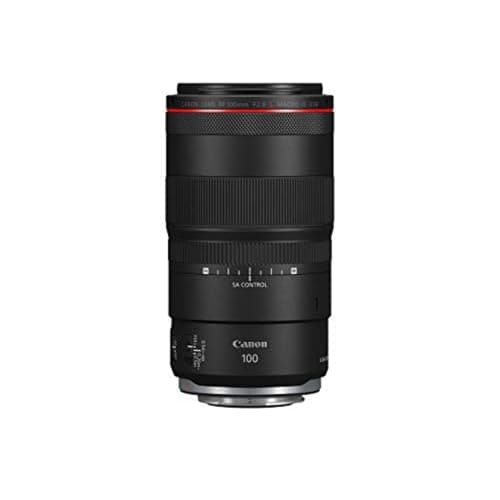
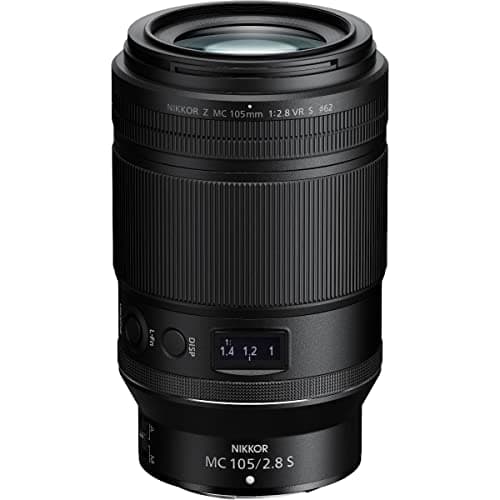
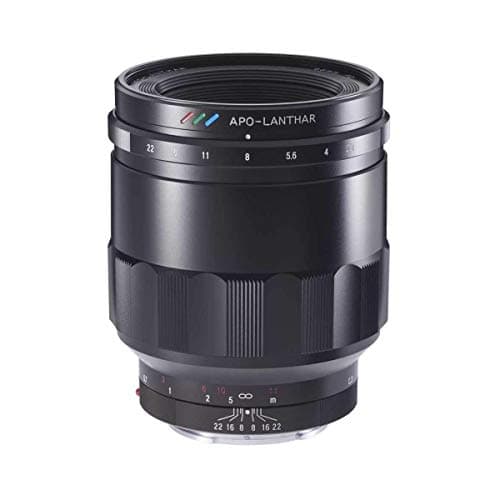
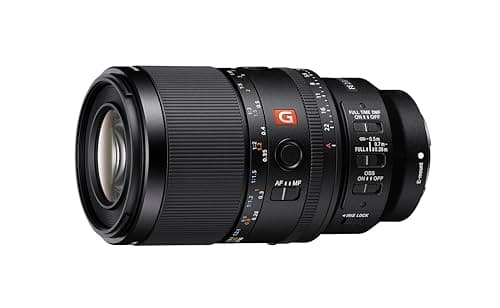
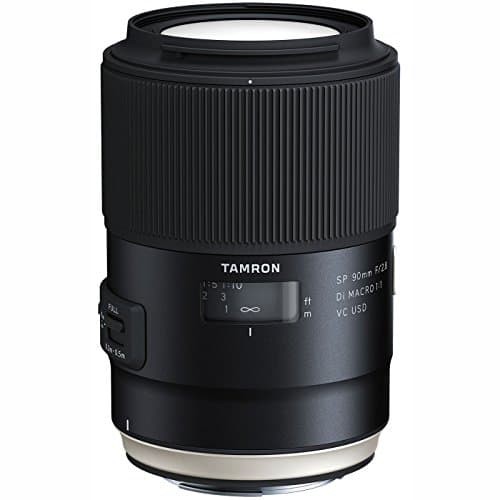
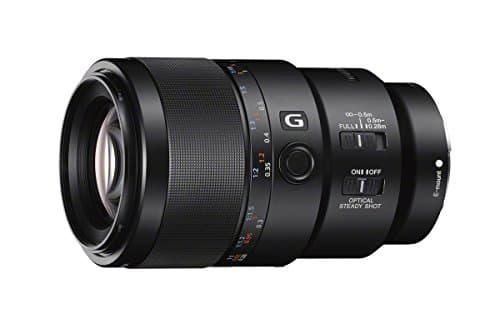
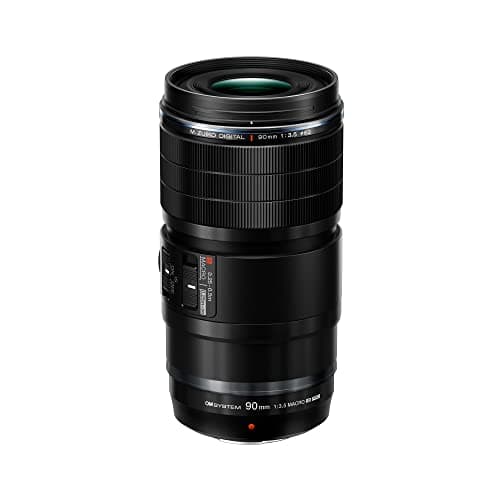
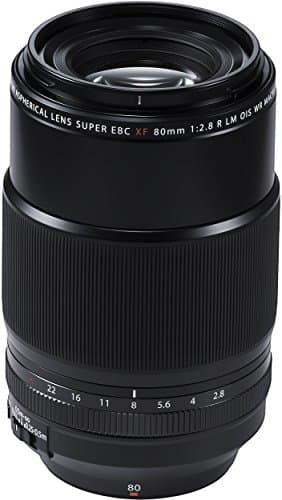
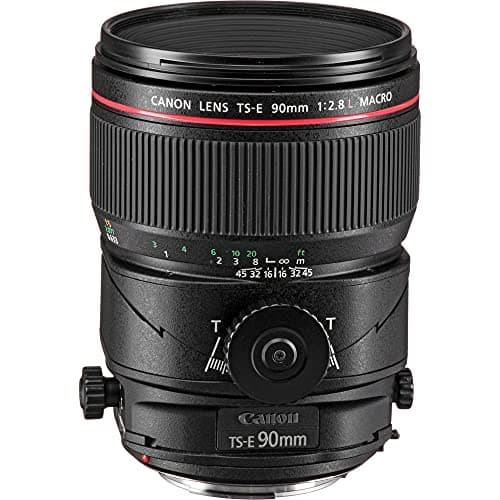
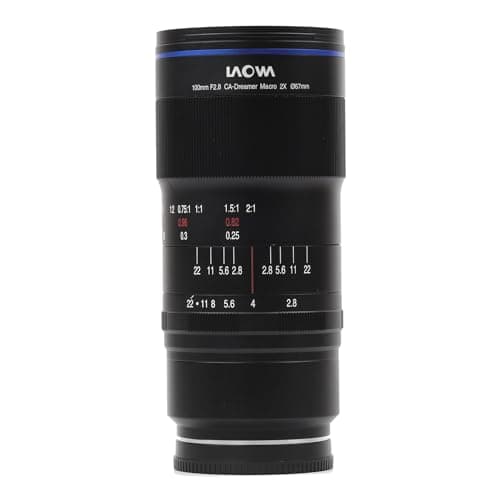
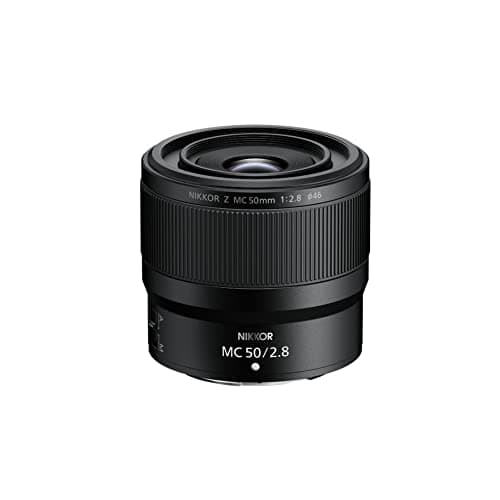
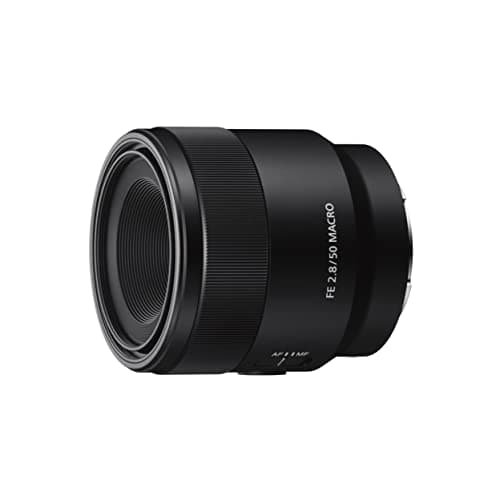
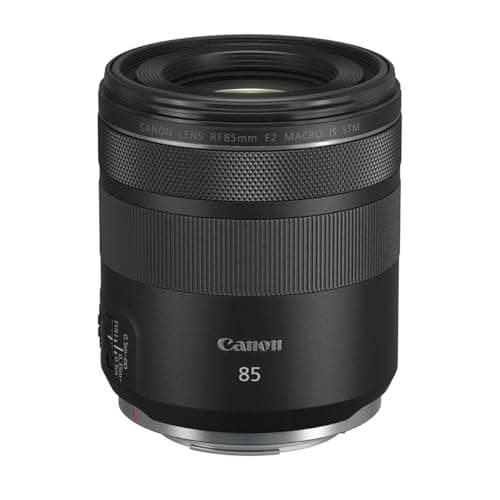
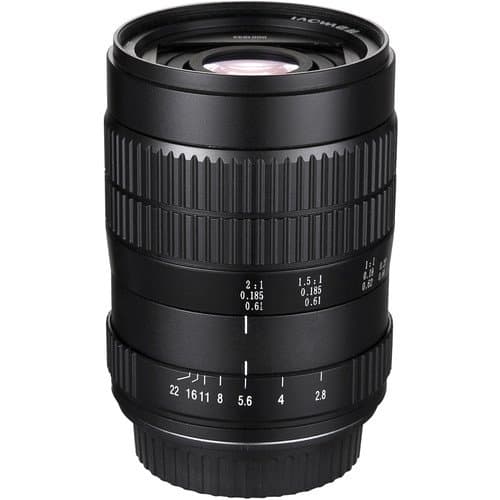
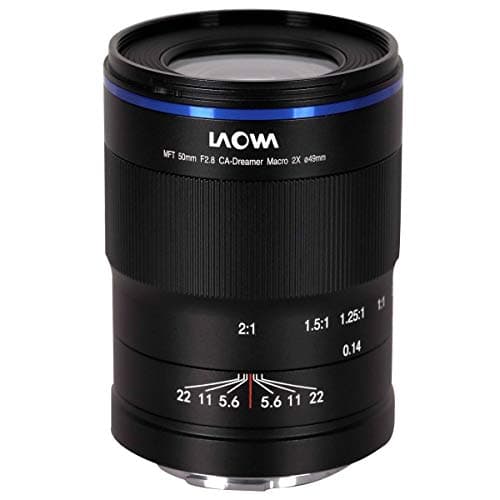
These are the best macro lenses for jewelry photography when you want razor micro-contrast, neutral color, and buttery, artifact-free blur on gemstones, facets, prongs, chains, and watch dials—and here’s what to look for as you buy: prioritize apochromatic/low-LoCA designs (to prevent magenta/green halos on specular highlights), true 1:1 magnification or higher (2:1 for micro-gems and pavé), flat-field sharpness for edge-to-edge product frames, internal focusing with a limiter for confident AF around reflective metal, and stabilization if you handhold—but in the studio a rail/tripod and controlled light beat IS every time; longer focal lengths (~90–105mm) give comfortable working distance for tents, scrims, and flags, while 60–70mm suits tight tabletops; look for round diaphragm blades for smooth highlight discs and minimal focus shift for reliable stacks. Full-frame heroes: Sony FE 90mm ƒ2.8 Macro G OSS (benchmark sharpness, calm color, OSS), Canon RF 100mm ƒ2.8L Macro IS USM (1.4× reach, Hybrid IS, SA Control to fine-tune highlight glow), Canon EF 100mm ƒ2.8L IS USM (classic, superb value), Nikon Z MC 105mm ƒ2.8 VR S (apparent APO-like control, tidy star-clean highlights, VR), Sigma 105mm ƒ2.8 DG DN Macro Art (mirrorless-optimized correction and micro-contrast), Tamron SP 90mm ƒ2.8 Di VC USD F017/F004 (VC with gentle falloff), and Laowa 100mm ƒ2.8 2× APO (manual, true apochromatic rendering and 2:1 for tiny stones). Shorter/alt options: Sony FE 50mm ƒ2.8 Macro (tight spaces), Canon RF 85mm ƒ2 Macro IS STM (0.5×, stabilized, great for lifestyle + detail). APS-C and Micro Four Thirds standouts: Fujifilm XF 80mm ƒ2.8 R LM OIS WR Macro (OIS, weather-sealed, gorgeous contrast), Fujifilm XF 60mm ƒ2.4 Macro (0.5× portrait/detail hybrid), Laowa 65mm ƒ2.8 2× APO (APS-C manual, zero-CA look at 2:1), Nikon Z MC 50mm ƒ2.8 (compact, color-true; stack on a rail), OM SYSTEM M.Zuiko 60mm ƒ2.8 Macro (beloved 1:1 with focus scale), OM SYSTEM 90mm ƒ3.5 Macro IS PRO (2:1 with Sync IS and exquisite control), and Panasonic Leica 45mm ƒ2.8 Macro-Elmarit OIS (compact, stabilized, elegant rendering). Practical buyer tips: pick an APO macro (~100mm) if you shoot lots of diamonds and high-polish metals—clean edges and neutral color save retouch time; choose 2:1-capable lenses (Laowa 100/2×, Laowa 65/2×) for micro-detail without diopters; for flat product sets and watch dials, consider a tilt-shift macro (Canon TS-E 50/90/135 or Nikon PC-E 85) to align the focus plane and tame reflections; standardize filter sizes for one premium CPL and diffusion filter; prioritize a sturdy copy stand or rail and tethering over chasing an extra 1/3 stop; used DSLR stabilized macros (EF 100L IS, Tamron 90 VC, Sigma 105 OS, Nikon 105 VR) remain excellent values. Jewelry macro shooting tips: build large, soft, wraparound light (tent/scrim) and shape gradients with white/black cards; use cross-polarization (linear/circular polarizers on lights + CPL on lens) to kill harsh glare while keeping gemstone fire—rotate for taste; stop to ƒ5.6–ƒ11 for depth and edge discipline (watch diffraction past ƒ16 on smaller sensors), lock the limiter and focus manually on a rail, and stack short brackets (5–50 frames) for full-depth sharpness; clean pieces meticulously (blower, microfiber, putty) and handle with gloves—dust is gigantic at 1:1; place catchlights intentionally to reveal facet structure, add a tiny back/rim for sparkle, and keep backgrounds matte so the jewelry shines; for colored stones, set custom white balance and keep ISO low to preserve saturation; shoot tethered to judge reflections, and use a remote or timer to avoid micro-shake. Whether you’re photographing solitaire rings, intricate pavé bands, heritage watches, or gemstone earrings, the best macro lenses for jewelry photography combine apochromatic correction, flat-field precision, and comfortable working distance—so every facet reads crisp, every metal edge is clean, and your pieces glow with luxurious, intentional light.
Lenses by brand:
Lenses by price:
Lenses by type:
Lenses by sensor:
Lenses by feature:
Lenses by use case:
- Best Macro Lenses for Architectural Photography
- Best Macro Lenses for Astrophotography
- Best Macro Lenses for Automotive Photography
- Best Macro Lenses for Boudoir Photography
- Best Macro Lenses for Concert Photography
- Best Macro Lenses for Fashion Photography
- Best Macro Lenses for Food Photography
- Best Macro Lenses for Headshot Photography
- Best Macro Lenses for Jewelry Photography
- Best Macro Lenses for Landscape Photography
Best Macro Lenses for Macro Photography
- Best Macro Lenses for Nature Photography
- Best Macro Lenses for Newborn Photography
- Best Macro Lenses for Night Photography
- Best Macro Lenses for Pet Photography
- Best Macro Lenses for Portrait Photography
- Best Macro Lenses for Product Photography
- Best Macro Lenses for Sports Photography
- Best Macro Lenses for Still Life Photography
- Best Macro Lenses for Stock Photography
- Best Macro Lenses for Street Photography
- Best Macro Lenses for Studio Photography
- Best Macro Lenses for Travel Photography
- Best Macro Lenses for Underwater Photography
- Best Macro Lenses for Wedding Photography
- Best Macro Lenses for Wildlife Photography
- Best Macro Lenses for Video
Lenses by experience:
Cameras: