
* Product prices and availability are accurate as of the date/time indicated and are subject to change. Any price and availability information displayed on Amazon.com at the time of purchase will apply to the purchase of this product.
* Imaginated.com may receive compensation for purchases made at participating retailers linked on this site. This compensation does not affect what products or prices are displayed, or the order of prices listed. Learn more here.
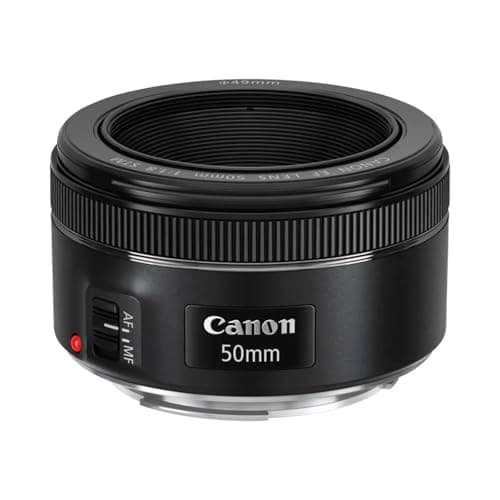
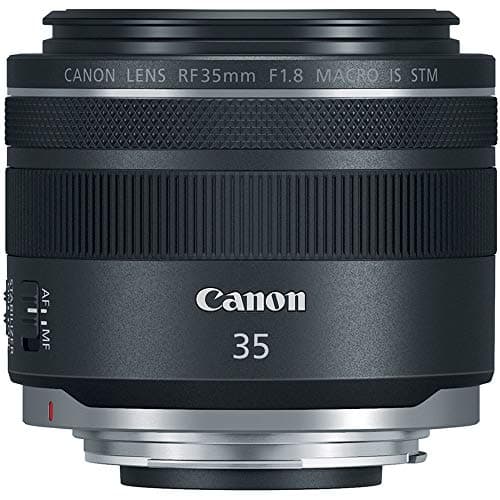
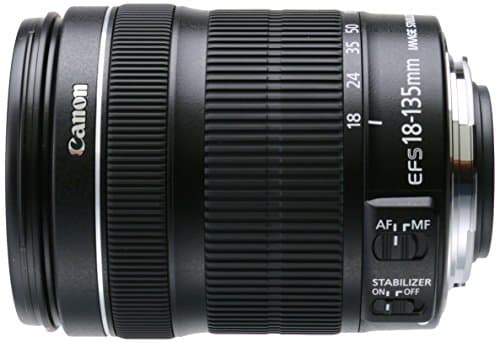
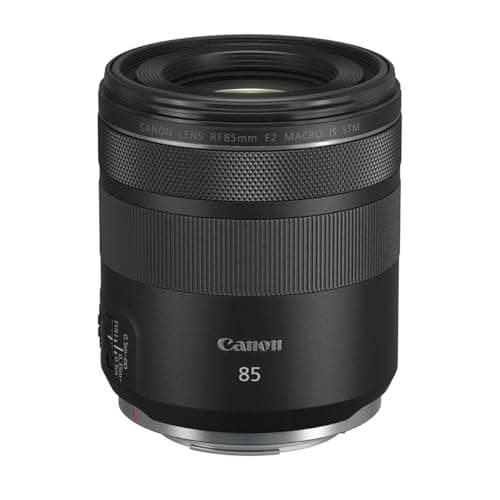
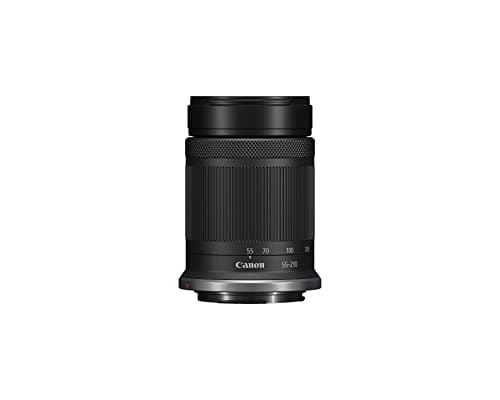
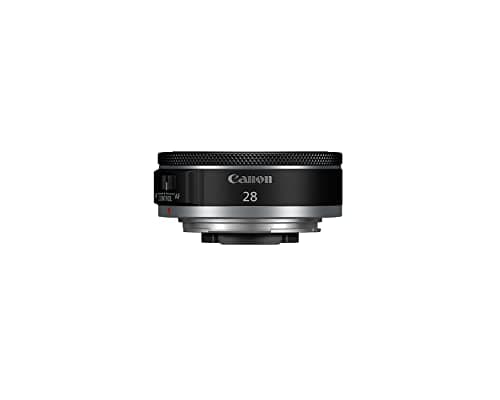
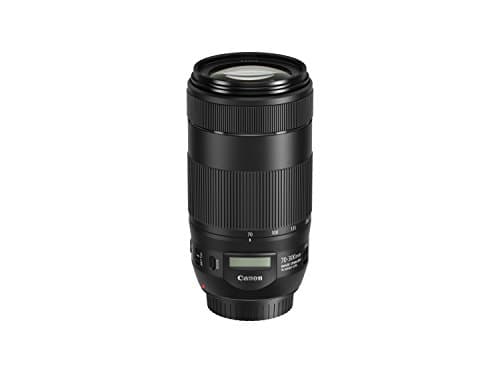
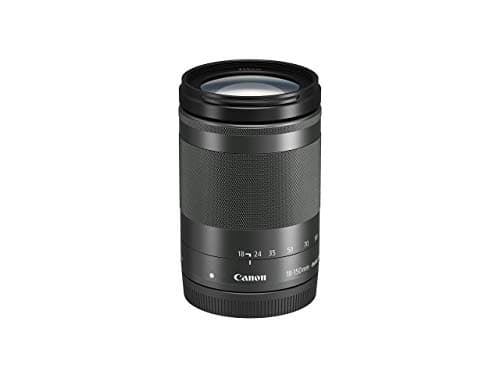
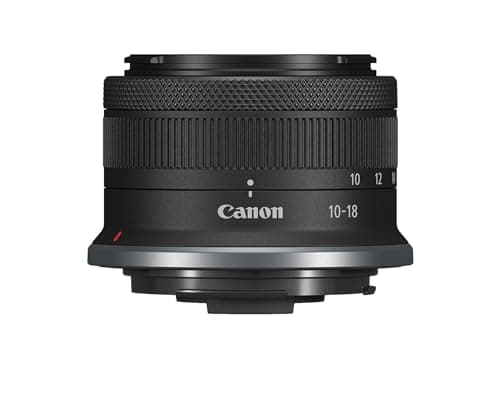
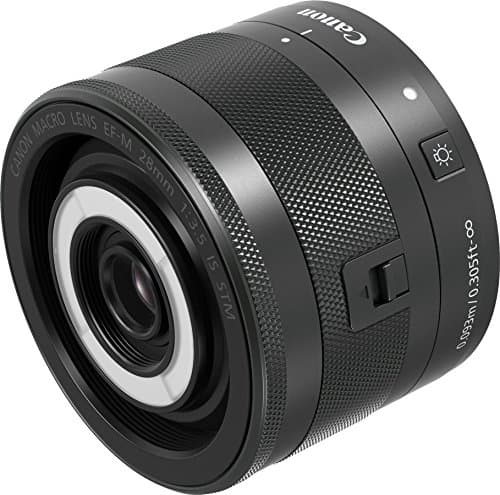
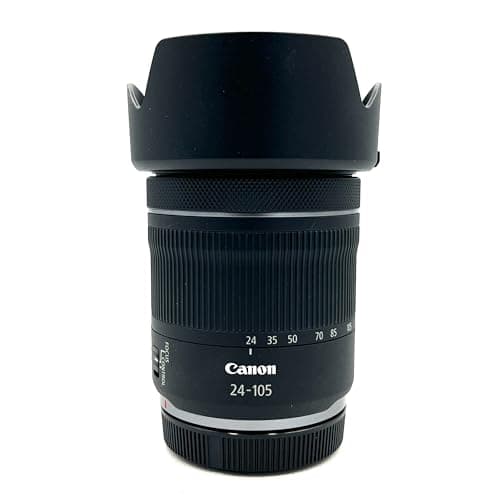
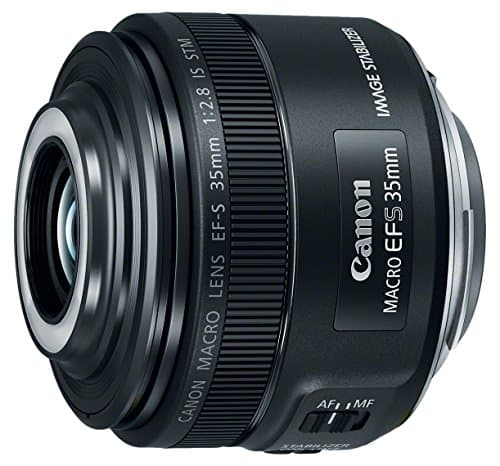
These are the best Canon lenses for beginners, chosen for their affordable prices, light weight, dependable autofocus, image stabilization, and versatile focal lengths that help you learn everything from portraits and street to travel, food, and simple video—whether you’re on an RF mirrorless body or adapting EF glass. The easiest first pick is the RF 50mm f/1.8 STM: tiny, sharp, bright for low light, and great for portraits, food, and everyday storytelling with creamy background blur; pair it with the RF 35mm f/1.8 Macro IS STM for a wider, stabilized view that also focuses close (0.5×) so you can shoot hands, details, and café scenes without swapping lenses. If you want a single lens to cover most days, the RF 24-105mm f/4-7.1 IS STM is light, budget-friendly, and stabilized with a huge range for travel, family, and video; for more low-light headroom and faster focus, the RF 24-70mm f/2.8L IS USM is a pro-grade upgrade you can grow into, while the RF 24-105mm f/4L IS USM trades a stop of speed for top-tier stabilization and weather sealing. New APS-C users should consider the RF-S 18-150mm IS STM as a brilliant one-lens solution (quiet AF, generous reach, strong stabilization), the RF-S 10-18mm IS STM for interiors and travel wides, and the RF-S 55-210mm IS STM for sports, wildlife at the park, and compressed portraits; drop a pocket-size RF 50mm f/1.8 in the bag for glow in low light. If you’re watching budget tightly, adapted EF lenses are great values: EF 50mm f/1.8 STM (the “nifty fifty”) for portraits and everyday use, EF 24mm f/2.8 IS USM or EF 28mm f/2.8 IS USM for small, stabilized walk-around wides, EF 35mm f/2 IS USM as a tiny stabilized normal, EF-S 10-18mm IS STM as the lightweight ultra-wide for APS-C, and EF-S 55-250mm IS STM for affordable telephoto reach; the EF 100mm f/2.8 Macro USM (non-L) is a fantastic entry to real macro without the cost of newer RF glass. Simple choices by interest make learning fast: portraits and low light—RF 50/1.8 or RF 85/2 Macro IS; travel and family—RF 24-105/4-7.1 IS STM or RF-S 18-150 IS STM; street and everyday—RF 28/2.8 STM pancake or RF 35/1.8 Macro IS; food and product—RF 35/1.8 Macro IS or an EF 100/2.8 Macro via adapter; landscapes and interiors—RF 14-35/4L IS for premium or RF-S 10-18 IS STM for budget; sports and wildlife—RF 100-400/5.6-8 IS USM as a light, affordable tele or RF-S 55-210 IS STM on APS-C. Technique turns these beginner-friendly lenses into keepers: use aperture priority (A/Av) with a shutter floor around 1/160–1/250 for people, 1/60–1/125 for static scenes, and Auto ISO with a sensible ceiling; enable eye-detect AF with a small zone, keep image stabilization on for handheld stills and video, and switch it off on a tripod; start wide open (f/1.8–f/2.8) for portraits and low light, then stop down to f/5.6–f/8 for landscapes and groups; shoot RAW + JPEG while you learn so you can edit later without losing quick shares; for video, set a 180° shutter (1/50 at 25p, 1/60 at 30p) and use a slim variable ND on filter-friendly lenses to keep motion natural. A simple, high-impact beginner RF kit looks like RF 50mm f/1.8 for portraits and glow, RF 24-105/4-7.1 IS STM for everyday coverage, and RF 35mm f/1.8 Macro IS for details and low light; on APS-C, run RF-S 18-150 IS STM as your do-it-all, add RF 50/1.8 for portraits, and RF-S 10-18 IS STM for travel interiors. Whether you’re documenting family, learning composition on weekend walks, shooting food at home, or filming your first clips, Canon’s small stabilized primes, value zooms, and friendly macros give you the sharpness, speed, and confidence to grow fast without overwhelming your budget.
Lenses by brand:
Lenses by price:
Lenses by type:
Lenses by sensor:
Lenses by feature:
Lenses by use case:
Lenses by experience:
Cameras: