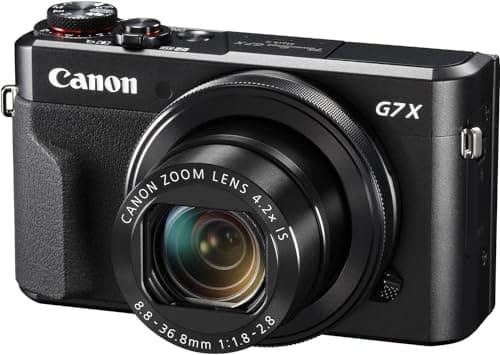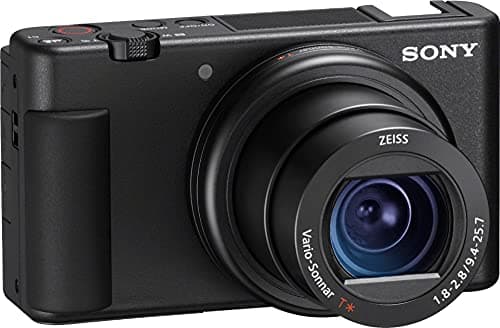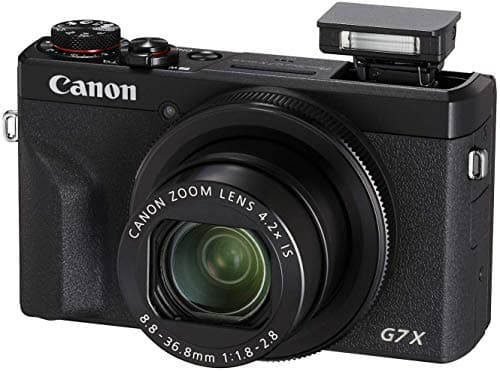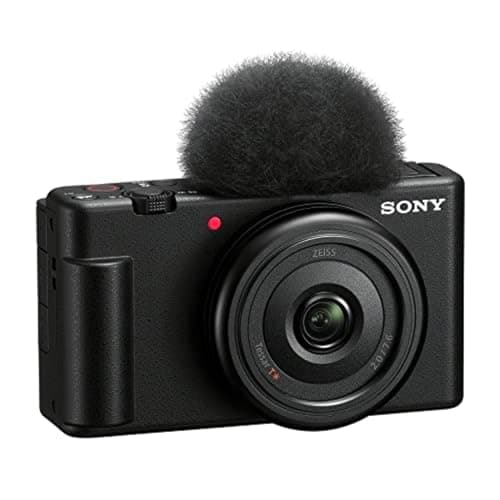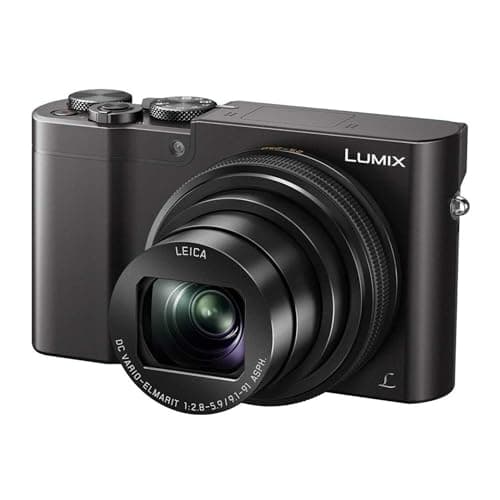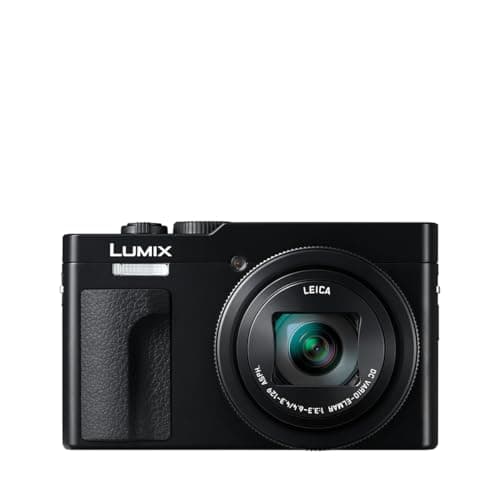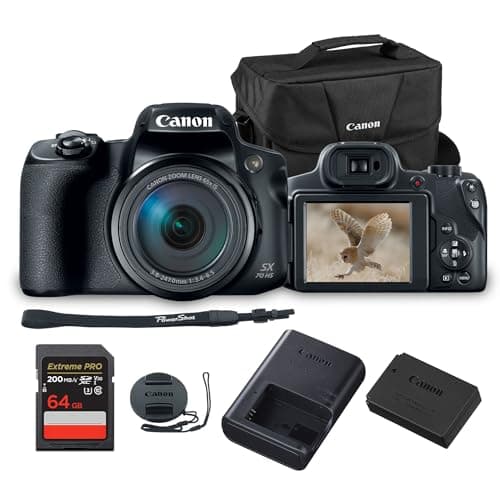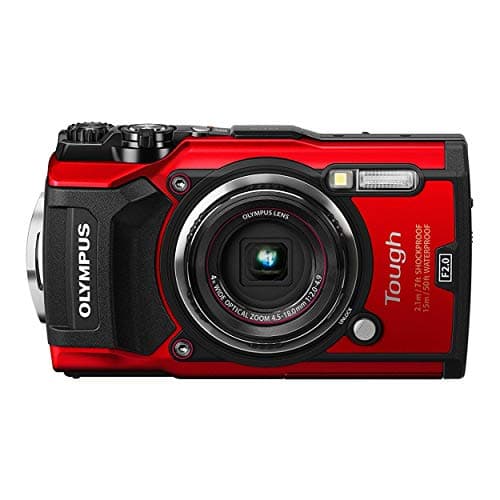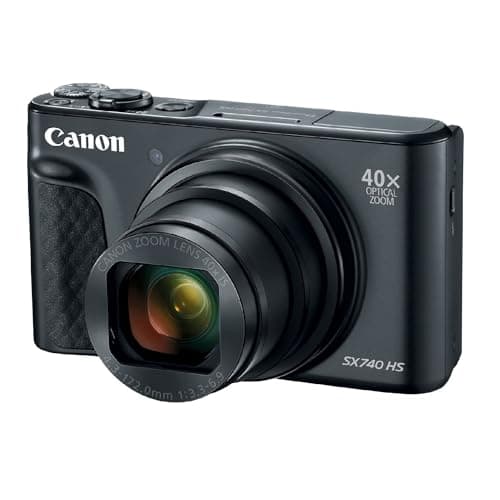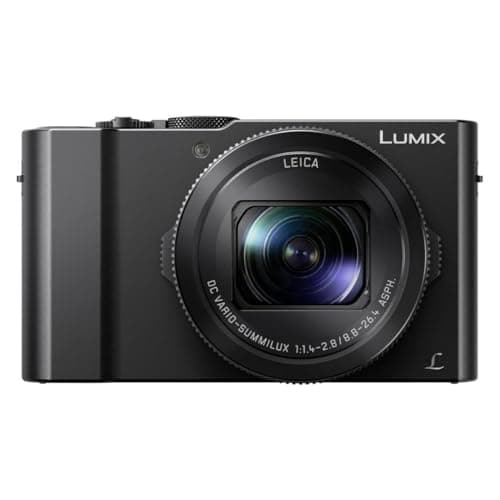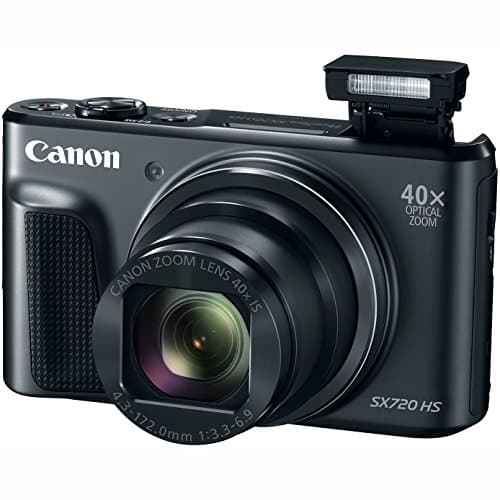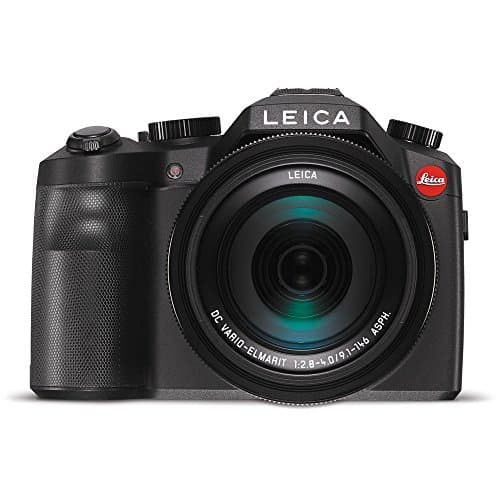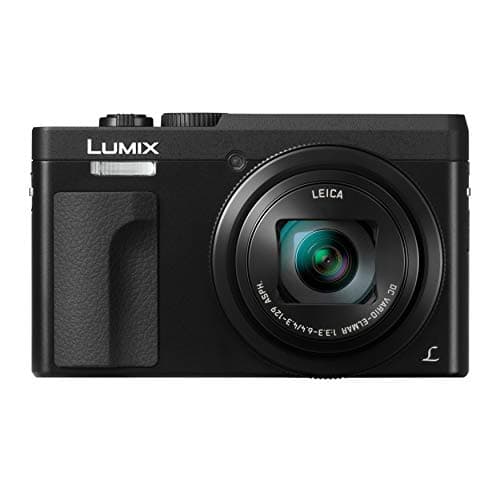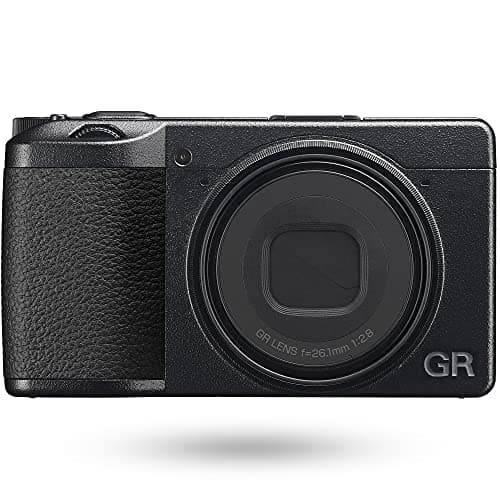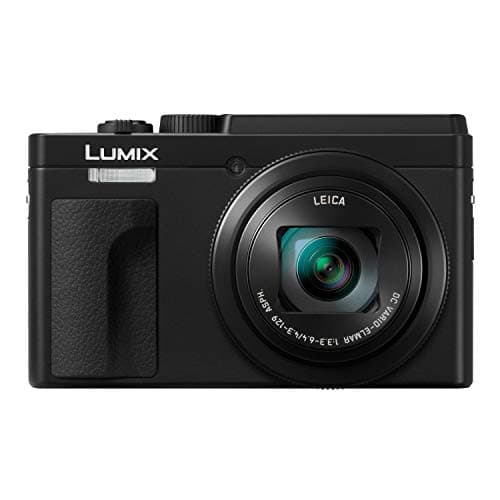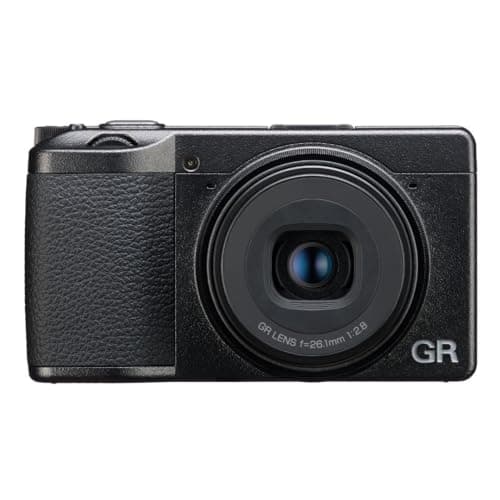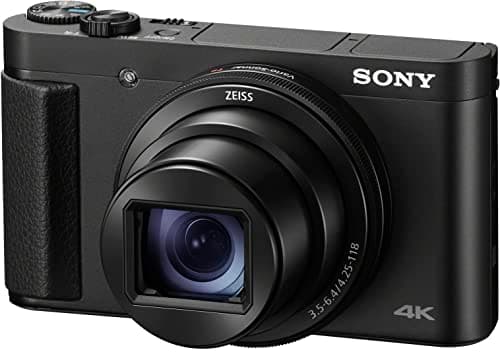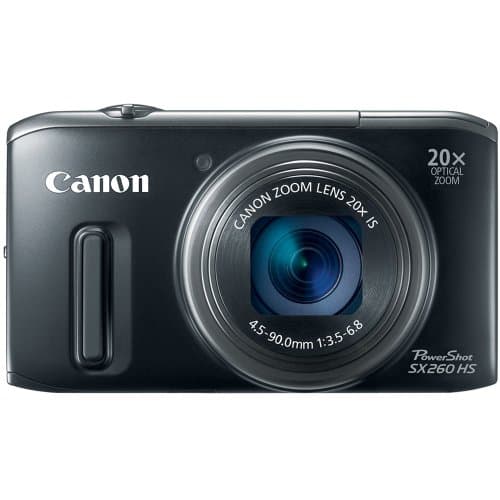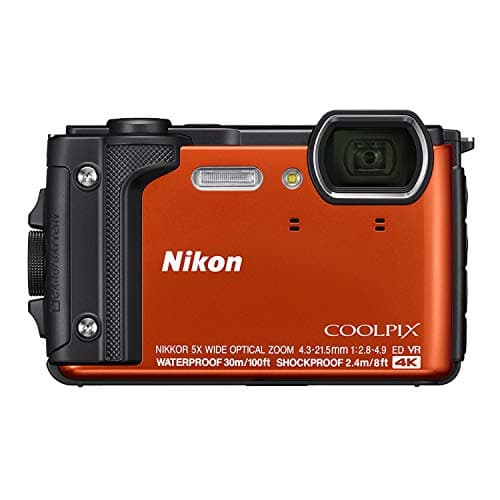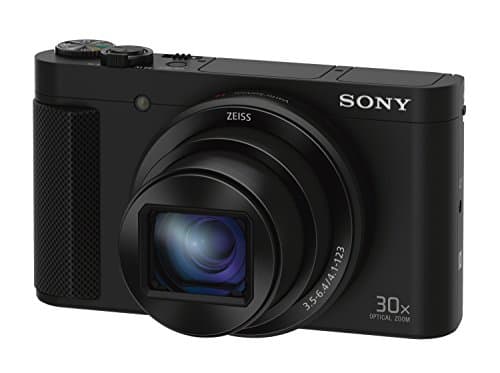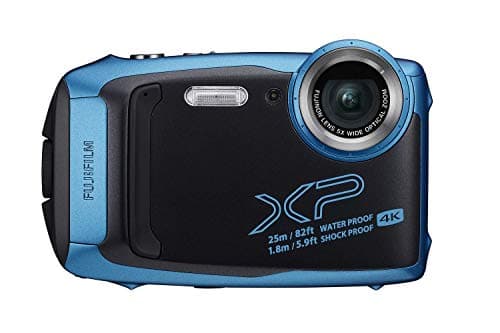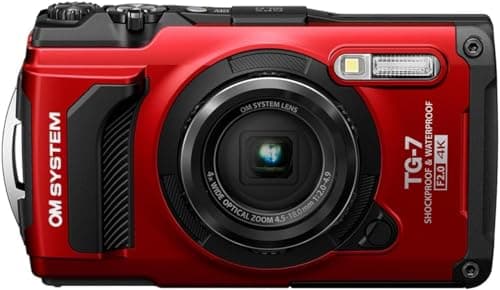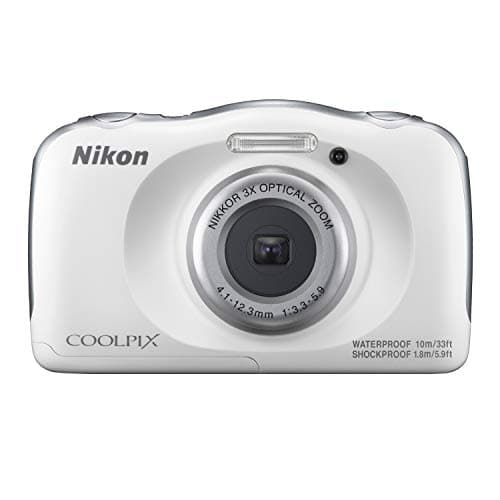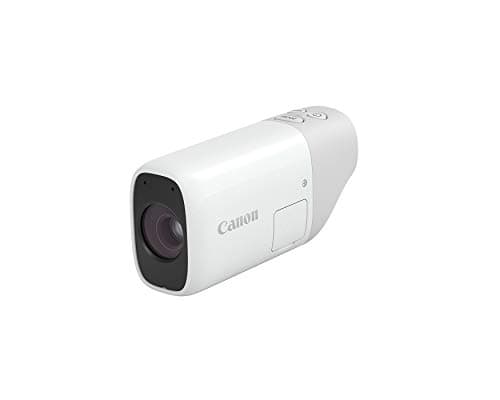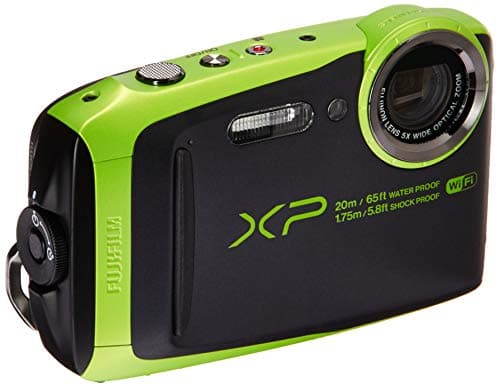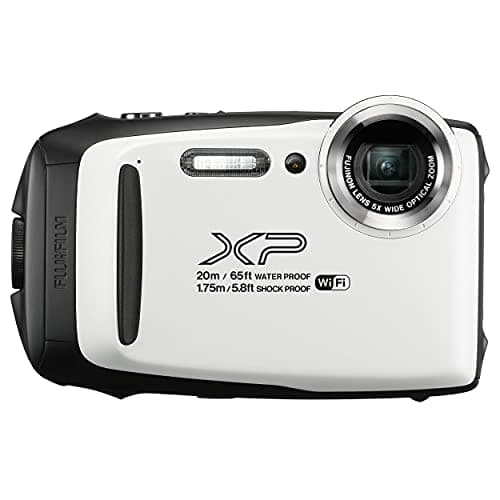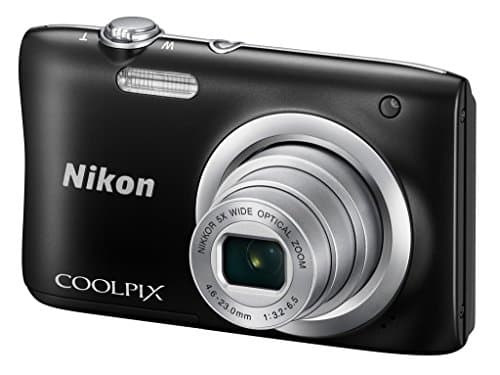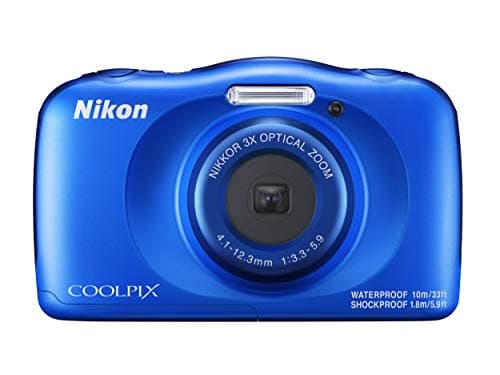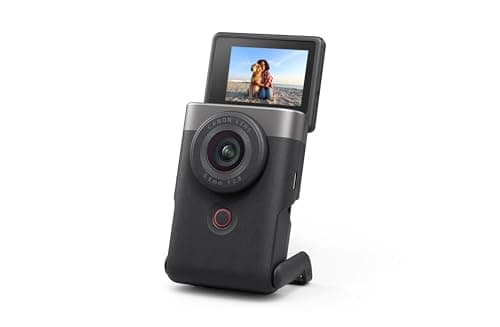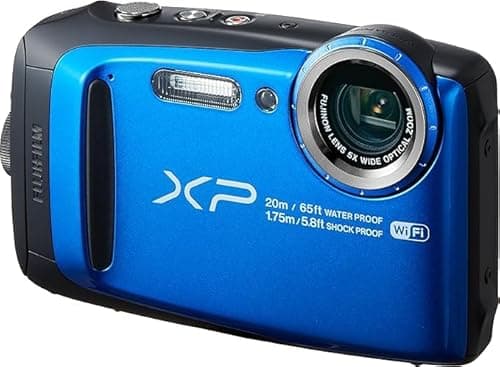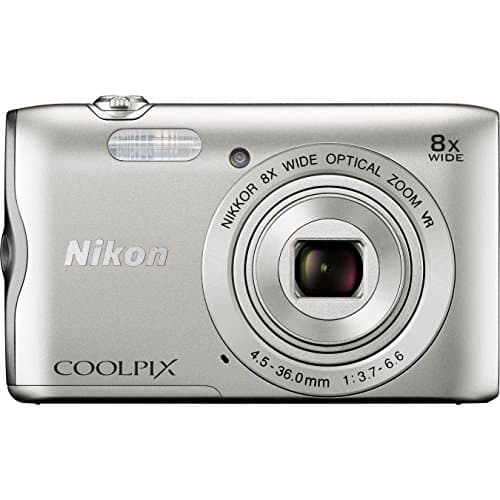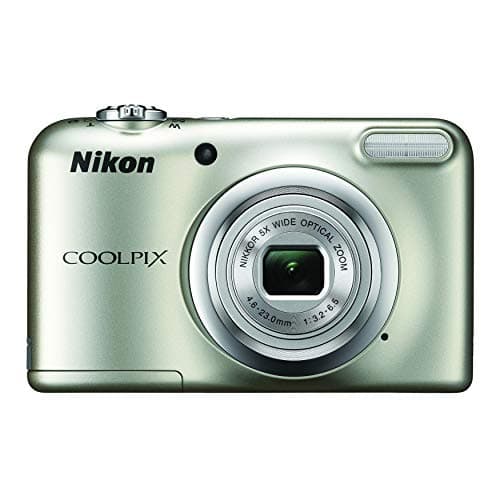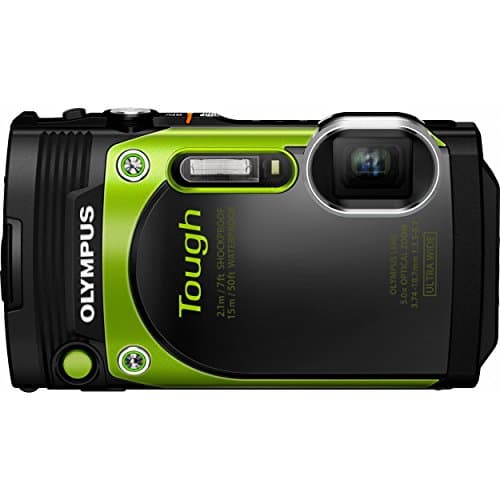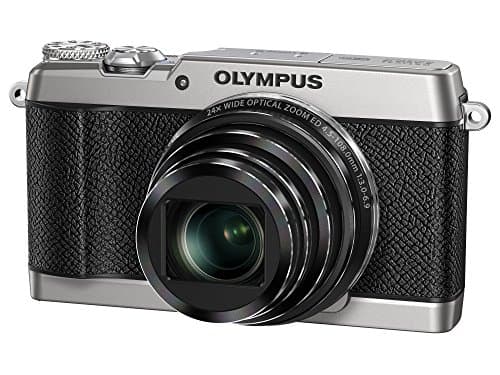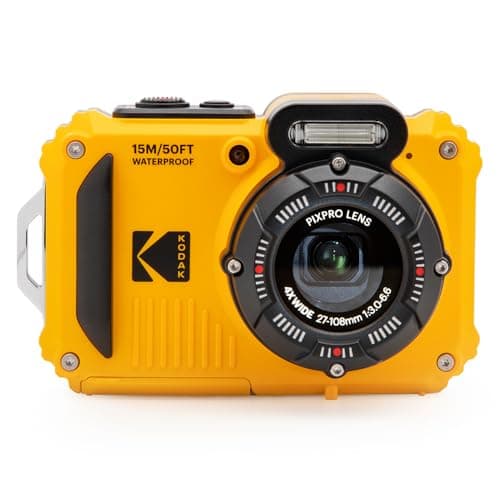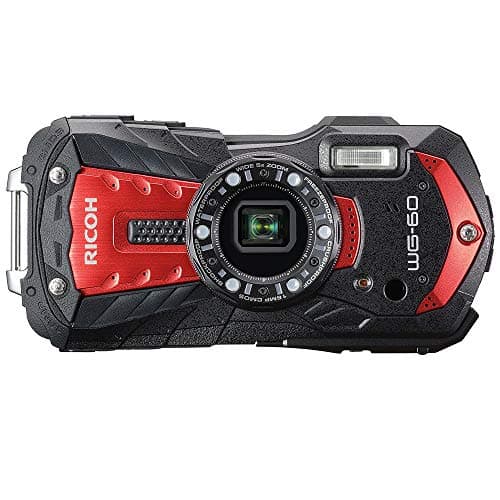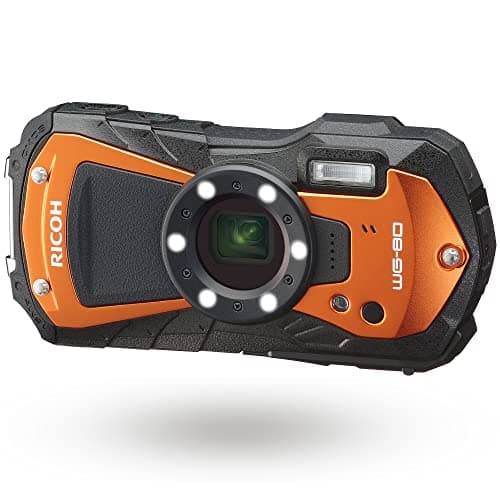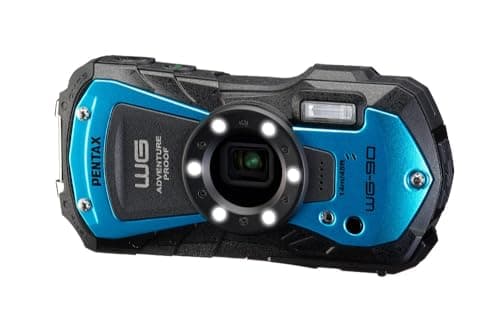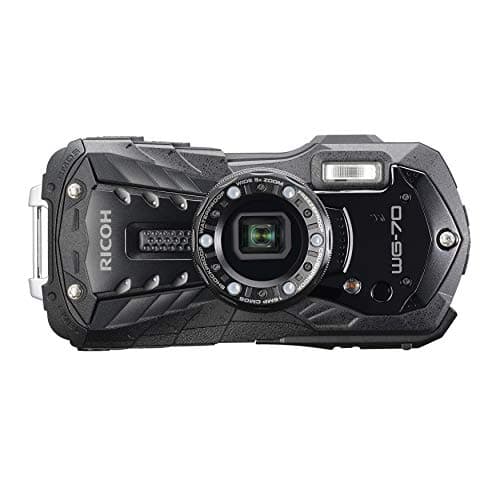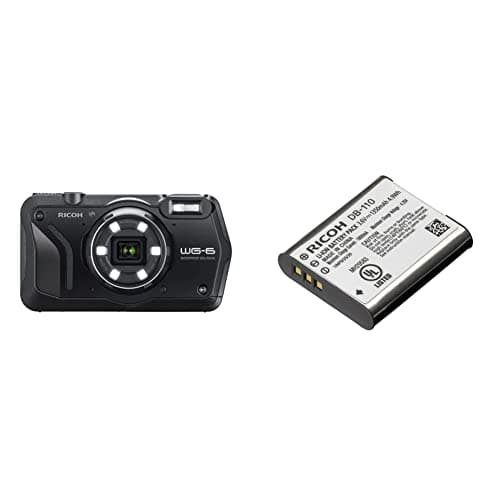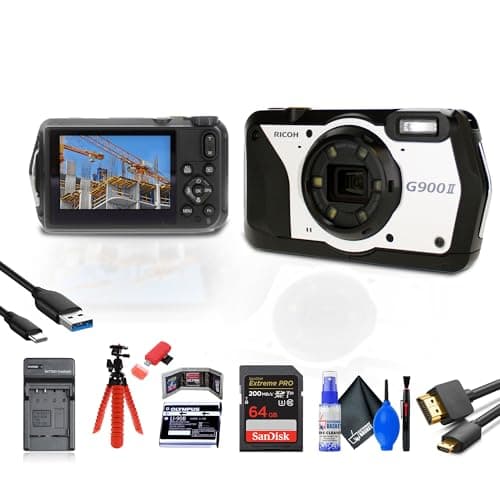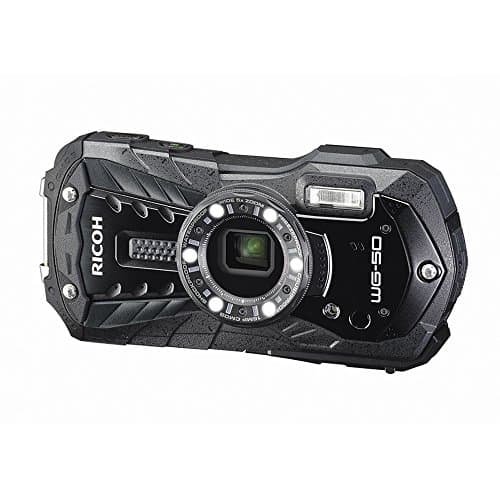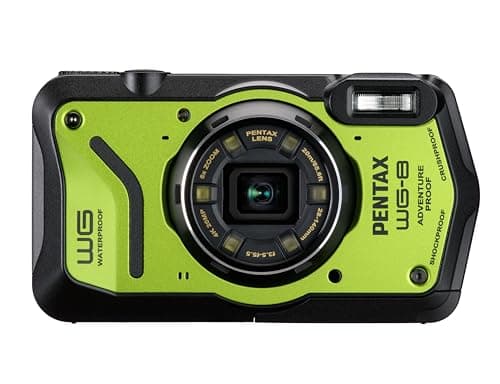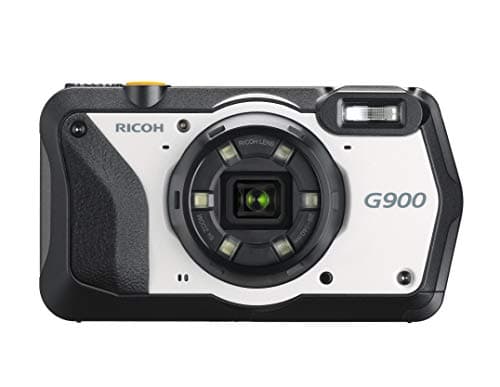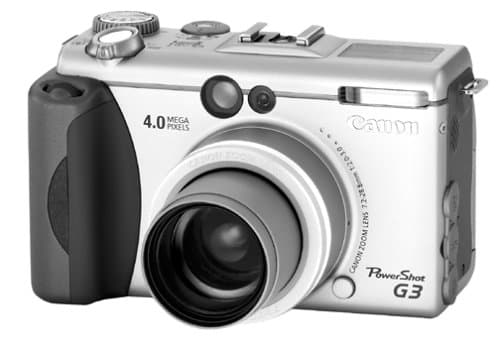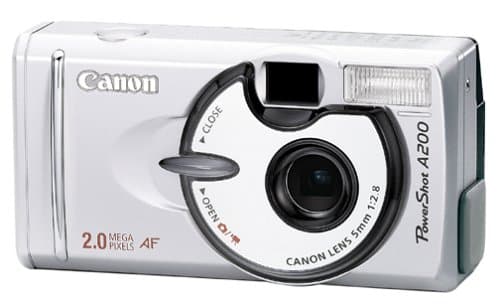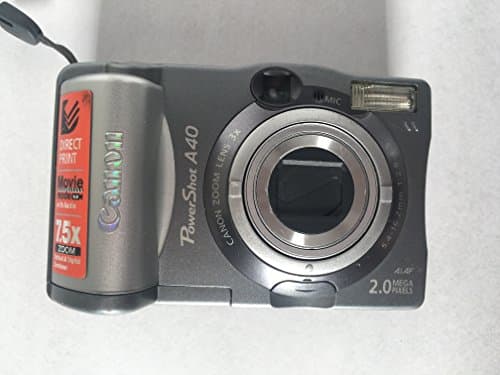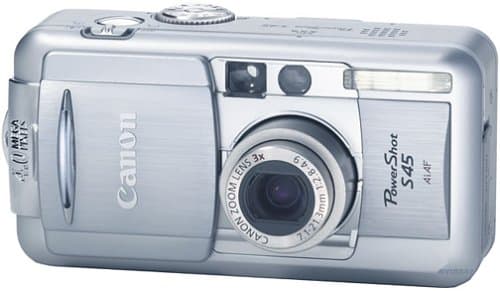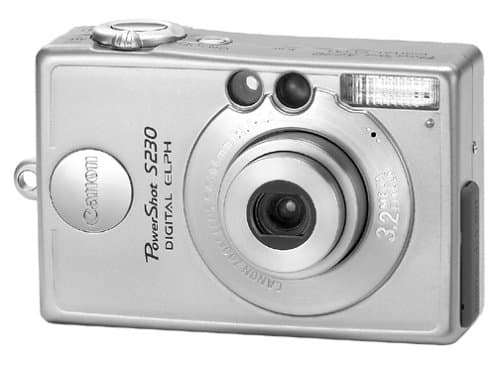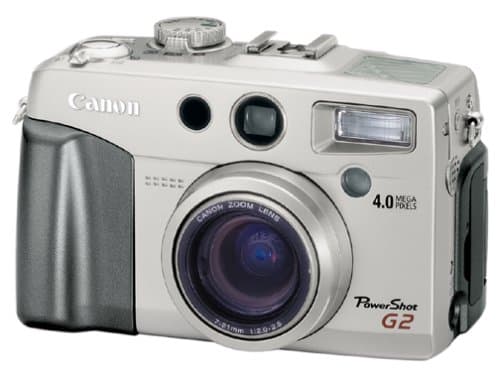
TypePoint-and-ShootSensorLens MountFixed Lens | |
TypePoint-and-ShootSensorAPS-CLens MountFixed Lens | |
TypePoint-and-ShootSensorLens MountFixed Lens | |
TypePoint-and-ShootSensorAPS-CLens MountFixed Lens | |
TypePoint-and-ShootSensorLens MountFixed Lens | |
TypePoint-and-ShootSensorMicro Four ThirdsLens MountFixed Lens | |
TypePoint-and-ShootSensorAPS-CLens MountFixed Lens | |
TypePoint-and-ShootSensorLens MountFixed Lens | |
TypePoint-and-ShootSensorAPS-CLens MountFixed Lens | |
TypePoint-and-ShootSensorLens MountFixed Lens | |
TypePoint-and-ShootSensorAPS-CLens MountFixed Lens | |
TypePoint-and-ShootSensorLens MountFixed Lens | |
TypePoint-and-ShootSensorAPS-CLens MountFixed Lens | |
TypePoint-and-ShootSensorMicro Four ThirdsLens MountFixed Lens | |
TypePoint-and-ShootSensorAPS-CLens MountFixed Lens | |
TypePoint-and-ShootSensorLens MountFixed Lens | |
TypePoint-and-ShootSensorMicro Four ThirdsLens MountFixed Lens | |
TypePoint-and-ShootSensorLens MountFixed Lens | |
TypePoint-and-ShootSensorLens MountFixed Lens |
Best Point-and-Shoot Cameras Under $1500 in 2025
* Product prices and availability are accurate as of the date/time indicated and are subject to change. Any price and availability information displayed on Amazon.com at the time of purchase will apply to the purchase of this product.
* Imaginated.com may receive compensation for purchases made at participating retailers linked on this site. This compensation does not affect what products or prices are displayed, or the order of prices listed. Learn more here.
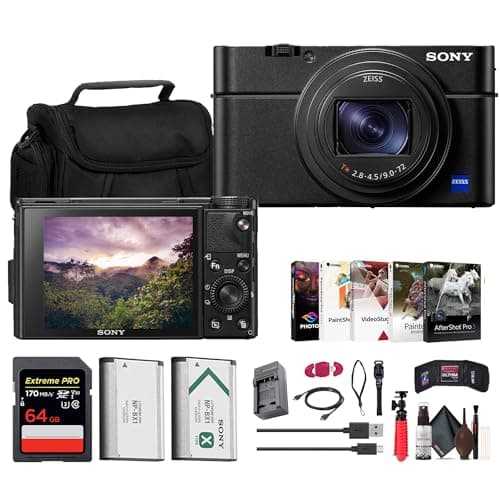
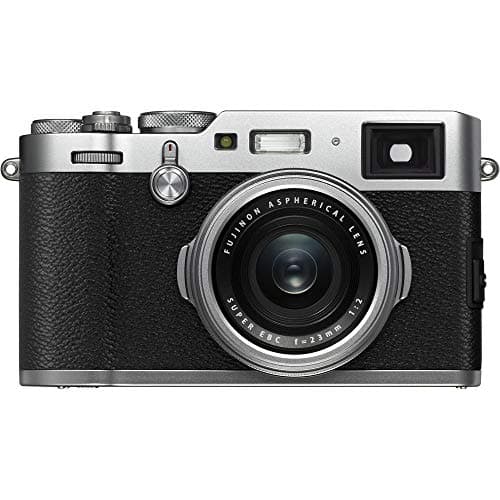
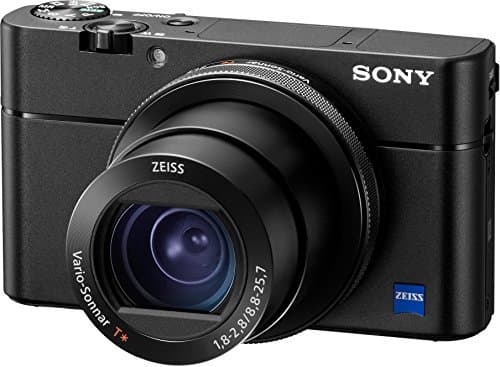
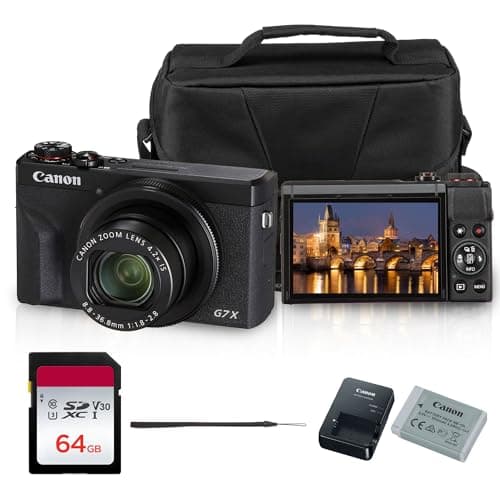
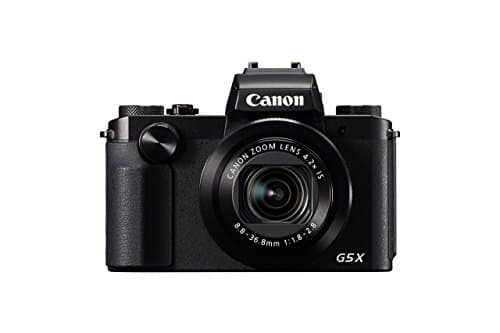
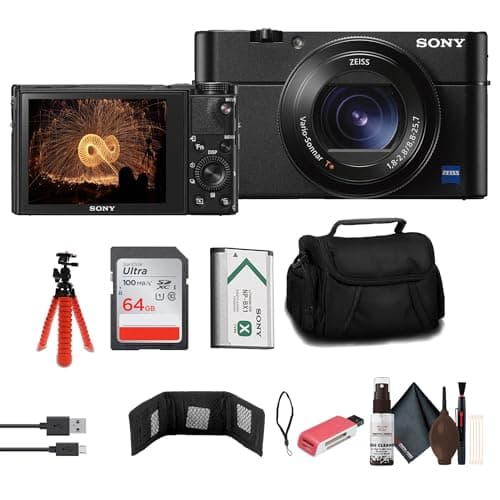
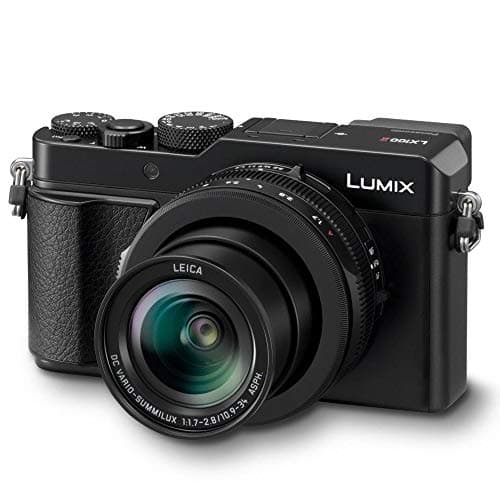
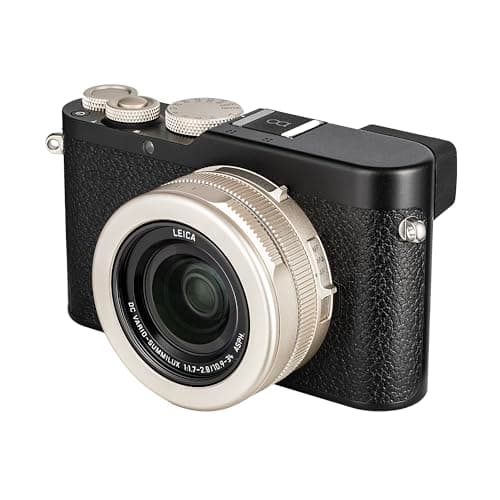
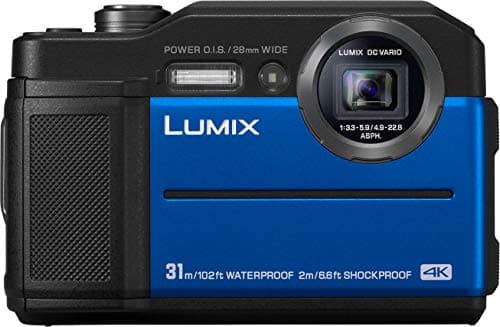
These are the best point-and-shoot cameras under $1500, selected for their ability to deliver professional-level image quality, advanced video tools, and compact portability. At this price point, point-and-shoot cameras evolve beyond basic compacts and enter the premium tier—designed for enthusiasts, hybrid creators, and even professionals who want a smaller companion to their main system. These cameras combine large sensors, bright lenses, advanced autofocus, and hybrid stills-video features in pocket-sized bodies, making them ideal for travel, street, vlogging, and documentary-style photography. Whether you’re a hobbyist upgrading from a smartphone or a professional seeking a portable secondary camera, these premium compacts balance convenience with performance once reserved for larger mirrorless or DSLR systems. Image quality approaches professional standards. Many point-and-shoot cameras in this price range feature 1-inch sensors, APS-C sensors, or even specialized optics that rival interchangeable-lens systems. Cameras like the Sony RX100 VII (20MP 1-inch sensor with a 24–200mm zoom) deliver extraordinary sharpness and flexibility, while the Canon PowerShot G1 X Mark III (24MP APS-C sensor) stands out for packing DSLR-level quality into a compact body. Fujifilm’s X100V (26MP APS-C with a fixed 23mm f/2 lens), though often hovering just under $1500, has become a cult classic among photographers for its filmic rendering and beautiful color science. These sensors provide excellent detail, wide dynamic range, and reliable performance in challenging light. Portability keeps creativity spontaneous. At under $1500, these cameras remain compact enough to slip into a pocket or travel bag, ensuring you always have a capable tool on hand. The RX100 VII and Canon G7 X Mark III, for example, weigh far less than most mirrorless systems yet still deliver professional-quality results. The Fujifilm X100V trades zoom for a slim, fixed-lens design that appeals to street photographers who value discretion and simplicity. This portability makes premium compacts the perfect balance between performance and everyday usability. Fast lenses expand creative options. Premium point-and-shoots often feature bright lenses with wide apertures, allowing shallow depth of field and excellent low-light performance. The Canon G1 X Mark III’s f/2.8–5.6 lens, Fujifilm X100V’s f/2 prime, and Panasonic LX100 II’s fast f/1.7–2.8 zoom all provide excellent subject isolation and vibrant results in dim conditions. These optics outperform most smartphones and budget compacts by offering more natural bokeh and greater control over creative exposure. Low-light performance ensures confidence in any setting. With larger sensors and fast lenses, cameras in this category excel at shooting in dim environments. The RX100 VII maintains sharp results even at higher ISOs, while the X100V and G1 X Mark III’s APS-C sensors deliver exceptional clarity and noise control in low light. For travelers and street shooters, this means freedom to capture nighttime cityscapes, candlelit restaurants, or dimly lit interiors without compromising quality. Video capabilities rival hybrid mirrorless cameras. Point-and-shoots under $1500 are often equipped with advanced video tools tailored for vloggers and filmmakers. The Sony RX100 VII records oversampled 4K with full pixel readout, advanced autofocus, and super slow-motion up to 960 fps. The Canon G7 X Mark III offers uncropped 4K recording, live-streaming support, and a flip-up screen, making it a go-to choice for YouTubers. Fujifilm’s X100V also delivers sharp 4K with cinematic film simulations, appealing to creators who want stylized video without heavy post-production. These features ensure hybrid creators can shoot high-quality video and stills without switching systems. Autofocus keeps subjects sharp and reliable. Borrowing technology from higher-end mirrorless models, point-and-shoots like the Sony RX100 VII feature real-time Eye AF and subject tracking, ensuring sharp results for portraits, pets, and moving subjects. Canon’s Dual Pixel AF in the G1 X Mark III and G7 X Mark III provides smooth, reliable focusing for both stills and video. This reliability allows photographers to shoot confidently in fast-changing scenarios, from street photography to travel vlogs. Build quality elevates user experience. At this price point, premium compacts are designed with durability and ergonomics in mind. The Fujifilm X100V offers weather resistance (with an adapter) and a beautifully crafted retro design with tactile dials, while the Sony RX100 VII includes a pop-up electronic viewfinder and tilting LCD screen for flexible shooting. Panasonic’s LX100 II offers manual controls with a classic rangefinder-inspired body, appealing to photographers who prefer hands-on adjustments. These thoughtful designs make shooting enjoyable as well as efficient. Connectivity supports modern workflows. Built-in Wi-Fi and Bluetooth ensure seamless transfer of images and video to smartphones for quick editing and sharing. The Canon G7 X Mark III even supports live-streaming directly to YouTube, appealing to vloggers and content creators. These features keep premium compacts competitive in a smartphone-driven era by offering both better quality and modern convenience. Battery life supports long days of shooting. Compact designs typically limit battery size, but models like the RX100 VII and X100V offer respectable endurance for a full day of casual shooting, with USB-C charging making it easy to recharge on the go. This is invaluable for travelers and creators who want dependable performance without carrying extra chargers. Whether you’re a traveler, street shooter, vlogger, or enthusiast seeking professional image quality in a pocketable body, the best point-and-shoot cameras under $1500 provide unmatched convenience and creative freedom. They combine large sensors, fast lenses, advanced autofocus, and strong video tools in sleek, portable designs. For amateurs ready to upgrade or professionals wanting a compact secondary camera, these premium point-and-shoots are more than just simple compacts—they are powerful creative companions that prove great photography can come in small packages.
Cameras by brand:
Cameras by price:
Cameras by type:
Best 360-Degree Cameras Under $1500
- Best Action Cameras Under $1500
Best Bridge Cameras Under $1500
- Best DSLR Cameras Under $1500
- Best Mirrorless Cameras Under $1500
- Best Point-and-Shoot Cameras Under $1500
Best Rangefinder Cameras Under $1500
Cameras by sensor:
Cameras by feature:
Cameras by use case:
Cameras by experience:
Cameras lenses:
Filtered By:
Best Point-and-Shoot Cameras Under $1500 in 2025
* Product prices and availability are accurate as of the date/time indicated and are subject to change. Any price and availability information displayed on Amazon.com at the time of purchase will apply to the purchase of this product.
* Imaginated.com may receive compensation for purchases made at participating retailers linked on this site. This compensation does not affect what products or prices are displayed, or the order of prices listed. Learn more here.
These are the best point-and-shoot cameras under $1500, selected for their ability to deliver professional-level image quality, advanced video tools, and compact portability. At this price point, point-and-shoot cameras evolve beyond basic compacts and enter the premium tier—designed for enthusiasts, hybrid creators, and even professionals who want a smaller companion to their main system. These cameras combine large sensors, bright lenses, advanced autofocus, and hybrid stills-video features in pocket-sized bodies, making them ideal for travel, street, vlogging, and documentary-style photography. Whether you’re a hobbyist upgrading from a smartphone or a professional seeking a portable secondary camera, these premium compacts balance convenience with performance once reserved for larger mirrorless or DSLR systems. Image quality approaches professional standards. Many point-and-shoot cameras in this price range feature 1-inch sensors, APS-C sensors, or even specialized optics that rival interchangeable-lens systems. Cameras like the Sony RX100 VII (20MP 1-inch sensor with a 24–200mm zoom) deliver extraordinary sharpness and flexibility, while the Canon PowerShot G1 X Mark III (24MP APS-C sensor) stands out for packing DSLR-level quality into a compact body. Fujifilm’s X100V (26MP APS-C with a fixed 23mm f/2 lens), though often hovering just under $1500, has become a cult classic among photographers for its filmic rendering and beautiful color science. These sensors provide excellent detail, wide dynamic range, and reliable performance in challenging light. Portability keeps creativity spontaneous. At under $1500, these cameras remain compact enough to slip into a pocket or travel bag, ensuring you always have a capable tool on hand. The RX100 VII and Canon G7 X Mark III, for example, weigh far less than most mirrorless systems yet still deliver professional-quality results. The Fujifilm X100V trades zoom for a slim, fixed-lens design that appeals to street photographers who value discretion and simplicity. This portability makes premium compacts the perfect balance between performance and everyday usability. Fast lenses expand creative options. Premium point-and-shoots often feature bright lenses with wide apertures, allowing shallow depth of field and excellent low-light performance. The Canon G1 X Mark III’s f/2.8–5.6 lens, Fujifilm X100V’s f/2 prime, and Panasonic LX100 II’s fast f/1.7–2.8 zoom all provide excellent subject isolation and vibrant results in dim conditions. These optics outperform most smartphones and budget compacts by offering more natural bokeh and greater control over creative exposure. Low-light performance ensures confidence in any setting. With larger sensors and fast lenses, cameras in this category excel at shooting in dim environments. The RX100 VII maintains sharp results even at higher ISOs, while the X100V and G1 X Mark III’s APS-C sensors deliver exceptional clarity and noise control in low light. For travelers and street shooters, this means freedom to capture nighttime cityscapes, candlelit restaurants, or dimly lit interiors without compromising quality. Video capabilities rival hybrid mirrorless cameras. Point-and-shoots under $1500 are often equipped with advanced video tools tailored for vloggers and filmmakers. The Sony RX100 VII records oversampled 4K with full pixel readout, advanced autofocus, and super slow-motion up to 960 fps. The Canon G7 X Mark III offers uncropped 4K recording, live-streaming support, and a flip-up screen, making it a go-to choice for YouTubers. Fujifilm’s X100V also delivers sharp 4K with cinematic film simulations, appealing to creators who want stylized video without heavy post-production. These features ensure hybrid creators can shoot high-quality video and stills without switching systems. Autofocus keeps subjects sharp and reliable. Borrowing technology from higher-end mirrorless models, point-and-shoots like the Sony RX100 VII feature real-time Eye AF and subject tracking, ensuring sharp results for portraits, pets, and moving subjects. Canon’s Dual Pixel AF in the G1 X Mark III and G7 X Mark III provides smooth, reliable focusing for both stills and video. This reliability allows photographers to shoot confidently in fast-changing scenarios, from street photography to travel vlogs. Build quality elevates user experience. At this price point, premium compacts are designed with durability and ergonomics in mind. The Fujifilm X100V offers weather resistance (with an adapter) and a beautifully crafted retro design with tactile dials, while the Sony RX100 VII includes a pop-up electronic viewfinder and tilting LCD screen for flexible shooting. Panasonic’s LX100 II offers manual controls with a classic rangefinder-inspired body, appealing to photographers who prefer hands-on adjustments. These thoughtful designs make shooting enjoyable as well as efficient. Connectivity supports modern workflows. Built-in Wi-Fi and Bluetooth ensure seamless transfer of images and video to smartphones for quick editing and sharing. The Canon G7 X Mark III even supports live-streaming directly to YouTube, appealing to vloggers and content creators. These features keep premium compacts competitive in a smartphone-driven era by offering both better quality and modern convenience. Battery life supports long days of shooting. Compact designs typically limit battery size, but models like the RX100 VII and X100V offer respectable endurance for a full day of casual shooting, with USB-C charging making it easy to recharge on the go. This is invaluable for travelers and creators who want dependable performance without carrying extra chargers. Whether you’re a traveler, street shooter, vlogger, or enthusiast seeking professional image quality in a pocketable body, the best point-and-shoot cameras under $1500 provide unmatched convenience and creative freedom. They combine large sensors, fast lenses, advanced autofocus, and strong video tools in sleek, portable designs. For amateurs ready to upgrade or professionals wanting a compact secondary camera, these premium point-and-shoots are more than just simple compacts—they are powerful creative companions that prove great photography can come in small packages.
Cameras by brand:
Cameras by price:
Cameras by type:
Best 360-Degree Cameras Under $1500
- Best Action Cameras Under $1500
Best Bridge Cameras Under $1500
- Best DSLR Cameras Under $1500
- Best Mirrorless Cameras Under $1500
- Best Point-and-Shoot Cameras Under $1500
Best Rangefinder Cameras Under $1500
Cameras by sensor:
Cameras by feature:
Cameras by use case:
Cameras by experience:
Cameras lenses: